
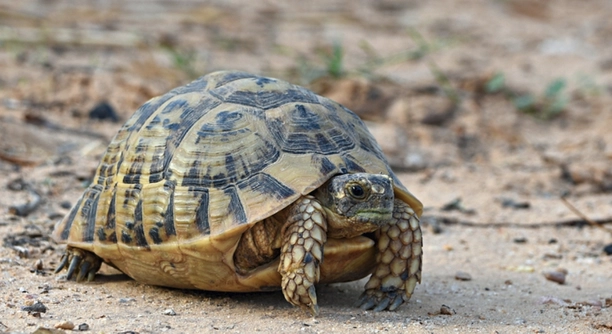
Do you ever find yourself wondering which vegetables are safe for your Greek tortoise to eat? Providing a balanced diet is important, and knowing which foods are beneficial can help keep your tortoise happy and healthy.
Greek tortoises can safely eat bell peppers, as they are non-toxic and provide essential vitamins. However, they should be fed in moderation since bell peppers contain sugar, which can be harmful in large quantities. Red and yellow bell peppers are the best choices.
Bell peppers add variety to your tortoise’s diet, but they should not replace leafy greens. Understanding the nutritional benefits of different colors will help you make the best choices for your pet’s overall health.
Nutritional Benefits of Bell Peppers for Greek Tortoises
Bell peppers provide valuable nutrients that can support your Greek tortoise’s health. They are packed with vitamin C, which boosts the immune system, and vitamin A, which promotes good eyesight and healthy skin. These vegetables also contain antioxidants that help protect cells from damage. While bell peppers offer hydration due to their high water content, they should only be a small part of a well-rounded diet. Leafy greens like dandelion and collard greens should remain the primary food source. Offering a variety of safe vegetables ensures balanced nutrition and prevents deficiencies. Overfeeding bell peppers can lead to excessive sugar intake, which may disrupt digestion.
Red and yellow bell peppers are the best choices for Greek tortoises because they have higher vitamin content than green peppers. Green peppers are less sweet but contain fewer nutrients, making them a less beneficial option.
Chopping bell peppers into small, manageable pieces makes it easier for your tortoise to eat. Removing the seeds and stem is recommended since they offer no nutritional value. Pairing bell peppers with fiber-rich greens helps balance their natural sugar content. A varied diet contributes to better digestion and overall well-being.
How Often Should Greek Tortoises Eat Bell Peppers?
Bell peppers should only be an occasional treat, not a daily staple. Feeding them once or twice a week in small amounts ensures your tortoise gets the benefits without consuming too much sugar.
A diet high in sugary vegetables can lead to digestive issues and an imbalance in nutrient intake. Greek tortoises thrive on a diet that closely resembles their natural food sources, which include fibrous plants and grasses. While bell peppers add variety, they should always be fed in moderation. Mixing them with other vegetables like squash, carrots, or zucchini can provide a more balanced meal.
When feeding bell peppers, it’s best to serve them raw and fresh. Cooked peppers lose some of their nutrients, making them less beneficial. Always introduce new foods gradually to monitor how your tortoise responds. If you notice any signs of digestive discomfort, reduce the amount or frequency. Providing clean water and a proper mix of vegetables helps maintain good hydration and overall health.
Best Ways to Serve Bell Peppers to Greek Tortoises
Bell peppers should always be fresh and washed thoroughly before serving. Remove the seeds and stem, as they do not provide any nutritional benefits. Cutting the peppers into small, bite-sized pieces makes them easier for your tortoise to eat and digest properly.
Mixing bell peppers with other vegetables ensures a balanced diet. Combining them with leafy greens like dandelion or mustard greens helps offset their natural sugar content. Bell peppers should be given raw, as cooking reduces their vitamin levels. Offering a variety of colors can provide different nutrients, but red and yellow peppers are the most nutritious choices.
Avoid feeding large amounts in one sitting. A small portion, about the size of a couple of bites, is enough for a meal. Rotating different vegetables throughout the week prevents over-reliance on any one food, ensuring your tortoise gets the nutrients it needs for optimal health.
Signs of Overfeeding Bell Peppers
Too many bell peppers can lead to digestive issues in Greek tortoises. Loose stool, bloating, and decreased appetite may indicate that your tortoise is consuming too much sugar. Monitoring portion sizes and feeding frequency helps prevent these issues while maintaining a healthy diet.
Excessive bell pepper consumption can also lead to an imbalance in calcium and phosphorus levels. Tortoises require a diet rich in calcium for strong shells and bones, and too much sugary food can interfere with proper nutrient absorption. Ensuring that bell peppers are only an occasional treat helps maintain the right dietary balance. If your tortoise starts refusing other foods or becomes less active, it may be a sign of diet-related issues.
If signs of overfeeding appear, reducing bell pepper intake and increasing fibrous greens can help restore balance. Providing a cuttlebone or calcium supplement may be necessary to support shell health. Observing your tortoise’s behavior and adjusting its diet accordingly ensures long-term well-being.
Alternative Vegetables for Greek Tortoises
Leafy greens like dandelion, collard greens, and mustard greens are excellent staples for Greek tortoises. These provide essential fiber, vitamins, and minerals without excess sugar. They should make up the majority of a tortoise’s diet to support proper digestion and shell health.
Other safe vegetables include zucchini, butternut squash, and carrots. These add variety while providing beneficial nutrients. Vegetables high in oxalates, like spinach and beet greens, should be avoided or fed in very small amounts. Offering a diverse mix of vegetables ensures a well-balanced and nutritious diet.
Foods to Avoid When Feeding Greek Tortoises
Certain foods can be harmful to Greek tortoises and should never be included in their diet. Citrus fruits, onions, and tomatoes are too acidic and can irritate their digestive system. High-sugar fruits like bananas and grapes should also be limited, as they can lead to digestive imbalances and weight gain.
Final Thoughts on Bell Peppers for Greek Tortoises
Bell peppers are a safe and nutritious treat when fed in moderation. Including a variety of vegetables ensures a balanced diet and prevents nutrient deficiencies. Monitoring portion sizes and watching for signs of overfeeding will help keep your Greek tortoise happy and healthy.
FAQ
Can Greek tortoises eat bell pepper seeds?
It’s best to avoid giving Greek tortoises bell pepper seeds. While they’re not toxic, they don’t provide much nutritional value and can be difficult for your tortoise to digest. Removing the seeds and stem before feeding bell peppers ensures a safer and more nutritious meal.
Are bell peppers safe for baby Greek tortoises?
Yes, baby Greek tortoises can eat bell peppers, but you should be extra cautious with portion size. Since their digestive systems are still developing, feeding small amounts of bell pepper occasionally is best. Stick to softer, easily digestible vegetables as their primary food source, like tender greens and grasses.
How often should I feed bell peppers to my Greek tortoise?
Bell peppers should be given only once or twice a week as a treat. Overfeeding bell peppers, which are high in sugar, can lead to digestive problems. Focus on offering leafy greens and other fiber-rich vegetables most days of the week to ensure a well-rounded diet.
What colors of bell peppers are best for Greek tortoises?
Red and yellow bell peppers are the best choices for Greek tortoises due to their higher vitamin content, especially vitamin A and C. Green bell peppers are less sweet and have fewer nutrients. Offering a mix of colors will help diversify your tortoise’s diet.
Can bell peppers be fed to Greek tortoises with other vegetables?
Yes, bell peppers can be fed alongside other vegetables. It’s important to offer a mix of vegetables to ensure your Greek tortoise receives a variety of nutrients. Combine bell peppers with high-fiber greens like dandelion, collard, or mustard greens for the best results.
Are bell peppers high in calcium for Greek tortoises?
Bell peppers are not a significant source of calcium, which is essential for your tortoise’s shell health. While they offer vitamins and antioxidants, they should be paired with calcium-rich foods like dark leafy greens (such as kale or collards) or a cuttlebone supplement to maintain the right balance.
Can Greek tortoises eat cooked bell peppers?
It’s better to feed bell peppers raw. Cooking bell peppers reduces the nutrient content, especially vitamins like vitamin C. Fresh, raw bell peppers retain their full nutritional value, making them the best choice for your Greek tortoise.
How should I store bell peppers for my tortoise?
Store bell peppers in the refrigerator to keep them fresh. If you’re using them for your tortoise, remove any excess moisture and cut them into small pieces right before feeding. Do not store pre-cut bell peppers for too long as they can spoil quickly.
Can Greek tortoises eat bell peppers with other fruits?
While fruits can be given in small amounts, it’s better to avoid combining bell peppers with high-sugar fruits like grapes or bananas in one meal. The best approach is to offer fruits separately, ensuring that bell peppers remain the main vegetable in your tortoise’s diet.
Should bell peppers be washed before feeding them to my tortoise?
Yes, always wash bell peppers before feeding them to your tortoise. This removes pesticides, dirt, and other residues that could be harmful. Washing the peppers ensures they are clean and safe for consumption. You can also peel them if preferred, though washing is usually sufficient.
What happens if my tortoise eats too many bell peppers?
If a Greek tortoise eats too many bell peppers, it can suffer from digestive upset, including diarrhea or bloating. Since bell peppers contain sugar, excessive amounts can also lead to weight gain or an imbalance in their diet. Moderation is key to preventing these issues.
Are there any health benefits to bell peppers for Greek tortoises?
Yes, bell peppers provide beneficial nutrients like vitamin C and A, which support immune health, eyesight, and skin. They also offer hydration due to their high water content. When given in moderation, bell peppers can be a healthy addition to your tortoise’s diet.
Can bell peppers help with hydration for my Greek tortoise?
Yes, bell peppers have a high water content, which can help keep your Greek tortoise hydrated. However, they should not be relied upon as the primary source of hydration. Fresh water should always be available to ensure your tortoise stays properly hydrated.
Is it okay to feed bell peppers that are slightly overripe?
It’s best to feed bell peppers that are fresh, as overripe peppers can have a softer texture and may not be as nutritious. Overripe vegetables may also begin to spoil, which could lead to digestive problems. Stick with firm, fresh bell peppers for the best quality.
Can Greek tortoises eat bell peppers daily?
No, bell peppers should not be fed daily. While they are safe, they contain natural sugars that can be harmful if eaten in excess. A varied diet is essential, and bell peppers should be part of a larger mix of safe vegetables. Aim for occasional servings instead.
How do I know if my tortoise likes bell peppers?
You can tell if your tortoise likes bell peppers by observing how they react when offered. If your tortoise eagerly eats the bell peppers, it’s a sign they enjoy them. If they ignore the peppers or leave them behind, it might not be their favorite food. Try offering other vegetables to see which they prefer.
Can bell peppers cause shell problems in Greek tortoises?
Bell peppers are unlikely to cause shell problems directly, but feeding too many can lead to nutritional imbalances. A diet high in sugar can interfere with calcium absorption, which is vital for shell health. It’s essential to feed bell peppers in moderation and ensure your tortoise gets enough calcium.
Bell peppers can be a healthy addition to your Greek tortoise’s diet when fed in moderation. They provide valuable vitamins such as vitamin C and vitamin A, which support your tortoise’s immune system and eye health. Additionally, their high water content can help keep your tortoise hydrated. However, it’s important to remember that bell peppers should not be the main food source. Leafy greens, like dandelion and collard greens, should make up the majority of their diet. A balanced diet is essential for maintaining the overall health and well-being of your Greek tortoise.
While bell peppers are safe for tortoises, there are some things to keep in mind. Overfeeding bell peppers can cause digestive issues due to their sugar content. Too much sugar can lead to bloating, diarrhea, or a lack of appetite. This is why it’s important to feed bell peppers in moderation, offering them as an occasional treat rather than a regular part of your tortoise’s meals. By limiting the number of times you feed bell peppers per week, you can prevent these potential issues while still providing the nutritional benefits.
Offering a variety of safe vegetables will ensure your tortoise gets all the nutrients it needs. Bell peppers can be combined with other vegetables like zucchini, carrots, and squash to provide more variety. Red and yellow bell peppers are the best options because they contain more vitamins compared to green peppers. Avoid feeding your tortoise overripe or spoiled peppers, as they lose their nutritional value and can cause digestive problems. By following these guidelines, you’ll be able to provide a healthy, balanced diet for your Greek tortoise.

Hello,
If you enjoy the content that we create, please consider saying a "Thank You!" by leaving a tip.
Every little bit helps us continue crafting quality advice that supports the health, happiness, and well-being of pets around the world, for pets of all shapes, sizes, and species.
We really appreciate the kindness and support that you show us!