
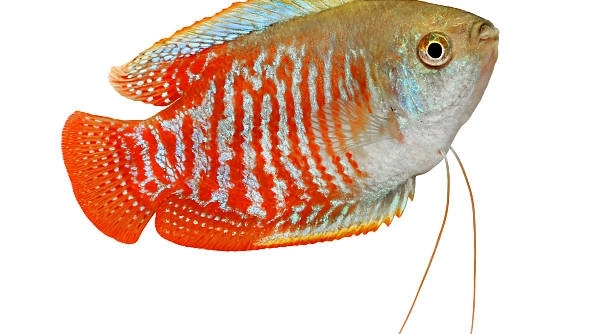
Do your gouramis sometimes act unusually when the lights in their tank turn on? Many fish owners notice sudden flaring, darting, or hiding behavior in their aquariums each morning. Observing these patterns can be both puzzling and concerning.
The primary reason gouramis act out after lights turn on is sudden environmental change. The abrupt shift from darkness to light can trigger stress responses, alter their territorial behavior, and stimulate heightened activity as they adjust to the new conditions.
Understanding this behavior helps maintain a calmer aquarium environment. Small adjustments to lighting and tank setup can make a noticeable difference in your gourami’s daily routine.
Understanding Gourami Behavior in the Morning
Gouramis are naturally sensitive to light changes, and sudden illumination can startle them. When the tank lights switch on, these fish may flare their fins, swim rapidly, or hide among plants and decorations. This response is often more noticeable in territorial gouramis, who instinctively react to perceived intrusions. Bright or intense lighting can heighten stress, while gradual light changes tend to reduce erratic activity. Observing your gourami over several mornings can reveal consistent patterns in behavior. Some gouramis may settle quickly, while others remain active or defensive for longer periods. Tank setup also influences reactions. Dense plants, caves, and floating objects provide shelter, helping fish feel secure. Adjusting feeding schedules to match light exposure can also help, as fish associate activity with meal times. Over time, creating a predictable environment helps your gourami feel more at ease, and erratic morning movements often decrease naturally as they adapt.
Gradual lighting changes and plenty of hiding spaces can significantly reduce morning stress in gouramis. Observing their behavior helps adjust the tank effectively.
Paying attention to tank conditions, light intensity, and plant placement creates a calmer habitat. Every minor adjustment can impact how your gourami reacts. By making mornings less startling, you encourage natural behavior while reducing unnecessary stress. Regular observation helps identify patterns and tweak conditions accordingly, leading to a healthier, more balanced environment for your fish. Understanding these nuances ensures that your gouramis remain comfortable and active without causing concern each time the lights come on.
Adjusting Your Tank to Reduce Stress
Small adjustments to light and tank setup can improve your gourami’s response in the morning. Gradual lighting, hiding spots, and proper water conditions reduce stress and encourage calmer behavior.
Water quality, temperature, and tank layout play a major role in your gourami’s comfort. Gouramis thrive in stable environments with minimal sudden changes. Uneven temperatures or fluctuating pH levels can make them more reactive to light shifts. Placement of plants and decorations allows fish to retreat and feel secure when startled. Adjusting lighting gradually in the morning, such as using a dimmer or leaving the light partially on before full illumination, helps them acclimate. Feeding schedules aligned with lighting also stabilize their routine, as gouramis link light with activity and mealtime. Observing interactions between multiple gouramis is important, as territorial disputes can intensify stress during bright periods. By combining environmental stability, thoughtful tank design, and predictable light exposure, you can significantly reduce erratic morning behavior. These changes support natural activity patterns and contribute to a calmer, healthier aquarium ecosystem for your fish.
Feeding and Morning Activity
Feeding your gourami shortly after lights come on can reduce stress. A consistent routine helps them associate light with a safe and predictable activity rather than sudden disturbance or threat. Timing and portion size matter for calmer behavior.
Establishing a morning feeding schedule can stabilize your gourami’s daily activity. Gouramis respond well to predictable routines, and providing food immediately after lights turn on redirects their energy from flaring or darting to eating. Overfeeding should be avoided, as leftover food can affect water quality and create additional stress. Offering small, frequent meals encourages natural foraging behavior while reducing tension among tank mates. Choosing high-quality flakes, pellets, or frozen foods ensures proper nutrition and supports overall health. Observing how your gouramis behave during feeding can also help you identify any signs of illness or aggression that may worsen with abrupt lighting changes. Consistency is key in promoting calmer mornings and healthier fish.
Morning feeding also encourages social interaction among gouramis. When mealtime is predictable, territorial disputes decrease, and fish settle more quickly. Balanced portions and regular observation further support their wellbeing.
Light Management Strategies
Gradually increasing light intensity prevents sudden stress. Using timers or dimmers creates a natural transition from darkness to full illumination in the tank, which reduces erratic behavior.
Implementing a structured lighting plan helps gouramis adjust naturally. Start with low-intensity light for the first 15–30 minutes, then gradually reach full brightness. Timers provide consistency, ensuring the tank is never abruptly bright or dark. Floating plants can diffuse light and give fish shadowed areas to retreat if they feel threatened. Avoid placing tanks in direct sunlight, which can create harsh, fluctuating lighting and trigger frantic swimming. Observing your gouramis during light transitions shows how quickly they adapt and whether further adjustments are necessary. Consistency in lighting patterns complements morning feeding schedules and tank design, reducing overall stress levels. Over time, this approach promotes calmer behavior, allowing gouramis to explore and interact naturally without sudden agitation.
Tank Environment Considerations
Providing adequate hiding spots reduces stress in gouramis. Plants, caves, and decorations allow them to feel secure when lights turn on, helping to prevent erratic movements.
Water temperature and pH stability are essential. Sudden fluctuations make fish more reactive to light, so maintaining consistent conditions supports calmer morning behavior.
Monitoring Fish Health
Behavior changes after lights come on can indicate underlying health issues. Watch for lethargy, loss of appetite, or unusual swimming patterns alongside erratic morning activity.
Regular observation and early detection help prevent serious problems. Maintaining proper water quality, balanced diet, and stress-free lighting ensures your gouramis remain healthy and active.
Gradual Acclimation Techniques
Introducing gradual light exposure over several days allows gouramis to adjust without sudden stress. Consistency in routine reinforces predictable behavior.
FAQ
Why does my gourami dart around when the lights turn on?
Gouramis are sensitive to sudden changes in their environment. When the lights switch on abruptly, it can startle them, triggering a stress response. Rapid swimming, flaring fins, or hiding are natural reactions as they assess the new conditions. Gradual lighting helps reduce this behavior over time.
Is it normal for gouramis to hide in the morning?
Yes, hiding is a common behavior. Gouramis instinctively seek shelter when they feel exposed or uncertain. Dense plants, caves, and floating decorations provide security. Over time, consistent light schedules and a stable environment help them feel safe and reduce hiding episodes.
Can lighting intensity affect my gourami’s behavior?
Absolutely. Bright or harsh lighting can increase stress, while softer or gradually increasing light encourages calm activity. Using timers or dimmers to create a smooth transition from darkness to light mimics natural conditions, helping gouramis adjust without frantic movement.
How does tank setup influence morning activity?
Tank layout plays a significant role in behavior. Open spaces without hiding spots can increase stress, while well-planted areas and decorations allow fish to retreat and feel secure. Proper tank size also matters, as overcrowding can exacerbate erratic reactions.
Does feeding time impact their response to lights?
Yes, timing meals immediately after lights come on can redirect their energy from stress to natural foraging. Regular feeding schedules create a predictable routine, reducing anxiety and encouraging calmer behavior. Overfeeding should be avoided to maintain water quality.
Can water conditions make my gourami more reactive?
Water quality, temperature, and pH stability directly affect their stress levels. Sudden changes make fish more sensitive to light. Maintaining consistent conditions supports calmer mornings and overall health. Frequent testing and adjustments help prevent fluctuations that increase reactivity.
Should I separate gouramis if they fight in the morning?
Aggression can occur, especially in territorial species. Providing multiple hiding spots and sufficient space often reduces disputes. If fights persist, consider separating individuals temporarily. Observation and environmental adjustments typically resolve conflicts without long-term separation.
Do all gourami species react the same way to lights?
No, sensitivity varies by species. Some gouramis are more skittish, while others adjust quickly. Researching the specific needs of your gourami type and replicating their natural habitat improves comfort and reduces erratic morning behavior.
How long does it take for gouramis to adjust to light changes?
Adjustment periods differ. Some gouramis calm down after a few days of gradual exposure, while others may take weeks. Consistency in lighting, feeding, and tank environment is key to establishing predictable, stress-free mornings.
Are there signs that my gourami’s behavior indicates illness rather than stress?
Erratic swimming combined with lethargy, loss of appetite, clamped fins, or discoloration can indicate illness rather than normal stress. Monitoring these symptoms and maintaining water quality allows early detection and treatment, preventing more serious health problems.
Can using a dimmer or timer really help?
Yes, using a timer or dimmer ensures lights increase gradually rather than suddenly, mimicking natural sunrise patterns. This consistency reduces morning agitation and supports calmer, more natural behavior, particularly for sensitive or territorial gouramis.
What small changes can make mornings easier for my gourami?
Adjust lighting gradually, provide hiding spots, maintain stable water conditions, and establish a predictable feeding routine. Observing behavior and making minor tweaks over time reduces stress and promotes healthier, calmer fish in the tank.
How do I know if my adjustments are working?
Watch for reduced darting, less hiding, and calmer swimming after lights turn on. Consistent behavior over several days indicates that your gourami is adjusting. Patience and observation are key, as each fish adapts at its own pace.
Is it better to leave lights on overnight for anxious gouramis?
No, prolonged light disrupts natural cycles and can stress fish further. Maintaining a consistent day-night schedule with gradual light transitions supports their health and reduces erratic morning activity.
Can tank mates influence morning behavior?
Yes, interactions with other fish affect stress levels. Aggressive or territorial tank mates can increase darting and hiding in the morning. Proper spacing, hiding places, and compatible species selection reduce tension and create a calmer environment.
Are floating plants beneficial for morning stress?
Floating plants provide shade and diffuse light, helping gouramis feel secure. They create soft lighting conditions and extra shelter, reducing sudden exposure and encouraging natural, relaxed activity in the tank.
Should I be concerned if my gourami flares fins frequently?
Flaring is often territorial or stress-related. Occasional displays are normal, but frequent or prolonged flaring may indicate environmental stress or conflicts. Adjusting light, tank layout, and monitoring interactions usually resolves the issue.
Does adjusting feeding type matter?
Providing high-quality flakes, pellets, or frozen foods ensures proper nutrition. Variety encourages natural foraging and reduces stress. Aligning feeding with light exposure further supports calm morning behavior and overall wellbeing.
How can I combine all these strategies effectively?
Consistency is essential. Gradual lighting, stable water conditions, proper tank setup, predictable feeding, and compatible tank mates work together to reduce morning agitation. Observing your gourami’s behavior and adjusting each factor ensures a calm and healthy environment.
Can morning stress affect long-term health?
Chronic stress can weaken the immune system, increase susceptibility to disease, and reduce lifespan. Addressing lighting, environment, feeding, and water stability helps prevent long-term health issues and supports natural behavior and wellbeing.
Is it normal for adjustments to take weeks?
Yes, each gourami adapts at its own pace. Gradual changes in lighting, routine, and environment allow fish to adjust naturally, often over several weeks. Patience ensures long-term calm and reduces erratic morning responses.
What is the most effective single change for calmer mornings?
Gradual light introduction is often the most immediate solution. Using timers, dimmers, or partially shaded lights helps gouramis transition smoothly from darkness to brightness, reducing stress and encouraging predictable morning activity.
How often should I observe morning behavior?
Daily observation for the first few weeks of changes provides insight into stress levels and adaptation. Noting patterns helps identify necessary adjustments, ensuring a healthier, calmer tank environment for your gouramis.
Can adjusting multiple factors simultaneously confuse gouramis?
It’s best to make gradual changes rather than altering everything at once. Sudden multiple adjustments can increase stress. Introduce one change at a time and monitor responses to determine effectiveness before implementing the next adjustment.
Are morning spikes in activity ever harmless?
Yes, some sudden activity is natural, especially in younger or more active gouramis. Short bursts of darting or flaring often settle once they acclimate to light and environment. Observation helps differentiate between normal energy and stress-induced behavior.
Do nighttime conditions influence morning behavior?
Proper dark periods are critical. Gouramis need consistent night cycles to rest. Disrupted or overly bright nighttime conditions can make them more reactive in the morning, so maintaining natural day-night rhythms supports calm behavior.
What is the best combination of strategies for long-term stability?
Gradual light transitions, consistent feeding routines, stable water quality, sufficient hiding places, compatible tank mates, and careful observation form a comprehensive approach. Implementing these strategies steadily ensures your gouramis remain calm, healthy, and active with minimal stress during morning hours.
Can stress reduction strategies prevent illness?
Reducing stress strengthens immune response and overall wellbeing. Calm mornings, stable water conditions, and predictable routines lower the risk of disease, supporting healthier, longer-living gouramis.
Is it necessary to consult a vet for morning behavior issues?
Only if unusual signs persist alongside stress responses, such as illness symptoms or extreme aggression. Most light-related behaviors can be managed with environmental adjustments. Professional guidance is useful when health concerns arise.
How important is patience in managing morning behavior?
Patience is critical. Gradual changes, consistent routines, and careful observation take time. Rushing adjustments can increase stress. Allowing gouramis to adapt naturally ensures long-term calm and healthier behavior.
Do gouramis ever stop reacting to light completely?
Reactions may never disappear entirely, but proper management reduces intensity and frequency. Calm mornings become the norm with gradual lighting, stable conditions, and consistent routines. Minor activity spikes are normal and indicate healthy alertness.
Can adjusting tank location help?
Yes, placing the tank away from direct sunlight or high-traffic areas reduces sudden light and noise disturbances. A stable, quiet location minimizes stress and supports calmer morning behavior consistently.
How long before I see improvements after implementing strategies?
Some improvements can appear within days, but full adaptation usually takes weeks. Consistency in lighting, feeding, and tank conditions is key. Monitoring daily allows fine-tuning for the best long-term results.
Is it ever too late to correct morning stress behavior?
No, adjustments can be made at any stage. Even long-term patterns can improve with consistent lighting, stable water, hiding spots, and predictable feeding. Gradual changes are effective regardless of previous behavior history.
How do I balance light exposure for multiple fish species?
Consider the most sensitive species in the tank. Use gradual lighting, shaded areas, and consistent schedules to accommodate all inhabitants. Observation ensures no fish are excessively stressed by light transitions.
Do seasonal changes affect morning behavior?
Yes, natural light fluctuations and temperature shifts can alter responses. Adjust timers and tank conditions to maintain consistent daily patterns, ensuring calmer behavior throughout the year.
Are there any tools to help manage morning behavior?
Timers, dimmers, and floating plants are effective. Consistent use reduces abrupt environmental changes, helping gouramis adapt smoothly to daily lighting and maintaining a calm, stable aquarium.
Can stress from lights affect breeding behavior?
Excessive morning stress can delay or disrupt breeding. Reducing abrupt light changes and providing a calm environment encourages natural reproductive behavior in gouramis.
How do I know if my gourami is permanently stressed?
Persistent hiding, loss of appetite, color fading, or constant flaring indicate chronic stress. Correcting environment, light, feeding, and tank conditions usually improves behavior, preventing long-term effects.
Do tank decorations really make a difference?
Yes, hiding spots, plants, and floating cover reduce perceived exposure, making gouramis feel secure. Proper placement directly impacts morning activity, calming darting and flaring responses.
Is it safe to leave lights on for observation?
Short periods are fine, but prolonged lighting disrupts natural rhythms. Gradual, timed exposure protects health and ensures predictable, stress-free behavior in the mornings.
Can combining feeding and light adjustments improve results?
Yes, feeding immediately after gradual light introduction redirects energy from stress to natural foraging. Combining these strategies accelerates adaptation and reduces morning agitation.
How do I track progress effectively?
Keep a simple log of morning behavior, feeding, and lighting changes. Recording patterns helps identify effective adjustments and ensures gouramis remain healthy and calm over time.
Are younger gouramis more reactive?
Yes, juveniles tend to be more sensitive to sudden light changes. Providing gradual exposure, hiding spots, and consistent routines helps them adapt and reduces morning stress quickly.
Can older gouramis adapt as well as younger ones?
Older fish can adapt, though sometimes more slowly. Patience, gradual light adjustments, and stable tank conditions are key to reducing stress in mature gouramis.
Do gouramis communicate stress to each other?
Yes, erratic movements or flaring can trigger similar reactions in tank mates. Reducing environmental stressors benefits the entire community and promotes overall calm behavior.
Is it necessary to change the entire routine at once?
No, gradual, single adjustments are more effective. Introduce changes one at a time and observe responses. Sudden multiple changes can increase stress instead of reducing it.
Can stress lead to color changes?
Chronic stress may dull or fade coloration. Proper lighting, stable water, hiding spots, and consistent feeding routines help maintain vibrant, healthy colors in gouramis.
How often should I reassess strategies?
Reassess weekly or after implementing any change. Monitoring behavior ensures adaptations are effective and allows adjustments to maintain a calm, healthy environment.
Are there environmental factors outside the tank to consider?
Noise, vibrations, and room lighting can affect morning behavior. Minimizing sudden disturbances outside the tank supports calmer, more predictable activity inside the aquarium.
Do gouramis ever overreact to small changes?
Yes, sensitive or territorial individuals may respond strongly to minor environmental shifts. Gradual adjustments, hiding spots, and consistent routines help moderate overreactions and reduce stress.
Is there a way to prevent stress before it starts?
Yes, setting up the tank with gradual lighting, stable water conditions, hiding places, and predictable routines from the beginning reduces initial stress and supports natural, calm behavior.
Does stress affect growth?
Chronic stress can slow growth and weaken immune function. Maintaining calm mornings, consistent feeding, and proper tank conditions ensures healthy development in gouramis.
Can I use floating plants to simulate natural sunrise?
Yes, floating plants diffuse light and create shaded areas, mimicking gradual sunrise. This reduces sudden exposure, helping gouramis adjust calmly and maintain natural activity levels.
Do all gouramis need the same lighting adjustments?
No, species and individual sensitivity vary. Observe reactions and adjust lighting intensity, duration, and transition speed to meet each gourami’s needs for calm mornings.
Are timers better than manual control for light?
Yes, timers provide consistent, predictable transitions, preventing abrupt lighting changes. This consistency reduces stress and supports healthier morning behavior in gouramis.
Can stress affect social behavior?
Yes, stressed gouramis may become more aggressive or withdrawn. Gradual light exposure, hiding spots, and stable conditions encourage positive interactions and reduce conflict.
Is it normal for some fish to never fully calm down?
Yes, some individuals are naturally more reactive. Environmental adjustments can reduce intensity but minor activity spikes may remain as part of normal behavior.
Can I combine light and temperature adjustments?
Yes, gradual increases in light and stable temperatures together create a natural, comfortable transition for gouramis, reducing erratic morning behavior and supporting overall health.
How important is daily observation?
Daily observation helps identify patterns, stress responses, and effectiveness of adjustments. Tracking changes ensures long-term success in maintaining calm, healthy gouramis.
Do gouramis react differently on weekends or irregular schedules?
Yes, inconsistent routines can increase stress. Maintaining predictable lighting, feeding, and tank conditions every day supports calmer behavior and reduces erratic activity.
Can stress affect reproduction in gouramis?
Chronic stress can delay or inhibit breeding. Stable lighting, feeding routines, hiding spots, and low-stress environments support natural reproductive behavior.
Are there signs of successful adaptation?
Calmer swimming, less hiding, reduced flaring, and regular feeding behavior indicate successful adaptation to gradual lighting and stable tank conditions.
How long should gradual light transitions last?
Typically 15–30 minutes allows gouramis to adjust without sudden stress. Timers or dimmers help maintain this gradual increase consistently.
Can I reduce stress by changing tank location?
Yes, moving the tank away from bright sunlight, noise, or high-traffic areas minimizes sudden disturbances and supports calm morning behavior.
Do gouramis ever get used to abrupt light?
Some may adjust over time, but gradual transitions are far more effective. Sudden bright light often continues to trigger stress and erratic movements.
Is hiding behavior always stress-related?
Not always. Some hiding is natural for resting or avoiding aggression. Persistent hiding, however, often signals environmental stress that can be mitigated with proper adjustments.
Can diet affect morning activity?
Yes, proper nutrition supports overall health and reduces stress-related overactivity. Small, consistent meals after light transitions help focus energy on feeding rather than darting.
How often should I test water for optimal conditions?
Weekly testing for temperature, pH, and ammonia ensures stable conditions. Maintaining consistency prevents stress that heightens reactions to light changes.
Are some gouramis naturally more active in the morning?
Yes, individual temperament plays a role. Adjusting light, feeding, and tank conditions reduces stress but may not completely eliminate natural morning activity spikes.
Do stress-reducing strategies benefit all fish in the tank?
Yes, calmer lighting, stable conditions, and hiding spots reduce stress for all species, supporting healthier, more predictable behavior throughout the aquarium.
Is it possible to eliminate morning flaring completely?
Complete elimination is unlikely. Proper management reduces frequency and intensity, creating calm mornings while maintaining natural alert behavior.
How can I make the transition from darkness smoother?
Using timers, dimmers, and floating plants allows a gradual increase in light, mimicking natural sunrise. This supports calm, healthy behavior in gouramis and minimizes sudden stress.
Does consistent temperature support calm mornings?
Yes, stable water temperature prevents additional stress that can amplify reactions to light changes. Maintaining a consistent range is critical for predictable, calm behavior.
Can social hierarchy affect morning stress?
Yes, dominant fish may trigger flaring or hiding in others. Providing space, hiding spots, and compatible tank mates reduces conflict and promotes calm activity.
Are there long-term benefits to reducing morning stress?
Reduced stress improves immune function, behavior stability, and lifespan. Gradual light transitions, stable conditions, and predictable routines contribute to overall health and wellbeing in gouramis.
Do all gouramis respond to the same environmental adjustments?
No, individual sensitivity varies. Observe each fish’s reaction and adjust lighting, feeding, and tank conditions accordingly to ensure optimal adaptation and calm behavior.
Can I combine multiple hiding strategies?
Yes, layering plants, caves, and floating cover provides security options for all fish, reducing stress during morning light transitions and encouraging natural behavior.
Is gradual lighting alone enough to prevent stress?
Often, it significantly helps, but combining with hiding spots, stable water, feeding routines, and compatible tank mates produces the best results for calm, healthy mornings.
Do gouramis react differently in community tanks versus single-species tanks?
Yes, interactions with other species can increase or reduce stress. Proper layout, hiding spaces, and observing compatibility are essential for minimizing morning agitation.
Can small tanks increase morning stress?
Yes, limited space and fewer hiding spots make fish more reactive. Adequate tank size and thoughtful decoration reduce stress and support calmer behavior.
Are floating plants better than anchored plants for morning stress?
Floating plants diffuse light immediately and provide shade throughout the water column. They often offer more immediate relief from sudden exposure compared to anchored plants alone.
Can stress reduction strategies help with feeding behavior?
Yes, calmer environments encourage consistent, natural feeding. Predictable routines and minimal stress improve appetite and overall health.
How do I balance light for fish with different sensitivity?
Observe the most sensitive species and adjust intensity, duration, and transition speed. Provide shaded areas for those requiring softer light, ensuring all species are comfortable.
**Do gouramis respond to human activity in
Gouramis are sensitive fish that respond strongly to changes in their environment, especially light. Sudden illumination in the morning can trigger stress behaviors such as darting, fin flaring, and hiding. Understanding that this reaction is natural helps in managing your expectations and guiding how you care for them. By observing their behavior carefully, you can identify patterns and adjust conditions to create a more predictable and calming environment. This includes considering factors like tank layout, lighting schedules, feeding routines, and water quality. Each of these elements contributes to how your gourami reacts when the lights turn on.
Gradual changes are key to helping gouramis feel secure. Implementing timers, dimmers, or partially shaded lighting creates a smooth transition from darkness to light, reducing sudden stress. Providing sufficient hiding spots, including plants, caves, and floating objects, also supports their sense of security. Consistency in daily routines, particularly feeding times, further helps redirect energy toward normal activity rather than defensive or erratic behavior. Monitoring water temperature, pH, and overall tank stability is equally important. Sudden fluctuations in water conditions can amplify stress, making gouramis more reactive to light and other environmental changes.
Patience and observation are essential in maintaining a calm tank. Not all gouramis will respond the same way, and some may take longer to adjust. Gradual adjustments, combined with proper feeding, consistent lighting, and secure spaces, help reduce morning agitation and support healthier behavior. Over time, these practices encourage natural activity, improve overall wellbeing, and reduce stress-related issues that can impact health. By paying attention to their needs and making incremental improvements, you create a stable and supportive environment. Your efforts ensure that gouramis remain active, calm, and comfortable, leading to a balanced and thriving aquarium for the long term.

Hello,
If you enjoy the content that we create, please consider saying a "Thank You!" by leaving a tip.
Every little bit helps us continue crafting quality advice that supports the health, happiness, and well-being of pets around the world, for pets of all shapes, sizes, and species.
We really appreciate the kindness and support that you show us!