
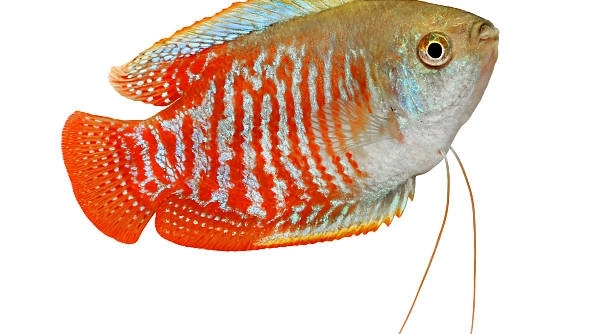
Aquarium owners sometimes notice their gourami remaining in one area for long periods, creating concern about comfort and health. This behavior can reflect environmental conditions, social stress, or natural resting habits within the tank environment.
A gourami remaining stationary commonly indicates stress, illness, or unsuitable tank parameters. Poor water quality, inadequate temperature, low oxygen levels, or aggressive tankmates can reduce activity. In some cases, prolonged stillness reflects normal resting behavior during recovery or acclimation periods.
Recognizing the underlying cause allows better care decisions and helps restore your gourami’s comfort, activity, and long-term wellbeing safely consistently.
Environmental Factors That Limit Movement
I noticed that when a gourami stays still, the tank setup is often involved. Water temperature that drifts outside the ideal range can slow movement and reduce curiosity. Poor filtration allows waste to build, which affects breathing and energy. Lighting that is too bright or left on too long can also cause withdrawal. Gouramis prefer calm spaces with gentle flow, plants, and shaded areas. Without these, they may settle into one location to conserve energy. Decorations placed poorly can block swimming paths, making the fish appear inactive. Regular testing, consistent maintenance, and thoughtful layout adjustments often lead to visible changes in behavior. Small improvements made gradually help the fish feel secure, supported, and less pressured by its surroundings. I have found patience matters, because sudden changes can increase stress, while steady routines build trust and encourage natural movement over time for aquatic species sensitive to disruption in home tanks daily.
Tank size also matters more than many realize. Limited space restricts exploration and encourages hovering behavior. A cramped environment can make a gourami choose one safe zone, especially when sharing space with active or territorial species. This pattern often appears gradually rather than suddenly and may go unnoticed at first.
Water quality plays a central role in daily activity. Elevated ammonia or nitrite levels irritate gills and discourage swimming. Even moderate nitrate buildup can lead to lethargy over time. I check parameters weekly and notice clear differences after water changes. Clean water supports oxygen exchange and stable metabolism. Temperature consistency is equally important, as fluctuations slow bodily functions. A heater that cycles incorrectly can quietly affect behavior. Maintaining balanced parameters creates conditions where movement feels safe and natural, rather than exhausting or uncomfortable for the fish over extended periods within enclosed aquarium systems that lack regular monitoring by owners consistently.
Health and Social Influences
Internal health issues can limit activity without obvious external signs. Digestive discomfort, infections, or recovery from stress may cause stillness. Reduced movement is often the body’s way of conserving energy while attempting to regain balance and stability. This can persist longer in shared tanks with frequent environmental changes and noise.
Social dynamics strongly influence where a gourami chooses to stay. When housed with dominant or fast moving fish, it may avoid open areas to reduce confrontation. I have seen peaceful tanks change quickly after adding one incompatible species. Chasing, fin nipping, or constant presence nearby creates pressure that limits exploration. Even subtle dominance can affect confidence. Gouramis benefit from clear visual barriers, plants, and defined territories. These features allow retreat without isolation. Feeding routines also shape movement. If food consistently lands in one area, the fish learns to wait there. Spreading food gently across the surface encourages swimming and engagement. Observation is essential. Watching interactions at different times of day reveals patterns that quick checks miss. Addressing social stress often restores activity without medication. Adjusting stocking levels, rearranging decor, or separating aggressive fish can bring noticeable improvement. Consistent calm conditions help the gourami feel secure enough to move freely again. Over time, stability builds predictable behavior and reduces hiding. I find patience important, since sudden corrections can increase tension. Small changes spaced apart allow the fish to adapt calmly, regain confidence, and display natural swimming patterns more reliably within community tanks that remain well managed by attentive aquarium keepers consistently.
Feeding and Resting Patterns
Feeding patterns strongly affect where a gourami spends time. When food is offered in the same spot daily, the fish learns to wait there. Overfeeding can also reduce motivation to swim, leading to longer resting periods and slower, less frequent movement overall within the aquarium during normal daily care routines.
I have noticed that irregular feeding schedules confuse gouramis and disrupt natural activity. Skipped meals followed by heavy feeding encourage hovering behavior near the surface. Floating foods consumed too quickly may cause brief bloating, which limits movement afterward. Sinking pellets left untouched can decay and affect water quality, compounding inactivity. Offering smaller portions twice daily supports steady energy levels. Rotating food types also promotes interest and gentle exploration. When feeding becomes predictable and balanced, gouramis tend to swim more evenly throughout the tank, rather than staying fixed in one location for long stretches of time during regular aquarium observation periods.
Rest cycles are another factor that often goes unnoticed. Gouramis naturally pause movement to conserve energy, especially after meals or during low lighting. These pauses become longer when the tank lacks stimulation. Limited plants, flat decor, and minimal flow reduce reasons to explore. I find that adding floating plants and gentle currents encourages brief swims between rest periods. Stable lighting schedules also help regulate activity. When rest and movement remain balanced, stationary behavior appears less concerning and more like a normal part of daily rhythm within a calm aquarium environment maintained with consistent care practices by attentive owners over time.
Maintenance and Observation Habits
Tank maintenance routines influence how secure a gourami feels. Infrequent water changes allow waste to accumulate, which quietly lowers activity. Loud cleaning sessions or sudden decor removal can trigger freezing behavior. I prefer smaller, regular maintenance tasks that preserve familiarity. Gentle siphoning, matched temperature water, and stable layouts reduce stress. Consistency helps the fish remain active instead of retreating to one spot for extended periods within its established environment over time with repeated exposure cycles.
Observation habits make a difference when assessing stillness. Brief glances can misrepresent normal behavior, while longer viewing reveals patterns. I sit quietly and watch how the gourami responds to feeding, lighting shifts, and tankmates. Movement often increases during calm periods when external noise drops. Recording changes over several days helps separate temporary rest from developing issues. Equipment should also be checked regularly. Weak heaters, clogged filters, or reduced aeration quietly affect energy levels. Addressing these details early prevents prolonged inactivity. A steady environment supported by attentive observation often restores confidence, encouraging the gourami to explore without pressure or disruption over time through consistent care and thoughtful adjustments made slowly by dedicated aquarium keepers monitoring daily conditions and responding calmly to subtle changes as needed consistently.
Sudden Changes and Adjustment Periods
Sudden changes often cause a gourami to stay frozen in one area. Large water changes, rapid temperature shifts, or rearranged decor disrupt familiarity. I have seen fish pause movement for days while adjusting, choosing one spot that feels predictable and safe during periods of environmental instability inside the home aquarium.
Recovery from illness or stress can also limit activity. Even after visible symptoms fade, energy returns slowly. I tend to allow quiet time, stable lighting, and minimal interaction. This support helps the gourami regain strength without being forced to move prematurely again within the tank environment over several calm days.
Natural Behavior and Individual Differences
Behavioral changes sometimes reflect age or personality rather than problems. Older gouramis often swim less and rest longer between short movements. Some individuals are naturally calm and prefer hovering near plants or corners. I compare current behavior to past patterns instead of tankmates. Consistency matters more than activity level. If eating remains steady, colors stay clear, and breathing looks normal, reduced movement may not signal concern. Documenting small changes over weeks provides clarity. This approach prevents unnecessary interventions and helps maintain a stable routine that respects the fish’s natural pace and comfort while reducing stress for both fish and keeper.
Allowing Time Before Action
Patience plays a quiet role when addressing stationary behavior. Quick fixes often create more stress than solutions. I remind myself to observe first, adjust slowly, and allow time. Most gouramis respond best to calm consistency rather than constant interference within their familiar environment supported by steady daily care routines consistently.
FAQ
Why is my gourami staying in one spot all the time?
Gouramis often remain in one location due to stress, health issues, or environmental factors. Poor water quality, temperature fluctuations, or aggressive tankmates can cause them to conserve energy. Sometimes, this is simply normal resting behavior. I watch my gourami closely to see if it’s eating, breathing normally, and showing regular color, which helps determine if the stillness is concerning. Small, consistent changes in the tank often encourage more movement without forcing the fish.
Can water conditions really affect my gourami’s activity?
Yes, water quality has a direct impact on movement. High ammonia, nitrites, or nitrates irritate gills and reduce energy. Temperature swings or low oxygen levels also discourage swimming. I test water weekly and adjust as needed. Even minor improvements, like adding aeration or adjusting flow, can make a big difference in encouraging the fish to explore rather than stay still.
Is it normal for a gourami to rest for long periods?
Some stillness is normal, especially after feeding or during low-light periods. Older or naturally calm gouramis rest more frequently. I compare current behavior to past patterns and other tankmates. If the fish eats regularly, maintains color, and swims occasionally, longer rests may be part of its natural rhythm rather than a sign of illness.
How can tankmates influence my gourami’s movement?
Other fish can cause stress, especially if they are fast, territorial, or aggressive. My gourami often stays in one spot to avoid confrontation. Adding plants, hiding spots, or visual barriers can reduce tension. Spacing feeding areas apart encourages exploration. Adjustments to social dynamics help the fish regain confidence gradually without forcing movement.
Can diet affect activity levels?
Yes, feeding patterns strongly influence swimming. Overfeeding or offering food in only one spot can lead to hovering. I provide smaller, balanced portions twice a day and vary food types. Floating foods encourage surface movement, while occasional sinking pellets stimulate exploration. Consistent feeding routines support energy levels and natural activity throughout the day.
What should I do if my gourami is still after an illness?
Recovery takes time. Even after visible symptoms improve, the fish may remain stationary to regain strength. I keep the environment calm, maintain stable water conditions, and avoid sudden changes. Observation is key. Gentle interaction and careful monitoring ensure the gourami can gradually return to normal swimming patterns without unnecessary stress.
How important is tank layout in movement?
Tank setup has a huge effect. Poor decoration placement, lack of plants, or minimal hiding spots can make a gourami stay in one spot. I arrange plants, rocks, and ornaments to create safe pathways and shaded areas. Gentle water flow encourages swimming. Minor layout adjustments can dramatically increase confidence and encourage more exploration over time.
How long should I wait before taking action?
Patience matters. Quick interventions can increase stress. I observe for several days while maintaining consistent water quality, feeding, and layout. Documenting changes helps differentiate normal rest from concerning inactivity. Most gouramis respond positively to calm, steady care rather than immediate, drastic measures, allowing them to move naturally again at their own pace.
Can lighting affect my gourami’s activity?
Yes, too much or too little light can influence behavior. Bright, constant lighting may cause hiding, while dim or inconsistent lighting can disrupt natural rhythms. I use a stable day-night cycle and occasionally provide floating plants to diffuse light. These small changes often encourage swimming without forcing the fish out of its preferred areas.
When should I consult a vet?
If the gourami shows unusual signs like labored breathing, faded color, loss of appetite, or sudden swelling, I contact a vet experienced with fish. Persistent inactivity combined with these symptoms usually indicates illness. Early intervention ensures better recovery and helps prevent long-term issues, especially when behavior doesn’t improve with environmental adjustments and careful observation.
Final Thoughts
Observing a gourami that remains in one spot can feel worrying at first, but understanding the reasons behind this behavior helps reduce concern. In many cases, stillness is simply a response to the environment or natural resting habits. Water quality, temperature stability, and tank layout all influence how comfortable a fish feels moving around. When these factors are consistent and appropriate, a stationary gourami may still be healthy and content. I have found that making small adjustments gradually, rather than rushing changes, tends to encourage more natural movement without causing stress. Paying attention to subtle signs like breathing patterns, color, and appetite provides a clearer picture of whether stillness is a normal part of daily behavior or a signal that something requires attention.
Feeding and social dynamics also play important roles. A gourami often hovers in one spot if food is consistently offered in the same location or if tankmates are fast-moving or aggressive. Providing multiple feeding areas, offering varied food types, and including plants or decorations for hiding spots helps encourage exploration. Even gentle water currents can motivate movement while maintaining comfort. Recovery from illness or stress is another common reason for prolonged stillness. The fish may appear inactive for several days after symptoms have faded, which is part of a normal recovery process. Creating a calm, stable environment allows the fish to regain strength at its own pace without feeling pressured to move before it is ready. Consistency in care routines, such as regular water testing, feeding, and observing behavior, is often more effective than attempting immediate interventions.
Ultimately, patience and observation are key to understanding a gourami’s behavior. Each fish has its own personality, energy level, and resting pattern, which means some may naturally remain in one area more than others. By documenting behavior over time, noting any changes in appetite, breathing, or color, and maintaining stable environmental conditions, it becomes easier to distinguish normal rest from potential health concerns. Providing a comfortable, well-structured tank encourages natural swimming while still allowing quiet periods of rest. I have learned that small, thoughtful adjustments in care and layout can significantly improve activity levels without causing unnecessary stress. Keeping routines steady and observing changes carefully ensures the gourami’s long-term health and comfort, helping it thrive while allowing the keeper to feel confident in their care practices.

Hello,
If you enjoy the content that we create, please consider saying a "Thank You!" by leaving a tip.
Every little bit helps us continue crafting quality advice that supports the health, happiness, and well-being of pets around the world, for pets of all shapes, sizes, and species.
We really appreciate the kindness and support that you show us!