
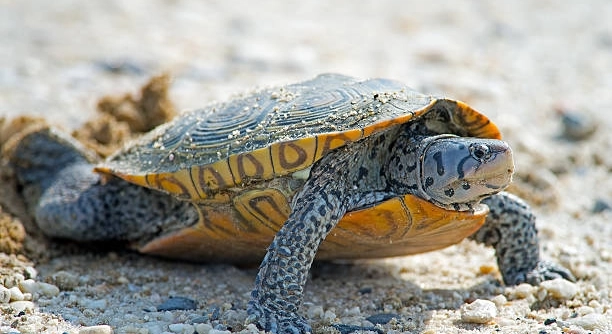
Diamondback terrapins are fascinating creatures, and observing their behavior can help you understand their needs. If your terrapin is digging near its nesting box, it may be trying to communicate something important about its environment or behavior.
The most common reason for digging behavior near a nesting box is related to nesting instincts. Female terrapins often dig to create a suitable space for laying eggs, as they instinctively seek out a proper spot for egg deposition.
Understanding the reasons behind this behavior can help you improve your terrapin’s habitat and ensure it thrives. Keep reading to learn more.
Why Your Diamondback Terrapin Is Digging Near Its Nesting Box
Terrapins are natural diggers, and this behavior is typically linked to their nesting habits. When they dig near their nesting box, it’s often an attempt to create a proper space for laying eggs. Female terrapins instinctively search for a secure area where they can deposit their eggs safely. This behavior is entirely natural, especially during breeding season.
The digging also helps them regulate the temperature of the area where the eggs will be laid. Terrapins need the right environmental conditions for successful egg incubation. By digging, they create a more suitable environment for their reproductive process. This could explain why your terrapin seems fixated on that particular spot.
If the box isn’t up to par in terms of nesting, your terrapin might continue digging in search of a better place. Sometimes, adjusting the depth of the substrate in the box or even adding extra materials can help provide a more comfortable nesting area for your terrapin.
How to Create a Better Nesting Area for Your Terrapin
A proper nesting area should offer some privacy and comfort for your terrapin. If the box seems inadequate, adding more substrate like sand or soil can make a significant difference. This will help the terrapin dig without feeling limited.
For optimal egg-laying conditions, ensure the temperature in the box is right. Female terrapins are sensitive to temperature changes, and the wrong conditions can affect egg development.
The quality of the nesting environment can also impact the frequency and intensity of the digging. Make sure the substrate is deep enough for them to dig and that the box is large enough for them to feel secure. This will help encourage proper nesting behavior and reduce unnecessary digging.
Signs of Stress or Discomfort
Sometimes, digging behavior can be a sign that your terrapin is stressed or uncomfortable. If the nesting box doesn’t feel like a secure space, it may lead to digging in an attempt to make it more suitable. Stress factors, such as improper lighting or inadequate space, can contribute to this behavior.
In some cases, terrapins dig excessively because they are not getting the right amount of physical or mental stimulation. If they feel trapped or unfulfilled in their environment, they may resort to digging as a way to release pent-up energy. Providing a larger tank, more hiding spaces, or enriching activities can help alleviate stress and reduce the urge to dig.
If the stress continues, it could also affect your terrapin’s health. Continuous digging, combined with other signs of distress, may indicate that there’s an environmental issue that needs addressing. Being observant and adjusting their habitat accordingly can make a significant difference.
Territorial Behavior in Female Terrapins
Female diamondback terrapins may dig near their nesting box as part of a territorial behavior. They are instinctively protecting the area they’ve chosen for laying eggs. If there are other animals around, your terrapin may dig more frequently to defend her space. This is a natural reaction to protect her future offspring.
Terrapins, like many reptiles, are territorial creatures. When they feel that their chosen nesting site is being threatened, they might dig to reinforce the area as their own. This behavior is particularly evident if there are other terrapins or animals in the vicinity that might challenge their space. You may notice increased digging if another female is nearby or if there are disruptions in their environment. Creating a more secure, isolated space for your terrapin can reduce this territorial digging behavior.
Proper Substrate for Nesting
The substrate in the nesting box plays a big role in your terrapin’s digging behavior. If it’s too hard or not deep enough, your terrapin will struggle to create a suitable area for laying eggs. Soft, sandy soil works best for this.
To ensure proper egg-laying conditions, it’s important to provide the right type of substrate. A mix of sand, soil, and organic material provides a comfortable environment for your terrapin to dig. Make sure the substrate is deep enough to allow your terrapin to dig and bury eggs without limitations.
Temperature and Humidity Considerations
Temperature and humidity levels are crucial for your terrapin’s well-being, especially during the nesting season. If these conditions aren’t optimal, your terrapin may engage in more digging as a response. Terrapins need a consistent temperature range, and humidity should be maintained in their enclosure.
The right temperature helps regulate their behavior. A temperature that’s too high or too low can cause stress, leading to excessive digging. Humidity is also important during nesting. Make sure the tank’s humidity level is ideal for your terrapin. Maintaining these factors helps reduce stress and unnecessary digging.
FAQ
Why does my terrapin dig in the same spot?
Terrapins often dig in the same spot because they are trying to create a safe and suitable nesting area. This behavior is particularly common in females during breeding season. They instinctively look for a secure space to lay their eggs. If the environment isn’t ideal, they may dig repeatedly in search of the perfect location.
How deep should the substrate be in the nesting box?
The substrate should be at least 6 inches deep to allow the terrapin enough space to dig properly. Female terrapins need enough room to bury their eggs comfortably. The deeper the substrate, the better it will mimic their natural environment, where they would dig in search of an appropriate spot to lay eggs.
Can too much digging hurt my terrapin?
Excessive digging can cause stress if it leads to a lack of rest or becomes repetitive. However, in most cases, digging is a natural behavior, especially during nesting season. If it seems excessive and the terrapin is not settling, it may indicate an environmental issue, like improper temperature, substrate, or habitat space.
How can I tell if my terrapin is stressed?
Signs of stress in a terrapin include excessive digging, loss of appetite, lethargy, or erratic behavior. If your terrapin seems unusually restless, not eating, or hiding frequently, these can be indicators of stress. It’s important to assess the environment to identify potential causes like water quality, temperature, or overcrowding.
What should I do if my terrapin keeps digging and won’t stop?
If your terrapin keeps digging without stopping, consider adjusting its environment. Check the temperature, humidity, and substrate in the tank. Providing more space, improving lighting, or adding hiding places can help reduce stress and prevent excessive digging. If the behavior persists, a consultation with a reptile expert may be necessary.
Is it normal for terrapins to dig outside their nesting box?
It’s not uncommon for terrapins to dig outside their nesting box, especially if they are looking for a better place to lay eggs. However, digging outside the designated area can also be a sign that the nesting box isn’t comfortable or secure enough. It may be a good idea to reevaluate the box setup.
Do male terrapins dig near nesting boxes?
Male terrapins typically do not dig near nesting boxes. They do not engage in the same nesting behavior as females. However, males may exhibit digging behavior for other reasons, such as exploring their environment, searching for food, or investigating the surroundings.
What temperature is best for nesting terrapins?
Terrapins require a temperature range of 75-85°F (24-29°C) for their habitat, with a slight increase in temperature in the nesting box. Too high or too low a temperature can cause stress and may influence digging behavior. Keeping the temperature consistent is essential for maintaining a healthy environment.
Should I add water to the nesting box?
No, it is not recommended to add water to the nesting box. Terrapins need dry, soft, and sandy substrate for digging and laying eggs. Adding water to the box can make the area too wet and may cause discomfort or even harm the eggs if they are laid in a wet environment.
Can terrapins lay eggs without digging?
While terrapins generally prefer to dig when laying eggs, it is possible for them to lay eggs without much digging if they feel the substrate is adequate. However, digging is part of their natural instinct to create a suitable area for egg deposition. If they don’t dig, it may indicate that their environment is not ideal for laying eggs.
How often do terrapins need to nest?
Terrapins typically nest once a year, during the warmer months. Females will dig and lay their eggs when they feel the conditions are right. However, they may dig and explore their environment more often in preparation for nesting. The frequency of nesting can vary depending on age, health, and environmental factors.
Can I move my terrapin’s eggs after they’re laid?
It is not recommended to move terrapin eggs unless absolutely necessary. Terrapins are highly sensitive to environmental conditions, and disturbing their eggs can affect their development. If you must move the eggs, do so carefully, maintaining their original orientation and placing them in a similar environment with the right temperature and humidity.
Final Thoughts
Diamondback terrapins are fascinating creatures with natural behaviors, and digging near their nesting box is one of the ways they express themselves. While it can seem like a problem, it’s often a sign of their instinct to create a safe environment for laying eggs. The more you understand their natural behaviors, the easier it is to address the issues that might come up. Ensuring the right habitat, including proper temperature, humidity, and substrate, can make a big difference in reducing unnecessary digging.
If your terrapin continues to dig excessively, it’s important to check for any environmental factors that may be causing stress. Stress can be triggered by a variety of factors, such as improper substrate, overcrowded tanks, or even improper lighting. A well-balanced environment is key to maintaining your terrapin’s health and happiness. Sometimes, making small changes can have a big impact on reducing unwanted digging behavior. Observing your terrapin’s actions and making adjustments when needed can keep things running smoothly.
Lastly, remember that digging is a natural behavior for terrapins, especially when they are preparing for nesting. As long as the digging isn’t excessive to the point of causing harm or stress, it’s generally harmless. It’s important to be patient and provide a proper setup where your terrapin can feel secure and comfortable. Understanding their needs and addressing any concerns early on ensures that your terrapin remains healthy, happy, and stress-free.

Hello,
If you enjoy the content that we create, please consider saying a "Thank You!" by leaving a tip.
Every little bit helps us continue crafting quality advice that supports the health, happiness, and well-being of pets around the world, for pets of all shapes, sizes, and species.
We really appreciate the kindness and support that you show us!