
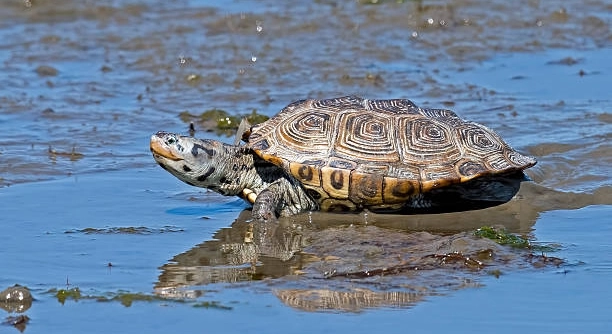
Diamondback terrapins are fascinating creatures, and keeping them active during the cooler months can be a challenge. With the right approach, however, you can ensure they remain engaged and healthy throughout the seasonal changes.
To keep diamondback terrapins active in cooler months, it is crucial to maintain a warm environment, provide ample food, and stimulate their natural behaviors. Utilizing heat lamps, creating hiding spots, and offering enrichment activities can help mimic their natural habitat and keep them active.
These tips can help your terrapins stay engaged and healthy during the colder months. Keeping them active can lead to improved health and behavior.
Create a Warm Environment for Your Terrapins
Keeping your diamondback terrapin warm during colder months is essential for their activity level. Invest in a reliable heat source, such as a heat lamp or an under-tank heater. Place these in a way that allows your terrapin to regulate its temperature, offering both warm and cooler areas. The ideal temperature range for these terrapins is between 75°F to 85°F. Additionally, make sure the water temperature is also regulated to prevent your terrapin from becoming too lethargic.
A well-maintained basking area is crucial for your terrapins. Ensure it’s positioned where the heat lamp can provide the warmth they need. This setup encourages them to move around and maintain their natural behaviors, helping them stay active during cooler weather.
Maintaining the correct water and ambient temperature is vital to your terrapin’s health. Without sufficient heat, they might not have enough energy to move around as much, which can lead to inactivity. Consistent warmth also promotes better digestion and overall vitality for your pet.
Provide a Balanced Diet
Providing a balanced diet is key for keeping your diamondback terrapin active. A mix of aquatic plants, protein-rich foods, and occasional treats can keep them engaged and healthy.
High-protein food like small fish, worms, or insects encourages activity by stimulating their natural hunting behaviors. Offering variety also helps prevent boredom, which can lead to inactivity. Just make sure not to overfeed, as it can cause lethargy.
Varying their food can stimulate your terrapin’s natural curiosity, keeping them engaged and more likely to remain active.
Use Enrichment Activities to Stimulate Movement
Enrichment activities can help keep your diamondback terrapin active and mentally stimulated. Consider using floating platforms, ramps, or toys that encourage them to move around. These objects provide a change in their environment, prompting curiosity and activity.
For example, adding a water current can encourage your terrapin to swim more. You can also place food in hard-to-reach spots, so they have to explore to find it. Creating a dynamic habitat with various textures, plants, and hiding spots also helps keep them from becoming bored and encourages natural behaviors like foraging.
These activities mimic their natural environment and motivate your terrapins to stay active. Keeping their habitat interesting will lead to happier, healthier terrapins who are less likely to slow down during the colder months.
Keep Them Hydrated
Hydration plays a key role in keeping your diamondback terrapin active. It’s essential that your terrapin has access to clean, fresh water at all times. Not only does it keep them hydrated, but it also helps regulate their metabolism, keeping them energized.
Water should be filtered to ensure it’s free from contaminants. In addition to drinking water, your terrapin may enjoy soaking in it. This can promote both activity and proper digestion. Changing the water regularly is also crucial to maintain a clean environment, which can further prevent lethargy.
A clean and hydrated terrapin is more likely to stay active, as dehydration can cause them to become sluggish. So, pay attention to their water quality and ensure they always have access to fresh water, especially during colder months.
Provide Hiding Spots
Adding hiding spots to your terrapin’s habitat can encourage natural behaviors and keep them active. Terrapins enjoy having places to retreat to when they feel stressed or need privacy.
These spots also provide them with a sense of security, which can reduce stress and promote overall activity. You can use rocks, logs, or aquatic plants as hiding places. Terrapins will explore and interact with these spaces, which can help keep them engaged.
Use UVB Lighting
UVB lighting is essential for your diamondback terrapin’s health and activity. This light helps them produce vitamin D3, which is necessary for calcium absorption and strong bones.
Proper UVB lighting encourages basking, helping them stay active during the cooler months. Without UVB, they can become weak and lethargic, making them less likely to move around. Ensure that the lighting is positioned correctly to mimic natural sunlight and change the bulbs regularly for optimal effectiveness.
Set Up a Swim Area
Having a designated swimming area in your terrapin’s habitat encourages more movement and exercise. Terrapins are naturally active swimmers, and they need space to swim freely.
Make sure the swim area is large enough for them to move around comfortably. You can create varying depths to mimic their natural environment. The more space they have, the more they’ll swim, which helps keep them physically active and healthy.
FAQ
How do I know if my diamondback terrapin is too cold?
If your terrapin is too cold, it may become sluggish and inactive. You’ll notice it spending more time at the bottom of the tank, or not basking under the heat lamp. A lack of movement and reduced feeding habits are also signs that the temperature needs adjustment. Keep an eye on their behavior, and if it seems off, check the tank’s temperature. Terrapins thrive when the water temperature stays between 75°F and 85°F.
What can I do if my terrapin isn’t eating during the cooler months?
If your terrapin isn’t eating, the colder temperature could be a factor. When the water gets too cold, their metabolism slows down, leading to a reduced appetite. Try adjusting the water and basking temperatures. Additionally, make sure you’re offering food they find appealing, like worms or small fish. If they still refuse food, consider reducing the amount of light or heat, as they might be less active and in need of a rest period.
Can I keep my terrapin in a smaller tank during the winter?
A smaller tank can make it easier to maintain heat, but it’s not ideal for long-term use. Your terrapin needs enough space to swim, forage, and engage in natural behaviors. A cramped environment can lead to stress and inactivity, even during colder months. It’s better to adjust the tank temperature and humidity rather than reduce space, as long as the tank can be adequately heated.
How can I create a more stimulating environment for my terrapin?
You can create a more stimulating environment by adding rocks, plants, and platforms to encourage exploration and movement. Floating toys or food placed in hard-to-reach areas will prompt them to swim and dive. Enrichment is key to preventing boredom, so regularly changing the layout or adding new objects will keep your terrapin engaged. Additionally, ensuring the tank mimics its natural environment with proper basking and hiding areas will encourage them to stay active.
Can I use a regular heat lamp for my terrapin?
A regular heat lamp can work, but it’s best to use one specifically designed for reptiles. These lamps offer the right spectrum of heat and UV light for your terrapin’s needs. A heat lamp not only warms the tank but also provides necessary UVB light for vitamin D3 production. Regular household lamps do not provide the UVB spectrum required for your terrapin’s health. Check that the lamp is positioned correctly to allow basking at the proper temperature.
Do diamondback terrapins need UVB light in the winter?
Yes, your terrapin still needs UVB light during the winter months. UVB helps them synthesize vitamin D3, which is crucial for bone health and overall activity. Without UVB light, your terrapin may develop health issues like soft shell or weak bones. Use a UVB bulb designed for reptiles and make sure it’s positioned near the basking area. Change the bulb every 6-12 months to ensure it remains effective.
Can I give my terrapin vegetables during the cooler months?
Yes, vegetables can be part of a balanced diet for your terrapin, even during cooler months. Offer a variety of leafy greens like kale, collard greens, and dandelion greens. Avoid vegetables that are high in oxalates, such as spinach, as they can interfere with calcium absorption. You can also feed occasional treats like aquatic plants, which will encourage your terrapin to forage. A varied diet helps keep them active and healthy during colder months.
How do I prevent my terrapin from becoming too inactive in winter?
To prevent inactivity during winter, ensure that their environment remains warm and stimulating. Proper heating, along with enrichment activities like climbing ramps or food puzzles, can keep your terrapin active. Monitor their temperature and make adjustments as necessary to avoid sluggish behavior. A well-maintained tank with a mix of swimming areas, basking spots, and hiding places can help keep them moving. Regularly changing their environment will help prevent boredom and lethargy.
What type of food should I feed my terrapin during the winter?
During winter, continue offering a mix of protein and greens. Small fish, worms, and insects can help stimulate their natural hunting behavior, while leafy vegetables provide important nutrients. You can also include commercially available terrapin pellets, but make sure they are high-quality and specifically made for aquatic turtles. Ensure that the food is varied to avoid any deficiencies, and remember that overfeeding can lead to lethargy, so maintain a balanced feeding schedule.
How can I make sure my terrapin gets enough calcium in winter?
Calcium is essential for your terrapin’s shell and bone health, especially in winter when they may be less active. To ensure they get enough calcium, offer foods rich in calcium such as calcium-enriched pellets, dark leafy greens, and small fish. You can also supplement their diet with a calcium powder or cuttlebone, which they can nibble on as needed. Make sure they have access to proper UVB light, as this helps with calcium absorption.
Should I let my terrapin hibernate during the cooler months?
Diamondback terrapins do not naturally hibernate like some other turtle species, but they do experience a period of reduced activity. If your terrapin is not eating or moving much, ensure the water and basking areas are at the proper temperatures. If your terrapin is consistently inactive, consult a vet, as it may indicate a health issue rather than natural seasonal behavior. Keep an eye on their habits, and avoid forcing them into hibernation unless advised by a professional.
Final Thoughts
Keeping your diamondback terrapin active during cooler months requires a combination of proper care and attention to their environment. Providing the right temperature, UVB lighting, and space for swimming are essential factors in ensuring they stay active and healthy. During colder weather, they may naturally become less active, but with the right adjustments, you can help maintain their energy levels. Regular monitoring of water temperature, basking spots, and food will allow you to make any necessary changes that could help boost your terrapin’s activity.
By creating an environment that mimics their natural habitat, you can encourage your terrapin to swim, explore, and bask more often. Offering a variety of hiding spots, enrichment items, and stimulating activities can help prevent boredom and promote physical movement. Just like with other reptiles, providing the right balance of heat and UVB lighting is crucial for their overall well-being. Without proper care, they can become sluggish or even develop health issues, so it’s important to stay consistent with their environment.
While keeping a terrapin active during colder months may take extra effort, the benefits of a healthy, engaged pet are worth it. Small changes like adjusting temperatures, providing different food types, and ensuring they have plenty of space to move can make a big difference. With these simple strategies, you can help your diamondback terrapin thrive throughout the cooler months and beyond.

Hello,
If you enjoy the content that we create, please consider saying a "Thank You!" by leaving a tip.
Every little bit helps us continue crafting quality advice that supports the health, happiness, and well-being of pets around the world, for pets of all shapes, sizes, and species.
We really appreciate the kindness and support that you show us!