
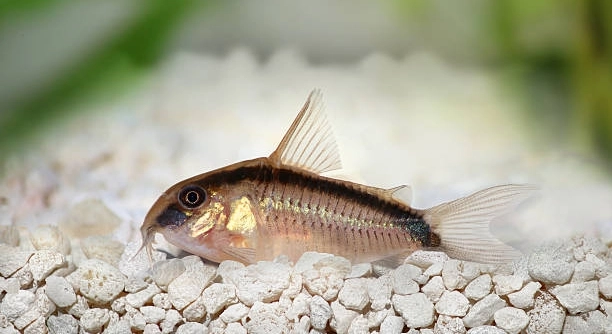
Corydoras catfish are popular aquarium pets, known for their peaceful nature and bottom-dwelling habits. However, you might notice your catfish swimming near the surface more often than usual. This behavior can be puzzling for fish owners.
The primary reason for this behavior is typically due to a lack of oxygen near the bottom of the tank. Corydoras are sensitive to low oxygen levels, prompting them to swim toward the surface in search of air.
There are various other factors that could explain why your Corydoras catfish behaves this way. Understanding these causes will help ensure your catfish stays healthy and comfortable in its environment.
Lack of Oxygen in the Tank
When there’s not enough oxygen in the tank, Corydoras catfish will swim toward the surface to gulp air. These fish are naturally adapted to take in oxygen from the water, but if the bottom of the tank becomes oxygen-deprived, they instinctively move upwards to breathe more easily. Low oxygen levels are often caused by poor water circulation, excessive waste buildup, or insufficient aeration. If you notice your catfish swimming near the top, it’s essential to check the oxygen levels in your tank.
A simple solution to this issue is adding a sponge filter or air stone to increase oxygen flow. Proper filtration is also important in maintaining healthy water conditions.
Regular water changes and cleaning the tank can help reduce the waste buildup that might be contributing to oxygen depletion. Corydoras are sensitive to poor water quality, so ensuring a stable and clean environment will keep them healthier and more comfortable.
High Water Temperature
When the water temperature rises, the oxygen levels can decrease, leading to the same behavior. Warmer water holds less dissolved oxygen, making it harder for your Corydoras catfish to breathe properly. If the water temperature in your tank is too high, your catfish may swim towards the surface to find a more oxygen-rich area.
Keeping the water temperature stable and within the ideal range for Corydoras (around 72–78°F or 22–26°C) is important. If the water becomes too warm, it could also stress your fish, affecting their overall health. To regulate the temperature, consider using a cooling fan or adjusting the room’s temperature to create a more comfortable environment for your catfish.
Poor Water Quality
Poor water quality can affect your Corydoras catfish’s health and cause them to swim near the surface. Ammonia, nitrite, and nitrate build-up in the tank can lead to unhealthy conditions. These substances can stress your fish, making them seek cleaner, oxygenated water at the surface.
Testing water parameters regularly is crucial for maintaining a stable environment. High ammonia or nitrite levels can be toxic, while excessive nitrates can also cause discomfort to your catfish. Regular water changes and a good filtration system will help keep water quality in check. Using a reliable water test kit allows you to monitor changes in water quality and react accordingly.
Regularly removing waste and uneaten food from the tank will help reduce the risk of poor water quality. Consider adding live plants, which can help absorb excess nutrients and improve the overall health of your aquarium. Keeping your tank clean and performing regular maintenance is key to ensuring your Corydoras stays healthy.
Inadequate Tank Size
If your tank is too small for your Corydoras, they may feel cramped and stressed, causing them to swim near the surface. Overcrowding leads to limited oxygen availability and increased waste production, which can affect water quality. A larger tank gives your catfish more space to move around comfortably.
Corydoras catfish are peaceful and social fish, often kept in groups. If your tank is too small, it may be hard for them to move freely or find a suitable environment to thrive. A tank that holds at least 20 gallons is recommended for a small group of Corydoras. Ensuring the tank is spacious and properly equipped will promote better swimming patterns and help reduce stress.
Inadequate tank size not only affects your fish’s well-being but also leads to poor water conditions. More space allows better filtration and oxygen distribution. This creates a more stable and comfortable environment for your Corydoras to thrive in, keeping them swimming happily at the bottom of the tank.
Stress from Tankmates
Sometimes, stress from other tankmates can cause your Corydoras to swim near the surface. Aggressive or overly active fish can make your catfish feel unsafe, forcing them to seek out calmer areas. This is especially true if the tankmates are territorial.
If your tank includes aggressive fish, consider rearranging the layout or adding more hiding spots to provide your Corydoras with shelter. Providing them with places to retreat can help them feel secure and reduce stress. In some cases, removing overly aggressive fish might be necessary to maintain peace in the tank.
Stress can weaken your Corydoras, making them more susceptible to disease. Keeping the peace in your aquarium helps ensure the well-being of all inhabitants.
Illness or Disease
When Corydoras catfish are sick, they may seek the surface more often than usual. Illnesses like parasites or bacterial infections can affect their swimming behavior. If your catfish is constantly near the surface, it could be trying to find cleaner water or avoid discomfort.
Look for other signs of illness, such as visible spots or discoloration on their bodies. Treating the underlying issue promptly will help restore your catfish’s natural behavior. Sick fish are often lethargic and have trouble breathing, which might explain their increased surface activity. Keeping a close eye on any changes in behavior can help identify health issues early.
Overfeeding
Overfeeding can cause your Corydoras catfish to swim near the surface as they may search for uneaten food or oxygen. Excess food can increase waste levels, leading to poor water quality, which might also stress your fish.
Be mindful of how much you feed your catfish. Only offer enough food that your fish can consume in a few minutes. Overfeeding leads to water contamination, which negatively impacts both the fish and the tank environment.
FAQ
Why does my Corydoras swim at the top of the tank?
Corydoras catfish usually swim at the top of the tank to access oxygen if the water quality is poor or the oxygen levels are low. It could also be due to higher water temperatures, overcrowding, or stress caused by tankmates. Monitoring water quality, temperature, and tank size can help resolve this behavior. If the problem persists, check for illness or overfeeding, as these can also make your fish seek the surface. A lack of hiding spots and excessive aggression from other fish can also stress them out, forcing them to move closer to the top.
Can Corydoras survive without oxygen?
Corydoras catfish are adapted to low-oxygen environments and can survive in water with lower oxygen levels, but they still need some oxygen to thrive. If there’s a consistent lack of oxygen in the tank, your Corydoras may swim to the surface to gulp air. However, it’s essential to maintain a proper oxygen supply with filtration and aeration to avoid stress and ensure long-term health. Adding an air stone or improving water circulation can help boost oxygen levels.
How do I improve oxygen levels for my Corydoras?
To improve oxygen levels for your Corydoras, ensure proper water circulation using a good filter or an air pump. Regular water changes also help maintain oxygen levels and remove waste, which can deplete oxygen. Keep your tank clean and avoid overcrowding, as this limits the space and oxygen in the water. Additionally, adding live plants can help oxygenate the water by releasing oxygen during photosynthesis. Make sure the tank is well-ventilated and that no dead spots are present in the water where oxygen is stagnant.
What is the best temperature for Corydoras catfish?
Corydoras catfish thrive in water temperatures between 72°F and 78°F (22°C to 26°C). Temperatures outside this range can stress them out and affect their health. If the water temperature is too high, oxygen levels drop, making it harder for your catfish to breathe. A stable, moderate temperature range will help keep your Corydoras comfortable, active, and healthy. Consider using a reliable aquarium heater and thermometer to maintain the ideal temperature in your tank. Regularly monitor the temperature to prevent any sudden fluctuations.
How can I reduce stress for my Corydoras catfish?
Reducing stress for your Corydoras starts with ensuring a peaceful tank environment. Avoid aggressive or territorial fish, as they can intimidate your catfish. Make sure your tank is large enough, with plenty of hiding spots like caves or plants, so your Corydoras can retreat to a safe space if needed. Minimize loud noises or sudden movements around the tank, which can startle the fish. Keep the water quality high by regularly cleaning the tank and performing water changes to reduce pollutants. Finally, ensure that you’re not overfeeding your fish, as this can lead to waste buildup and poor water conditions.
Why is my Corydoras catfish always at the surface but still eating?
Even though your Corydoras is eating, spending a lot of time at the surface can indicate stress or an issue with the water quality. It’s possible that there is a low oxygen level or an issue with the tank’s filtration system, causing your fish to swim upwards. Corydoras will continue to eat if they are not too stressed or sick, but their surface behavior should be addressed. Check water parameters, such as ammonia, nitrites, and nitrates, and consider adding more aeration. If there’s an issue with the temperature, try adjusting it to the recommended range for Corydoras.
Is it okay if Corydoras swim at the top of the tank sometimes?
It’s normal for Corydoras to occasionally swim near the surface, especially when feeding or exploring. However, if this behavior becomes constant, it’s a sign that something is wrong. Factors like low oxygen levels, high water temperature, or stress from tankmates could be contributing to this behavior. While it’s okay for your catfish to briefly swim at the surface, prolonged periods can indicate underlying issues. Regularly check your water quality and temperature to ensure they’re within the ideal range for Corydoras.
Can overfeeding cause Corydoras to swim at the surface?
Yes, overfeeding can cause Corydoras to swim near the surface. When you overfeed, excess food can lead to poor water quality and an increase in toxins, such as ammonia and nitrites. These pollutants can stress your catfish, making them seek cleaner, oxygenated water at the surface. To prevent this, only feed your Corydoras as much food as they can consume in a few minutes, and remove any uneaten food to maintain a clean environment. Overfeeding can also contribute to high nutrient levels in the tank, promoting algae growth and further lowering oxygen levels.
What size tank do Corydoras need?
Corydoras are social fish and should be kept in groups. A minimum tank size of 20 gallons is recommended for a small group of Corydoras (3 to 5 fish). Larger groups may require bigger tanks to accommodate their active behavior and provide enough space for swimming. A properly sized tank not only gives your fish more room but also helps maintain better water quality by allowing for more efficient filtration and oxygen distribution. Always make sure the tank is spacious enough for your Corydoras and that it’s properly filtered and aerated.
Do Corydoras need hiding spots?
Yes, Corydoras need hiding spots in their tank to feel secure. These fish are naturally bottom-dwellers and like to have places where they can hide and retreat when feeling stressed or threatened. Adding caves, plants, or driftwood in the aquarium provides your catfish with safe spaces to rest. Without proper hiding spots, your Corydoras may feel exposed and stressed, potentially leading to unusual behavior such as swimming near the surface. Keeping the tank environment enriched with hiding places helps your catfish feel secure and thrive in the aquarium.
Final Thoughts
Understanding why your Corydoras catfish swims near the surface is important for maintaining a healthy aquarium. This behavior can be caused by several factors, including low oxygen levels, high water temperature, poor water quality, or stress from tankmates. By addressing these issues, you can help your fish feel more comfortable and prevent any long-term health problems. Regular water testing, ensuring proper filtration, and adjusting the tank’s temperature are simple steps that can go a long way in solving the issue.
If your Corydoras is swimming near the surface often, it’s crucial to consider the overall environment in the tank. Make sure there’s enough space for your fish to move around freely and that they have places to hide if they feel threatened. Overcrowding or aggressive tankmates can cause stress, pushing your catfish to the surface in search of relief. By creating a peaceful environment and providing adequate hiding spots, you can reduce stress and keep your fish happy.
While occasional surface swimming isn’t usually a cause for concern, prolonged behavior may indicate a problem that needs addressing. By staying attentive to water conditions, temperature, and fish behavior, you can keep your Corydoras catfish healthy and thriving. If the behavior persists despite making adjustments, consider seeking advice from a knowledgeable aquarium expert. Keeping your Corydoras comfortable will ensure they continue to be a joyful addition to your tank for years to come.

Hello,
If you enjoy the content that we create, please consider saying a "Thank You!" by leaving a tip.
Every little bit helps us continue crafting quality advice that supports the health, happiness, and well-being of pets around the world, for pets of all shapes, sizes, and species.
We really appreciate the kindness and support that you show us!