
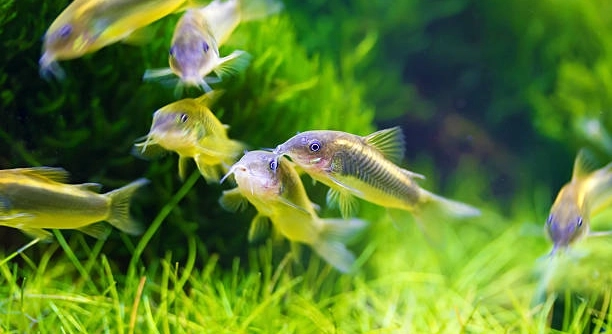
Determining the gender of your Corydoras catfish can be challenging, but understanding key differences can help. Recognizing these traits is essential for proper care, breeding, and ensuring a balanced aquarium environment.
The primary way to distinguish male from female Corydoras catfish is through differences in body shape and fin size. Males are typically slimmer, with longer, more pointed fins, while females are rounder, with shorter fins and a more pronounced belly, especially during breeding periods.
Understanding these differences allows you to make informed decisions about your fish’s care and breeding needs.
Key Differences Between Male and Female Corydoras
When trying to identify the gender of your Corydoras catfish, look at the overall body shape. Male Corydoras are generally leaner and more streamlined, whereas females are fuller and rounder, particularly when they are ready to breed. This difference in body shape is often the first sign to help you distinguish between the sexes.
Aside from body shape, males also tend to have more noticeable fins. The pectoral fins on males are longer and more pointed, while the females have shorter, more rounded fins. These subtle fin differences can become more apparent during mating or when the fish are swimming.
The size and shape of the head can also offer clues. Male Corydoras often have more triangular heads with sharper features, while females have a broader, more rounded head. As the fish age, these physical traits become more evident, making it easier to identify males and females. Knowing these distinctions helps ensure proper tank care and breeding conditions for your catfish.
Behavior of Male and Female Corydoras
In addition to physical differences, male and female Corydoras also exhibit different behaviors. During mating season, males become more active, chasing the females around the tank. This is a common display of the male’s attempt to attract the female.
Females, on the other hand, tend to be more passive and may appear slightly larger due to carrying eggs. Their behavior changes significantly when they are ready to spawn. They will often hide or look for the ideal spot to lay eggs, while the males continue to court them actively. These behaviors are crucial for ensuring a healthy breeding process.
Understanding these behavioral patterns can help you better care for your Corydoras catfish, especially when preparing for breeding. The differences in activity and interactions also offer a glimpse into the health and well-being of the fish.
Size Differences Between Male and Female Corydoras
Males are generally smaller than females. While both sexes grow to similar sizes, females typically grow larger and more robust, especially when they are carrying eggs. This size difference becomes more noticeable as the fish mature.
Females will often have a rounder belly, especially when they are about to breed. Males may appear more elongated and thinner in comparison. These size differences are one of the easiest ways to identify the sex of your Corydoras catfish without needing to look closely at their fins or behavior.
It’s also important to note that female Corydoras often take up more space in the aquarium, especially when gravid. This means they might appear bulkier, which can lead to the assumption that they are simply healthier. However, their larger size is typically linked to egg production.
Fin Differences
Male Corydoras have noticeably longer, more pointed fins. This is particularly visible in the pectoral fins, which are elongated in males. These fins help them move swiftly during courtship displays.
The female Corydoras, on the other hand, has shorter, more rounded fins. The difference in fin length is often more prominent when the fish are active. During breeding periods, the males’ fins are a clear indicator of their sex.
Both male and female Corydoras have well-developed fins that allow for agile swimming. However, it is the males’ distinctive fin shape and size that make it easier to identify them in a tank setting. These characteristics can be helpful, especially when trying to pair fish for breeding.
Body Shape Differences
Male Corydoras are typically slimmer, with a more streamlined appearance. This sleekness is especially noticeable when they are swimming or courting females. Their body shape helps them move quickly and efficiently.
Females, in contrast, are fuller and rounder. The extra weight is due to the eggs they carry. This difference becomes especially obvious during the breeding season.
Behavior During Mating
Male Corydoras are more active during mating seasons, often chasing the females around the tank. Their behavior becomes more aggressive as they try to impress the females. They may also exhibit flaring fins.
Females are usually more passive, waiting for the males to court them. When ready to spawn, they will seek out a safe place to lay their eggs, with the males following closely behind.
FAQ
How can I tell if my Corydoras is male or female without looking at their fins?
Apart from the differences in fins, males and females also show noticeable variations in body shape. Males are generally slimmer, with a more elongated body, while females are rounder and bulkier, particularly when they are carrying eggs. These body shape differences are especially noticeable when the fish are mature and ready to spawn. Another way to distinguish them is by observing their behavior—males tend to be more active during courtship and chase after the females, while females are often more passive.
What are the easiest ways to differentiate a male and female Corydoras?
The simplest way to differentiate the sexes is by examining the body shape and size. Males are slimmer and more elongated, while females are rounder, especially when carrying eggs. Additionally, males usually have longer, more pointed fins compared to the shorter, more rounded fins of females. The difference in size is most noticeable during breeding seasons when females are filled with eggs.
Do Corydoras males show any unique behavior during breeding?
Yes, male Corydoras exhibit more active behavior during breeding seasons. They will chase the females around the tank and engage in courtship displays. Males often try to get the attention of females by swimming close and flaring their fins. This active behavior helps males compete for the female’s attention and can be quite noticeable during the mating period.
Are male Corydoras more colorful than females?
Male Corydoras are sometimes slightly more colorful, but this is not always the case. In general, their fins may appear brighter or more pronounced, especially during courtship. However, females can also show vibrant colors, particularly when they are carrying eggs. The color difference is subtle and not a reliable way to differentiate the sexes.
Can male and female Corydoras live together in the same tank?
Yes, male and female Corydoras can live together peacefully in the same tank. They are peaceful and social fish that get along with each other as well as with other species. However, it’s best to keep a balanced ratio of males to females, especially if you want to encourage breeding. A single male with multiple females is ideal for breeding purposes.
What size should my Corydoras be before I can determine their sex?
You can usually start noticing the differences between male and female Corydoras once they are around 1.5 to 2 inches long. At this size, the body shapes and fin differences become more obvious. For more accurate identification, the fish should be fully mature, which typically occurs at around 3 inches in length. At this stage, both the size and shape differences will be clear.
How can I tell if my female Corydoras is pregnant?
Female Corydoras can appear visibly rounder when they are gravid, meaning they are carrying eggs. This is especially evident in the abdomen area. When a female is ready to lay eggs, her belly will look noticeably swollen. You may also notice her seeking out a suitable place to lay her eggs, and she will often spend more time near the bottom of the tank.
Do Corydoras breed easily in captivity?
Corydoras are relatively easy to breed in captivity, provided the conditions are right. You need a well-maintained tank with clean water and the proper temperature range. Males and females will naturally engage in courtship behavior, and once the female is ready, she will lay her eggs in a safe area. To ensure successful breeding, make sure to maintain a balanced male-to-female ratio and provide the right environment.
How many eggs does a female Corydoras lay?
A female Corydoras can lay anywhere from 20 to 100 eggs at a time, depending on her size and health. Typically, she will lay the eggs in small clusters on flat surfaces, such as rocks or the glass of the tank. The eggs are usually fertilized by the male during the courtship, and after a few days, they will hatch into tiny fry.
Can Corydoras live without a mate?
Yes, Corydoras can live without a mate, but they are social fish and do better when kept in groups. If you want to encourage breeding, it’s essential to have both males and females in the tank. However, even without a mate, Corydoras will still enjoy the company of other fish, and they are peaceful creatures by nature.
How long does it take for Corydoras eggs to hatch?
Corydoras eggs typically hatch in 3 to 5 days, depending on the temperature of the water. Warmer water speeds up the hatching process, while cooler temperatures can delay it. After hatching, the fry will start to swim and look for food within a few days. It’s important to ensure that the fry are provided with the appropriate food and a safe environment to grow.
Do Corydoras males care for the eggs or fry?
No, male Corydoras do not take part in caring for the eggs or fry. Once the eggs are fertilized, the female typically takes the lead in laying them in safe spots. After hatching, the fry are left to fend for themselves. However, the presence of both male and female Corydoras can help ensure that the eggs are fertilized properly.
What are some common signs that my Corydoras is unhealthy?
Signs of an unhealthy Corydoras include loss of appetite, sluggish swimming, abnormal behavior, and visible damage to the fins or body. If the fish is rubbing against objects in the tank or showing signs of distress, it may be dealing with a skin infection or parasites. Make sure the water quality is optimal and consult a veterinarian if symptoms persist.
Final Thoughts
Understanding the differences between male and female Corydoras catfish can help you create a more suitable environment for your fish, whether you’re looking to breed them or simply care for them properly. Recognizing their size, shape, and behavioral differences provides a clearer picture of how to care for each sex in a community tank. Female Corydoras tend to be rounder and bulkier, while males are slimmer and more active, especially during breeding periods. These differences are not just visual; they also affect how the fish behave and interact with each other.
In addition to size and shape, the differences in their fins and body structure make it easier to identify each sex. Males often have longer, more pointed fins, while females’ fins are shorter and rounder. The behavior of Corydoras during mating season is another indicator—males actively chase the females and exhibit courtship behaviors. These signs can help you determine if your fish are ready to breed or if they need any adjustments in care. Observing these traits is crucial if you want to maintain a balanced tank and support breeding efforts.
Lastly, while sex differences are essential to know, they shouldn’t be the sole focus of Corydoras care. These fish thrive in well-maintained tanks with good water quality, proper food, and enough space to move around. Whether you have males, females, or both, the key to keeping your Corydoras happy is ensuring they are in a stress-free environment. By paying attention to their physical and behavioral signs, you can provide better care for your fish, contributing to their long-term health and well-being.

Hello,
If you enjoy the content that we create, please consider saying a "Thank You!" by leaving a tip.
Every little bit helps us continue crafting quality advice that supports the health, happiness, and well-being of pets around the world, for pets of all shapes, sizes, and species.
We really appreciate the kindness and support that you show us!