
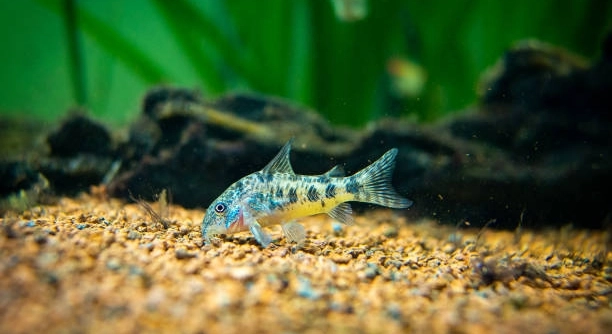
Corydoras catfish are popular aquarium fish known for their peaceful nature and helpful behavior in keeping tanks clean. However, they are also susceptible to various health issues, including parasites. Spotting these early can make a big difference.
Parasites in Corydoras catfish can be identified by observing unusual behavior, poor physical condition, or abnormal markings. Symptoms like lethargy, scratching against objects, and changes in appetite or appearance can indicate an infection. Immediate action is necessary for treatment.
Recognizing these symptoms will help you take the necessary steps to improve your catfish’s health. Keeping an eye on your fish’s behavior and appearance is key to ensuring they stay happy and active.
Signs of Parasites in Corydoras Catfish
Parasites can affect Corydoras catfish in several ways, often leading to noticeable changes in behavior and physical appearance. You may notice your catfish scratching against objects in the tank, which is a common sign of irritation caused by parasites. They may also become lethargic, swimming less or staying in one spot for extended periods. Other symptoms include reduced appetite, cloudy eyes, or an unusual loss of coloration. These signs often signal that something is wrong, and parasites are the most likely cause. Keeping your catfish’s environment clean is crucial to preventing such issues, but once parasites are suspected, action must be taken immediately to prevent further harm.
Identifying symptoms early can help prevent serious damage to your fish. Treatment becomes more effective the sooner you begin addressing the issue.
Parasites can be contracted from various sources, including other fish, live plants, or even unclean water. A stressed fish is more likely to develop parasitic infections, so maintaining good water quality and a balanced environment is important for their overall health. For instance, sudden changes in water temperature or overpopulation can make your fish more vulnerable to parasites. Additionally, some parasites can be difficult to spot without close inspection, so it’s important to regularly check your fish for any subtle changes. If you notice any of the above symptoms, it’s best to isolate the affected fish and begin treatment.
How to Treat Parasites in Corydoras
Once parasites are suspected, it’s crucial to treat the affected fish promptly. Start by removing the infected fish from the main tank to avoid spreading the parasites.
Treatments for parasitic infections typically involve medicating the water with specific treatments designed for the type of parasite involved. There are many available products, such as copper-based treatments or formalin, that are effective in eliminating common parasites. Be sure to follow the instructions carefully, as improper use can harm your fish or disrupt the tank’s ecosystem. Keep a close eye on water quality during this time, as medications can alter parameters. Additionally, a quarantine tank may be helpful for isolating the sick fish until they recover.
As parasites often spread quickly, it’s also essential to treat all other fish in the tank to prevent reinfection. Regular water changes, proper filtration, and consistent temperature levels will help speed up recovery. Once the parasites are gone, continue monitoring your Corydoras catfish for any signs of relapse. You may also want to implement preventative measures to ensure your fish remain healthy. Keeping your aquarium clean, avoiding overfeeding, and reducing stress levels can significantly reduce the risk of future infections.
Common Parasites Affecting Corydoras Catfish
Common parasites that affect Corydoras catfish include Ich (White Spot Disease), velvet, and gill flukes. These parasites can cause a range of symptoms, from skin lesions to difficulty breathing.
Ich is one of the most noticeable, causing white cysts on the skin, fins, and gills. Velvet, on the other hand, causes a golden or dusty film to appear on the skin. Gill flukes can cause rapid gill movement and labored breathing. Each parasite requires specific treatment, so it’s important to identify the type correctly. If left untreated, parasites can severely harm your catfish, making early detection crucial.
The best way to prevent these parasites is by keeping the tank clean and maintaining stable water conditions. Regular water changes and monitoring the temperature can make a big difference. Stress from sudden changes or overcrowding can weaken your fish’s immune system, making them more vulnerable. Quarantining new fish before introducing them to your main tank can also help prevent the spread of parasites.
The Role of Water Quality in Parasite Prevention
Water quality plays a major role in preventing parasitic infections in your Corydoras catfish. Poor water conditions can weaken your fish’s immune system, leaving them more susceptible to parasites.
To maintain optimal water quality, keep an eye on ammonia, nitrite, and nitrate levels. Regular water changes are essential, as they help reduce harmful substances that accumulate in the tank. Additionally, a good filtration system will help maintain clear water and remove toxins. Keeping the tank clean by vacuuming the substrate and removing uneaten food will also help prevent parasite growth. Water temperature should also be monitored closely, as parasites thrive in certain temperature ranges. Keeping the water in the ideal range for Corydoras catfish (72°F to 78°F) will help reduce the likelihood of parasite infestations.
In addition to proper water quality, ensuring that the tank isn’t overcrowded will help reduce stress on the fish. Stress is a common factor that can make Corydoras more vulnerable to parasites. Avoid sudden changes in water temperature, and monitor for any signs of pollution. Regular testing of water parameters will help you stay on top of any potential issues before they become serious. Healthy water equals healthy fish, so don’t overlook this important factor when caring for your catfish.
Identifying Parasites Early
Early detection of parasites can make a huge difference in treating your Corydoras catfish. By observing their behavior and appearance closely, you can spot signs before the infection becomes severe.
Look for changes like rubbing against objects, rapid gill movement, or loss of color. If you spot any of these, it’s time to take action. The sooner you notice something off, the quicker you can intervene.
How to Isolate Infected Fish
Isolating sick fish is key to preventing the spread of parasites. Use a quarantine tank to separate infected Corydoras from healthy fish.
A quarantine tank allows you to treat the sick fish without putting others at risk. You should also monitor the water parameters carefully in the isolation tank. This will help ensure the infected fish remains in a stress-free environment while they recover.
Medications for Parasites
There are many medications available for treating parasites in Corydoras catfish, ranging from copper-based treatments to formalin. Each parasite requires a different approach, so it’s important to choose the right medication.
Follow the instructions on the medication carefully to avoid harming your fish or disturbing the water balance. Some treatments can affect your tank’s filter, so it’s often best to remove the filter temporarily. Make sure you monitor the water quality and temperature during this period to keep your fish safe.
FAQ
What are the most common signs that my Corydoras catfish has parasites?
Parasites can cause several visible signs in Corydoras catfish. One of the most common signs is scratching against tank objects or rubbing their body on the substrate. This is an indication of skin irritation, often caused by external parasites. Other symptoms include lethargy, loss of appetite, abnormal breathing, and the appearance of white spots on the skin (as seen with Ich). Additionally, you may notice cloudy eyes or a loss of coloration in your catfish. If you see any of these signs, it’s important to act quickly and assess the situation further.
How can I prevent parasites from affecting my Corydoras catfish?
The best way to prevent parasites is by maintaining a healthy and stable environment for your Corydoras catfish. Regular water changes and good filtration will help keep the water clean, which reduces the risk of parasitic infections. Avoid overfeeding, as leftover food can contribute to poor water quality. It’s also important to monitor your fish for signs of stress, as stressed fish are more vulnerable to parasites. Quarantining new fish before introducing them to the tank can help prevent parasites from being introduced. Regularly checking the fish for abnormalities will allow you to catch any problems early.
Can parasites be passed from one Corydoras to another?
Yes, parasites can spread from one fish to another. This is why it’s crucial to isolate any infected fish in a quarantine tank as soon as you notice symptoms. If left in the main tank, the parasite can quickly spread to other fish, especially if the conditions are favorable for the parasite to thrive. Therefore, removing and treating the infected fish immediately will help prevent an outbreak. Always treat the entire tank if you suspect that multiple fish have been infected.
Are there any treatments specifically for Corydoras catfish with parasites?
Yes, there are several treatments specifically designed to combat parasites in Corydoras catfish. Common treatments include copper-based medications, formalin, and salt baths. For Ich, medications like copper sulfate or formalin work well. For other types of parasites, such as velvet or gill flukes, there are specific treatments available. Always read the instructions carefully before applying any medication, as incorrect usage can harm your fish. It’s also important to keep in mind that some medications may affect your tank’s filtration system, so you may need to remove the filter during treatment.
How do I treat Ich in Corydoras catfish?
Ich, or White Spot Disease, is one of the most common parasitic infections in Corydoras catfish. Treatment typically involves raising the water temperature gradually to about 82°F (28°C) while using a copper-based medication or formalin. This helps speed up the parasite’s life cycle, making it easier to eliminate. It’s also essential to remove any uneaten food and perform regular water changes during treatment. Keep the fish isolated in a quarantine tank to avoid spreading the infection to other fish. The treatment can take around 7-10 days, but be sure to continue it for the full recommended period to prevent reinfection.
How can I improve the immune system of my Corydoras catfish to fight off parasites?
A strong immune system helps Corydoras catfish resist parasitic infections. To support their immune health, keep the water clean and maintain stable water parameters. This includes ensuring proper temperature, pH, ammonia, nitrite, and nitrate levels. A balanced diet rich in vitamins and nutrients also helps boost their immune system. You can supplement their food with high-quality flakes or pellets, as well as occasional live or frozen foods like brine shrimp, which provide essential nutrients. Reducing stress by avoiding overfeeding, maintaining tank size, and ensuring the fish have enough space to swim also contributes to overall health.
How do I know when to stop treatment for parasites?
When treating parasites, it’s essential to follow the recommended treatment duration, which can vary depending on the medication and type of parasite. Usually, you should continue the treatment for at least 7-10 days, even if symptoms start to improve earlier. Stopping the treatment too soon can allow the parasites to survive and return. After treatment, observe your fish closely for a few weeks to ensure no new symptoms appear. If you are unsure when to stop, it’s always a good idea to consult with a veterinarian or aquarium professional to be certain.
Can parasites harm my Corydoras catfish permanently?
If parasites are not treated promptly, they can cause long-term damage to Corydoras catfish. For instance, prolonged infections can lead to organ damage or loss of functionality, such as difficulty breathing or swimming. Severe cases can even result in death. Additionally, parasites can weaken the fish’s immune system, leaving them more vulnerable to other infections. Early treatment is essential to prevent lasting damage, but if you act quickly and correctly, your Corydoras should recover fully without permanent harm. Regular monitoring and appropriate care after the infection is crucial to ensuring your catfish stays healthy.
Final Thoughts
Parasites can be a serious issue for Corydoras catfish, but with quick identification and proper treatment, your fish can make a full recovery. Early signs such as scratching against objects, changes in behavior, or physical marks like white spots can help you spot a potential problem. It’s essential to monitor your catfish closely for any unusual behavior and act immediately if you notice anything concerning. Keeping a close eye on their appearance and habits will help you stay ahead of any issues that may arise.
Preventing parasites in the first place is always better than dealing with an outbreak. Maintaining a clean tank environment is key to keeping your Corydoras catfish healthy. Regular water changes, monitoring water parameters, and avoiding overcrowding can reduce the chances of parasites taking hold. Additionally, quarantining any new fish before adding them to your main tank can prevent the introduction of parasites. By creating a stable, low-stress environment, your Corydoras will have the best chance of staying parasite-free. Good water quality and proper tank maintenance go a long way in supporting the overall health of your fish.
If you do find yourself facing a parasitic issue, remember that prompt action is critical. Isolating infected fish and using the appropriate treatments can help eliminate the problem before it spreads to the rest of your tank. Always follow the medication instructions carefully, and be patient as treatments often take time. With proper care and attention, your Corydoras catfish can recover and return to their happy, healthy selves. Taking steps to prevent future outbreaks will also ensure that your fish remain in good health for the long term.

Hello,
If you enjoy the content that we create, please consider saying a "Thank You!" by leaving a tip.
Every little bit helps us continue crafting quality advice that supports the health, happiness, and well-being of pets around the world, for pets of all shapes, sizes, and species.
We really appreciate the kindness and support that you show us!