
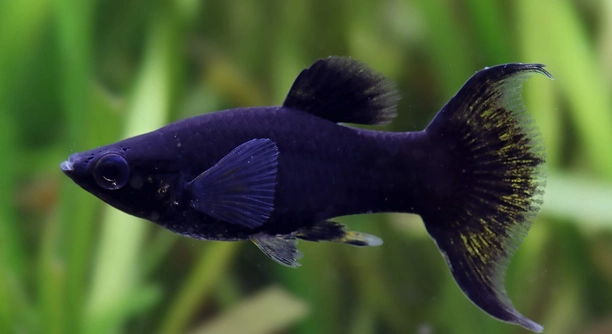
Have you ever wondered why your black molly stays tucked under plants in its tank, creating a calm hiding place that becomes part of its daily routine and influences how it interacts with its surroundings.
Black mollies often hide under plants due to stress, poor water conditions, limited space, or incompatible tank mates. These influences push them to seek shelter for safety and comfort, leading to hiding when their environment fails to support their needs.
As you explore the small habits shaping your molly’s behavior, a clearer picture of its hidden needs begins to unfold.
Common Reasons Your Molly Hides
Many black mollies hide under plants because their environment feels uncertain or overwhelming, and they use the thick leaves as a safe space. When the tank is too bright or crowded, the quiet shade under plants gives them relief from constant movement. Water that is not stable can also make them uneasy, so they retreat to a place that feels steady. Even small changes like new tank mates, shifting decor, or a noisy room can influence their need for shelter. As a woman who has spent plenty of time watching sensitive fish settle into their tanks, I find that these tiny details often shape their behavior in surprising ways. Understanding these signs helps you notice when your molly is simply resting or when it is trying to avoid stress. Paying attention to patterns like this makes it easier to respond with small adjustments that support a comfortable and peaceful routine.
Small environmental shifts can strongly influence your molly’s behavior, especially when it already feels unsure inside the tank. By keeping things stable and calm, you help reduce the need for hiding and give your fish a space where it can move with ease throughout its daily routine in the tank.
When a black molly hides regularly, it is useful to look closely at the small signals it gives. Some fish settle quickly once they feel secure, while others need a bit more time. Watching how your molly responds to light, movement, and feeding can reveal what makes it feel safe. By noticing these reactions, you can adjust the layout, brighten or dim the lighting, or create a quieter section of the tank. These gentle changes help your molly feel grounded as it explores its space, and they also allow you to understand its behavior with greater clarity each passing day.
How to Improve Its Environment
Improving water quality and managing the tank layout can guide your molly toward healthier habits. Simple steps like steady filtration, gentle lighting, and predictable feeding help reduce hiding. These changes create a calmer space that supports steady activity and encourages your molly to feel safe in its daily routine today.
A stable tank is the most helpful tool when trying to reduce hiding in a black molly, and thoughtful adjustments often make a clear difference. Start by checking the basics, since clean water, steady temperature, and gentle filtration shape how secure a fish feels in its space. When the water shifts too often or the flow is too strong, many mollies react by seeking the nearest quiet place under plants. Keeping the tank organized also helps. Plants, ornaments, and open swimming zones should feel balanced instead of crowded, since tight layouts can push a molly to retreat. Good lighting matters too, because very bright lights can make sensitive fish uneasy. A softer light encourages movement without overwhelming your molly. It also helps to pay attention to tank mates, since aggressive or fast moving species can cause stress. Choosing peaceful companions keeps the environment calm and predictable. Regular feeding at the same time each day builds trust and reduces tension around food. Small steps like these support a more relaxed routine, allowing your molly to settle in with confidence and explore its tank without relying on hiding spots. Over time, these steady improvements create a tank that feels safe, balanced, and welcoming.
Signs Your Molly Is Stressed
Stress becomes noticeable when your molly hides for long periods and avoids open swimming. You may also see changes in appetite, slower movement, or small shifts in color that suggest it feels uneasy inside the tank and needs a calmer setup.
Stress in black mollies often develops from unstable water, bright lighting, or incompatible tank mates. When these conditions pile up, the fish seeks the safest place it can find, usually under plants where the light feels softer. As a woman who has spent many hours watching fish adjust to new surroundings, I have noticed how quickly they respond to even slight changes in their environment. Recognizing early stress signals helps guide you toward simple improvements that support steadier behavior and reduce hiding.
Some mollies become stressed after sudden changes, such as new decor or a recent move to a different tank. These shifts can make them feel unsure, leading them to hide while figuring out their surroundings. Paying close attention to feeding patterns, swimming behavior, and reactions to movement helps you understand what may be overwhelming them. With consistent care and small adjustments, your molly can regain confidence and settle into a healthier routine.
When Hiding Becomes a Concern
Hiding becomes concerning when it continues for several days, especially if paired with signs like slow swimming or skipped meals. These patterns often mean the molly is struggling with discomfort inside the tank and needs the environment adjusted for better stability and comfort.
Sometimes long term hiding suggests an issue that goes beyond simple shyness. Poor water quality, low temperatures, or subtle aggression from other fish can push a molly to withdraw for extended periods. When this happens, checking the tank step by step helps reveal what is causing the discomfort. Look at the temperature, filtration, water clarity, and how other fish behave around your molly. These small observations guide you toward clearer answers. With gentle adjustments like improving water conditions, offering more balanced lighting, or removing stressful tank mates, you can support your molly in returning to normal activity and feeling more secure in its space.
Helpful Tank Adjustments
Small changes like soft lighting and steady filtration help your molly feel safer and less inclined to hide. Balanced plant placement also creates gentle shade without crowding the tank, giving your fish room to swim while still offering comfort when it needs a quiet place.
Checking the behavior of other fish can also help reduce hiding. If your molly feels pushed around or startled, even slightly, it will retreat more often. Choosing calm tank mates and keeping the environment predictable supports healthier activity and a more confident routine.
How Food and Feeding Habits Affect Behavior
Feeding plays a bigger role in your molly’s behavior than many realize. When meals are inconsistent or the diet lacks variety, the fish may feel uneasy during feeding times and hide to avoid competition. I have noticed that regular feeding schedules help fish settle their nerves and build trust in their surroundings. Offering a balanced mix of flakes, vegetables, and occasional protein helps improve energy levels and confidence. Stable feeding habits also reduce tension among tank mates, making the entire setup calmer and more comfortable.
When Lighting Needs Adjustment
Lighting that is too bright can overwhelm a sensitive molly and lead to more hiding. Softening the light or using floating plants to create gentle shade helps the fish feel more relaxed and encourages it to explore its space without hesitation.
FAQ
Why does my black molly hide even when the tank seems fine?
A molly may still hide even in a stable tank because some fish are naturally cautious. As a woman who has spent a lot of time watching mollies settle in, I have seen how personality plays a small role in how quickly they adapt. Some fish need more time to grow comfortable with their surroundings. Even when the water is clean and the lighting feels gentle, a shy molly might take longer to explore openly. Hiding becomes a way to slowly adjust to movement, sounds, and tank mates. Giving it steady care and a predictable routine helps it relax.
Is hiding normal for new mollies?
Yes, hiding is very common when a molly is new to a tank. The shift from one environment to another can make the fish feel overwhelmed, so it naturally looks for a quiet place to feel safe. Plants offer steady shade that eases the transition. With stable water, soft lighting, and gentle tank mates, most newcomers become more confident within a week. If the tank stays calm and predictable, they slowly begin to explore more openly and interact with their surroundings.
Can water temperature make my molly hide?
Water temperature strongly affects molly behavior. Temperatures that are too low or too high can create discomfort, leading the fish to hide more often. When the temperature dips, mollies may move slowly and stay under plants because it feels like the only steady place in the tank. A warmer range usually supports healthier movement and comfort. Keeping the temperature stable and checking it often helps your molly feel secure enough to swim freely.
Do tank mates influence hiding behavior?
Yes, tank mates can have a big impact. If your molly lives with fast or overly active fish, it might feel unsettled and seek shelter more often. I have seen gentle fish become nervous when placed with species that move quickly or chase without meaning harm. Even small nudges or sudden bursts of movement can lead to hiding. Choosing peaceful tank mates helps your molly feel safe and reduces any pressure it may feel inside the tank.
Why does my molly hide after feeding?
A molly may hide after feeding if the environment around the food feels stressful. When other fish rush toward the food, a sensitive molly might retreat to avoid the commotion. If the diet is not balanced or the schedule shifts too often, feeding can feel less predictable, which increases tension. Offering food in smaller portions or spreading it out helps the molly eat without feeling overwhelmed. A steady feeding routine usually eases this behavior.
Should I worry if my molly hides at night?
Hiding at night is normal. As lighting softens and the tank becomes quieter, many mollies settle into shaded spots to rest. Some prefer plants because they create a peaceful space away from minor movement. As long as your molly swims actively during the day and eats well, nighttime hiding is not a sign of a problem.
What if my molly hides all day and rarely comes out?
If the hiding lasts all day and your molly avoids activity for several days, it is worth examining the environment more closely. Sometimes the issue comes from subtle stress that is not immediately noticeable. Check the water quality, look for quiet signs of aggression, and observe how the molly reacts to light and feeding. When something feels off to the fish, hiding becomes the safest option. With steady improvements and gentle adjustments, most mollies begin to feel more comfortable.
Can too many plants make my molly hide more?
Too many plants can create tight spaces, making the fish rely on them more often. While plants offer comfort, overcrowding can limit swimming areas and make the tank feel closed in. Keeping a balanced layout helps your molly enjoy the shade without feeling forced to stay hidden. A clear path for swimming encourages more open activity.
Final Thoughts
Caring for a black molly that hides under plants can feel a little confusing at first, especially when you are trying to understand what its behavior is telling you. As a woman who has spent plenty of time observing small aquatic habits, I know how easy it is to worry when a fish seems uncertain in its space. Hiding can look mysterious, but once you understand the simple reasons behind it, the behavior becomes much easier to work with. Mollies tend to choose quiet, shaded places when something in the tank feels a little overwhelming or unfamiliar. Even when everything appears calm, a sensitive fish may still use plants as a place to settle and gather comfort. Paying attention to these patterns helps you connect the dots and understand what your molly needs to feel safe.
Small changes inside the tank often create noticeable differences in how openly your molly moves. Stable water, gentle lighting, and peaceful tank mates all contribute to a space that feels consistent and calm. When these elements line up well, your molly becomes less dependent on hiding spots and more confident exploring the open areas of the tank. I have seen how subtle adjustments can shift a fish’s comfort level quite quickly. Something as simple as rearranging plants to create a clearer swimming path or softening the brightness of the light can bring out a more relaxed and active molly. Feeding on a regular schedule and offering a balanced diet also play a part in keeping the fish comfortable. Over time, these details build a steady environment that supports healthier habits.
What matters most is recognizing that hiding is not always a sign of trouble. It is often just a response to something the fish is trying to understand. When you stay patient and observant, you can catch early signals and respond before the behavior becomes a long term pattern. Understanding the small factors that influence your molly’s choices makes it easier to create a space where it feels secure. With consistent care, gentle adjustments, and a close look at how your fish reacts to its surroundings, you can help your molly grow more comfortable and confident. As the environment becomes more balanced, the hiding usually becomes less frequent, and your molly begins to enjoy its tank with ease and trust.

Hello,
If you enjoy the content that we create, please consider saying a "Thank You!" by leaving a tip.
Every little bit helps us continue crafting quality advice that supports the health, happiness, and well-being of pets around the world, for pets of all shapes, sizes, and species.
We really appreciate the kindness and support that you show us!