
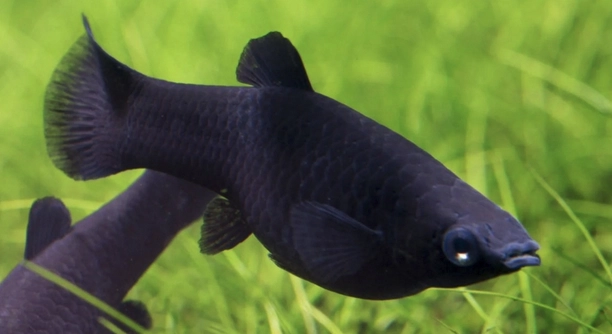
Are your Black Mollies swimming less and hiding more than usual in your tank? Minor adjustments to their environment can make a noticeable difference in their overall activity and well-being, creating a livelier aquarium atmosphere for these fish.
Small changes in tank conditions, including water flow, temperature stability, and subtle rearrangements of plants and decorations, can significantly enhance Black Molly activity. Proper maintenance and environmental optimization encourage natural behavior and improve overall health and vitality.
These minor adjustments may seem simple, but they can have a meaningful impact on your Mollies’ daily life and energy levels.
Adjust Water Flow
Black Mollies thrive when the water in their tank has a gentle, consistent current. Too strong a flow can stress them, causing them to hide or become lethargic. Adjusting the filter or adding a small sponge filter can help create the right movement. Observing your Mollies’ swimming patterns can indicate whether the flow is too strong or too weak. Incorporating live plants also helps break up currents, giving the fish areas to rest. Mollies often swim near the top of the tank, so ensuring surface movement is moderate keeps oxygen levels healthy. Regularly checking the flow and making minor adjustments can maintain a balanced environment. Over time, small tweaks in water movement result in more active and visible fish, creating a more engaging tank. This adjustment is easy to manage but can significantly enhance your Mollies’ comfort and behavior, making your aquarium more lively.
Maintaining moderate water flow encourages natural activity and prevents stress-related hiding or sluggishness in Black Mollies.
Gently rearranging decorations or adding plants can also influence swimming patterns. Mollies will explore more and remain active when currents are balanced and the tank environment feels dynamic yet safe.
Optimize Temperature and Lighting
Black Mollies prefer stable water temperatures between 74–80°F.
Keeping the tank within this range reduces stress and promotes active swimming, healthy appetite, and proper metabolism. Sudden changes in temperature or inconsistent lighting can make them less visible and more withdrawn. A reliable heater and a timer for lights ensure a stable daily rhythm. Consistent light cycles of 10–12 hours help regulate their activity patterns, simulating a natural environment. Gradually acclimating Mollies when moving them between tanks or after water changes prevents sudden shocks. Observing how they react to small adjustments in light and warmth provides insight into their comfort. Even minor temperature drops at night can affect behavior, so monitoring is key. By maintaining steady conditions, Black Mollies become more confident and active, exploring all areas of the tank instead of hiding. Proper management of these environmental factors directly supports their overall health and liveliness.
Increase Hiding Spots
Adding more plants and decorations gives Black Mollies safe spaces to retreat. Dense vegetation or small caves reduces stress and encourages them to explore more freely throughout the tank.
Providing varied hiding spots helps Mollies feel secure while still allowing open areas for swimming. Live plants like Java moss or floating plants create natural barriers and break up sightlines. Small ornaments or PVC pipes offer additional shelters that encourage exploration and prevent aggression between tank mates. Overcrowding should be avoided; too many hiding spots can reduce swimming space. Finding a balance between cover and open areas ensures Mollies stay active without feeling threatened. Regularly rotating or rearranging decorations keeps their environment stimulating, which can increase overall activity levels.
When hiding spots are well-placed, Mollies show more confident movement and interact naturally with tank mates. Proper arrangement can also enhance breeding behavior and reduce territorial disputes.
Maintain Proper Diet
Feeding Mollies a varied diet supports consistent energy levels and activity.
A combination of high-quality flakes, pellets, and occasional live or frozen foods like brine shrimp keeps their metabolism balanced. Overfeeding should be avoided, as leftover food can pollute the tank and reduce water quality, which directly impacts behavior. Feeding small amounts multiple times a day encourages movement and reduces the risk of bloating. Including plant-based foods, such as spirulina or blanched vegetables, supports digestion and provides necessary nutrients. Mollies are omnivores, so a mix ensures they get both protein and fiber. Observing how they respond to different foods helps tailor feeding routines for maximum activity. Maintaining a structured feeding schedule keeps them lively and engaged in the tank environment.
Regular Water Changes
Consistent water changes keep tanks clean and reduce toxins that can stress Black Mollies.
Replacing 20–30% of water weekly maintains stable parameters, improves oxygen levels, and encourages more active swimming.
Monitor Water Parameters
Regularly checking pH, ammonia, nitrite, and nitrate levels ensures a healthy environment.
Keeping parameters within optimal ranges prevents lethargy, disease, and erratic behavior in Mollies. Consistent monitoring allows early detection of issues and supports long-term activity and well-being.
Reduce Tank Crowding
Overcrowding limits swimming space and increases stress.
Providing enough space per fish ensures movement, natural behavior, and reduces aggression, keeping Mollies active and healthy.
FAQ
Why are my Black Mollies hiding so much?
Black Mollies hide when they feel stressed or unsafe. Common reasons include strong water currents, sudden temperature changes, poor water quality, or overcrowding. Adding plants, decorations, and gentle water flow can give them safe spaces to retreat while still encouraging activity. Proper diet and stable tank conditions also reduce hiding behavior.
How often should I change the water for Black Mollies?
Water should be partially changed every week, around 20–30%. This removes waste, keeps toxins low, and maintains oxygen levels. Consistent water changes prevent lethargy and support natural swimming patterns. Using dechlorinated water at the same temperature as the tank avoids shocking the fish.
What is the ideal temperature for Black Mollies?
The optimal range is 74–80°F. Temperatures outside this range can stress them, causing less activity or hiding. Using a reliable heater ensures stability. Nighttime drops should be gradual, and monitoring daily helps keep the tank within safe limits.
What should I feed my Black Mollies?
A balanced diet includes high-quality flakes or pellets, supplemented with live or frozen foods like brine shrimp or bloodworms. Plant-based foods, such as spirulina or blanched vegetables, are also important. Feeding small amounts multiple times a day encourages movement and prevents leftover food from polluting the tank.
How can I encourage more swimming and activity?
Provide open swimming areas with gentle water flow and hideouts for security. Adding live plants and decorations encourages exploration. Maintaining proper temperature, lighting, and diet ensures energy levels remain high. Observing their behavior regularly helps identify when adjustments are needed.
Can tank mates affect Black Molly activity?
Yes, aggressive or overly active tank mates can stress Mollies, reducing movement. Choosing compatible species and maintaining enough space per fish allows natural behavior and social interaction without overcrowding.
Why are my Mollies not eating properly?
Loss of appetite often indicates stress, poor water quality, or illness. Ensure water parameters are optimal and diet is varied. Sick fish may require observation and, in some cases, treatment. Avoid overfeeding, as it can cause digestive issues and water contamination.
How important is lighting for Black Mollies?
Consistent lighting cycles, about 10–12 hours a day, support activity and natural rhythms. Sudden changes or too much light can cause stress. Using a timer helps regulate the day-night cycle, encouraging normal behavior.
Do decorations and plants really matter?
Yes, they provide hiding spots, reduce stress, and encourage exploration. Live plants also improve water quality by absorbing nitrates. Arranging decor thoughtfully can increase movement and interaction with the environment. Rotating or adding new elements occasionally keeps the tank stimulating.
How do I know if my Black Mollies are healthy and active?
Healthy Mollies swim confidently, explore the tank, feed eagerly, and interact with other fish. Bright coloration, clear eyes, and smooth fins are also indicators. Regular observation and maintaining optimal tank conditions help prevent problems and sustain lively behavior.
What are common mistakes that reduce activity?
Overcrowding, inconsistent water conditions, poor diet, and strong currents can all make Mollies hide or become sluggish. Addressing these issues with careful monitoring, gradual adjustments, and balanced nutrition restores activity and promotes natural behavior.
Can small tank changes really make a difference?
Yes, even minor adjustments like adding a plant, rearranging decorations, or slightly tweaking water flow can boost activity. Mollies respond to environmental cues, so consistent, small improvements create a more stimulating and comfortable habitat.
How do I gradually introduce changes without stressing my fish?
Make adjustments slowly, such as adding one plant at a time or raising water temperature gradually. Monitor behavior after each change. Gradual transitions prevent sudden stress and help Mollies adapt comfortably to new conditions.
Are live foods necessary for Black Mollies?
Live or frozen foods are not strictly necessary but provide enrichment and extra nutrients. They stimulate natural hunting behavior and support energy levels. Offering live foods occasionally alongside a staple diet improves overall health and activity.
What should I do if my Mollies remain inactive despite changes?
Check water quality, temperature, diet, and tank mates carefully. Illness or parasites can reduce activity. Isolate affected fish if needed and consult guidance for treatment. Maintaining consistency in care usually restores normal behavior over time.
How can I tell if the tank size is adequate?
Each Black Molly needs at least 3–5 gallons of space. Overcrowding limits movement and increases stress. Ensuring enough open swimming areas alongside hiding spots promotes activity and reduces conflicts.
Does temperature variation at night affect activity?
Sudden drops in temperature can make Mollies sluggish. Gradual nighttime cooling within safe limits is fine. Stable temperatures maintain energy, feeding patterns, and swimming behavior.
Are there any signs of boredom in Black Mollies?
Repetitive swimming in circles, hiding excessively, or reduced interaction can indicate a lack of stimulation. Adding new plants, rearranging decorations, or offering occasional live foods can encourage exploration and engagement.
How often should I check water parameters?
Weekly checks are recommended for ammonia, nitrite, nitrate, and pH. More frequent testing may be needed after changes or if issues arise. Consistent monitoring ensures a healthy environment and active fish.
Can lighting intensity affect behavior?
Too bright or harsh lighting can cause stress and hiding. Moderate, consistent lighting encourages normal activity and maintains natural rhythms. Using a timer ensures predictable day-night cycles.
How do I balance hiding spots and open swimming areas?
Provide enough plants or decorations for security but leave open areas for swimming. Observing how Mollies move through the tank helps adjust placement. Balanced environments encourage exploration without stress.
What role does social behavior play in activity?
Mollies are social and feel more comfortable with companions. Small groups stimulate interaction, reduce stress, and increase activity. Avoid overcrowding to prevent aggression while promoting natural behaviors.
Is water hardness important for activity?
Yes, Black Mollies prefer moderately hard water. Proper mineral levels support health, digestion, and energy. Testing and adjusting hardness helps maintain optimal conditions for active behavior.
How does stress manifest in Mollies?
Stress can cause hiding, sluggish swimming, loss of appetite, faded coloration, and fin clamping. Identifying stressors like poor water quality, aggressive tank mates, or sudden environmental changes allows corrective action to restore activity.
Can minor tank rearrangements really improve activity?
Yes, Mollies respond to environmental changes. Adding a plant, shifting decorations, or changing water flow slightly stimulates curiosity and encourages more exploration. Gradual changes maintain comfort while boosting energy and natural behavior.
What is the best way to monitor activity daily?
Observe swimming patterns, feeding behavior, interaction with other fish, and use of hiding spots. Taking notes or photos helps track changes over time and ensures prompt adjustments to maintain a healthy, active tank.
How long does it take to see results from minor changes?
Responses can be immediate or take a few days. Consistency in adjustments, water quality, diet, and environment ensures gradual improvement in energy levels, swimming patterns, and overall behavior.
Are there environmental factors outside the tank that affect activity?
Room temperature, lighting, noise, and vibrations can influence stress levels. Placing the tank in a stable, quiet area with moderate light supports regular activity and reduces sudden hiding or lethargy.
Can adding floating plants influence activity?
Yes, floating plants provide shade and break up light, creating comfortable areas. They reduce stress, encourage exploration, and give Black Mollies more control over their environment, enhancing natural swimming patterns.
Do Black Mollies prefer live or artificial plants?
Live plants improve water quality and provide natural hiding spots, while artificial plants can offer security without maintenance. A combination works well, balancing convenience and environmental enrichment for active fish.
How important is routine in keeping Mollies active?
Consistent feeding, lighting, and maintenance routines reduce stress and support predictable behavior. Black Mollies respond well to regular schedules, showing more confidence and movement throughout the tank.
Can small water flow adjustments affect activity?
Yes, reducing strong currents or creating gentle areas encourages swimming without stress. Proper flow supports oxygenation while allowing Mollies to navigate comfortably and remain energetic.
Is it normal for Mollies to be less active at certain times?
Yes, activity may fluctuate based on feeding, light cycles, and resting periods. Monitoring patterns helps distinguish normal rest from signs of stress or illness, ensuring proper care and consistent engagement.
How can I ensure my tank setup promotes natural behavior?
Balanced water conditions, varied hiding spots, moderate currents, and a stable diet encourage exploration and interaction. Observing Mollies’ behavior and making gradual adjustments maintains a lively, healthy environment that supports their natural instincts.
What is the biggest factor in improving activity?
Stable water parameters, adequate space, consistent diet, gentle water flow, and environmental enrichment all combine to support energy levels, reduce stress, and encourage active, natural behavior in Black Mollies.
How do I prevent activity decline over time?
Regular water changes, parameter checks, tank maintenance, and occasional environmental updates prevent boredom, stress, and health issues. Maintaining these practices ensures long-term liveliness and well-being for your Mollies.
What are signs that minor changes are working?
Increased swimming, confident exploration, interaction with tank mates, and eagerness to feed indicate that adjustments are benefiting your Mollies. Gradual improvements confirm that environmental tweaks are effective.
How can I maintain consistency without over-managing?
Set a schedule for water changes, feeding, and parameter checks. Make small, deliberate adjustments and observe responses. Consistency paired with careful monitoring sustains activity without stressing the fish.
Do seasonal changes affect Black Molly behavior?
Yes, room temperature and daylight length variations can influence activity. Maintaining consistent tank conditions and lighting cycles mitigates these effects and keeps energy levels stable year-round.
Can tank size limit the impact of minor changes?
Smaller tanks restrict swimming space, limiting natural activity. Even with minor improvements, providing adequate room per fish ensures adjustments have meaningful effects on energy and behavior.
How do I combine all minor changes effectively?
Implement water flow adjustments, hiding spots, consistent temperature, balanced diet, and regular maintenance together. Observing Mollies’ responses ensures each change contributes to a livelier, healthier environment, maximizing the benefits of small modifications.
What should I prioritize first when activity is low?
Check water quality, temperature, and tank space first. Correcting these foundational factors has the most immediate impact. Follow up with dietary improvements, hiding spots, and flow adjustments to further encourage activity.
Can Black Mollies adapt to new environments quickly?
They can adapt if changes are gradual. Sudden shifts in water parameters, temperature, or tank setup can cause stress, but gradual introduction of plants, decorations, and feeding schedules promotes comfort and activity.
How do I measure improvement in activity?
Track swimming patterns, feeding response, use of hiding spots, and interaction with tank mates. Regular observation and notes over days or weeks reveal trends in energy and engagement, indicating successful adjustments.
Are there specific behaviors that show Mollies are happier?
Active swimming, exploring open areas, feeding eagerly, and engaging with tank mates are signs of comfort. Vibrant coloration and smooth fins also indicate low stress and overall well-being.
What if multiple factors are affecting activity?
Address each systematically: ensure water quality, adjust flow, balance diet, add hiding spots, and monitor interactions. Gradual changes prevent overwhelming the fish while restoring natural behavior and energy.
How can I prevent future activity issues?
Regular maintenance, stable environment, balanced diet, and gradual adjustments create consistent conditions. Observing Mollies and responding to subtle behavior changes keeps them lively and minimizes stress over time.
Do minor tank changes benefit other fish species too?
Yes, gentle water flow, adequate hiding spots, stable temperature, and enrichment generally improve comfort and activity for many peaceful species sharing the tank with Black Mollies.
Can behavioral changes indicate underlying health problems?
Sudden lethargy, hiding, or reduced feeding can signal illness, parasites, or poor water conditions. Early detection and corrective action prevent further stress and help maintain activity.
Are frequent small changes better than large, sudden ones?
Yes, gradual modifications reduce stress, allow adaptation, and encourage natural exploration. Sudden large changes can cause hiding, sluggishness, or illness, so minor adjustments are more effective.
How important is observation in maintaining activity?
Daily monitoring helps detect stress, illness, or environmental issues early. Careful observation ensures adjustments are effective and supports long-term health and energy.
Do Mollies show preference for certain tank areas?
Yes, they often favor areas with gentle currents, moderate lighting, and hiding spots. Understanding preferences helps optimize tank layout to encourage consistent activity.
Can minor changes influence breeding behavior?
Yes, a well-balanced environment with hiding spots, stable water conditions, and appropriate diet promotes natural breeding behavior while maintaining general activity and comfort.
How do I balance enrichment and stability?
Introduce plants, decorations, and minor flow adjustments gradually while keeping water parameters and lighting consistent. This balance stimulates activity without causing stress or unpredictability in the tank.
What is the role of consistency in long-term activity?
Stable routines for feeding, lighting, temperature, and maintenance create predictability. This reduces stress, encourages exploration, and ensures Black Mollies remain active over time.
How do I address sudden drops in activity?
Check water quality, temperature, diet, and tank mates immediately. Gradual adjustments, isolation if needed, and observation help restore normal behavior quickly.
Are small environmental tweaks cumulative?
Yes, each minor improvement—whether flow adjustment, added plant, or better diet—adds up. Combined, they significantly enhance comfort, reduce stress, and increase activity levels in Black Mollies.
Can minor tank changes prevent future problems?
Consistent, thoughtful adjustments minimize stress, reduce disease risk, and maintain natural behavior. Proactive care ensures Mollies remain healthy, active, and confident in their environment.
How often should I rotate or rearrange tank elements?
Occasionally, every few weeks or months, to maintain stimulation without causing stress. Subtle changes keep the tank interesting and encourage exploration, preventing inactivity or boredom.
Do Mollies react differently to live versus artificial plants?
Yes, live plants offer natural filtration and enrichment, while artificial plants provide hiding without maintenance. A mix supports activity, reduces stress, and maintains a healthy environment.
What is the easiest first step to improve activity?
Start with water quality checks and partial changes. Ensuring a clean, stable environment has the most immediate effect on energy and movement. Subsequent tweaks in diet, flow, and hiding spots build on this foundation.
How can I tell if the tank setup is balanced?
Active swimming, confident exploration, proper feeding, and minimal hiding indicate a balanced environment. Observing these behaviors confirms that water, diet, and space are supporting natural Mollies activity.
What are the signs of overstimulation in Mollies?
Erratic swimming, hiding frequently, fin clamping, or aggression suggests too much change or stress. Gradual adjustments and stable conditions restore comfort and regular activity.
Can minor adjustments improve interactions with other fish?
Yes, adding hiding spots, maintaining flow, and ensuring adequate space reduces aggression and encourages healthy social behavior. Active, confident Mollies coexist more peacefully with tank mates.
How do I maintain activity during water changes?
Perform partial changes gradually and at similar temperatures. Avoid sudden movements or strong currents. Observing fish during and after the process ensures minimal stress and continued exploration.
Is activity level a reliable indicator of overall health?
Yes, consistent activity, regular feeding, vibrant coloration, and normal swimming patterns are strong indicators of health. Reduced activity often signals underlying environmental or health issues that need attention.
How can I combine diet, environment, and maintenance for best results?
Feed a balanced diet, maintain stable water conditions, add hiding spots, and monitor regularly. Combining these practices ensures sustained energy, confidence, and natural behavior in Black Mollies.
Do small environmental tweaks help during breeding season?
Yes, stable temperature, gentle flow, adequate hiding spots, and proper nutrition promote both activity and successful breeding while reducing stress.
How important is tank positioning in the room?
Place the tank in a quiet, stable area away from direct sunlight or vibrations. Consistent lighting and minimal disturbances help maintain regular activity levels.
Can minor changes affect coloration as well as activity?
Yes, reduced stress, proper diet, and adequate lighting often enhance coloration. Healthy, confident Mollies swim actively and display brighter colors.
How long should I observe after making minor adjustments?
Monitor for several days to a week to assess behavior changes. Gradual improvement indicates positive effects, while sudden inactivity may suggest further adjustment is needed.
What if one fish reacts differently than others?
Individual variation is normal. Ensure general tank conditions are optimal, provide sufficient space, and monitor interactions. Adjustments may need to be fine-tuned for specific fish needs.
Are there seasonal adjustments needed for activity?
Yes, minor seasonal changes in room temperature or lighting may require adjustments to maintain consistent tank conditions, keeping Mollies active year-round.
How can I track improvements effectively?
Use daily observations, notes, or photos to compare behavior over time. Tracking swimming, feeding, and hiding patterns helps measure the impact of environmental changes.
Do Mollies respond to noise or movement outside the tank?
Yes, loud sounds or frequent vibrations can cause stress and hiding. Placing the tank in a stable, quiet area encourages normal activity and reduces unnecessary stress.
Can small changes in tank shape or layout affect activity?
Yes, altering decorations, plant placement, or swimming space distribution can stimulate exploration, reduce hiding, and increase natural movement patterns.
What’s the best approach for multiple minor adjustments?
Introduce one change at a time, observe responses, and then implement the next. This method prevents stress and ensures each adjustment benefits activity and well-being.
How do I prevent regression in activity?
Maintain stable water parameters, consistent diet, and regular maintenance. Gradually update decorations or flow to keep the environment stimulating while avoiding stress.
Can stress from handling affect activity?
Yes, rough or frequent handling can cause hiding and sluggish behavior. Minimize handling and ensure gentle acclimation when moving fish or performing maintenance.
Are there any signs that minor changes are ineffective?
Persistent hiding, lethargy, reduced feeding, or aggression may indicate adjustments are insufficient. Re-evaluating water quality, flow, diet, and tank layout helps identify areas needing improvement.
How can I ensure long-term activity improvement?
Combine stable water conditions, balanced diet, gentle flow, adequate space, and environmental enrichment. Observing behavior and making gradual tweaks maintains energy, confidence, and natural behavior.
Do tank decorations influence social hierarchy?
Yes, plants and hiding spots provide territories that reduce aggression. Proper placement supports peaceful interactions and encourages natural, active behavior.
Black Mollies are sensitive fish that respond strongly to their environment. Even small adjustments in tank conditions can make a noticeable difference in their activity and behavior. Factors such as water quality, temperature, flow, hiding spots, and diet all contribute to their comfort and confidence. Ensuring these elements are well-balanced allows Mollies to swim freely, interact naturally, and explore their tank without stress. Over time, minor improvements accumulate, creating a livelier and healthier environment that supports both their physical and mental well-being. Observing your fish regularly helps identify subtle changes in behavior, which can guide further adjustments and prevent long-term issues before they become serious. Consistency in care is essential, as frequent fluctuations in water parameters or lighting can disrupt natural rhythms and reduce overall activity.
Maintaining a clean and stable tank is foundational for healthy Mollies. Regular water changes, monitoring parameters like pH, ammonia, and nitrite, and keeping the tank free from overcrowding ensure that the fish feel secure. Providing hiding spots through plants, decorations, and gentle currents offers both comfort and stimulation, encouraging natural exploration. A balanced diet, including both plant-based and protein-rich foods, supports metabolism, energy levels, and overall health. Even small tweaks, such as adjusting the water flow or rearranging decorations, can stimulate curiosity and movement. By focusing on these elements, the tank becomes a safe, engaging environment where Mollies can thrive. Over time, these minor changes contribute to observable improvements in behavior, with fish that are more confident, energetic, and visually active in the aquarium.
Attention to detail and gradual adjustments are key to maintaining long-term activity. Black Mollies are observant and responsive to subtle differences in their surroundings. Simple actions, like controlling lighting schedules or monitoring temperature fluctuations, help sustain natural activity patterns. Regularly assessing behavior ensures that any emerging issues, whether related to stress, diet, or water quality, are addressed quickly. While these steps require consistent effort, they are manageable and highly effective for improving quality of life for Mollies. Each adjustment reinforces a sense of stability and security, resulting in fish that are not only more active but also healthier overall. By keeping the tank balanced and paying attention to small environmental cues, you create a thriving habitat where Black Mollies exhibit their natural behaviors, interact confidently with their surroundings, and remain energetic over time.

Hello,
If you enjoy the content that we create, please consider saying a "Thank You!" by leaving a tip.
Every little bit helps us continue crafting quality advice that supports the health, happiness, and well-being of pets around the world, for pets of all shapes, sizes, and species.
We really appreciate the kindness and support that you show us!