
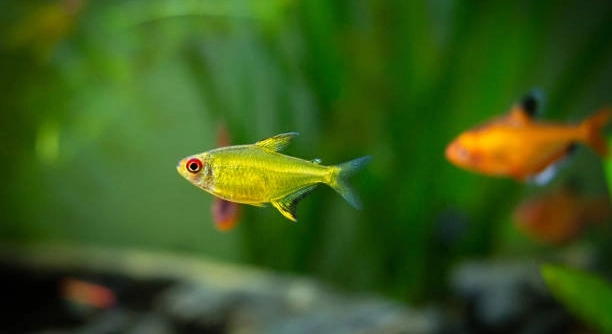
Do you ever notice your arowana flicking its tail in the aquarium and wonder what it means? Many fish owners observe this behavior and feel unsure whether it signals a problem or is just normal activity.
Tail flicking in arowanas is often a response to environmental stimuli, stress, or attempts to communicate. It can indicate discomfort, aggression, or irritation, and careful observation of water conditions, tank setup, and tankmates is essential for accurate interpretation.
Understanding why your arowana behaves this way can help improve its environment and overall well-being. Small changes in care or tank conditions often make a noticeable difference in reducing tail flicking.
Common Reasons for Tail Flicking
Arowanas may flick their tails for several reasons, many of which relate to their environment. One common cause is stress caused by poor water quality or sudden changes in temperature. Dirty water can irritate their skin and fins, prompting repeated tail flicks. Another reason is overcrowding in the tank, which can lead to territorial behavior and heightened aggression. Even the type of decorations or lack of hiding spaces can make them feel exposed, increasing tail movement. Sometimes, arowanas flick their tails as part of normal swimming behavior, especially when exploring their space or chasing food. Observing when and how often the tail flicks occur can help determine whether it is a natural behavior or a sign of discomfort. Paying attention to tank size, water parameters, and interaction with other fish is crucial for keeping your arowana calm and healthy.
Stress, irritation, or environmental discomfort are the most frequent triggers behind repeated tail flicking.
Proper tank maintenance and observation are key to addressing these issues. By adjusting water conditions, space, and decor, you can reduce stress and promote natural behavior.
Health-Related Causes
Tail flicking can sometimes indicate health issues rather than environmental problems.
Parasites, bacterial infections, and fin damage can all cause arowanas to move their tails repeatedly. Internal discomfort or pain may also result in restless swimming. Maintaining a consistent feeding schedule, high-quality food, and regular tank cleaning helps prevent infections and reduces stress. Early detection of illness is important, as arowanas are prone to rapid deterioration if conditions worsen. Observing other signs such as lethargy, discoloration, or abnormal swimming patterns can provide clues about their health. Regular water tests and quarantine of new fish are preventive steps that improve overall well-being. Attention to diet, supplements, and proper tank hygiene can significantly lower the risk of disease. By addressing health concerns quickly, you can prevent tail flicking from becoming a persistent issue and help your arowana remain active and comfortable.
Environmental Factors
Water quality plays a major role in tail flicking. Poor filtration, high ammonia, or sudden temperature changes can irritate your arowana and trigger repetitive tail movements.
Tank size and space also affect behavior. Arowanas need room to swim freely, and cramped tanks increase stress levels. Decorations and hiding spots influence how safe they feel. Sharp objects or overcrowded setups can lead to injuries or constant tail flicking. Monitoring water parameters, adjusting tank layout, and providing enough swimming space can reduce stress and improve comfort, helping the fish settle and move naturally without excessive tail flicking.
Lighting and noise can also impact tail movement. Bright lights or sudden loud noises may startle the fish, causing frequent flicking. A consistent day-night cycle, low-stress surroundings, and gentle water flow help your arowana feel secure and minimize unnecessary tail activity. Observation and adjustments in these areas often lead to calmer behavior.
Feeding and Nutrition
Overfeeding or poor diet can affect tail flicking. Uneaten food and nutrient deficiencies can stress your arowana, leading to repeated tail movements.
High-quality, balanced food supports energy levels and reduces digestive issues. Feeding appropriate amounts at regular intervals prevents overeating, which can cause discomfort and restless swimming. Varying the diet with protein-rich and natural foods, like small fish or insects, ensures they get essential nutrients. Sudden changes in diet or feeding schedule can confuse the fish, making tail flicking more frequent. Proper feeding habits also support immune function and overall vitality.
Hydration and food type influence digestion and energy. Foods that are too hard or sticky can lead to digestive stress. Soaking pellets or offering live foods occasionally helps the fish process meals more comfortably. Careful attention to diet and feeding techniques encourages calmer, healthier tail movements. Balanced nutrition also strengthens resistance to disease, reducing stress-related behaviors.
Tank Mates
Aggressive or overly active tank mates can make your arowana flick its tail more often. Stress from constant chasing or territorial disputes triggers restless movements.
Peaceful, compatible fish reduce tension and allow your arowana to swim calmly. Observing interactions helps identify problematic tank mates before conflicts escalate.
Water Temperature
Sudden changes or consistently incorrect water temperature can lead to tail flicking. Arowanas are sensitive to their environment, and fluctuations may cause stress, lethargy, or irritation. Maintaining a stable temperature suited to the species ensures comfort and encourages natural swimming patterns without repeated tail flicks.
Signs of Stress
Excessive hiding, loss of appetite, or rapid breathing often accompany tail flicking. Recognizing these patterns early allows you to adjust care practices and improve your arowana’s environment, preventing prolonged stress and health issues.
FAQ
Why does my arowana flick its tail at night?
Tail flicking at night is often linked to stress or irritation. Arowanas are sensitive to sudden changes in light, water movement, or noises near the tank. Ensuring a consistent day-night cycle and a calm environment can reduce nighttime tail flicking.
Can tail flicking mean my arowana is sick?
Yes, repeated tail flicking can signal health issues. Parasites, fin rot, or bacterial infections often cause discomfort that results in tail movement. Watch for additional symptoms like lethargy, color changes, or clamped fins, and address health concerns quickly to prevent worsening.
Is tail flicking normal behavior?
Occasional tail flicking can be part of normal swimming or feeding behavior. Arowanas explore their environment with quick movements, and gentle flicks may simply indicate activity. Consistent, intense flicking is more likely a sign of stress, irritation, or health problems.
Could my tank setup be causing tail flicking?
Yes, tank size, layout, and decorations directly affect behavior. Arowanas need open swimming space and safe hiding spots. Sharp objects or overcrowded tanks can irritate fins or make the fish feel threatened, increasing tail flicking. Adjusting the tank environment often improves behavior.
Does diet affect tail flicking?
Poor diet or overfeeding can cause discomfort, leading to tail flicking. A balanced diet with protein-rich foods supports digestion and overall health. Avoid sudden changes in feeding habits and provide appropriately sized portions to prevent stress or digestive issues.
Can water quality cause tail flicking?
Absolutely. High ammonia, nitrites, or unstable pH levels irritate the fish, often causing tail flicking. Regular water tests, proper filtration, and timely water changes are critical to keeping the tank environment safe and reducing stress-related movements.
Do tank mates influence tail flicking?
Yes, aggressive or overly active tank mates can trigger repeated tail flicks. Arowanas are territorial, and constant chasing or close proximity to incompatible fish increases stress. Choosing peaceful, compatible tank mates helps create a calmer environment.
How can I tell if tail flicking is due to stress?
Stress-related tail flicking often comes with other signs like hiding, rapid gill movement, or lack of appetite. Observing your arowana closely and noting when the flicking occurs can help identify environmental or health-related stressors that need correction.
Should I separate my arowana if tail flicking persists?
If tail flicking is caused by aggressive tank mates or overcrowding, temporary separation can help. Monitor behavior in a quarantine or separate tank to see if movements decrease. Ensure the new space meets all environmental needs for comfort and health.
How long does tail flicking last before it becomes a concern?
Occasional flicking is normal, but frequent or intense movements lasting more than a few days may indicate stress or illness. Persistent tail flicking should prompt checks of water quality, diet, tank conditions, and overall health.
Can lighting or noise cause tail flicking?
Yes, bright lights or sudden loud noises can startle arowanas, causing tail flicking. Maintaining a stable lighting schedule and minimizing sudden disturbances near the tank helps reduce stress and promotes calmer swimming behavior.
Is tail flicking more common in young arowanas?
Juvenile arowanas are often more active and may flick their tails while exploring or learning to swim in their environment. While occasional flicking is normal, repeated or intense movements in young fish may still indicate stress or discomfort that should be monitored carefully.
Will tail flicking affect my arowana’s health?
Frequent tail flicking itself is usually a symptom rather than a cause of health problems. However, if it indicates stress or underlying illness, prolonged episodes can weaken the immune system, slow growth, or worsen fin damage. Addressing triggers early is important for long-term health.
What are the best steps to reduce tail flicking?
Check water quality, ensure proper tank size, provide safe hiding spots, and maintain a balanced diet. Observing tank mates and minimizing disturbances also help. Consistency in care and environment is key to calming your arowana and preventing unnecessary tail flicking.
Can tail flicking be caused by boredom?
Yes, arowanas are intelligent fish that need stimulation. Lack of enrichment or space to swim may lead to repetitive tail flicking. Adding varied decorations, rearranging tank features periodically, and providing occasional live or interactive feeding can reduce boredom-related movements.
Tail flicking in arowanas is a common behavior that often leaves owners concerned or curious. While occasional flicks can be a normal part of swimming and exploration, frequent or intense movements usually point to underlying issues. Many factors can influence this behavior, including water quality, tank setup, diet, tank mates, and overall health. Observing your arowana’s environment and daily routines helps identify the cause. Paying attention to when the flicking occurs, such as during feeding, nighttime, or interactions with other fish, provides valuable insight. Simple changes in care and environment often result in noticeable improvements in behavior. Maintaining stable water parameters, providing enough swimming space, and ensuring compatible tank mates are key steps that contribute to a calmer, healthier fish.
Health is another critical aspect to consider when noticing repeated tail flicking. Parasites, bacterial infections, and fin damage can all make arowanas move their tails repeatedly as a response to discomfort or irritation. Changes in appetite, color, or energy levels may accompany these health issues. Regular observation and prompt action when symptoms appear can prevent minor problems from escalating into serious conditions. Proper diet and feeding routines also support the fish’s immune system, reducing the risk of illness. Balancing nutrition with high-quality, protein-rich foods, while avoiding overfeeding, contributes to overall comfort and reduces restless movements. Paying attention to diet, hydration, and feeding techniques ensures that your arowana is not stressed by digestive issues or nutrient deficiencies.
Environmental factors remain one of the most manageable aspects for owners to control. Tank size, decorations, hiding spaces, and lighting all play a role in how secure and comfortable an arowana feels. Crowded tanks, sharp objects, or sudden disturbances can trigger repeated tail flicking. Maintaining a calm environment with stable lighting, minimal noise, and safe, well-planned decor helps reduce stress. Regular water testing and cleaning prevent irritation caused by poor water quality. Offering enrichment, such as rearranging decorations occasionally or introducing suitable interactive feeding practices, keeps the fish engaged and prevents boredom-related flicking. Understanding the combination of health, diet, and environment provides a comprehensive approach to minimizing tail flicking and supporting your arowana’s long-term well-being.

Hello,
If you enjoy the content that we create, please consider saying a "Thank You!" by leaving a tip.
Every little bit helps us continue crafting quality advice that supports the health, happiness, and well-being of pets around the world, for pets of all shapes, sizes, and species.
We really appreciate the kindness and support that you show us!