
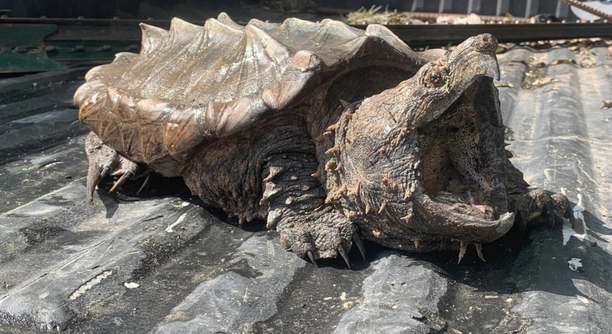
Alligator snapping turtles are fascinating creatures, known for their impressive size and unique behavior. However, if you’ve noticed your turtle snapping at you, you might be wondering what exactly is going on with your pet.
The snapping behavior in alligator snapping turtles is often a defensive reaction. They may feel threatened, stressed, or are simply protecting their territory. Snapping is a natural instinct for these turtles, especially when they sense danger.
Understanding the reasons behind their snapping can help you approach your turtle in a way that reduces stress. Knowing how to handle these behaviors will ensure your turtle feels safe and comfortable.
Why Do Alligator Snapping Turtles Snap?
Alligator snapping turtles often snap at their owners due to their natural defensive instincts. These turtles are not aggressive by nature, but they do react quickly to perceived threats. The snapping behavior is their way of protecting themselves. When they feel threatened, their first response is to snap, and they can be very quick with their jaws. This reaction is deeply rooted in their survival instincts. In the wild, snapping turtles often rely on their speed and strength to catch prey or defend themselves from predators. Your pet turtle may simply be doing what comes naturally when it feels uneasy. Stress from its environment or handling can trigger this behavior. Understanding that it is not personal, but rather instinctual, can help you approach the situation with more patience.
Snapping is often a sign of stress or discomfort. It’s important to understand this behavior so you can better care for your turtle.
If you’ve recently brought your turtle home or made changes to its environment, it may be adjusting to its new surroundings. A sudden change can make an alligator snapping turtle feel vulnerable, prompting it to snap. Make sure its habitat is calm, quiet, and consistent. This will help ease its anxiety. Also, consider how you handle your turtle. These turtles can be sensitive to touch, especially when they are not used to human interaction. If you approach them too quickly or roughly, they may snap out of fear. Creating a calm and predictable routine can make your turtle feel safer, reducing its snapping behavior.
How to Handle Your Alligator Snapping Turtle
A calm, gentle approach is essential when interacting with your alligator snapping turtle. If it feels safe and secure, it is less likely to snap at you. Start by allowing your turtle to get used to your presence before attempting to handle it. Avoid making sudden movements or loud noises around the turtle, as these can startle it. When you do handle it, keep your movements slow and steady. Make sure you support its body fully to minimize stress. If you need to move the turtle, try using a gentle technique by cupping your hands around its shell. This helps the turtle feel secure and less likely to snap out of fear.
Turtles, especially the alligator snapping species, are not naturally inclined to enjoy being handled. It may take time for them to trust you and get used to human interaction. The key is to be patient. Regular handling, when done calmly, can eventually help your turtle become more comfortable around you. Just be prepared for the possibility of the snapping behavior to appear from time to time as part of its natural instinct. The more your turtle feels safe and respected, the less likely it is to snap.
Why Alligator Snapping Turtles May Feel Threatened
Alligator snapping turtles can feel threatened for several reasons. Changes in their environment, unfamiliar objects, or loud sounds can all trigger a snapping response. These turtles are naturally wary of anything that might pose a risk, even if it’s harmless.
If you’ve recently moved your turtle’s tank or added new elements to its habitat, it may be adjusting to the unfamiliar surroundings. The turtle might feel vulnerable, which is why it instinctively reacts by snapping. Consistency in the environment helps prevent stress. Always ensure that the habitat remains calm and predictable. Avoid moving decorations or introducing loud noises that could disturb its peace. Additionally, keep other pets away from the turtle’s space to minimize disturbances. A turtle’s environment should offer a sense of safety to help it feel secure.
These turtles are also territorial, and any changes in their space can trigger defensive behaviors. Alligator snapping turtles feel most secure when their environment is familiar and unchanged, allowing them to settle in without constant surprises.
Handling Your Turtle the Right Way
When handling an alligator snapping turtle, it’s important to be calm and gentle. Quick movements or loud noises can startle them, causing a defensive snap. Try to approach slowly and keep your hands steady.
You should always support the turtle’s body when picking it up, especially under its shell, to reduce stress. Moving too fast or holding it in an uncomfortable position can make the turtle feel more threatened. If your turtle feels unsupported, it may lash out. This behavior can be avoided with careful, slow handling. When moving the turtle from one place to another, give it time to adjust and never force it to go somewhere it doesn’t want to. This approach will help build trust over time.
Over time, your turtle will begin to associate your presence with safety, rather than fear. Handling it gently and giving it space to adjust will foster a positive relationship between you and your turtle, reducing snapping behavior.
The Importance of Proper Diet
A poor diet can contribute to stress and snapping behavior in your alligator snapping turtle. An unbalanced diet can cause health issues, making the turtle more irritable or anxious. Ensure that it receives proper nutrition for its overall well-being.
Feeding your turtle a variety of foods that mimic its natural diet is key. Offering a mix of proteins like fish, insects, and some plant matter helps to keep it healthy. A turtle that is well-fed and satisfied is less likely to be stressed and more likely to behave calmly.
Recognizing Stress Triggers
Stress in an alligator snapping turtle can come from many sources, like excessive handling or poor habitat conditions. Be mindful of what could be causing discomfort and address it quickly.
Keeping a stable, quiet environment and limiting handling will help reduce stress. Stress can lead to defensive behaviors like snapping, so it’s important to observe your turtle’s reactions to certain situations and adjust accordingly.
Environmental Factors to Consider
Temperature and water quality play a major role in the turtle’s behavior. If the water is too warm or cold, or if it’s not clean, your turtle may feel uncomfortable, which could cause snapping.
FAQ
Why does my alligator snapping turtle snap at me?
Alligator snapping turtles snap as a natural defense mechanism. They are territorial creatures and can feel threatened by sudden movements or unfamiliar situations. If your turtle feels scared or stressed, it may snap to protect itself. Handling it too quickly or changing its environment too much can trigger this response.
Can my turtle get used to me over time?
Yes, with patience and gentle handling, your turtle can become more accustomed to you. The key is consistency. Approach it slowly, handle it gently, and respect its space. Over time, your turtle may begin to feel less threatened and more comfortable with your presence.
How can I tell if my turtle is stressed?
Common signs of stress in turtles include erratic behavior, hiding, or refusal to eat. If your turtle is snapping more than usual or acting lethargic, it might be feeling stressed. Check its habitat for changes that could be contributing to the stress, such as water temperature, light, or cleanliness.
Is it okay to handle my snapping turtle often?
While it’s possible to handle your alligator snapping turtle, it’s important not to overdo it. Handling should be done gently and sparingly, as frequent handling can lead to stress and snapping. Let the turtle get comfortable with you and respect its need for space.
What should I do if my turtle starts snapping?
If your turtle starts snapping, it’s important to stay calm. Don’t try to force it into a position or retaliate. Instead, give it some space and allow it to calm down. Avoid sudden movements that could make it feel more threatened, and be patient while the turtle settles.
Can I train my snapping turtle to stop snapping?
Training a snapping turtle to stop snapping isn’t realistic because snapping is a natural defensive behavior. However, you can reduce the frequency of snapping by creating a more comfortable and stress-free environment. Keep its habitat clean, stable, and free from disturbances to help minimize stress.
What can I do to prevent my snapping turtle from snapping?
To prevent your snapping turtle from snapping, make sure it feels safe and secure in its environment. Avoid handling it too much, and make sure its tank is properly set up. Provide it with plenty of space and enrichment to reduce stress. If your turtle is snapping, it may be trying to communicate that something in its environment is off.
How do I know if my turtle is snapping out of aggression or fear?
Typically, snapping is a response to fear, not aggression. If your turtle is snapping at you, it likely feels threatened and is trying to defend itself. True aggression is rare in turtles. Most snapping behavior is related to the turtle feeling anxious, insecure, or uncomfortable.
Do all snapping turtles snap at people?
Not all snapping turtles will snap at people, but it’s common for them to do so when they feel threatened. Some turtles may be more tolerant of handling, while others are more skittish. If your turtle snaps at you, it’s likely because it feels unsure or stressed by the interaction.
How can I create a comfortable environment for my alligator snapping turtle?
To create a comfortable environment for your alligator snapping turtle, focus on water quality, temperature, and lighting. Keep the water at the right temperature (75-80°F) and change it regularly. Provide hiding spots, such as rocks or plants, to help the turtle feel secure. Avoid excessive noise and sudden movements around its tank.
What should I feed my alligator snapping turtle to keep it healthy?
Alligator snapping turtles are carnivores, and they require a diet rich in protein. Offer them fish, worms, and insects, as well as occasional vegetables like leafy greens. A varied diet will help keep your turtle healthy and reduce stress, as it will feel more satisfied and energetic.
How long do alligator snapping turtles live?
Alligator snapping turtles can live for a long time, often reaching 50 years or more in the wild. In captivity, with proper care, they can live just as long. Their lifespan can be influenced by diet, habitat, and overall care, so ensuring they have the right environment will help them live a long and healthy life.
Should I separate my snapping turtle from other pets?
Yes, it’s generally a good idea to keep your snapping turtle separated from other pets. Snapping turtles can be territorial, and their sharp beaks can be a danger to smaller animals. Additionally, other pets may stress the turtle, causing it to snap in defense. Keep them in a separate, secure space.
How can I handle my turtle safely without causing it to snap?
When handling your turtle, approach it slowly and gently. Avoid sudden movements that could startle it. Support the turtle’s body fully, especially under its shell, and never grab it by its limbs or head. Slow, steady movements will help prevent the turtle from feeling threatened and reduce snapping.
Can my turtle get sick from stress?
Yes, stress can weaken a turtle’s immune system, making it more susceptible to illness. Chronic stress can lead to a variety of health issues, such as loss of appetite, shell problems, or infections. Reducing stress through proper care and environment is essential to keeping your turtle healthy.
Why is my snapping turtle not eating?
If your snapping turtle isn’t eating, it could be due to stress, poor water conditions, or an improper diet. Check the water temperature and cleanliness, and make sure the turtle is being offered food it enjoys. Stress from handling or changes in its environment can also reduce appetite.
Final Thoughts
Alligator snapping turtles are fascinating creatures, but their snapping behavior can sometimes be misunderstood. While it might feel alarming when your turtle snaps at you, it’s important to remember that this is usually a natural defense mechanism. These turtles are not being aggressive but are simply reacting to what they perceive as a threat. Understanding that snapping is an instinctive behavior can help you approach your turtle with patience and care. Over time, your turtle will become more comfortable around you if you create a calm, consistent environment for it.
The key to minimizing snapping behavior is reducing stress. This means providing a stable and quiet environment for your turtle, where it feels safe. Avoid sudden changes in its habitat, as this can trigger anxiety. Also, be mindful of how often and how you handle your turtle. Frequent handling, especially if done too roughly, can increase stress and cause more snapping. Gentle, slow movements will help your turtle feel more secure, and it’s important to let it adjust at its own pace. If you respect your turtle’s space and needs, it will be more likely to stop snapping at you.
Ultimately, it’s essential to remember that snapping turtles, like all animals, have their own personalities. Some turtles may be more sensitive than others, and even with the best care, some might snap more often. By understanding the reasons behind this behavior, you can make your interactions with your turtle less stressful for both of you. Creating a calm, comfortable habitat, offering proper food, and handling your turtle with care are all crucial steps in building a trusting relationship. With time, your alligator snapping turtle can become more relaxed and less likely to snap.

Hello,
If you enjoy the content that we create, please consider saying a "Thank You!" by leaving a tip.
Every little bit helps us continue crafting quality advice that supports the health, happiness, and well-being of pets around the world, for pets of all shapes, sizes, and species.
We really appreciate the kindness and support that you show us!