
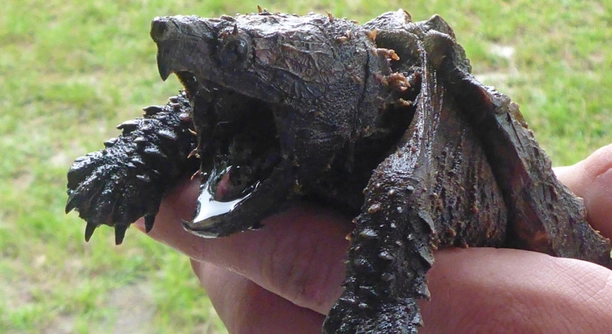
Finding the right basking light for an alligator snapping turtle is essential for their health and well-being. These turtles require proper lighting to regulate their body temperature and promote optimal growth.
The best basking lights for an alligator snapping turtle should provide UVB radiation and heat. UVA and UVB light help with calcium absorption, while heat promotes proper digestion and activity. Choose a light that suits your turtle’s habitat size and needs.
Selecting the right basking light can make a significant difference in your turtle’s quality of life. Consider these options to help your alligator snapping turtle thrive.
Why UVB Light is Important for Your Alligator Snapping Turtle
UVB light is essential for all reptiles, including the alligator snapping turtle. It allows them to synthesize vitamin D3, which is necessary for calcium absorption. Without UVB light, your turtle may suffer from metabolic bone disease, a condition that weakens their bones and makes movement difficult. Ensuring your turtle gets adequate exposure to UVB light also helps regulate their behavior and boosts their immune system. In the wild, turtles naturally bask under the sun for this exposure, but in captivity, providing the right light is crucial to replicate this environment.
UVB lights are typically divided into two types: fluorescent and mercury vapor. Fluorescent bulbs are more affordable, but mercury vapor lights offer both UVB and heat in one unit. Depending on your setup, either can work well, but it’s important to choose one that matches the needs of your turtle’s enclosure.
You should aim to provide 10-12 hours of UVB exposure daily. Place the light near your turtle’s basking area and replace the bulb every 6-12 months to ensure it continues to emit the correct amount of UVB. Turtles need a consistent schedule to stay healthy and active.
Best Heat Sources for Your Turtle’s Basking Area
Heat lamps are an excellent way to keep your turtle’s basking area warm. These lamps help regulate body temperature, which is essential for digestion and overall activity.
A heat source that provides consistent warmth in a focused area is ideal for an alligator snapping turtle. Choose a bulb that allows you to control the temperature of the basking spot to ensure it stays within the 85-90°F range. Too much heat can stress your turtle, while too little will leave them lethargic.
Types of Basking Lights
There are several types of basking lights available for alligator snapping turtles. Each type serves a specific purpose, from providing UVB rays to heating the basking area.
Mercury vapor bulbs are popular for their ability to provide both heat and UVB light in one. They are ideal for larger tanks and outdoor enclosures because they offer more intense heat. However, they tend to be more expensive than fluorescent bulbs. Fluorescent bulbs are also a good option for UVB exposure, but they only provide light. You’ll need a separate heat source with them. Halogen bulbs provide intense heat and can be used for smaller tanks.
Choosing the right type depends on the size of the enclosure and your turtle’s needs. Larger setups benefit from the efficiency of mercury vapor bulbs, while smaller tanks might only require fluorescent or halogen bulbs for both heat and light. Always check the wattage and heat output of your bulb to match your tank size.
Placement of Basking Lights
The placement of basking lights in your turtle’s enclosure is just as important as the type of light. Positioning the light properly ensures your turtle can access both the heat and UVB light they need.
For the best results, mount the light above the basking area, but not too close. Place it at a height that allows your turtle to comfortably bask without being too far from the light. You should aim for the basking area to be 8-12 inches below the light. Adjust the light’s position to control the heat spot’s temperature, ensuring it stays within the 85-90°F range. Make sure your turtle has space to move away from the light if they get too warm.
Proper placement also helps avoid overheating the enclosure. Check the temperatures regularly to keep them consistent, ensuring your turtle can maintain a healthy balance between light and warmth.
Adjusting Light Intensity
The intensity of the light you use is important for your turtle’s well-being. Too much light can lead to stress, while too little can cause vitamin D3 deficiency.
When adjusting light intensity, take note of the distance between the light source and the basking area. You can also use dimmer switches or multiple lights to better control intensity. Be sure to monitor your turtle’s behavior to see if they are avoiding or basking excessively under the light, as this can indicate the need for adjustments.
Monitoring Your Turtle’s Health
A properly lit environment will positively impact your turtle’s health. If they are getting too much or too little UVB light, it may show in their behavior or shell condition.
Observe their activity levels, feeding habits, and shell health to ensure the lighting is meeting their needs. Turtles that are getting adequate UVB light will have brighter colors, active behavior, and stronger shells. If your turtle seems lethargic or has shell issues, check the light setup to ensure it’s working effectively.
Common Mistakes to Avoid
Many people make mistakes when setting up basking lights, which can affect their turtle’s health.
A common mistake is placing the light too far from the basking spot, making it less effective. Another issue is using lights that don’t provide both heat and UVB, causing an imbalance in the environment.
FAQ
How often should I replace the basking light bulb?
It’s important to replace the basking light bulb every 6 to 12 months, depending on the type of bulb. UVB bulbs lose their effectiveness over time, even if they still emit visible light. Replace them regularly to ensure your turtle gets the proper UVB exposure. Monitor your turtle’s behavior to spot any signs of insufficient UVB light, such as lethargy or shell deformities.
Can I use regular household light bulbs for my turtle’s basking area?
Regular household light bulbs do not provide UVB light, which is essential for your turtle’s health. You need a specialized UVB bulb that is designed for reptiles. Regular light bulbs can provide heat but won’t help with vitamin D3 synthesis, which is crucial for calcium absorption and bone health.
Do I need a separate heat source for my turtle?
Yes, a separate heat source is often necessary unless you are using a mercury vapor bulb, which provides both UVB and heat. Heat lamps or halogen bulbs can be used to maintain the basking area’s temperature between 85-90°F. It’s crucial to have the right balance of heat and UVB light for your turtle to thrive.
What temperature should the basking area be?
The basking area should stay between 85°F and 90°F. This temperature range helps your turtle regulate its body temperature and aids digestion. If the basking area is too hot, your turtle may become stressed, and if it’s too cold, they may become lethargic. Use a thermometer to monitor the temperature accurately.
Can my turtle have too much UVB exposure?
Yes, too much UVB exposure can cause overexposure to UV rays, leading to skin damage or other health problems. However, it’s relatively difficult for a turtle to get too much UVB from the proper basking light. Ensure they have the option to move away from the light to avoid overheating or overexposure.
How far should the basking light be from the turtle?
The basking light should be placed 8 to 12 inches above the basking area. This distance allows your turtle to get the right amount of UVB and heat. Placing the light too close can cause overheating, while placing it too far can result in insufficient heat and UVB exposure.
Can I use a timer for my turtle’s basking light?
Yes, using a timer for your turtle’s basking light is a great idea. A timer ensures your turtle receives a consistent amount of light exposure, which is crucial for their health. Aim for 10-12 hours of light each day, simulating a natural day-night cycle. This also helps maintain a stable routine for your turtle.
What is the best type of UVB light for an alligator snapping turtle?
Mercury vapor bulbs and fluorescent bulbs are both excellent choices. Mercury vapor bulbs provide both heat and UVB in one unit, making them ideal for larger enclosures. Fluorescent UVB bulbs are also effective but require a separate heat source. Choose the option based on your setup and budget.
Why is my turtle not basking under the light?
If your turtle is not basking under the light, there could be several reasons. The basking area may be too hot or too cold, the light intensity may be too low, or your turtle may feel stressed by its environment. Ensure the light setup is appropriate, and observe your turtle’s behavior for any signs of discomfort.
How do I know if my turtle is getting enough UVB light?
A healthy alligator snapping turtle will be active, eat regularly, and have a strong, firm shell. If they are inactive, have trouble eating, or show signs of shell deformities, they may not be getting enough UVB light. Regularly check the bulb’s effectiveness and ensure it is placed at the proper distance from the basking area.
Should I provide a nighttime light for my turtle?
No, alligator snapping turtles do not need a nighttime light. At night, they should experience darkness to simulate their natural environment. You can turn off the basking light and heat source to give them a proper resting period. Avoid leaving lights on throughout the night as it can disrupt their sleep cycle.
Can I use LED lights for my turtle’s enclosure?
LED lights can be used for decoration or to add ambient light to your turtle’s tank, but they do not provide the necessary UVB or heat. For proper basking, you need a specialized UVB light source. LED lights can supplement the look of the tank but cannot replace the essential UVB and heat bulbs.
Final Thoughts
Choosing the right basking light for your alligator snapping turtle is essential for their health and well-being. It’s important to consider the intensity, distance, and type of bulb you use. A proper basking setup ensures that your turtle can regulate its body temperature, digest food efficiently, and synthesize the necessary vitamins. Without adequate UVB light, your turtle may experience health issues such as weakened bones and poor shell development. Monitoring the light’s effectiveness and adjusting it when necessary is key to providing a healthy environment.
A UVB light specifically designed for reptiles is necessary for alligator snapping turtles. Regular household bulbs do not provide the essential UVB radiation that your turtle needs to metabolize calcium properly. Investing in high-quality UVB lights and heat sources will pay off in the long run by supporting your turtle’s overall health. It’s equally important to place the light at the correct distance from the basking area to avoid both overheating and insufficient exposure. Taking the time to set up the ideal lighting environment makes a big difference in your turtle’s life.
Lastly, remember that turtles are creatures of habit. They need a consistent light cycle, so investing in a timer for your basking lights is a good idea. Consistent light exposure mimics their natural environment and helps maintain their internal rhythms. Be mindful of any changes in their behavior, as this may indicate that the basking light needs to be adjusted. By monitoring your turtle’s response and regularly checking the light setup, you can ensure they have a healthy and comfortable living space.

Hello,
If you enjoy the content that we create, please consider saying a "Thank You!" by leaving a tip.
Every little bit helps us continue crafting quality advice that supports the health, happiness, and well-being of pets around the world, for pets of all shapes, sizes, and species.
We really appreciate the kindness and support that you show us!