
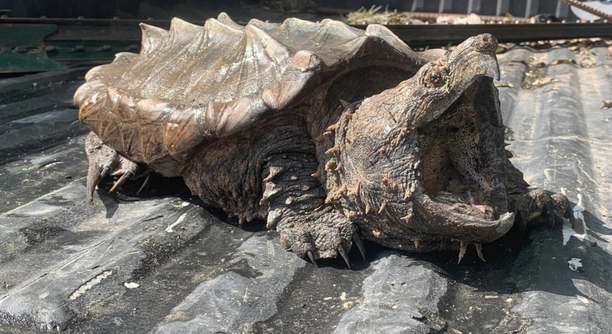
Alligator snapping turtles are fascinating creatures, but it can be concerning when they hide frequently in their habitats. Understanding their behavior is key to ensuring their well-being and addressing any potential issues.
Alligator snapping turtles tend to hide often due to their natural instincts. They are solitary and cautious animals, seeking shelter to feel safe. This hiding behavior can be a sign of stress, environmental factors, or a need for privacy.
Knowing why your turtle hides can make a big difference in how you care for it. From tank setup to handling stress, understanding these turtles’ habits will help improve their health and comfort.
Why Hiding Is Normal Behavior for Alligator Snapping Turtles
Alligator snapping turtles are naturally reclusive. In the wild, they spend most of their time hidden in the mud or under debris. This is part of their survival instinct, as they prefer to remain out of sight to avoid predators. Their physical traits, such as their camouflaged shells, help them blend in with their environment. When they are kept in captivity, they may still feel the need to hide for similar reasons. This behavior is often a sign of contentment and natural instincts at play, not necessarily a cause for concern.
However, if a turtle is hiding too much, it might indicate an issue. For example, excessive hiding could be a result of stress, poor tank conditions, or health problems. It is important to understand the turtle’s environment to ensure it is living in a comfortable and safe space. Sometimes, they hide as a way of coping with new surroundings or changes in their routine.
The behavior of hiding is typically linked to their solitary nature. While they might seem shy, they can also be quite active when they feel secure. When creating an ideal habitat, make sure the tank has plenty of hiding spots but also offers room for movement. Alligator snapping turtles enjoy a good balance between space and cover, which mimics their natural environment. This way, your turtle can retreat when it feels the need and explore when it’s ready, keeping it healthy and stress-free.
How Stress Affects Their Behavior
Stress is a major factor that can cause your turtle to hide.
If the turtle feels threatened by its environment, such as loud noises or the presence of other animals, it might withdraw to a safe spot. Constant hiding can be a sign that your turtle feels insecure.
Tank Setup and Environment
An alligator snapping turtle’s environment is crucial for its well-being. A tank that’s too small or lacks proper hiding spots can lead to stress. These turtles need space to move around, as well as a few areas where they can retreat when they feel threatened. If their environment isn’t suitable, they may hide more often. It’s important to recreate their natural habitat as much as possible. This means having a tank with the right water temperature, clean filtration, and enough substrate for burrowing.
If the tank setup isn’t ideal, your turtle could hide due to discomfort or fear. Ensure the water temperature remains between 72°F and 78°F, as extreme temperatures can cause stress. The tank should also have hiding places, such as rocks or driftwood, to give your turtle privacy. If these elements are missing or improperly maintained, your turtle may become more reclusive. Regular cleaning and water changes are also essential to keep the environment healthy and stress-free.
Turtles are sensitive to their surroundings, and any disruption or sudden changes could cause them to retreat. For example, moving the tank, changing the water chemistry, or adding new tank mates can affect your turtle’s behavior. By making the environment as stable and familiar as possible, you can help reduce hiding tendencies and encourage your turtle to feel secure. A calm and well-maintained tank setup will support your turtle’s mental and physical health.
Proper Diet and Feeding Habits
Diet plays a role in your turtle’s behavior.
An imbalanced or inadequate diet can lead to stress and may cause your turtle to hide more often. Make sure your turtle is getting a varied diet of protein, vegetables, and occasional treats. Regular feeding times and a clean feeding area also help establish routine and comfort.
Health Issues and Their Impact on Behavior
Health problems can lead to hiding. If your turtle feels unwell, it might seek out hiding spots to rest and recover. Check for signs of illness, such as lethargy, difficulty swimming, or changes in appetite. If these symptoms occur, it’s important to consult a vet.
Infections, parasites, and shell problems are common health issues in turtles. If your turtle is hiding more than usual, it could be a sign of pain or discomfort. A vet can help diagnose and treat any health concerns early on, preventing further stress or complications. Keeping an eye on your turtle’s behavior is key.
A balanced diet, clean tank, and regular check-ups are essential in preventing health problems. Ensuring your turtle is healthy can reduce the chances of it hiding due to discomfort. If you notice sudden changes in behavior, take prompt action to rule out illness and provide proper care.
Temperature Sensitivity
Temperature can greatly affect your turtle’s behavior.
If the water is too cold or too warm, your turtle might hide more often. Keeping the water temperature stable and within the ideal range helps your turtle feel more secure and less stressed. Temperature regulation is vital for your turtle’s comfort.
FAQ
Why does my alligator snapping turtle hide all the time?
Your turtle may hide because it’s feeling stressed or insecure. Alligator snapping turtles are naturally reclusive creatures, and in the wild, they spend much of their time hidden for safety. Hiding is often a sign that your turtle feels comfortable, but if it’s excessive, it could indicate environmental or health issues. Check your turtle’s tank setup, diet, and water conditions to make sure they’re optimal.
Can hiding be a sign of illness in my turtle?
Yes, hiding can be a sign of illness. If your turtle is hiding more than usual and showing other symptoms like loss of appetite, lethargy, or changes in its shell, it could be suffering from health problems. It’s important to consult a veterinarian to rule out any potential infections, parasites, or injuries.
How can I tell if my turtle is stressed?
Signs of stress in alligator snapping turtles include excessive hiding, loss of appetite, and abnormal swimming behavior. If your turtle is often hiding and avoiding food, it may be experiencing stress due to environmental factors, such as poor tank conditions, temperature fluctuations, or too much handling. Pay attention to any changes in its routine.
Is it normal for my alligator snapping turtle to stay in one spot for a long time?
Yes, it is normal for alligator snapping turtles to stay in one spot for extended periods, especially if they are feeling safe and comfortable. They tend to be slow-moving creatures and prefer to conserve energy. However, if it seems to stay in one spot too much without moving or eating, it could be a sign of stress or health issues.
How do I make my alligator snapping turtle feel more comfortable in its tank?
Ensure that the tank has plenty of hiding spots, like rocks, driftwood, or plants, which will give your turtle the option to retreat when it feels the need. Make sure the water temperature is between 72°F and 78°F, and the water quality is good. Keeping the tank clean and quiet also helps reduce stress.
Can I keep other turtles with my alligator snapping turtle?
It’s generally not recommended to house multiple turtles together, especially with an alligator snapping turtle. These turtles can be territorial and may become aggressive toward other tank mates. If you decide to house multiple turtles, make sure there is enough space and hiding spots for each one to feel secure. Always observe closely to ensure they’re getting along.
How often should I feed my alligator snapping turtle?
Alligator snapping turtles are omnivorous, and they need a balanced diet. Young turtles should be fed every day, while adults can be fed every other day. Offer a variety of food, including aquatic plants, fish, worms, and commercially available turtle pellets. Be mindful not to overfeed, as excess food can degrade water quality.
What kind of water filter should I use for my turtle’s tank?
Alligator snapping turtles produce a lot of waste, so having a strong filtration system is important. Use a filter that can handle at least three times the tank’s volume in water per hour. This will help maintain clean water and reduce the risk of bacterial growth, which could lead to health problems.
Can temperature affect my turtle’s behavior?
Yes, temperature plays a significant role in your turtle’s behavior. If the water is too cold or too warm, your turtle may hide more often, become lethargic, or even stop eating. Keep the water temperature within the ideal range of 72°F to 78°F. A stable, comfortable environment helps your turtle feel secure and active.
Why does my turtle only come out to eat?
If your turtle only comes out to eat and spends the rest of the time hiding, it might be due to stress, temperature issues, or an unsuitable tank environment. Alligator snapping turtles are solitary animals and may prefer to stay hidden, but if this behavior is excessive, it’s worth checking the tank conditions and water quality to ensure they are optimal.
How can I reduce stress in my alligator snapping turtle?
To reduce stress, make sure your turtle’s habitat is comfortable. This includes maintaining proper water temperature, water quality, and having sufficient hiding spots. Avoid sudden changes in the tank environment, and try to limit handling. A calm, stable environment helps your turtle feel safe and secure.
Can my turtle’s hiding be linked to boredom?
Yes, boredom can contribute to your turtle hiding. Alligator snapping turtles need a stimulating environment to stay active. Provide enrichment in the form of objects to explore, such as logs, rocks, or new plants. A lack of stimulation could make your turtle feel more reclusive, so keep the habitat interesting for it.
What should I do if my turtle isn’t eating?
If your alligator snapping turtle isn’t eating, first check the water temperature and quality. Poor conditions can cause loss of appetite. Stress, illness, or even a change in diet can also affect feeding behavior. If your turtle isn’t eating for more than a few days, consult a vet to rule out health issues.
How can I tell if my turtle is comfortable in its tank?
If your turtle is comfortable, it should swim around, explore its habitat, and come out of hiding regularly. It will also eat and move without signs of distress. If it stays hidden or avoids food, there could be something in the environment causing stress or discomfort. Regular observation can help you assess how your turtle feels.
Can my alligator snapping turtle share a tank with other animals?
Alligator snapping turtles are best kept in species-only tanks. These turtles are solitary and may become aggressive toward other animals, especially smaller ones. If you want to include other creatures in the tank, make sure they are large enough to avoid becoming prey and that they won’t stress the turtle.
What size tank is best for an alligator snapping turtle?
A tank that is at least 75 gallons is recommended for an adult alligator snapping turtle. These turtles grow large and need plenty of space to move around. The bigger the tank, the better, as it helps maintain water quality and provides ample room for your turtle to explore.
Alligator snapping turtles are unique creatures with specific needs that can sometimes make their behavior a bit puzzling, especially when they hide frequently. However, hiding is a natural part of their behavior. In the wild, they spend a lot of time concealed to protect themselves from predators. While this behavior is normal, it’s important to understand the reasons behind it and what it might mean for your turtle’s overall well-being. Whether they’re hiding due to stress, health issues, or simply because they feel safe, keeping a close eye on their actions can help you better care for them.
Ensuring your turtle’s environment is appropriate is key to helping them feel comfortable. Alligator snapping turtles require a tank that mimics their natural habitat as much as possible. This includes providing hiding spots, keeping the water temperature within the right range, and maintaining a clean, quiet environment. If they are housed with other animals, it’s essential to make sure that the tank is large enough and that all creatures get along. Keeping their surroundings stable and secure will allow your turtle to feel safe and reduce unnecessary hiding. Regular tank maintenance, such as water changes and cleaning, is crucial in promoting a healthy and stress-free environment.
Lastly, if you notice any changes in your turtle’s behavior, especially excessive hiding or a loss of appetite, it’s important to address it quickly. Stress, illness, or poor tank conditions can all contribute to abnormal behavior, and the earlier you address any concerns, the better for your turtle’s health. Keeping their diet balanced and providing regular check-ups with a vet will go a long way in ensuring your turtle’s well-being. By understanding the natural instincts of alligator snapping turtles and meeting their needs, you can provide them with a happy and healthy life.

Hello,
If you enjoy the content that we create, please consider saying a "Thank You!" by leaving a tip.
Every little bit helps us continue crafting quality advice that supports the health, happiness, and well-being of pets around the world, for pets of all shapes, sizes, and species.
We really appreciate the kindness and support that you show us!