
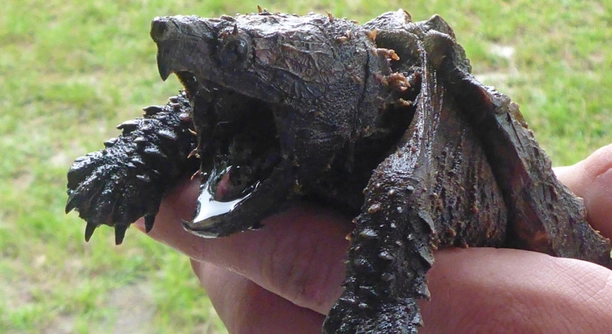
Alligator snapping turtles are fascinating creatures, and setting up the right lighting for them is essential for their well-being. Proper lighting helps to simulate their natural habitat and promotes a healthy lifestyle in captivity.
To improve your alligator snapping turtle’s lighting setup, consider a combination of UVB lighting, basking lights, and heat lamps. These elements help with their digestion, shell health, and overall comfort by mimicking natural sunlight.
With the right lighting, your turtle can thrive. This article will cover the most effective methods to ensure your alligator snapping turtle gets the light it needs.
UVB Lighting: Essential for Health
UVB lighting plays a key role in maintaining the overall health of your alligator snapping turtle. It helps them produce vitamin D3, which is crucial for calcium absorption and shell growth. Without proper UVB exposure, your turtle may suffer from shell deformities and weak bones.
UVB lights should be placed close to your turtle’s basking area to ensure they get enough exposure.
UVB lights should be replaced regularly, as their effectiveness decreases over time. It’s important to provide 10-12 hours of UVB light each day to mimic the turtle’s natural environment. When setting up the light, make sure it’s positioned 12-18 inches above the basking area for optimal exposure. A high-quality UVB bulb, specifically designed for reptiles, is your best option. Be mindful of the light’s output, as some may not be strong enough for a turtle. Also, avoid using regular household lights, as they do not provide the necessary UVB rays.
Basking Light: A Critical Source of Heat
A basking light provides the necessary warmth for your turtle.
It’s important that your alligator snapping turtle has access to a basking spot with a temperature range of 85-90°F. This heat will help them regulate their body temperature and promote healthy digestion.
Heat Lamps: Providing the Right Temperature
A heat lamp is essential for maintaining the right temperature in your turtle’s habitat.
Without a proper heat source, your turtle may become lethargic and have difficulty digesting food. Aim to keep the water temperature between 72°F and 78°F, and the basking area should reach 85°F to 90°F. A heat lamp directed at the basking spot ensures your turtle can warm up properly. Be cautious about heat intensity; too much heat can cause stress. A dimmer or adjustable heat lamp can help you regulate the temperature for your turtle’s comfort.
Position the heat lamp at an appropriate height to avoid overheating. Too close, and it can raise the temperature too high. Too far, and it won’t warm up the basking area enough. A thermometer placed both in the water and on the basking platform will help you monitor the temperatures accurately. With the right setup, your alligator snapping turtle can bask comfortably and stay healthy.
Light Duration: Creating a Natural Day-Night Cycle
Turtles, like many reptiles, thrive when their environment follows a natural light cycle.
Provide 10-12 hours of light during the day, and ensure they have a consistent night period with no light. This mimics the natural day-night cycle, helping regulate their internal clock. If you’re using timers, set them to turn the lights on and off automatically, so you don’t have to worry about manually adjusting them.
A balanced light duration also supports your turtle’s natural behaviors, such as basking, eating, and sleeping. Turtles that don’t experience a natural light cycle may become stressed or exhibit irregular behaviors. Avoid leaving lights on for longer periods as it could disturb your turtle’s rest and lead to health issues.
Light Bulb Placement: Positioning for Optimal Effect
The placement of your lights matters greatly.
UVB and basking lights should be positioned to ensure your turtle gets the proper exposure. If lights are too far, they won’t provide the necessary heat or UVB. Make sure the basking spot is within range to keep your turtle comfortable.
Light Type: Choosing the Right Bulbs
Choosing the correct type of bulb ensures your alligator snapping turtle gets the right kind of light.
For UVB light, use a specialized reptile bulb that emits the right spectrum of UV rays. For basking, a halogen or incandescent bulb will provide heat and light needed for proper thermoregulation. Be careful not to use household bulbs that lack the proper UVB output.
Overheating: Avoiding Excessive Heat
Excessive heat can be harmful to your turtle.
Make sure to monitor the temperature closely, especially during the hotter months. If your heat lamps are too strong or positioned too low, your turtle could become overheated. Use a thermometer to ensure proper regulation.
FAQ
How much UVB light does my alligator snapping turtle need?
Your alligator snapping turtle needs around 10-12 hours of UVB light each day to stay healthy. UVB helps with calcium absorption, which is vital for shell development and bone strength. If you’re using a UVB bulb, replace it every 6-12 months as its UV output declines over time.
Can I use a regular light bulb for my turtle’s basking area?
No, regular light bulbs do not provide the necessary heat or UVB for your turtle. You’ll need a basking bulb, such as a halogen or incandescent bulb, to create a warm basking spot. For UVB, use a bulb specifically designed for reptiles.
How do I know if my turtle is getting enough heat?
To ensure your turtle is getting enough heat, use a thermometer to monitor the basking area. The temperature should be between 85°F and 90°F. The water temperature should remain between 72°F and 78°F. If your turtle is not basking or seems lethargic, you may need to adjust the heat source.
Can my turtle get too much UVB light?
Yes, it is possible for your turtle to get too much UVB light, especially if the bulb is too strong or placed too close to the basking spot. Too much UVB exposure can lead to skin damage or stress. Keep the UVB light at a proper distance (12-18 inches) from the basking area.
Do I need to turn off the lights at night?
Yes, turning off the lights at night is important. Turtles need a natural day-night cycle to regulate their internal clock. Continuous light can disrupt their sleep and cause stress. Use a timer to ensure lights automatically turn off, giving your turtle the proper rest.
Can I use a heat lamp with a UVB light?
Yes, you can use both a heat lamp and a UVB light. They serve different purposes: the heat lamp provides warmth for basking, while the UVB light helps your turtle absorb vitamin D3 and maintain healthy bones and shell. Position them correctly to avoid overheating.
How far should the basking light be from my turtle?
The basking light should be placed around 12-18 inches above the basking area to provide the proper temperature without causing overheating. If the light is too close, it can get too hot, and if it’s too far, your turtle won’t get enough warmth.
How often should I replace the UVB bulb?
UVB bulbs lose their effectiveness over time, even if they still emit visible light. Replace the UVB bulb every 6 to 12 months, depending on the manufacturer’s guidelines. Regularly check the output with a UVB meter to ensure it’s still providing the proper amount of UV light.
What happens if my turtle doesn’t get enough UVB light?
If your turtle doesn’t get enough UVB light, it can lead to serious health issues like metabolic bone disease, which causes weak bones and deformities in the shell. You may notice your turtle becoming more lethargic, having difficulty moving, or showing signs of soft or deformed shell.
How do I prevent overheating in my turtle’s habitat?
To prevent overheating, make sure the heat lamp is positioned at the correct distance from the basking area and that the temperature is regularly monitored. Avoid placing the lamp too low or using bulbs that are too powerful. Adjust the lamp as needed and use a thermometer for accurate readings.
Can I use a dimmer for the basking light?
Yes, a dimmer can help you adjust the intensity of the basking light, allowing you to control the temperature more easily. This can be useful if you notice that the basking area is getting too hot or too cold for your turtle. Just be sure to check the temperatures frequently to avoid fluctuations.
How do I set up a light schedule for my turtle?
Set up a light schedule to replicate the natural day-night cycle. Your turtle needs around 10-12 hours of light during the day and 12-14 hours of darkness at night. You can use a timer to automate the light cycle, ensuring consistency and giving your turtle the proper rest it needs.
Do I need to provide heat for my turtle at night?
In most cases, no additional heat is needed at night, as long as the room temperature doesn’t drop below 72°F. If your home gets cooler, you may need to add a low-wattage heat lamp or ceramic heat emitter to maintain warmth during the night without disrupting the dark cycle.
Is it okay to use a combined UVB and basking bulb?
Yes, combined UVB and basking bulbs are available and can be convenient. These bulbs provide both UVB light and heat in one unit. However, make sure the bulb’s wattage and UVB output are appropriate for your turtle’s needs. Always monitor the temperature and light intensity to avoid issues.
What if my turtle is not basking under the light?
If your turtle isn’t basking under the light, it could be due to improper temperatures or the light being too intense. Check that the basking area is at the right temperature, and make sure the light is not positioned too closely. If the area is too hot or too cold, your turtle may avoid basking.
Final Thoughts
Creating the right lighting setup for your alligator snapping turtle is crucial to its health and well-being. Proper UVB light helps your turtle absorb vitamin D3, which is necessary for calcium absorption and strong bones. Without it, your turtle could develop serious health issues like metabolic bone disease. The basking light and heat lamps also play vital roles in providing the right environment for your turtle to thrive. When setting up these lights, make sure to monitor temperatures closely to avoid overheating or underheating, both of which can cause stress and discomfort for your turtle.
A proper light cycle is also essential. Alligator snapping turtles need a natural day and night cycle to regulate their internal clocks. By providing 10-12 hours of light during the day and a period of darkness at night, you can mimic their natural environment. A timer can help automate this process, making it easier for you to maintain a consistent schedule. This not only helps with their physical health but also supports their behavioral well-being by giving them proper rest periods.
Remember, regular maintenance is key. Replace your UVB bulb every 6-12 months, even if it still lights up, as its UVB output decreases over time. Keep an eye on the placement of your lights and the distance from the basking area. Ensuring that your turtle’s environment is properly lit will help it live a healthier, more comfortable life. Taking these steps will make a noticeable difference in the overall well-being of your alligator snapping turtle, allowing you to enjoy their unique behavior and beauty for years to come.

Hello,
If you enjoy the content that we create, please consider saying a "Thank You!" by leaving a tip.
Every little bit helps us continue crafting quality advice that supports the health, happiness, and well-being of pets around the world, for pets of all shapes, sizes, and species.
We really appreciate the kindness and support that you show us!