
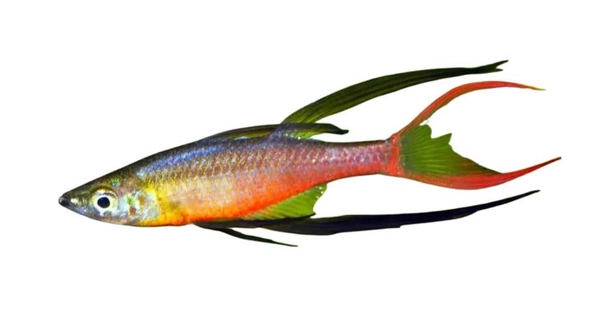
Threadfin Rainbowfish are small, colorful fish often found in home aquariums. Their playful movements and bright scales make them a joy to watch, yet sometimes they swim in unusual patterns that catch the eye.
Threadfin Rainbowfish occasionally swim in spirals as a form of social interaction, stress response, or mating behavior. These spiral movements help establish hierarchy, communicate with other fish, and can also indicate environmental discomfort or excitement.
Observing these patterns can reveal more about their behavior, health, and interactions within the aquarium environment. Understanding this can improve both care and enjoyment.
Understanding Spiral Swimming
Threadfin Rainbowfish often swim in spirals as a natural part of their behavior. This action is sometimes linked to communication with other fish in the tank. By swimming in a spiral, they signal dominance, curiosity, or interest in potential mates. Observing their movements closely helps identify what is happening within the group. Spiral swimming can also indicate excitement or mild stress, depending on the environment. Water quality, tank size, and decorations influence how frequently they display this behavior. Fish may circle more often if they feel confined or lack stimulation. On the other hand, healthy, well-fed fish with ample space often spiral casually during playful interactions. Recognizing these patterns provides insight into their overall well-being. Regular observation and understanding of these behaviors allow for better tank management and improve interactions between the fish. Spiral swimming is not unusual, but it is a useful behavior to monitor for signs of comfort or unrest.
Spiral swimming is mostly harmless and can indicate both excitement and social signals. Paying attention helps maintain their comfort.
Creating a suitable environment supports natural behaviors. Providing space, clean water, and hiding spots reduces stress. Fish that feel secure display more confident, fluid spirals, while overcrowded or poorly maintained tanks can increase erratic or rapid circling. By observing how often and how intensely they spiral, owners can adjust feeding, décor, or social groupings. Some spiral behavior may also reflect reproductive readiness, with males often displaying the pattern more prominently to attract females. Environmental factors such as temperature, water movement, and lighting also influence swimming patterns. Maintaining stability in these areas encourages healthy interactions. While spiraling may seem unusual, it is part of their normal activity and a sign of an active, engaged fish population. Careful monitoring ensures that the behavior remains natural rather than a stress response, supporting long-term health and balanced social dynamics within the tank.
Causes of Spiral Swimming
Several factors contribute to spiral swimming, including social hierarchy and environmental conditions. Fish may spiral to communicate or respond to changes in their surroundings.
Environmental conditions heavily influence spiral swimming. Tank size, water quality, and temperature play key roles in fish behavior. Smaller or overcrowded tanks often lead to more pronounced or frequent spiraling. Similarly, sudden changes in water parameters can trigger these movements as a response to stress. Decorations, hiding spots, and swimming space also affect the intensity and duration of spiraling. Social interactions are another factor. Males may display spirals during courtship, while other fish may follow or respond in kind. Feeding schedules and the presence of other species influence movement patterns as well. Regularly observing spiral swimming and noting changes can provide valuable insights into the fish’s comfort and health. Adjustments in care, space, and tank conditions typically reduce excessive spiraling and promote a more relaxed and natural environment for all inhabitants.
Social Interaction and Hierarchy
Spiral swimming often reflects social hierarchy within a group of Threadfin Rainbowfish. Dominant fish may lead spirals, while others follow, establishing clear roles without aggression. This behavior helps reduce conflicts and maintain harmony among the tank inhabitants.
Observing how Threadfin Rainbowfish interact during spiral swimming gives insight into their social structure. Dominant fish typically initiate the movements, circling confidently while others trail or mimic their pattern. Submissive fish may spiral less or avoid direct interaction, signaling respect for higher-ranked individuals. Over time, these movements reinforce the hierarchy, allowing the group to coexist peacefully. Social spiral swimming also strengthens bonds between fish, particularly in breeding or communal tanks. It is a natural and healthy expression of their instincts.
Spiral swimming is also influenced by age and size. Younger or smaller fish may be more cautious, participating occasionally, while older or larger fish dominate the patterns. This dynamic ensures balanced social interactions and reduces the likelihood of stress or injury. Environmental enrichment and adequate space allow all fish to display their natural behaviors without conflict. Understanding these dynamics can improve tank management, making the environment more comfortable and predictable for every fish in the aquarium.
Environmental Factors
Water quality, temperature, and tank size directly impact spiral swimming in Threadfin Rainbowfish. Proper conditions encourage healthy movement, while poor conditions can trigger erratic or stressed spirals. Adequate filtration and monitoring are essential to maintain balance.
Environmental changes can cause immediate and noticeable differences in spiral swimming. For instance, fluctuating temperatures or sudden drops in water quality may lead to rapid or tight spirals, reflecting stress. Overcrowded tanks reduce swimming space, causing irregular patterns or frequent circling as fish attempt to assert personal space. Tank decorations, hiding spots, and plants also influence how freely fish can swim in spirals, promoting or restricting natural behaviors. Providing stable conditions and ample room ensures that spiraling remains a positive, natural activity rather than a response to discomfort or anxiety.
Maintaining consistent environmental parameters supports both social and physical health. Clean water, balanced temperature, and proper tank size allow Threadfin Rainbowfish to express natural behaviors like spiral swimming confidently. Adjusting tank features based on observation can reduce stress-induced spirals and enhance normal interactions. By closely monitoring water quality, flow, and temperature, the risk of abnormal behaviors decreases. Environmental stability not only promotes relaxed spiral movements but also improves feeding, breeding, and overall well-being, making the aquarium a more harmonious space for all fish.
Mating Behavior
Threadfin Rainbowfish often use spiral swimming as part of their mating display. Males circle in tight patterns to attract females and show off their strength, color, and agility, signaling readiness to breed.
Females respond by observing the spirals and sometimes following the males. This coordinated movement helps establish pair bonds and facilitates successful spawning.
Stress Indicators
Spiral swimming can also indicate stress in Threadfin Rainbowfish. Tight, rapid, or repeated spirals often reflect discomfort caused by water quality issues, overcrowding, or sudden environmental changes.
Monitoring spiral patterns allows for early detection of stress. Adjusting water conditions, reducing noise or disturbances, and ensuring proper tank size can help fish feel secure and reduce excessive spiraling.
Tank Setup
Providing ample swimming space, hiding spots, and proper lighting encourages natural spiral swimming. Overcrowding or poorly arranged tanks can lead to erratic movements and stress.
FAQ
Why do Threadfin Rainbowfish swim in spirals only sometimes?
Spiral swimming is not constant because it is often linked to specific behaviors or conditions. Fish may spiral during social interactions, mating displays, or when exploring their environment. Stress or sudden changes in water quality can also trigger temporary spiraling. Fish that feel secure and healthy might only perform these movements occasionally, making the behavior appear sporadic.
Is spiral swimming a sign of health or stress?
Spiral swimming can indicate both health and stress depending on context. Smooth, relaxed spirals are generally a sign of active, comfortable fish. Rapid, tight, or erratic spirals often reflect stress caused by poor water conditions, overcrowding, or sudden environmental changes. Observing patterns over time helps distinguish between normal behavior and potential problems.
Can spiral swimming damage my fish?
In most cases, spiral swimming does not harm the fish. It is a natural activity that allows them to communicate and move freely. Problems may arise only if spiraling is caused by stress or illness, such as infections, poor water quality, or overcrowding. Correcting the underlying cause prevents long-term harm and supports overall well-being.
How can I encourage healthy spiral swimming?
Healthy spiral swimming is encouraged by maintaining a stable environment. Providing adequate space, clean water, hiding spots, and proper lighting allows Threadfin Rainbowfish to move naturally. A balanced diet and careful monitoring of social interactions also contribute to confident, fluid spiraling. Avoid overcrowding or sudden changes in the tank to reduce stress-induced spirals.
Do males and females spiral differently?
Yes, males and females often show different spiral patterns. Males are more likely to perform prominent, tight spirals during courtship to attract females. Females may follow or respond subtly, observing the displays. Understanding these patterns helps in identifying breeding readiness and maintaining a balanced social group in the tank.
How does tank size affect spiral swimming?
Tank size directly influences how often and how freely fish spiral. Larger tanks provide more room for fluid movement and allow natural patterns to emerge. Small or overcrowded tanks can restrict movement, causing stress or irregular spirals. Observing behavior in different tank setups helps determine the optimal environment for healthy activity.
Can water quality impact spiral behavior?
Yes, water quality is a major factor. Poor conditions, such as high ammonia, fluctuating temperature, or low oxygen, can lead to tight, rapid spirals that indicate stress. Maintaining stable water parameters and performing regular maintenance ensures that spiral swimming remains natural and healthy.
Are spiral movements linked to age or size?
Age and size influence spiral behavior. Younger or smaller fish may spiral less frequently or cautiously. Larger or older fish often dominate spiral patterns and initiate movements. Recognizing these differences helps in understanding social dynamics and preventing conflicts within the tank.
Should I separate fish that spiral excessively?
Excessive spiraling is usually a sign of stress or discomfort rather than aggression. Instead of separating fish immediately, assess water conditions, tank size, and social dynamics. Adjusting the environment typically reduces stress-induced spirals and allows natural behaviors to continue safely.
Do decorations and plants affect spiral swimming?
Yes, decorations and plants can guide or restrict spiraling. Open swimming spaces encourage fluid movement, while dense plants or obstacles can limit spirals or change their patterns. Providing a balance of open space and hiding spots allows natural behavior while offering security and enrichment.
How can I tell if spiraling is a mating display?
Mating spirals are usually more deliberate and rhythmic. Males display brighter colors, tighter spirals, and repeat movements to attract females. Females respond by following or circling the male. Observing repeated, purposeful patterns during breeding season is a strong indicator of reproductive behavior.
What is normal spiraling versus abnormal spiraling?
Normal spiraling is smooth, occasional, and part of social or environmental interaction. Abnormal spiraling is rapid, tight, repetitive, or combined with other stress signs like hiding, loss of appetite, or erratic swimming. Monitoring patterns and tank conditions helps differentiate between healthy activity and potential issues.
Can spiral swimming indicate aggression?
In some cases, spiraling may be part of dominance behavior. Dominant fish may circle to assert their position, while others respond submissively. True aggression is usually accompanied by chasing, nipping, or territorial displays. Understanding these nuances helps manage social balance without unnecessary separation.
How often should I observe spiral swimming?
Regular observation is key to understanding behavior. Daily monitoring helps identify patterns, changes, or signs of stress. Recording notes on frequency, intensity, and context of spirals allows early detection of problems and ensures that the fish remain healthy and comfortable.
Does diet influence spiral swimming?
Diet affects energy levels and overall health, indirectly influencing spiral activity. Well-fed, balanced fish are more likely to engage in natural, confident spirals. Nutritional deficiencies or irregular feeding schedules can reduce movement or cause stress-induced behavior, including irregular spiraling.
Can spiral swimming be trained or encouraged?
While not “trainable” in the strict sense, fish can be encouraged to display natural spirals through environmental enrichment. Open spaces, hiding spots, social grouping, and consistent care promote confident movements. Healthy, unstressed fish naturally engage in spiral swimming without direct intervention.
Are spiral patterns unique to each fish?
Yes, individual fish may display slight variations in speed, tightness, and frequency of spirals. Observing these differences can help identify individual behavior traits and social roles, especially in mixed-age or mixed-size groups. Tracking these patterns aids in understanding overall tank dynamics.
How long do spiral swimming sessions usually last?
Sessions vary depending on purpose and context. Social or playful spirals may last a few seconds to a couple of minutes. Stress-induced or mating spirals can be longer and more intense. Duration often reflects the fish’s comfort level and environmental conditions, making observation essential.
Can other species affect spiral behavior?
Yes, tankmates can influence spiraling. Peaceful, compatible species encourage natural behavior, while aggressive or overly active species may trigger stress-induced spirals. Choosing compatible fish and observing interactions ensures that spiral swimming remains healthy and reflective of normal social behavior.
What signs indicate that spiraling is becoming a problem?
Excessive, erratic, or prolonged spiraling combined with hiding, loss of appetite, or rapid breathing indicates stress or health issues. Investigating water quality, tank conditions, and social interactions promptly helps prevent serious problems and restores natural behavior.
Is spiral swimming more common at certain times of day?
Spiraling may peak during feeding, increased light, or periods of social activity. Morning or evening often shows more movement as fish explore, interact, or feed. Observing timing can provide insight into daily routines and optimize care and feeding schedules.
How do I reduce stress-related spiraling?
Addressing water quality, providing space, stable temperature, and reducing disturbances lowers stress-induced spirals. Balanced diet, social stability, and environmental enrichment support normal activity. Regular observation ensures that adjustments are effective and fish remain comfortable.
Can spiraling indicate reproductive readiness in young fish?
Yes, juvenile fish approaching maturity may begin light spiraling as part of social learning and courtship practice. Observing these early patterns helps anticipate breeding behavior and allows proper preparation of the tank environment for future spawning.
Does lighting affect spiral swimming?
Lighting influences activity and comfort. Bright or fluctuating lights may stress fish, causing tighter or erratic spirals. Soft, consistent lighting encourages natural movement and reduces stress-induced behavior, supporting healthy spiraling patterns throughout the day.
Can spiral swimming indicate illness?
Abnormal spiraling combined with lethargy, color changes, or clamped fins may suggest illness. Observing these signs early and addressing water quality, diet, or medical treatment prevents escalation and ensures fish recovery while maintaining natural behaviors.
Should I document spiral behavior?
Yes, tracking patterns, frequency, and intensity of spiral swimming provides valuable insights into fish health, social structure, and environmental suitability. Documentation helps detect changes early and guides adjustments to care or tank conditions.
How do temperature changes impact spiraling?
Sudden drops or rises in temperature can trigger tight or erratic spirals as a stress response. Stable, appropriate temperatures allow fish to swim naturally and maintain normal social and reproductive behavior. Monitoring and adjusting heaters or cooling systems ensures consistent conditions.
Are spiral swimming patterns influenced by water flow?
Water currents affect movement and energy expenditure. Moderate flow encourages fluid spirals, while strong currents may disrupt patterns or stress fish. Proper flow design balances activity, natural behavior, and comfort, allowing normal spiral swimming without forcing excessive exertion.
Can multiple fish spiral together?
Yes, group spiraling occurs during social interaction or mating. Fish may synchronize movements, creating a flowing pattern that reflects communication and social bonds. Observing coordinated spirals provides insight into group dynamics and tank harmony.
Is spiral swimming more common in certain tank sizes?
Larger tanks allow freer movement and more natural spiraling, while smaller tanks restrict swimming space and may trigger stress-induced behavior. Observing patterns in different tank setups helps optimize space and improve fish welfare.
Can stress-induced spirals lead to long-term problems?
Persistent stress can affect appetite, immunity, and growth. Excessive spiraling may indicate chronic stress that requires attention. Correcting environmental factors and monitoring behavior ensures long-term health and reduces risk of behavioral or physiological issues.
How can I differentiate playful spirals from stress spirals?
Playful spirals are smooth, fluid, and occasional, often during feeding or social activity. Stress spirals are tight, rapid, repetitive, and sometimes accompanied by hiding, nipping, or loss of appetite. Observing context and patterns allows accurate distinction.
Do breeding tanks influence spiral behavior?
Yes, breeding tanks encourage more prominent spiraling, especially among males displaying courtship behavior. Females respond with observation or following patterns. Proper setup with hiding spots, open space, and water quality supports these natural reproductive displays without stress.
Can spiral swimming indicate excitement or curiosity?
Yes, casual spiraling often reflects interest in surroundings, new tank features, or social interactions. Confident, relaxed spirals are a positive sign of engagement and environmental comfort.
Are there ways to measure spiral intensity?
Measuring frequency, speed, and duration of spirals provides insight into social dynamics, stress levels, and reproductive readiness. Simple observation and note-taking allow assessment of normal versus abnormal behavior over time.
Do tank decorations encourage or discourage spiraling?
Open areas promote fluid spirals, while dense or obstructive decorations can alter patterns or create stress. Balancing open space with hiding spots ensures natural behavior while providing security.
Can spiraling behavior vary between different fish species?
Yes, spiral patterns differ among species. Threadfin Rainbowfish have specific tendencies in speed, tightness, and frequency. Comparing species helps distinguish normal behavior from stress or social adaptation within a mixed-species tank.
How long should I observe to understand normal spiraling patterns?
Daily observation over several weeks provides a reliable baseline. Recording frequency, duration, and context ensures accurate understanding of natural behavior and allows detection of deviations indicating stress or health issues.
Can spiral swimming help monitor breeding readiness?
Yes, males displaying repeated, rhythmic spirals often signal reproductive readiness. Observing female responses confirms potential pairing and informs preparation for breeding without causing stress.
Does social grouping affect spiral behavior?
Yes, group composition, number of fish, and size differences influence spiraling. Balanced social groups encourage normal patterns, while imbalance or overcrowding may trigger stress-induced behavior, requiring adjustments to tank dynamics.
Can feeding routines influence spiral swimming?
Regular feeding encourages active movement, including casual spirals, while irregular or insufficient feeding can reduce activity or cause stress-related spiraling. Maintaining consistent schedules supports natural behaviors.
Is spiral swimming more noticeable at certain times of day?
Fish may spiral more during active periods, such as feeding or increased light hours. Observing timing provides insights into daily routines and environmental preferences.
Can spiral swimming indicate environmental discomfort?
Yes, tight, rapid, or repetitive spirals often signal discomfort from poor water quality, temperature fluctuations, or lack of space. Prompt adjustments restore comfort and normal behavior.
Should I intervene if my fish spiral excessively?
Intervention should focus on identifying causes rather than stopping the behavior. Adjusting water quality, tank size, and social dynamics usually resolves excessive spiraling naturally.
Can spiral swimming reflect emotional states?
Yes, relaxed spirals suggest comfort and curiosity, while erratic, tight spirals indicate stress, agitation, or discomfort. Understanding these patterns aids in providing proper care and a stable environment.
Does water temperature variation affect spiral frequency?
Sudden changes can increase stress-induced spiraling. Stable temperature supports natural patterns and consistent behavior. Monitoring and controlling temperature prevents disruption.
Can multiple factors combine to affect spiral swimming?
Yes, social hierarchy, tank size, water quality, diet, and lighting all interact to influence spiral behavior. Observing multiple aspects ensures accurate understanding and effective management.
Is it normal for fish to spiral around specific tank areas?
Yes, fish may choose certain regions for spiraling, often near open space, feeding areas, or hiding spots. Recognizing preferred areas helps optimize tank layout for natural movement.
Does lighting type impact spiraling behavior?
Consistent, soft lighting encourages relaxed spirals. Harsh or fluctuating light can stress fish, causing erratic or rapid spirals. Choosing the right lighting supports healthy, natural behavior.
How do I know if spiral swimming is excessive?
Excessive spiraling is frequent, tight, or combined with stress signs like hiding, loss of appetite, or rapid breathing. Tracking frequency and context helps determine if intervention is needed.
Can tank water flow affect spiral patterns?
Yes, moderate flow promotes fluid spirals, while strong currents can disrupt or stress fish, altering movement patterns. Proper design ensures natural, comfortable spiraling.
Are there seasonal changes in spiral behavior?
Some seasonal or environmental changes, like temperature fluctuations or breeding cycles, may increase spiral frequency or intensity. Observing trends helps anticipate natural variations.
How can I encourage natural spiraling without stress?
Provide open swimming space, proper tank setup, hiding spots, balanced diet, and stable water conditions. Observing fish and adjusting care ensures healthy, natural spiral swimming.
Do younger fish spiral differently from adults?
Younger fish spiral less frequently and cautiously, while adults may dominate patterns. Age and size influence confidence, social interactions, and overall movement behavior.
Can observing spirals indicate group harmony?
Yes, coordinated spiraling reflects healthy social interactions, balanced hierarchy, and low stress. Disorganized or erratic spirals may indicate conflicts or discomfort.
Does diet consistency impact spiral confidence?
Consistent, nutritious feeding supports energy levels, allowing fish to display confident spirals. Poor diet can reduce activity or trigger stress-related behavior.
Are spiral patterns predictable?
Patterns are partially predictable, depending on social roles, environmental conditions, and daily routines. Observation helps anticipate natural movements and maintain a comfortable tank environment.
Can spiraling indicate reproductive success?
Yes, consistent courtship spirals suggest readiness and potential for successful breeding. Observing interactions confirms pairing and reproductive behavior without stress.
Does spiraling occur in all Threadfin Rainbowfish populations?
While common, frequency and intensity vary based on environment, social structure, age, and tank conditions. Observation is necessary to determine normal behavior for each population.
Can excessive spiraling be a sign of disease?
Yes, combined with lethargy, discoloration, or clamped fins, abnormal spiraling may indicate illness. Early detection and water quality management help prevent worsening conditions.
How long should I wait before adjusting tank conditions?
Observation over several days to a week is recommended. Tracking patterns ensures changes address the right cause without unnecessary disruption to the fish.
Can stress-related spirals affect other fish?
Yes, stressed fish spiraling excessively may disturb social balance or provoke mild stress in tankmates. Managing causes maintains harmony and reduces ripple effects.
Do spiral patterns vary with lighting cycles?
Yes, fish may spiral more during active light periods and less during dim or night hours. Consistent cycles encourage natural behavior.
Are spiral movements linked to feeding times?
Yes, fish often perform casual spirals during or around feeding times, reflecting excitement, anticipation, or interaction with other fish.
Can spiral swimming indicate environmental enrichment needs?
Yes, lack of stimulation may lead to repetitive or stress-induced spirals. Adding hiding spots, plants, or open spaces promotes healthy movement and engagement.
Should I separate fish showing aggressive spirals?
Only if aggression accompanies spiraling. Social assessment and environmental adjustment usually resolve dominance-related behavior without separation.
Do spiral patterns differ in breeding versus regular tanks?
Breeding tanks encourage more pronounced, repeated spirals as males display courtship behavior. Observation helps identify reproductive readiness and supports natural breeding displays.
Can spiral swimming indicate curiosity about new tank elements?
Yes, fish may spiral around new decorations or changes as a form of exploration, reflecting engagement rather than stress.
Are spiral patterns affected by water hardness or pH?
Yes, significant changes in water chemistry can stress fish, causing tight or erratic spirals. Stable conditions promote natural, fluid behavior.
Can spiral swimming be used to monitor tank health?
Yes, abnormal spirals often signal environmental or social issues. Observing frequency, intensity, and context helps detect problems early.
Does social grouping influence spiral confidence?
Balanced groups encourage natural, confident spiraling. Imbalances or overcrowding may lead to stress-related or submissive patterns.
Can spiral swimming indicate excitement during feeding?
Yes, fish often perform casual spirals reflecting anticipation and interest during feeding, especially in well-fed, healthy fish.
Is spiral swimming more common in certain ages?
Juveniles spiral less frequently, while adults, especially dominant males, show more pronounced and confident patterns.
Can environmental noise affect spiral behavior?
Loud or sudden noise can stress fish, triggering rapid or erratic spirals. A calm, stable environment reduces this behavior.
How do I know when spiraling is normal?
Smooth, occasional spirals without stress signs are normal. Observing consistency, context, and interaction patterns ensures behavior is healthy and natural.
Does water temperature stability influence spiral duration?
Yes, stable temperatures support longer, confident spirals, while fluctuations often shorten or disrupt patterns due to stress responses.
Are spiral patterns unique to individuals?
Yes, each fish may display slightly different spiral behavior in speed, tightness, and frequency, reflecting personality, age, and social role.
Can I record spirals for monitoring purposes?
Recording frequency, duration, and intensity of spirals helps track behavior trends, detect stress, and maintain optimal tank conditions.
Does spiral swimming indicate reproductive cycles?
Repeated, rhythmic spirals, especially by males, often reflect readiness to breed. Observation confirms pairing and reproductive behavior naturally.
Can tank decorations alter spiral direction?
Yes, obstacles or plants may redirect spiraling, affecting speed and pattern. Open spaces encourage natural fluid
Final Thoughts
Threadfin Rainbowfish are fascinating to watch, and their spiral swimming is one of the behaviors that makes them so interesting. These spirals are not random movements but are closely tied to social interaction, environmental conditions, and reproductive behavior. Observing spiral patterns provides valuable insight into how these fish communicate and interact with one another. Dominant fish may lead spirals while others follow, establishing a clear social hierarchy without direct aggression. In smaller tanks or in crowded conditions, spiraling may become more frequent or intense as fish attempt to establish personal space. Similarly, healthy fish in a well-maintained tank tend to display relaxed, fluid spirals that reflect comfort and confidence. Recognizing the difference between natural and stress-induced spiraling is important for maintaining the overall health and wellbeing of your fish. By paying attention to these behaviors, owners can create a supportive environment that encourages normal activity while reducing potential stressors.
Environmental factors play a significant role in spiral swimming. Water quality, temperature, and tank layout can all influence how often and how comfortably fish spiral. Poor water conditions, sudden temperature changes, or lack of swimming space can trigger tight, rapid, or erratic spirals, which often indicate stress. Providing a stable, clean environment with proper filtration and adequate swimming room allows Threadfin Rainbowfish to move freely and express their natural behaviors. Decorations and plants can also impact spiraling by creating open areas for free movement while offering hiding spots for security. Feeding routines, lighting, and social group composition contribute to overall activity levels. Well-fed, healthy fish in a stable environment are more likely to display confident, relaxed spiraling, while fish experiencing discomfort or environmental challenges may show repetitive or anxious movements. Observing and adjusting tank conditions based on spiral behavior ensures a balanced and comfortable habitat.
Spiral swimming also provides insight into reproductive behavior and social interaction. Males often perform more pronounced spirals as a courtship display to attract females, while females respond by observing or following the pattern. Understanding these natural behaviors allows owners to support breeding without creating stress. Spiral swimming can also indicate curiosity or engagement, especially when fish explore new areas or investigate changes in their environment. However, persistent erratic or tight spirals, particularly when combined with hiding, loss of appetite, or other stress signs, should be addressed promptly to prevent long-term health issues. Tracking spiral behavior over time helps identify normal patterns, detect changes in social dynamics, and monitor overall tank health. By combining careful observation, proper tank management, and attention to social and environmental factors, owners can ensure that Threadfin Rainbowfish remain healthy, active, and comfortable while continuing to display their natural, captivating spiral swimming behavior.

Hello,
If you enjoy the content that we create, please consider saying a "Thank You!" by leaving a tip.
Every little bit helps us continue crafting quality advice that supports the health, happiness, and well-being of pets around the world, for pets of all shapes, sizes, and species.
We really appreciate the kindness and support that you show us!