
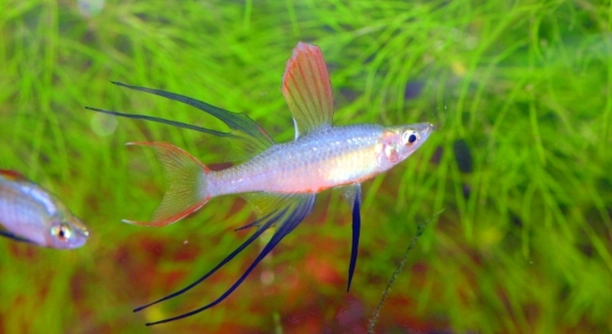
Have you ever thought about what happens when threadfins are kept in darkness for too long? These unique fish respond to light changes in ways that may affect their behavior, mood, and even physical well-being.
When threadfins are left in prolonged darkness, they often become less active, experience disruptions in feeding patterns, and may show increased stress behaviors. Extended absence of light can also interfere with their natural biological rhythms, ultimately influencing their overall health and stability.
Learning about how threadfins react to different environments can give you valuable insight into their needs. By understanding these subtle changes, you can better support their natural balance and ensure a healthier aquatic environment.
How Threadfins Respond to Darkness
Threadfins are sensitive fish that rely on balanced light exposure for their daily patterns. When kept in darkness for too long, they may struggle with orientation and activity. Light helps guide their feeding cycles, swimming habits, and energy levels. Without it, they can become sluggish and display unusual movements that are not typical of their usual behavior. Prolonged darkness may also impact their overall health by altering stress responses and disrupting natural rhythms. Over time, this can lead to changes in appetite, making them less likely to eat properly. For threadfins in aquariums, ensuring proper light cycles is vital.
A lack of consistent light signals can affect how they rest and when they choose to explore their environment. Threadfins rely on a stable setting, and extended darkness can remove this stability, creating challenges for both their health and their behavior.
These changes highlight how essential a controlled light cycle is for their care. When threadfins lose the natural rhythm provided by balanced light, they often become less predictable. A well-maintained environment with steady light exposure not only supports their physical state but also helps keep their natural patterns intact, making them healthier and more comfortable.
Creating a Healthy Lighting Routine
Threadfins thrive best when their environment includes steady light cycles that resemble natural conditions. Sudden changes in brightness or leaving them in extended darkness can make them unsettled, affecting how they eat and interact within the tank.
To create a healthier lighting routine, consistency is the most important factor. Threadfins need clear signals to distinguish day from night, which supports both their feeding and resting cycles. Using an aquarium light on a timer is one of the easiest ways to provide this structure. Ideally, aim for around 10 to 12 hours of light daily, followed by darkness that allows them to rest. Too much light can be just as stressful as too little, so balance matters. A reliable cycle reduces stress, promotes natural swimming activity, and ensures they remain active during the right times of the day. This setup closely mirrors their wild conditions, supporting a healthier and more natural environment. Would you like me to continue the article with another section that explains potential long-term effects of poor lighting on threadfins?
Effects of Poor Lighting on Threadfins
Extended darkness can cause threadfins to become restless and stressed, often leading to erratic swimming patterns. Over time, this stress may weaken their immune system, making them more vulnerable to illness and other environmental challenges.
Stress caused by poor lighting conditions is not always obvious at first. Threadfins may show reduced interest in food, spend more time hiding, or display duller colors. These subtle changes can signal that their environment is no longer supporting their natural cycles. Light provides important cues for their behavior, and without it, their bodies struggle to maintain balance. Over weeks, this imbalance can reduce their ability to recover from even minor stressors.
A lack of proper light can also interfere with growth and energy levels. Threadfins require clear signals to regulate how active they are during the day. Without this structure, they may conserve energy unnecessarily, leading to slower growth and lower activity levels. Their natural instinct to search for food at the right times becomes disrupted, which can eventually affect their nutrition. Maintaining balanced lighting not only keeps them active but also ensures they continue developing properly throughout their lifespan.
Signs Your Threadfins Are Affected
When threadfins are negatively impacted by poor lighting, one of the first things you may notice is a shift in their color. They may appear dull or faded, showing less vibrancy than usual. Another sign is decreased movement and longer periods of hiding.
These visual cues often pair with behavioral changes, such as disrupted feeding habits and slower response to their surroundings. Threadfins that normally swim with energy may begin to linger near the bottom of the tank or avoid interaction altogether. Over time, these signs become more noticeable and can signal underlying stress. Monitoring these changes closely is important, as they indicate that their environment needs adjustment. Maintaining a structured light schedule can help restore their patterns and reduce these negative effects, supporting their health and keeping them active.
How Long Darkness Impacts Daily Patterns
Threadfins exposed to darkness for long periods often lose their natural sense of timing. This disruption affects feeding, resting, and swimming activity, leaving them less structured and less consistent in their daily patterns.
Without balanced light, they may also become inactive during times when they should be exploring. Their behavior shifts gradually, creating an irregular cycle that weakens their health over time.
Supporting Threadfins With Proper Care
Providing threadfins with a regular light schedule is essential to maintaining their health. Using timers helps create consistency, offering about 10 to 12 hours of light daily. This rhythm supports their appetite, activity, and energy levels. Darkness at night allows proper rest. Balanced exposure to both light and dark creates stability, ensuring their natural instincts remain intact. Careful monitoring of their behavior can guide adjustments, making it easier to prevent stress. Maintaining this balance not only supports physical health but also improves their overall comfort in a tank environment, allowing them to thrive instead of struggling.
Importance of Observation
Regular observation helps you notice subtle changes in your threadfins’ behavior. Spotting early signs of stress or unusual habits allows quick adjustments to their lighting schedule, keeping them healthy and reducing the risks that come with prolonged darkness.
FAQ
Can threadfins survive in complete darkness for long periods?
Threadfins can survive temporary darkness, but complete lack of light for extended periods is harmful. They may struggle to maintain normal activity and feeding cycles. Over time, the absence of light can create stress and weaken their immune system.
How many hours of light do threadfins need daily?
Threadfins do best with about 10 to 12 hours of light each day. This mimics natural conditions, helping regulate their appetite and rest cycles. Too much or too little light disrupts their rhythm, affecting health and long-term stability.
Does prolonged darkness affect threadfins’ colors?
Yes, darkness often leads to dull or faded coloration. Light helps maintain vibrancy by supporting healthy metabolism and reducing stress. Without proper exposure, their scales may lose brightness, making them appear less lively and masking early signs of poor health.
What are early signs that threadfins are stressed from poor lighting?
Signs include hiding for long periods, reduced appetite, and sluggish swimming. Threadfins may also stop responding to movement around the tank. If left unchecked, these behaviors can worsen, leading to weakened health and greater risk of illness.
Can threadfins adapt to irregular light schedules?
They can adjust slightly, but irregular lighting creates stress. Threadfins rely on predictable cues to guide activity and feeding. Sudden or frequent changes can confuse their rhythm, leaving them less active, less responsive, and more vulnerable to long-term health issues.
Is too much light just as harmful as too little?
Yes, excessive light can be equally damaging. Constant brightness prevents rest and increases stress, which may result in weaker immunity. Balanced cycles of light and dark are necessary to support natural activity while allowing proper recovery and rest.
How can I tell if my lighting schedule is working?
Healthy threadfins are active during lit hours, show consistent feeding habits, and display vibrant coloration. They rest calmly in darkness. If their routine seems balanced and they remain engaged in their environment, your lighting schedule is likely appropriate.
Do threadfins stop eating when stressed by darkness?
In many cases, yes. Prolonged darkness may suppress appetite because their natural feeding cues are missing. Reduced eating can lead to poor nutrition and slower growth. A structured light schedule helps restore appetite and encourages consistent feeding habits.
What type of lighting is best for threadfins in aquariums?
Soft, steady aquarium lights that mimic natural daylight are ideal. Avoid harsh or flickering lights, as they create stress. Using a timer ensures regularity, which is more important than the type of bulb, as long as it provides gentle illumination.
How quickly do threadfins show stress from poor lighting?
Some changes appear within days, such as hiding or reduced movement. More serious effects, like weakened immunity or faded color, may take weeks. Consistent monitoring helps catch problems early before they develop into long-term health concerns.
Can natural room light replace aquarium lighting?
Natural room light is often inconsistent and does not provide reliable cycles. Seasonal changes and household routines can cause irregular exposure. Dedicated aquarium lighting gives greater control, ensuring stability that threadfins need for predictable activity and proper health.
Do threadfins need complete darkness at night?
Yes, darkness at night is important for rest. Threadfins rely on this time to recover and reduce stress. Keeping lights on constantly may disturb their cycle, leaving them restless and more vulnerable to problems over time.
What happens if I suddenly change their lighting schedule?
Sudden changes can confuse threadfins, leading to stress. They may hide, stop eating, or become inactive. Gradual adjustments are better, giving them time to adapt. Consistency is always more important than quick alterations to their environment.
Are younger threadfins more sensitive to lighting changes?
Yes, younger threadfins are especially sensitive because they are still developing. Irregular lighting can slow growth and affect energy levels. Providing a stable schedule during their early stages helps build healthier habits that support long-term well-being.
How can I restore balance if my threadfins are already stressed by poor lighting?
Begin by setting a regular cycle using a timer, offering 10 to 12 hours of light followed by darkness. Monitor behavior closely, watching for changes in activity, feeding, and coloration. Over time, stability helps them recover and regain normal patterns.
Will poor lighting affect breeding behavior in threadfins?
Yes, breeding can be disrupted by irregular lighting. Threadfins rely on environmental cues, and poor light exposure may suppress these instincts. Balanced cycles support natural behaviors, improving the likelihood of successful breeding and healthier offspring over time.
Can prolonged darkness cause permanent damage?
Extended darkness does not usually cause permanent damage if corrected, but long-term neglect can lead to weakened immunity and stunted growth. Early action is essential. Providing consistent light and dark cycles helps restore their balance before lasting issues develop.
Do threadfins recognize the difference between natural and artificial light?
Threadfins do not distinguish between natural and artificial light. What matters most is consistency in exposure. Whether using sunlight or aquarium lighting, ensuring a steady schedule is key to maintaining their overall health and natural rhythm.
How important is observation in maintaining proper lighting?
Observation is essential. Watching for changes in activity, appetite, and color provides valuable insight. These signs reveal whether lighting is supporting their needs. Regular monitoring allows you to make small adjustments that can prevent larger issues from developing.
FAQ
Can threadfins survive in complete darkness for long periods?
Threadfins can survive temporary darkness, but complete lack of light for extended periods is harmful. They may struggle to maintain normal activity and feeding cycles. Over time, the absence of light can create stress and weaken their immune system.
How many hours of light do threadfins need daily?
Threadfins do best with about 10 to 12 hours of light each day. This mimics natural conditions, helping regulate their appetite and rest cycles. Too much or too little light disrupts their rhythm, affecting health and long-term stability.
Does prolonged darkness affect threadfins’ colors?
Yes, darkness often leads to dull or faded coloration. Light helps maintain vibrancy by supporting healthy metabolism and reducing stress. Without proper exposure, their scales may lose brightness, making them appear less lively and masking early signs of poor health.
What are early signs that threadfins are stressed from poor lighting?
Signs include hiding for long periods, reduced appetite, and sluggish swimming. Threadfins may also stop responding to movement around the tank. If left unchecked, these behaviors can worsen, leading to weakened health and greater risk of illness.
Can threadfins adapt to irregular light schedules?
They can adjust slightly, but irregular lighting creates stress. Threadfins rely on predictable cues to guide activity and feeding. Sudden or frequent changes can confuse their rhythm, leaving them less active, less responsive, and more vulnerable to long-term health issues.
Is too much light just as harmful as too little?
Yes, excessive light can be equally damaging. Constant brightness prevents rest and increases stress, which may result in weaker immunity. Balanced cycles of light and dark are necessary to support natural activity while allowing proper recovery and rest.
How can I tell if my lighting schedule is working?
Healthy threadfins are active during lit hours, show consistent feeding habits, and display vibrant coloration. They rest calmly in darkness. If their routine seems balanced and they remain engaged in their environment, your lighting schedule is likely appropriate.
Do threadfins stop eating when stressed by darkness?
In many cases, yes. Prolonged darkness may suppress appetite because their natural feeding cues are missing. Reduced eating can lead to poor nutrition and slower growth. A structured light schedule helps restore appetite and encourages consistent feeding habits.
What type of lighting is best for threadfins in aquariums?
Soft, steady aquarium lights that mimic natural daylight are ideal. Avoid harsh or flickering lights, as they create stress. Using a timer ensures regularity, which is more important than the type of bulb, as long as it provides gentle illumination.
How quickly do threadfins show stress from poor lighting?
Some changes appear within days, such as hiding or reduced movement. More serious effects, like weakened immunity or faded color, may take weeks. Consistent monitoring helps catch problems early before they develop into long-term health concerns.
Can natural room light replace aquarium lighting?
Natural room light is often inconsistent and does not provide reliable cycles. Seasonal changes and household routines can cause irregular exposure. Dedicated aquarium lighting gives greater control, ensuring stability that threadfins need for predictable activity and proper health.
Do threadfins need complete darkness at night?
Yes, darkness at night is important for rest. Threadfins rely on this time to recover and reduce stress. Keeping lights on constantly may disturb their cycle, leaving them restless and more vulnerable to problems over time.
What happens if I suddenly change their lighting schedule?
Sudden changes can confuse threadfins, leading to stress. They may hide, stop eating, or become inactive. Gradual adjustments are better, giving them time to adapt. Consistency is always more important than quick alterations to their environment.
Are younger threadfins more sensitive to lighting changes?
Yes, younger threadfins are especially sensitive because they are still developing. Irregular lighting can slow growth and affect energy levels. Providing a stable schedule during their early stages helps build healthier habits that support long-term well-being.
How can I restore balance if my threadfins are already stressed by poor lighting?
Begin by setting a regular cycle using a timer, offering 10 to 12 hours of light followed by darkness. Monitor behavior closely, watching for changes in activity, feeding, and coloration. Over time, stability helps them recover and regain normal patterns.
Will poor lighting affect breeding behavior in threadfins?
Yes, breeding can be disrupted by irregular lighting. Threadfins rely on environmental cues, and poor light exposure may suppress these instincts. Balanced cycles support natural behaviors, improving the likelihood of successful breeding and healthier offspring over time.
Can prolonged darkness cause permanent damage?
Extended darkness does not usually cause permanent damage if corrected, but long-term neglect can lead to weakened immunity and stunted growth. Early action is essential. Providing consistent light and dark cycles helps restore their balance before lasting issues develop.
Do threadfins recognize the difference between natural and artificial light?
Threadfins do not distinguish between natural and artificial light. What matters most is consistency in exposure. Whether using sunlight or aquarium lighting, ensuring a steady schedule is key to maintaining their overall health and natural rhythm.
How important is observation in maintaining proper lighting?
Observation is essential. Watching for changes in activity, appetite, and color provides valuable insight. These signs reveal whether lighting is supporting their needs. Regular monitoring allows you to make small adjustments that can prevent larger issues from developing.

Hello,
If you enjoy the content that we create, please consider saying a "Thank You!" by leaving a tip.
Every little bit helps us continue crafting quality advice that supports the health, happiness, and well-being of pets around the world, for pets of all shapes, sizes, and species.
We really appreciate the kindness and support that you show us!