
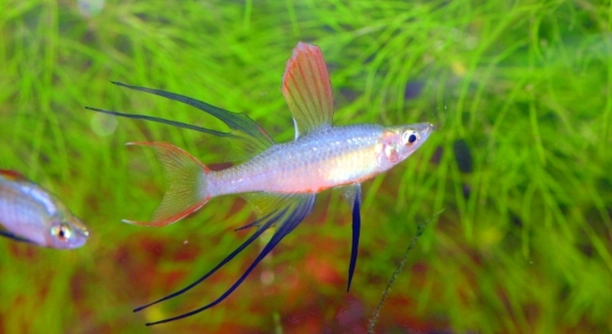
Threadfin Rainbowfish are popular among aquarium enthusiasts for their shimmering colors and active nature. Observing them can be relaxing, but many owners notice a consistent behavior: they often avoid swimming in the middle of the tank, preferring edges and corners.
Threadfin Rainbowfish typically avoid the central area of the tank due to feelings of vulnerability in open spaces. Staying near the tank edges provides security, reduces stress, and mimics their natural behavior in the wild, where shelter is essential for survival.
Learning why these fish behave this way can improve tank setup and care. Recognizing their preferences ensures a healthier, more comfortable environment for your Rainbowfish.
Understanding Their Natural Instincts
Threadfin Rainbowfish are naturally cautious and prefer staying near cover, like plants or decorations. In the wild, they swim in shallow waters with plenty of hiding spots to avoid predators. In a tank, the open middle area feels exposed, triggering their instinct to seek security. Observing their movement patterns helps identify stress signals and environmental preferences. Creating zones with plants, rocks, or other structures allows them to feel safe while still exploring. Adjusting lighting and minimizing sudden movements around the tank can also reduce their anxiety, encouraging more natural behavior. Over time, fish adapt to consistent tank conditions, but the middle will often remain less frequented. Their choice to avoid the center is not a sign of illness, but an expression of their instinctual need for protection. Providing suitable hiding spots ensures they remain healthy and active.
Adding plants and decorations along the sides encourages movement and reduces stress without overcrowding the tank.
By observing the areas your Rainbowfish avoid, you can improve tank placement. Structured hiding spaces along edges let them navigate freely while feeling secure. Tank layout matters as much as water quality, so keeping these preferences in mind improves overall health and activity. Regularly rearranging structures slightly keeps them engaged but ensures the middle remains unobtrusive, respecting their cautious nature. Lighting adjustments, gentle water flow, and consistent feeding routines all contribute to comfort. Over time, fish may explore more confidently, though the middle will still be less visited. Recognizing these natural behaviors prevents unnecessary concern and enhances your connection with your aquatic pets. Understanding instincts also informs decisions on tankmates, ensuring harmony and reducing stress from aggressive or overly active species.
Tank Setup Tips
Positioning plants, rocks, or driftwood along the tank edges creates a secure environment for Threadfin Rainbowfish.
Choosing appropriate decorations improves both safety and visibility. Smooth rocks, tall plants, and floating options provide shelter while preventing overcrowding. Decorations should allow clear swimming paths and access to feeding areas. Avoid sharp or brittle items that could injure fish. Gradually introduce new structures to minimize stress, observing reactions and adjusting placement. Light levels should mimic natural conditions, with gentle transitions between bright and shaded areas. Flow from filters must not be too strong near hiding spots. Keeping a consistent routine for feeding and cleaning reinforces a sense of safety. By balancing secure edges with open space, you encourage healthy exploration while respecting their cautious instincts. Observing their patterns daily helps refine placement, ensuring the tank feels natural. These measures foster activity, reduce stress, and maintain vibrant colors, enhancing both fish well-being and tank aesthetics. Overall, a thoughtful setup creates a stable, safe, and visually appealing environment that supports their behavior.
Reducing Stress in the Tank
Providing plenty of plants and hiding spots reduces stress for Threadfin Rainbowfish. They feel safer along the edges and corners, so placing decorations strategically encourages natural behavior and limits time spent in open areas.
Stress affects health, so observing their reactions to tank conditions is important. Sudden movements, bright lights, or strong water flow can cause them to dart or hide excessively. Ensuring consistent feeding times and maintaining water quality helps them settle. By creating zones of safety, fish gain confidence to explore gradually. Comfortable surroundings reduce disease risk and encourage natural swimming patterns, which also improves their coloration.
In addition to decorations, monitoring tankmates is crucial. Aggressive or overly active fish increase stress and limit movement to safe areas. Quiet, compatible species allow Threadfin Rainbowfish to swim more freely. Regularly checking water parameters and keeping a calm environment ensures long-term health. Adjusting elements like light intensity, flow direction, and hiding spot variety creates a balanced habitat that supports both exploration and security. Observing their behavior daily allows small tweaks that make a big difference.
Encouraging Exploration
Using mid-tank plants or floating elements encourages Rainbowfish to explore the center without feeling threatened. Gradual exposure helps build confidence.
Adding low-lying plants or transparent decorations in the center provides subtle protection while keeping space open. This allows fish to venture toward the middle without complete exposure. Avoid dense, obstructive structures that block swimming paths. Over time, fish become more comfortable navigating larger areas while still retreating to edges if startled. Adjusting flow and light intensity around these mid-tank elements further encourages activity. By carefully introducing exploration points, you can balance their cautious instincts with movement freedom.
Observing their comfort levels during these changes is key. Some fish may take longer to adapt, requiring patience and gradual adjustments. Combining mid-tank shelters with edge zones ensures they always have an escape route. Maintaining consistent water conditions, gentle lighting, and a calm environment supports this transition. Over weeks, most Rainbowfish will explore more of the tank without compromising their sense of safety. Encouraging exploration enhances mental stimulation, reduces boredom, and promotes healthier swimming patterns. Careful monitoring ensures that stress remains low while allowing natural instincts to guide movement.
Water Conditions and Comfort
Maintaining stable water conditions is essential for Threadfin Rainbowfish. Sudden changes in temperature, pH, or hardness can make them retreat to safer areas along the tank edges. Consistency promotes confidence and encourages more balanced swimming throughout the tank.
Proper filtration and regular water changes reduce stress. Clean water ensures fish feel secure and prevents disease, supporting both activity and overall well-being.
Lighting and Visibility
Bright or uneven lighting can make the middle of the tank feel exposed. Adjusting light levels helps Rainbowfish feel safe while swimming and reduces unnecessary hiding.
Social Dynamics
Threadfin Rainbowfish are schooling fish, and their behavior is influenced by tankmates. Keeping them in groups of at least six allows natural interactions, reduces stress, and encourages movement throughout the tank. Proper social structure prevents dominance issues and keeps the group active and comfortable.
Feeding Zones
Positioning food near the edges initially encourages safe feeding. Gradually moving feeding areas toward the center helps Rainbowfish explore more confidently.
FAQ
Why do Threadfin Rainbowfish avoid the middle of the tank?
Threadfin Rainbowfish instinctively avoid open spaces because they feel vulnerable without cover. In their natural habitat, shallow waters with plants or rocks provide shelter from predators. In a tank, the edges and corners replicate this sense of safety. Decorations, plants, and consistent tank conditions help them feel secure while reducing stress.
Can I encourage them to swim in the middle?
Yes, but it requires patience. Gradually introduce mid-tank plants or floating decorations that offer subtle protection. Avoid overcrowding, as too many obstacles can increase stress. Adjust lighting and water flow to mimic natural conditions. Over time, Rainbowfish may venture into open areas while maintaining access to safe edges.
Does tank size affect their behavior?
Tank size influences their comfort. A larger tank with well-placed hiding spots along the edges allows them to explore more freely. Smaller tanks may make the center feel exposed, causing them to stick near the edges. Ensuring enough swimming space with visible shelters encourages movement and reduces stress.
How do tankmates influence their positioning?
Aggressive or overly active tankmates push Rainbowfish toward the edges and corners. Peaceful schooling fish are ideal companions, allowing natural interaction without stress. Keeping at least six Rainbowfish together encourages schooling behavior and more confident swimming throughout the tank. Proper social dynamics support health, activity, and color vibrancy.
What role does water quality play in their behavior?
Stable water conditions are critical. Sudden changes in temperature, pH, or hardness trigger stress, making fish retreat to edges. Proper filtration, regular water changes, and monitoring parameters help maintain a safe environment. Healthy water promotes confident swimming, reduces hiding, and improves overall well-being.
Do lighting conditions affect their swimming patterns?
Yes. Bright or uneven lighting can make the middle feel exposed. Adjusting light levels, creating shaded zones, and using gentle transitions helps them feel safe while swimming. Floating plants or low decorations diffuse light, allowing exploration without causing anxiety. Balanced lighting encourages natural movement patterns.
How important are plants and decorations?
Plants and decorations provide essential security. Tall or floating plants, smooth rocks, and driftwood offer hiding spots along the edges. This setup mimics natural habitats, reduces stress, and encourages confident swimming. Gradual rearrangements prevent boredom while maintaining safe zones, supporting mental stimulation and healthy activity.
Can feeding placement influence their tank use?
Yes, feeding location impacts movement. Placing food near the edges initially provides safety while eating. Slowly moving feeding areas toward the middle encourages exploration without causing fear. Consistent routines reduce stress, and combining safe feeding zones with mid-tank exploration helps Rainbowfish adapt naturally.
Will they ever fully use the middle of the tank?
Some may venture into the center once comfortable, while others always prefer edges. Their behavior depends on personality, tank layout, and environmental stability. Providing a balanced setup with mid-tank shelters, gentle lighting, and secure edges encourages exploration, but respecting their cautious instincts ensures long-term comfort and health.
How can I tell if stress is affecting their behavior?
Signs include excessive hiding, loss of color, reduced appetite, and erratic swimming. Consistently observing Rainbowfish helps identify stress triggers. Adjust tank layout, maintain water quality, monitor tankmates, and ensure proper lighting. Addressing stress promptly supports health, encourages normal swimming, and helps maintain vibrant colors.
Is schooling important for reducing edge preference?
Absolutely. Schooling provides safety in numbers, making fish more confident. Keeping a group of six or more reduces anxiety and encourages movement throughout the tank. Observing group dynamics ensures harmonious behavior, which supports exploration, reduces hiding, and reinforces natural instincts.
Do seasonal changes affect their tank behavior?
Yes. Temperature fluctuations or light variations can influence activity and preferred zones. Maintaining stable conditions and gradually adjusting changes mimics seasonal cycles without increasing stress. Consistent care ensures Rainbowfish remain comfortable, active, and secure in all areas of the tank.
Can tank decorations ever stress them out?
Yes. Overcrowding, sharp objects, or poorly placed items increase stress and restrict movement. Decorations should offer safety without blocking swimming paths. Observing reactions to new items allows adjustments, ensuring a secure environment while promoting exploration and healthy activity.
What is the best approach to balance safety and exploration?
Create secure edges with plants or rocks, introduce mid-tank shelters gradually, adjust lighting, and monitor water conditions. Maintain proper social groups, observe stress signals, and place food strategically. This combination encourages natural behavior, reduces hiding, and allows confident swimming without compromising safety.
How long does it take for them to adapt to new tank arrangements?
Adaptation varies. Some Rainbowfish explore new layouts within days, while others take weeks. Gradual changes, consistent conditions, and secure hiding spots accelerate adaptation. Patience and observation ensure they remain comfortable and confident while slowly exploring all areas of the tank.
Are there signs that a fish is too stressed to use the middle at all?
Persistent hiding, refusal to eat, or constant edge swimming indicates stress. These signs may require adjustments in layout, water quality, lighting, or tankmates. Addressing stress promptly ensures fish regain confidence and prevents health issues caused by prolonged anxiety.
Can temperature and flow adjustments encourage middle swimming?
Yes. Gentle water flow and stable temperatures create a comfortable environment. Strong currents or fluctuating temperatures make open spaces feel unsafe. Consistent, calm conditions combined with mid-tank shelters encourage exploration while respecting natural cautious behavior.
Is it normal for some Rainbowfish to never leave the edges?
Yes. Individual personality and instincts influence tank use. Some remain near the edges despite ideal conditions. Providing secure zones, gradual exploration opportunities, and low-stress tankmates ensures they stay healthy and active even if they prefer edge areas.
How often should I monitor their behavior?
Daily observation is recommended. Tracking swimming patterns, feeding habits, and interactions helps identify stress, illness, or layout issues. Small changes in behavior can indicate environmental problems that require quick adjustments to maintain comfort and health.
What is the role of floating plants in mid-tank exploration?
Floating plants create shaded zones in the middle, offering protection without blocking paths. This encourages cautious exploration while giving a sense of security. Combining floating plants with edge shelters balances activity, reduces stress, and mimics natural habitats for healthier behavior.
How does diet affect their confidence in open spaces?
Consistent, nutritious feeding supports energy and reduces stress, encouraging exploration. Irregular feeding or poor diet can increase anxiety, causing Rainbowfish to avoid open areas. Proper diet maintains health, coloration, and natural movement patterns while boosting confidence throughout the tank.
Are there long-term benefits to encouraging middle swimming?
Yes. Gradual mid-tank exploration promotes mental stimulation, physical activity, and balanced swimming. Fish become less stressed, more colorful, and healthier overall. Providing safe, structured opportunities for exploration ensures long-term comfort while respecting natural instincts and maintaining vibrant behavior.
What adjustments help shy fish become more confident?
Introduce mid-tank shelters gradually, maintain stable water quality, adjust lighting, ensure compatible tankmates, and place food strategically. Consistent routines and patient observation help shy Rainbowfish feel secure while slowly exploring more open areas, supporting natural instincts and well-being.
How can I tell if changes are working?
Signs include more mid-tank movement, consistent appetite, vibrant colors, and relaxed swimming patterns. Observing gradual improvements indicates that tank adjustments are successful and that Rainbowfish are adapting to a comfortable and stimulating environment.
Is it necessary to mimic their natural habitat completely?
Not entirely. Replicating essential elements like cover, lighting, and social structure is sufficient. A balanced, safe, and slightly structured environment encourages natural behavior without needing a perfect recreation of wild conditions.
Do young Rainbowfish behave differently than adults?
Yes. Juveniles may be more hesitant and hide more often. Providing additional hiding spots, gentle lighting, and gradual exposure to mid-tank areas supports confident growth. Adults may explore more freely but still prefer edges when feeling exposed.
Can stress from the middle affect breeding behavior?
Stress from exposure can reduce breeding activity. Providing secure areas, stable conditions, and compatible tankmates encourages natural breeding behavior. Ensuring comfort throughout the tank increases likelihood of healthy spawning and caring for fry.
Are there any tools to monitor their stress levels?
Observational tools like notes, video monitoring, or apps help track behavior patterns. Changes in swimming, hiding, or color indicate stress. Using these tools ensures timely adjustments to maintain a calm and supportive environment for Threadfin Rainbowfish.
How often should I rearrange decorations?
Occasional rearrangement prevents boredom but should be gradual. Sudden changes can increase stress and reinforce edge preference. Introduce new elements slowly, observe reactions, and ensure safe zones remain accessible to maintain balance between exploration and comfort.
Can temperature changes at night affect middle swimming?
Yes. Cooler or unstable temperatures may make the middle feel exposed. Maintaining consistent nighttime conditions, including gentle lighting and stable flow, helps Rainbowfish remain comfortable and confident in both edges and mid-tank areas.
What is the best approach for new tank setups?
Start with secure edge zones, gradual mid-tank shelters, compatible tankmates, stable water, and gentle lighting. Monitor behavior, provide consistent feeding, and adjust decorations slowly. This method reduces stress, encourages exploration, and supports healthy, natural behavior in Threadfin Rainbowfish.
How do I balance decoration density and open space?
Provide enough plants and rocks along the edges while keeping central areas partially open with subtle shelter. Avoid overcrowding to allow free swimming. Balanced spacing encourages exploration, reduces stress, and respects their cautious nature without compromising movement or safety.
What is the role of schooling behavior in reducing stress?
Schooling creates safety in numbers, which reduces edge reliance and boosts confidence. Maintaining proper group sizes allows natural interactions, reduces anxiety, and encourages healthy movement patterns throughout the tank, supporting overall well-being.
How do I know if tankmates are affecting their confidence?
Observe interactions. Aggressive chasing, constant hiding, or restricted swimming indicates negative influence. Switching to compatible, peaceful species ensures Rainbowfish feel secure and encourages confident swimming, including mid-tank exploration.
Can stress from edges affect coloration?
Yes. Constant stress and hiding can dull colors and reduce vibrancy. Providing secure zones, balanced lighting, stable water, and gentle tankmates helps maintain bright, healthy coloration while supporting natural behavior and exploration throughout the tank.
How can I track long-term behavior changes?
Keep notes or video records of swimming patterns, interactions, and feeding habits. Tracking changes over weeks allows identification of successful adjustments, ensuring Rainbowfish remain healthy, active, and confident in all areas of the tank.
Is it normal for some fish to never fully explore the middle?
Yes. Individual personality and instinct influence comfort zones. Providing safe edges, gradual mid-tank exposure, and proper tankmates ensures health and activity even if some Rainbowfish prefer sticking near the edges.
What are the key takeaways for managing mid-tank avoidance?
Secure edges, gradual mid-tank shelters, stable water, gentle lighting, proper social groups, and consistent feeding routines are essential. Observation and patience allow Rainbowfish to explore comfortably while respecting their natural cautious behavior.
Final Thoughts
Threadfin Rainbowfish are naturally cautious, and their tendency to avoid the middle of the tank is a reflection of instinct rather than a problem. These fish feel most secure when they have access to hiding spots along the edges or corners of their environment. In the wild, shallow waters provide natural protection, and this behavior carries over to the aquarium setting. Understanding this instinct helps create a tank that balances safety with opportunities for exploration. By carefully arranging plants, rocks, and decorations, owners can mimic natural conditions while respecting the fish’s natural preferences. Observing their movement patterns is important, as it allows small adjustments to the environment that improve comfort and encourage healthy activity. Even when fish spend most of their time near the edges, it does not indicate illness, but rather a normal behavioral choice based on their need for security.
Providing a stable environment is key to ensuring that Rainbowfish remain healthy and active. Water quality, temperature, and lighting all influence their confidence in different areas of the tank. Sudden changes in these conditions can increase stress, causing fish to hide more or avoid the center entirely. Consistent feeding routines also play a role, as fish feel more secure when they can predict when and where food will appear. Tankmates are another factor to consider, as aggressive or overly active species can push Rainbowfish to the edges and limit natural movement. Maintaining calm, compatible groups encourages social interactions and can gradually increase confidence in mid-tank exploration. Even small adjustments, such as adding floating plants to provide cover or repositioning decorations to create subtle safe zones, can have a noticeable effect on their behavior. Patience and careful observation are essential to finding the right balance that supports both natural instincts and activity.
Encouraging exploration without compromising safety allows Rainbowfish to thrive. Gradual introduction of mid-tank shelters, gentle lighting, and carefully placed decorations create opportunities for movement while keeping them comfortable. Over time, many fish become more confident, venturing further into the tank while always knowing that secure zones are nearby. This balance between safety and stimulation promotes mental engagement, reduces stress, and supports vibrant coloration and healthy swimming patterns. Recognizing individual differences is important, as some fish may always prefer edges while others explore more freely. Respecting these preferences ensures long-term comfort and well-being. By observing behavior, maintaining stable conditions, and providing both security and exploration opportunities, owners can create a supportive and enriching environment for their Threadfin Rainbowfish, allowing them to display natural behavior while remaining healthy and active.

Hello,
If you enjoy the content that we create, please consider saying a "Thank You!" by leaving a tip.
Every little bit helps us continue crafting quality advice that supports the health, happiness, and well-being of pets around the world, for pets of all shapes, sizes, and species.
We really appreciate the kindness and support that you show us!