
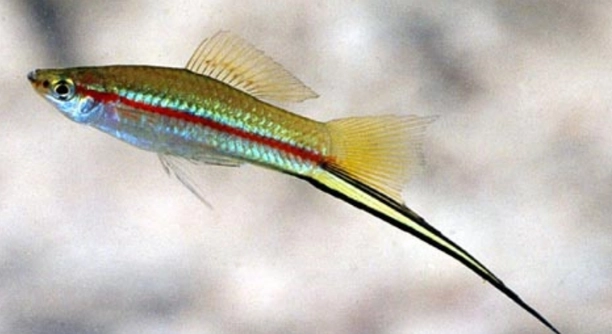
Swordtails are fascinating creatures, often seen swimming up and down in their tanks. This behavior can leave many aquarium owners wondering what it means and why these fish do it.
Swordtails swim up and down due to natural instincts and environmental factors. They may be searching for food, adjusting to water conditions, or exhibiting mating behavior. Additionally, stress or boredom can also trigger this movement.
Understanding why swordtails engage in this behavior can help improve their well-being and create a healthier environment for them. This article explores the possible reasons behind their up-and-down swimming patterns.
Natural Behavior of Swordtails
Swordtails are known for their unique swimming patterns. It’s common for them to swim up and down in their tanks. This is simply part of their natural behavior, often linked to their instincts. In the wild, swordtails would move between different layers of water to find food, avoid predators, or interact with others. When in an aquarium, these fish will often mimic this behavior out of habit. They’re not always looking for something specific, but they just feel comfortable in that type of movement.
Swordtails may swim up and down as a part of their daily routine. This type of motion is normal and is seen as a sign of a healthy fish when it’s not excessive or paired with other signs of distress. It’s natural for these fish to swim actively, especially when they are exploring their environment.
If you notice your swordtail swimming up and down frequently, it might simply be a reflection of its curiosity or comfort level in the tank. As long as it’s not showing signs of stress, like gasping for air or a change in its appearance, this behavior is nothing to worry about.
Environmental Factors Influencing Swordtail Swimming
Sometimes, swordtails swim up and down because of the tank conditions. Poor water quality or lack of oxygen can cause them to move in this manner. Fish are highly sensitive to changes in water conditions, so if the water is polluted or the oxygen levels are low, they may start swimming erratically.
Ensure that the water is clean, and use an aquarium filter to keep it in good condition. Swordtails are also sensitive to temperature changes. If the water gets too cold or too warm, they may show discomfort by swimming erratically. A steady, moderate temperature is ideal for their health.
In addition, swordtails are social fish. If there’s a lack of tankmates, they might start swimming up and down due to boredom or loneliness. Providing a few more swordtails or other compatible species can help them feel more secure and reduce the need for constant movement.
Stress and Anxiety in Swordtails
Stress is another common reason for swordtails swimming up and down. Like many fish, swordtails can become stressed due to changes in their environment. This might include sudden temperature shifts, overcrowding, or aggressive tank mates. When stressed, swordtails may swim in repetitive patterns as a way of dealing with the discomfort.
If your swordtail seems to be constantly swimming up and down, it could be a sign that it’s feeling stressed. Stress can also lead to other health problems, so it’s important to identify the source. Overcrowding in the tank, for instance, may cause the fish to swim more vigorously in an attempt to escape the discomfort of limited space.
To reduce stress, it’s crucial to make sure your swordtail has enough space and feels secure. Keep the water quality high, and avoid sudden changes in temperature or lighting. Adding plants or decorations can also provide hiding spots, helping your swordtail feel more at ease.
Swordtails’ Feeding Behavior
Swordtails may swim up and down in search of food. They are active swimmers and will move around the tank to find any potential food sources. In the wild, swordtails swim through different water layers to catch food. This same instinct carries over when kept in an aquarium.
In many cases, swordtails will swim up to the water surface looking for floating food. At other times, they may swim down to the bottom if they know food has been dropped there. Their behavior is a natural reaction to the instinct to forage and feed. Over time, they learn the feeding routines and may start swimming in specific areas of the tank when it’s feeding time.
Feeding them regularly will help reduce excessive searching behavior. If your swordtail is constantly swimming up and down, it may be due to hunger or a need for variety in its diet. Offering a balanced diet with both floating and sinking food options can keep them satisfied and reduce unnecessary movement.
Water Quality and Movement
Water quality plays a huge role in how swordtails behave. If the water becomes polluted or the pH levels fluctuate, they may swim up and down to avoid areas with poor conditions. This instinct helps them find better oxygen levels or cleaner spots.
Regular water changes and testing can help prevent issues that cause erratic swimming. Swordtails prefer water that is clean and slightly acidic, so maintaining proper water chemistry is important. Ensure that the filter is working properly to keep the water flowing and oxygenated. If water quality isn’t optimal, they may show signs of discomfort by moving more.
Mating Behavior in Swordtails
Swordtails are known to swim up and down during mating displays. Males often show off their sword-like tails and engage in behavior that involves swimming in vertical patterns to attract females. This is a natural part of their breeding routine.
Male swordtails may dart around the tank, especially when they detect a female in the area. Their constant up-and-down movement is a way of catching her attention. During mating season, they’ll focus on specific areas of the tank where they can get closer to potential mates.
FAQ
Why do swordtails swim in circles?
Swordtails swimming in circles can be a sign of boredom or restlessness. If they don’t have enough stimulation or space, they may start swimming in repetitive patterns. They need room to explore, as well as objects like plants or decorations to interact with. Adding some plants or moving the tank around can give them more to do and reduce this behavior.
Is it normal for swordtails to swim up and down constantly?
Yes, it’s perfectly normal for swordtails to swim up and down, especially if they’re comfortable in their environment. However, if they’re constantly doing it, it could be a sign of stress or a sign they are seeking something, like food or better water conditions. You should observe if the behavior is accompanied by signs of distress, like rapid breathing or poor health.
How can I reduce my swordtail’s up-and-down swimming?
To reduce the constant up-and-down swimming, you can first check the water quality. Ensure the pH, temperature, and oxygen levels are optimal. Swordtails may also swim like this when they feel bored, so adding tank mates or plants can give them something to interact with. Make sure the tank is not overcrowded and that there is enough space for them to swim freely.
Do swordtails swim up and down when they’re hungry?
Yes, swordtails may swim up and down when they’re hungry. This behavior could be an attempt to find food or simply out of anticipation. If this is happening around feeding time, it’s likely they are waiting for their next meal. Offering a varied diet and feeding them at regular intervals may help reduce this behavior.
Can swordtails swim up and down due to a lack of oxygen?
Yes, swordtails may swim up and down if they’re struggling to get enough oxygen. They naturally swim towards areas of the tank with better oxygen flow. If you notice your fish swimming in a particular area near the surface or near the filter, it could indicate that the oxygen levels are low. Ensure your tank is well-filtered and consider adding an air stone or increasing water movement.
Why do my swordtails swim up and down near the surface?
Swordtails swimming near the surface can indicate a search for oxygen or food. They may be moving towards the surface because they are either looking for floating food or attempting to get air. If the behavior persists and they seem to be gasping, it may be a sign of poor water quality or low oxygen levels.
Can stress cause swordtails to swim up and down?
Yes, stress is one of the main reasons swordtails swim up and down. They may do this if they feel threatened by other fish, changes in their environment, or if their tank is overcrowded. Swordtails are sensitive creatures, and any disruption to their normal environment can lead to excessive movement like swimming vertically or erratically.
What does it mean if my swordtail is swimming in circles at the top of the tank?
Swordtails swimming in circles near the top of the tank can be a sign of several issues. They may be looking for food or oxygen. It could also mean that they’re stressed, possibly from poor water conditions or overcrowding. Check the water parameters, and if needed, give your fish more space or introduce plants to help break up their line of sight.
Are swordtails territorial? Can they swim up and down because of aggression?
Yes, swordtails can become territorial, especially males. If they feel threatened by other males, they might swim aggressively up and down to establish dominance. In some cases, swordtails may swim vertically to assert control over an area of the tank. It’s important to have enough space for each fish and to provide plenty of hiding spots to reduce conflicts.
What is the ideal tank size for swordtails to prevent excessive swimming?
To avoid excessive swimming, swordtails should have enough space to move freely. The minimum recommended tank size is 20 gallons for a small group of swordtails. More space will help reduce territorial behavior and the feeling of being cramped. A larger tank with adequate filtration and hiding spots is ideal for ensuring your swordtails feel secure.
Do swordtails swim up and down when they’re sick?
Swordtails may swim up and down if they’re feeling unwell. Illnesses, particularly those that affect their gills or internal organs, can cause fish to exhibit erratic swimming behavior. If you notice that your swordtail is swimming abnormally, with other signs like faded colors or lethargy, it’s important to test the water quality and possibly consult an aquarium vet.
How can I tell if my swordtail’s up-and-down swimming is normal or a sign of illness?
If your swordtail’s swimming is consistent and rhythmic, it’s likely normal. However, if the fish seems to be struggling, swimming in circles, or rubbing against objects, these could be signs of illness. Look for other symptoms like loss of appetite, changes in skin color, or abnormal breathing to determine if something is wrong.
Do swordtails need a specific type of water flow to avoid excessive swimming?
Swordtails prefer a gentle water flow, as strong currents can cause them to become stressed and increase their up-and-down swimming behavior. However, they still need some movement to simulate natural conditions. A gentle filter and an aerator should be sufficient to create the ideal environment without causing distress.
What is the best way to make my swordtail feel more comfortable in its tank?
The best way to help your swordtail feel comfortable is by maintaining a clean, well-filtered tank. Offer plenty of hiding spaces like plants, rocks, or caves to help them feel secure. Avoid overcrowding and provide regular feeding times to create a stable and stress-free environment.
Final Thoughts
Swordtails are naturally active fish, and their swimming patterns, including moving up and down, are a normal part of their behavior. This motion can be linked to several factors such as instinctual habits, environmental conditions, or even their social dynamics. In many cases, it’s nothing to be concerned about, especially if the fish are swimming normally and appear healthy. However, paying attention to their surroundings and their behavior can help you better understand if there’s an underlying issue that needs addressing. Swordtails will often swim vertically or in repetitive patterns due to their instincts, water quality, or just because they are exploring their space.
If your swordtail’s swimming habits seem excessive or are accompanied by signs of distress, such as rapid breathing or erratic behavior, it’s important to take action. Ensure that the tank conditions, including water temperature, oxygen levels, and cleanliness, are ideal. Poor water quality can cause stress or discomfort in swordtails, leading to strange swimming behaviors. Regular maintenance, such as changing the water, cleaning the filter, and checking the pH levels, is crucial for creating a stable environment where your swordtail can thrive. The behavior may also be a sign of overcrowding, so providing enough space for each fish to feel comfortable can reduce stress and unnecessary swimming patterns.
Swordtails are relatively easy to care for, but like any pet, they need the right conditions to be healthy and happy. Monitoring their activity and making adjustments as needed will ensure that they lead a fulfilling life in their tank. If swimming up and down becomes a frequent behavior and you’ve addressed all environmental factors, consider whether your fish may be lonely, stressed, or simply curious about their surroundings. With some patience and attention to detail, you’ll be able to create an environment where your swordtail feels at ease, and their natural behaviors will be a healthy part of their routine.

Hello,
If you enjoy the content that we create, please consider saying a "Thank You!" by leaving a tip.
Every little bit helps us continue crafting quality advice that supports the health, happiness, and well-being of pets around the world, for pets of all shapes, sizes, and species.
We really appreciate the kindness and support that you show us!