
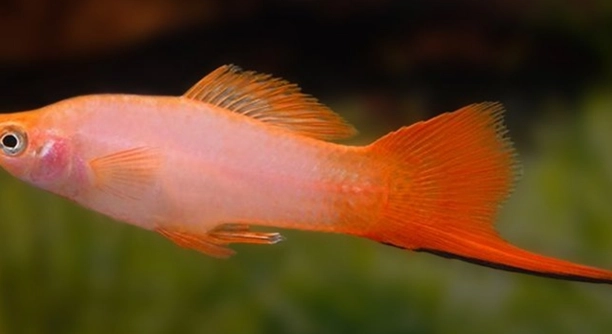
Swordtails are fascinating aquarium fish, but sometimes they suddenly refuse flake food. This behavior can be puzzling for owners who want to ensure their fish stay healthy and well-fed. Understanding this can help you address it.
One common reason swordtails ignore flake food is stress. Factors such as poor water quality, tank mates, or environmental changes can cause them to become less interested in eating. Ensuring a stable and calm environment encourages better feeding behavior.
Identifying these triggers can help improve your swordtail’s feeding habits. By making small adjustments, you can ensure that your fish thrive and maintain a healthy diet.
Reasons Swordtails May Ignore Flake Food
Swordtails may refuse flake food for several reasons. One common factor is the water quality in the tank. Poor water conditions, such as high ammonia levels or incorrect pH, can stress swordtails and make them less likely to eat. Another possibility is the water temperature. Swordtails thrive in warm water, so temperatures outside their preferred range can cause a loss of appetite. Additionally, if the fish feel threatened by aggressive tank mates, they may avoid eating to stay alert. Fish can be sensitive to their environment, and small changes can have a big impact on their behavior.
To prevent these issues, maintain regular water changes and check parameters like pH, ammonia, and temperature regularly. This will ensure your swordtails stay healthy and comfortable.
Making sure your fish feel secure in their tank can also help. Swordtails that feel safe and relaxed are more likely to eat regularly. Try rearranging decorations to create hiding spots or use peaceful tank mates to reduce stress.
How to Encourage Swordtails to Eat Again
If your swordtails are still avoiding food, it might be worth offering them different types of food. Swordtails may grow tired of flake food, and switching to pellets, live food, or frozen options can help reignite their interest. You can also try soaking the flakes in water to soften them, which may make them more appealing. Additionally, swordtails are more likely to eat if they are fed at regular intervals. Consistent feeding routines can help them feel comfortable and expect food at certain times.
Providing a variety of food types keeps swordtails engaged and interested. However, keep in mind that food should not be overfed, as it can lead to water pollution and other health problems for your fish.
Stress and Tank Environment
Stress is one of the biggest factors that can cause swordtails to stop eating. Any sudden changes in their environment, like moving the tank or introducing new tank mates, can make them anxious. Swordtails are sensitive to these shifts and may become shy or reclusive.
If swordtails feel threatened by aggressive tank mates, their stress levels increase. This can lead to a loss of appetite. It’s important to monitor the behavior of other fish in the tank and separate any overly aggressive ones. Providing plants or decorations in the tank can also help swordtails feel more secure.
A peaceful tank environment encourages swordtails to be more comfortable, which in turn improves their feeding habits. Consider introducing tank mates that are calm and peaceful to avoid further stress. Regularly checking the water’s temperature, cleanliness, and pH can also keep stress levels low.
Feeding Habits and Preferences
Swordtails may refuse flake food if they are simply bored with it. Like many fish, swordtails have preferences when it comes to food. Flake food, though convenient, may not always be their first choice. They may prefer live or frozen food such as brine shrimp or daphnia, which are more enticing.
Varying the food options can help bring back the interest in feeding. Offering different textures, such as pellets or freeze-dried options, can stimulate swordtails’ curiosity. If you’ve been feeding only flakes for a while, introducing something new could get them to eat again. Swordtails are more likely to eat when they are offered food that is both appealing and varied.
Rotate food offerings regularly to keep swordtails excited about their meals. It’s important to avoid overfeeding, as this can pollute the tank and create other problems. Keep portions small and adjust them based on your fish’s feeding habits.
Water Quality Issues
Poor water quality is a major reason swordtails stop eating. Ammonia spikes, high nitrate levels, or improper pH can cause them to become stressed and lose their appetite. Regular water testing and changes are crucial in keeping swordtails healthy.
If you notice that your swordtails aren’t eating, check the water quality immediately. Use a water test kit to measure ammonia, nitrites, and nitrates. Maintaining good filtration, frequent water changes, and proper tank cleaning can prevent these issues from affecting your fish’s feeding habits.
Temperature Fluctuations
Swordtails are sensitive to changes in temperature. If the water is too cold or too hot, they may refuse to eat. Ensure that the temperature stays within the ideal range for swordtails, which is between 72°F and 78°F. Sudden temperature changes can also cause stress.
Temperature stability is key to swordtail health. A reliable aquarium heater and thermometer can help keep the tank at the right temperature. Swordtails thrive in warm water, and keeping their environment stable encourages better feeding behavior.
FAQ
Why are my swordtails ignoring flake food?
Swordtails may ignore flake food if they are stressed, bored, or not finding it appealing. Poor water conditions, aggressive tank mates, or sudden environmental changes can cause them to lose their appetite. They may also prefer different food types, like live or frozen food. Providing a variety of food and maintaining a peaceful environment can help.
How can I tell if my swordtail is stressed?
Stressed swordtails may exhibit behaviors like hiding, reduced activity, or a lack of interest in food. If they are darting around the tank or showing aggressive behavior, it could also be a sign of stress. Changes in color, such as fading or darkening, are also common indicators.
Can water temperature affect swordtail feeding?
Yes, swordtails are sensitive to water temperature. If the water is too hot or too cold, it can affect their appetite. Swordtails prefer a temperature range between 72°F and 78°F. Fluctuations outside this range can stress them and lead to them refusing food.
How often should I feed swordtails?
Swordtails should be fed once or twice a day, depending on their age and size. Overfeeding can lead to water quality issues, so only give them what they can consume in a few minutes. It’s important to stick to a feeding schedule to help swordtails establish a healthy routine.
Are swordtails picky eaters?
Swordtails can be picky about food, especially if they’ve been eating the same type for a long time. If they stop eating flake food, try offering different options like pellets, live food, or frozen food. Offering variety can help entice them to eat again.
Why is my swordtail’s appetite decreasing?
A decrease in appetite can be caused by several factors. Stress, poor water quality, illness, or age can all affect a swordtail’s feeding habits. It’s essential to check water parameters regularly, ensure a peaceful environment, and consider potential health issues if the appetite loss continues.
Can tank mates affect swordtail feeding habits?
Yes, aggressive or overly active tank mates can stress swordtails and cause them to stop eating. If a swordtail feels threatened or has to compete for food, it might avoid eating. It’s important to choose peaceful tank mates and monitor their interactions to prevent stress.
How do I encourage my swordtail to eat flake food again?
To get your swordtail to eat flake food again, try softening the flakes by soaking them in water. You can also try offering a variety of foods, such as pellets or live food, and gradually reintroduce flakes. Keeping a consistent feeding schedule and ensuring a stress-free environment will help as well.
What type of food do swordtails prefer?
Swordtails prefer a mix of foods, including high-quality flakes, pellets, live food, and frozen food. They especially enjoy live or frozen brine shrimp, daphnia, and bloodworms. A varied diet ensures they receive the necessary nutrients and helps keep them interested in eating.
Do swordtails need live food to stay healthy?
While swordtails can survive on flake food, live food provides additional nutrients and enrichment. Offering live food a few times a week can help boost their health and encourage natural hunting behaviors. However, it’s not essential as long as they receive a balanced diet.
What should I do if my swordtail is not eating for days?
If your swordtail refuses to eat for several days, check the water quality and temperature first. If the water is in the right condition and the fish is still not eating, monitor for signs of illness. If symptoms persist, consult an aquarium professional or veterinarian.
Final Thoughts
Swordtails are generally hardy fish, but like any pet, they can sometimes experience changes in behavior. If your swordtail suddenly stops eating flake food, there could be several reasons behind this. It’s important to take a methodical approach to determine the cause. Start by checking the water quality and temperature. Swordtails are sensitive to changes in their environment, so keeping their habitat stable is essential. Regular water changes, along with monitoring ammonia, pH levels, and temperature, can help maintain a healthy environment for your fish.
Another factor to consider is the food itself. Swordtails may grow bored of the same food every day. Offering variety is a good way to rekindle their interest in feeding. If they’re avoiding flake food, try offering live, frozen, or even different types of pellets. Soaking the flakes before feeding can also make them more appealing. Experimenting with different food types will help you understand what your swordtail prefers, making it easier to meet their dietary needs. A varied diet ensures that your fish get all the nutrients they need to stay healthy.
Lastly, consider the tank’s overall environment. Swordtails, like many other fish, can be affected by stress. If there are aggressive tank mates or changes in the tank, this could contribute to your swordtail’s loss of appetite. Try rearranging the tank to provide hiding spots and make it feel safer. Peaceful tank mates can also help reduce stress and encourage healthy feeding habits. By paying attention to their diet, water quality, and environment, you can ensure that your swordtails remain happy and healthy.

Hello,
If you enjoy the content that we create, please consider saying a "Thank You!" by leaving a tip.
Every little bit helps us continue crafting quality advice that supports the health, happiness, and well-being of pets around the world, for pets of all shapes, sizes, and species.
We really appreciate the kindness and support that you show us!