
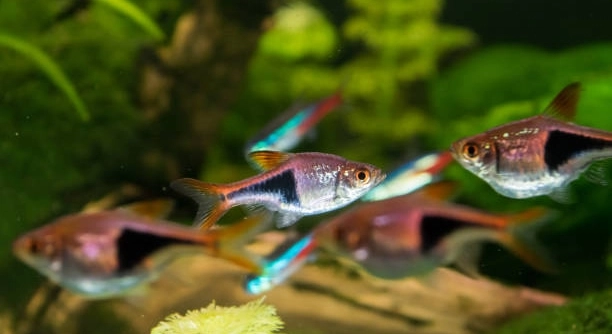
Rasboras are small, peaceful fish often found swimming in groups in home aquariums. They move gracefully through the water but sometimes linger near the tank walls, catching the attention of many fishkeepers. Their behavior can be both interesting and puzzling.
Rasboras often stay close to tank walls due to a combination of environmental awareness and social behavior. Wall-adjacent swimming provides them with a sense of security, helps them monitor their surroundings, and reduces stress in unfamiliar or brightly lit aquariums.
Observing these tiny fish along the glass can reveal much about their comfort and well-being. Understanding their habits helps create a more suitable and calming aquarium environment.
Common Reasons Rasboras Stay by Tank Walls
Rasboras often linger by tank walls because it feels safer to them. In nature, these fish use edges and corners to avoid predators. In a home aquarium, walls provide a similar sense of security, especially when they are new or stressed. Lighting also affects their behavior. Bright or harsh light can make them feel exposed, so they stay close to the glass where shadows and reflections create a calmer environment. Water currents play a role too; slower-moving areas near walls allow them to rest without being constantly pushed around. Some fish are naturally more cautious and prefer staying near boundaries rather than venturing into open spaces. Observing how they interact with plants, decorations, and other fish can reveal patterns. By paying attention to their preferences, aquarists can arrange the tank to suit their comfort, reducing stress and promoting healthier behavior. This simple adjustment can improve both their activity and overall mood.
Stress, light, and tank setup often influence rasboras to stick near the edges. They respond strongly to changes in their environment, showing caution naturally.
Walls also help rasboras feel part of a group. When swimming near the tank edges, they can see each other clearly, keeping the shoal tight. Tight groups make them feel less vulnerable. Decorations and plants close to the walls enhance this sense of safety. Even minor water changes can cause temporary hiding along the glass. Observing their reactions over time helps identify patterns in their behavior. Small adjustments, like rearranging decorations or softening the light, can make them explore more. Creating shaded areas or placing plants along the perimeter encourages them to swim confidently. Temperature consistency matters as well, because sudden shifts make them seek sheltered zones. Understanding these tendencies allows owners to balance tank design and fish comfort. Over time, rasboras often become more relaxed, swimming throughout the tank while still occasionally returning to familiar walls for reassurance.
How Lighting and Reflections Affect Rasboras
Bright lights or reflections often draw rasboras to tank edges. The glass surfaces create visual boundaries, which make them feel secure and less exposed.
Reflections can make the fish see copies of themselves, influencing shoaling behavior. This often encourages them to stay near walls where the perceived group appears larger. Additionally, glare from overhead lighting may feel overwhelming, so they instinctively move to areas with softer illumination. In tanks with high contrast between light and shadow, rasboras prefer shaded edges rather than open, brightly lit water. Over time, they may even develop specific routines, returning to favorite wall spots at certain times. Adjusting lighting intensity and adding plants or decorations along the walls can create comfortable zones. This setup reduces stress and encourages natural swimming patterns, making the aquarium feel more like their natural habitat. Understanding how light and reflections shape their behavior helps in providing a calmer and more predictable environment. With careful observation and minor adjustments, their comfort increases, allowing them to thrive while still showing occasional wall-side swimming as part of their instinctive behavior.
Tank Size and Space Considerations
Small tanks limit swimming space, which can make rasboras stay near walls. Crowded tanks or minimal open water encourage edge swimming, as fish feel more secure close to boundaries.
A tank with limited space can affect rasboras’ movement and social behavior. When water volume is low, the shoal has fewer options to spread out, so they naturally stick near edges. This behavior reduces stress and prevents unnecessary conflicts with other fish. Overcrowding also increases competition for food and resting areas. By providing adequate space and maintaining proper stocking levels, owners can encourage more varied swimming patterns and allow fish to explore open areas while still respecting their instinct to seek safety near walls.
Decorations and plants along tank walls further influence space use. Strategically placing hiding spots and shaded zones encourages fish to explore without feeling exposed. Even with ample open water, rasboras often return to familiar edges for reassurance, making wall-side swimming a natural and ongoing part of their behavior. Consistent observation helps in balancing decorations and space, promoting a calmer environment while allowing them to display their natural shoaling instincts.
Feeding Habits and Their Influence
Rasboras often hover near walls before feeding, waiting for food to reach calmer areas of the tank. They monitor surroundings while staying close to perceived safety.
Feeding patterns strongly affect rasboras’ movement. When food is added, they may linger near edges to assess if it is safe to swim out. Quick-moving or aggressive tankmates can push them toward walls, while slow feeders allow them to venture more freely. Some owners notice fish timing their approach with feeding schedules, showing caution until the food reaches calmer zones. Over time, this behavior can become routine, reinforcing their preference for edges. By adjusting feeding techniques and spreading food evenly, fishkeepers can reduce wall-bound waiting and encourage more central swimming.
The type of food also plays a role. Flakes, pellets, and frozen options fall differently in water, affecting how rasboras approach them. Heavier sinking foods often keep fish near walls as they descend slowly, while lighter foods allow exploration across the tank. Rotating feeding locations and using gentle water currents helps distribute food naturally, encouraging movement. Understanding these habits makes it easier to design feeding routines that balance safety instincts with active swimming, supporting healthier behavior and reducing stress-related wall-hugging tendencies.
Water Flow and Current
Rasboras often stay near walls to avoid strong currents in the center of the tank. Edges provide calmer water, making it easier for them to swim and rest without constant effort.
Even slight water movement can influence their swimming patterns. Fish tend to linger where the flow is minimal, conserving energy.
Stress and Environmental Changes
Changes in water temperature, lighting, or tank decor can make rasboras seek safety along walls. They respond quickly to disturbances, preferring familiar edges until the environment feels stable again.
Social Behavior and Shoaling
Rasboras stick close to walls when shoaling. Staying near edges helps them maintain group cohesion and reduces perceived threats, reinforcing natural schooling instincts.
Reflection and Glass Interaction
Glass surfaces often attract rasboras. They interact with reflections, sometimes thinking it’s another fish, which keeps them close to the walls.
Why do rasboras always stick to the walls?
Rasboras linger near walls mainly because it makes them feel safe. In the wild, they naturally use edges and boundaries to avoid predators. In a tank, walls create a similar effect, giving them a sense of security. Bright lighting, strong currents, or sudden movements can push them toward these calmer zones. Even small disturbances like water changes or tank cleaning may cause temporary wall-hugging. Providing decorations or plants along the edges can help them feel secure without limiting their movement, encouraging natural swimming patterns. Over time, rasboras often alternate between exploring open areas and returning to familiar walls for reassurance.
Is this behavior harmful to my fish?
Sticking to the walls is generally not harmful. It’s a natural instinct to reduce stress and monitor their surroundings. Problems arise only if the fish are confined to a small tank or overcrowded, which can increase stress and lead to health issues. Ensuring proper tank size, stable water parameters, and a balanced environment helps rasboras stay healthy while still showing this edge-preference behavior.
Can lighting affect where rasboras swim?
Yes, lighting plays a significant role. Bright or harsh light makes rasboras feel exposed, prompting them to stay near walls where shadows and reflections offer comfort. Softer or dim lighting encourages them to explore more of the tank. Adding plants or shaded areas along walls can reduce stress and provide natural hiding spots. Reflections on glass can also influence movement. Sometimes they mistake reflections for other fish, making them linger near edges longer than usual. Adjusting lighting intensity gradually can help rasboras feel comfortable in more open areas.
Do tank decorations influence their position?
Decorations and plants near walls encourage rasboras to stay close, as these spots mimic natural hiding spaces. Rocks, driftwood, and plants create shaded areas that make the fish feel protected. Even open tanks benefit from edge decorations, giving them choices without forcing them to constantly hug the glass. Observing which areas they prefer can help with future tank arrangements. Adding more hiding spaces along walls often balances their comfort with freedom, allowing them to explore open water confidently while keeping edges available for reassurance.
How does feeding affect wall-hugging behavior?
Rasboras may stay near walls before feeding, observing the tank to ensure safety. Slow or cautious feeders use edges to monitor surroundings while waiting for food. The type of food matters as well. Heavier sinking pellets or frozen options can keep them near walls, while lighter flakes allow movement across the tank. Feeding from different locations gradually encourages exploration. Over time, consistent and even distribution of food reduces edge-only waiting while still respecting their instincts. This helps create a calmer feeding environment and promotes balanced swimming habits.
Will water flow make them avoid the center?
Yes, water currents affect their swimming patterns. Strong flow in the center of the tank can make rasboras stick to edges where the water is calmer. Even moderate currents cause energy conservation behavior, with fish preferring slower zones. Adjusting filter placement or adding decorations to break up flow can create comfortable areas in the tank’s center. Rasboras will gradually explore these zones if the current is manageable. Observing their movement and adjusting flow encourages active swimming without compromising their sense of safety.
Do social factors make them stay near walls?
Rasboras are shoaling fish, and staying near walls helps them maintain group cohesion. Tight groups feel safer, reducing stress and perceived threats. They often return to familiar edges while keeping the shoal together. Introducing new tankmates slowly helps them maintain confidence while exploring. Proper group size and tank layout support social stability and encourage balanced movement between walls and open areas.
Are sudden changes in the environment a concern?
Yes, abrupt changes in water parameters, lighting, or decorations make rasboras seek safety along walls. They are sensitive to fluctuations and may stick to edges until conditions stabilize. Gradual adjustments, such as slowly changing temperature or light intensity, help them adapt without excessive stress. Consistency in maintenance and routine keeps them confident, encouraging normal swimming patterns throughout the tank.
Can reflections confuse my fish?
Reflections on glass often make rasboras think other fish are present. This can increase wall-hugging as they try to stay close to the perceived group. Reducing glare, adjusting lighting angles, or adding plants to break reflections can help. While harmless, it reinforces edge preference, especially in smaller tanks. Observing and modifying reflections can encourage more balanced swimming behavior.
How do I encourage rasboras to explore more?
Providing larger tanks, gentle water flow, and varied decorations promotes confident movement. Gradual lighting adjustments and even food distribution encourage exploration. Plants or rocks along walls offer security without forcing constant edge-hugging. Over time, rasboras often become more active in open areas while still respecting their natural instincts to return to familiar walls occasionally.
Rasboras are small, peaceful fish that show interesting behaviors in home aquariums. One of the most noticeable habits is their tendency to linger near tank walls. This behavior is completely natural and reflects their instincts from the wild. In open water, staying near edges provides protection and a clear view of surroundings, helping them feel secure. Even in a well-maintained tank, these instincts remain strong. They may stick to walls when they feel stressed, when lighting is bright, or when currents are strong. Observing where and when they spend time near edges can give valuable insights into their comfort and overall well-being. Understanding these behaviors allows aquarists to create an environment that supports both their safety and natural curiosity.
The tank setup plays a key role in how often rasboras stay near walls. Small tanks, strong currents, and lack of decorations can make them feel exposed, encouraging wall-side swimming. Providing hiding spots, plants, or shaded areas along the edges helps them feel secure while still allowing space to explore. Lighting also influences their movement. Bright overhead lights or reflective surfaces can make them seek calmer, shadowed zones near the glass. Even feeding routines affect their position, as they often wait along walls to monitor the tank before venturing out. Adjusting tank conditions gradually—like softening light, spreading food evenly, or rearranging decorations—can encourage more confident swimming without forcing them away from their natural instincts. By paying attention to these details, aquarists can balance safety with activity, helping rasboras thrive.
Social factors are another important part of their behavior. Rasboras are shoaling fish, meaning they feel safer in groups. Staying near walls allows them to keep the shoal together and reduces perceived threats. Changes in the tank, such as new tankmates or water adjustments, may temporarily increase edge-hugging as they adjust. Reflections on glass also influence movement, sometimes making them linger because they perceive other fish nearby. Observing these patterns and creating a stable, calm environment can help reduce stress while respecting their natural tendencies. Understanding why rasboras stay by tank walls gives a clearer picture of their needs, helping owners provide a comfortable and balanced aquarium where these small, lively fish can feel secure, socialize naturally, and explore their space without fear.

Hello,
If you enjoy the content that we create, please consider saying a "Thank You!" by leaving a tip.
Every little bit helps us continue crafting quality advice that supports the health, happiness, and well-being of pets around the world, for pets of all shapes, sizes, and species.
We really appreciate the kindness and support that you show us!