
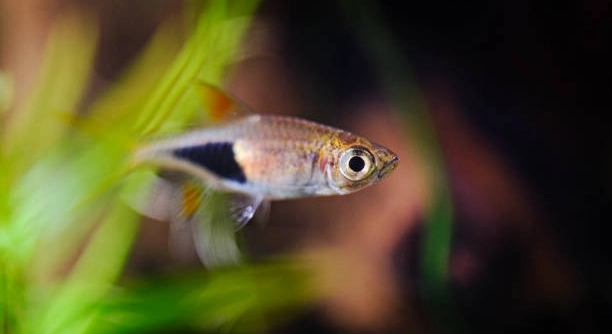
Rasboras are usually peaceful fish that brighten up any freshwater aquarium. However, they can show unexpected territorial behavior, which may confuse many aquarists. Recognizing these early signs can help maintain harmony in your tank environment.
Territorial behavior in rasboras manifests through increased aggression toward tank mates, defined swimming areas, chasing, and fin nipping. Observing consistent dominance displays and spatial guarding indicates these fish are defending personal space within the aquarium.
Recognizing these behaviors early can prevent stress and injuries among your fish. Understanding the signs allows you to manage your aquarium more effectively.
Increased Chasing and Nipping
When rasboras start becoming territorial, one of the first signs is an increase in chasing and nipping among tank mates. Normally peaceful, they may suddenly dart after other fish, especially those entering their preferred swimming areas. This behavior can escalate during feeding times, as territorial fish compete for space and resources. It is not limited to larger tank mates; even smaller or similarly sized fish can be targeted. Over time, this aggression can cause stress, torn fins, and reduced overall health in affected fish. Observing the frequency and intensity of these interactions is crucial for identifying territorial behavior early. Adjustments to the tank, such as increasing hiding spots or rearranging decorations, can help diffuse tension. Consistent monitoring ensures that aggression does not escalate into serious injuries. By understanding how rasboras defend their space, you can maintain a balanced and calmer aquarium environment.
Providing extra cover and rearranging plants can reduce the intensity of chasing and nipping incidents in your tank.
Adding more plants and visual barriers helps create territories and reduces conflicts. Fish can retreat when feeling threatened, preventing constant stress and injuries.
Guarded Swimming Zones
Territorial rasboras often claim specific areas in the aquarium, patrolling them regularly and discouraging other fish from entering. These guarded swimming zones are usually around plants, decorations, or near preferred hiding spots. The fish may repeatedly return to these areas, asserting dominance and signaling to others that this space is off-limits. Observing patterns in their movement can help you identify which areas are being defended and how strongly they are enforcing their territory. It is not unusual for multiple rasboras to claim separate zones, which can lead to skirmishes along the boundaries. Providing enough space and evenly distributed decorations allows each fish to establish its own territory, reducing conflicts. Monitoring these zones also helps aquarists notice any escalation in aggression, ensuring timely intervention. Understanding and accommodating these spatial preferences are key to maintaining harmony and minimizing stress within the tank, promoting healthier behavior for all its inhabitants.
Sudden Changes in Feeding Behavior
Territorial rasboras may eat more aggressively or refuse to share food with other fish. This behavior is a clear sign they are asserting dominance during feeding times, guarding their resources.
These changes in feeding behavior can lead to uneven nutrition among tank mates. Territorial rasboras often chase away smaller or less dominant fish from food, resulting in stress and potential malnourishment for the intimidated individuals. Monitoring how each fish eats can help identify which ones are being affected. Providing multiple feeding spots and spreading food evenly across the tank can reduce competition and ensure all fish receive adequate nutrition. Adjusting feeding routines can also help minimize stress caused by territorial disputes. Consistent observation is key to maintaining a balanced and healthy feeding environment.
Feeding aggression is often accompanied by fin flaring and rapid swimming. Recognizing these subtle cues helps prevent injuries and maintain harmony among all fish in the aquarium.
Hiding and Retreating
Territorial rasboras force other fish to hide more frequently, claiming the best spots in the tank. Shyer fish may retreat behind plants or decorations to avoid conflict.
Frequent hiding is a direct consequence of territorial behavior and indicates stress among less dominant fish. When certain areas are consistently off-limits, the natural movement of the aquarium is disrupted. Fish forced to retreat may show reduced activity, slower growth, or weaker immune responses. Creating more hiding spaces and spreading decorations throughout the tank allows all fish to feel secure while minimizing territorial disputes. Observing which areas are avoided and which fish are retreating helps identify problem zones. Adjusting the tank layout and adding shelters can reduce conflict, promote a calmer environment, and allow all fish to establish comfortable zones for resting and feeding.
Flared Fins and Posturing
Territorial rasboras often flare their fins and posture aggressively toward other fish. This display is a warning to maintain control over their claimed area.
Flaring is usually accompanied by stiff swimming and head-on approaches. Recognizing these signals early can prevent serious confrontations among tank mates.
Increased Patrol Patterns
Territorial fish frequently patrol the same routes within the aquarium, moving back and forth along their claimed zones. This repeated movement signals ownership of space and discourages intrusion by other fish. Maintaining observation of these patterns helps identify which areas are being guarded and the intensity of territorial behavior.
Pecking Order Enforcement
Territorial rasboras establish a hierarchy by pecking at less dominant fish. This behavior reinforces social order and maintains their control over preferred spaces.
How can I tell if my rasboras are becoming territorial?
Territorial behavior in rasboras can be identified through increased chasing, nipping, or flaring of fins. Fish may repeatedly patrol certain areas, guarding plants, decorations, or hiding spots. Observing sudden changes in feeding habits, such as aggressive eating or refusing to share food, is also a clear indicator. Less dominant fish may retreat or hide more often, showing stress from repeated intimidation. Monitoring these behaviors consistently allows you to detect early signs and take steps to reduce conflicts before injuries occur.
What causes rasboras to become territorial?
Several factors can trigger territorial behavior. Overcrowding is a primary cause, as limited space forces fish to compete for preferred areas. Insufficient hiding spots or decorations can intensify competition, leaving some fish without secure zones. Introducing new fish or rearranging the tank can also disturb established social hierarchies, prompting territorial displays. Environmental stress, such as poor water quality or sudden changes in temperature, may further increase aggression. Understanding these triggers helps in creating a stable and balanced tank environment.
How can I reduce aggression among territorial rasboras?
Increasing space and adding decorations or plants can help disperse fish and reduce direct confrontations. Multiple feeding areas spread across the tank allow all fish to access food without competition. Rearranging the tank occasionally may help break up established territories, preventing long-term dominance. Monitoring interactions and separating overly aggressive individuals temporarily can reduce stress for the rest of the fish. Maintaining stable water conditions, including temperature, pH, and filtration, also minimizes environmental stress that could worsen aggression.
Should I separate aggressive rasboras from the tank?
Separation is sometimes necessary when aggression becomes severe and persistent. Overly territorial rasboras can injure other fish or prevent them from eating properly, leading to stress or malnutrition. Using a divider within the tank or moving the aggressive fish to a separate aquarium can provide relief for both parties. Temporary separation may be enough to allow other fish to regain confidence, after which gradual reintroduction can occur. Permanent relocation is an option if aggression cannot be managed effectively.
Can tank size affect territorial behavior?
Yes, smaller tanks often increase territorial disputes because fish have limited space to establish individual zones. Crowding forces competition for resources and favorite spots, leading to aggression. Providing larger tanks with ample swimming room and multiple hiding areas helps each fish feel secure and reduces stress-related conflicts. The size of the tank should match the number of fish and their natural behavior patterns to maintain harmony.
Do certain tank setups encourage territoriality?
Sparse tanks with few plants or decorations give territorial rasboras little opportunity to create personal zones, increasing aggression. Conversely, densely planted tanks with scattered hiding spots allow fish to claim and defend separate areas without constant confrontation. Careful placement of décor and plants can prevent overlapping territories and reduce the likelihood of fights. Creating a natural, structured environment supports peaceful social behavior and keeps the aquarium balanced.
How can I monitor territorial behavior effectively?
Observe the tank during feeding times, when territorial instincts are most apparent. Note which fish chase, nip, or flare their fins and which fish hide or retreat. Regularly checking swimming patterns helps identify heavily guarded zones. Keeping a brief log of aggressive incidents can reveal trends and help decide on interventions. Early detection and consistent observation are key to maintaining a harmonious environment.
Is territorial behavior permanent in rasboras?
Territorial behavior is not always permanent. It often depends on the tank setup, social hierarchy, and environmental conditions. Adjusting space, adding hiding spots, or redistributing decorations can reduce aggression over time. Some fish may naturally settle into a pecking order, and once dominance is established, conflicts may decrease. Consistent management of the aquarium environment helps maintain peace and prevents long-term stress.
Can diet affect aggression in rasboras?
Yes, competition for food can trigger territorial displays. Feeding sufficient quantities and spreading food evenly across the tank reduces fights. Offering high-quality, nutritious food ensures all fish remain healthy and less stressed. Monitoring feeding behavior allows you to adjust portion sizes and placement to prevent dominant fish from monopolizing resources. Consistent feeding routines support calm behavior and promote social stability among the group.
What are signs that my fish are stressed due to territorial disputes?
Signs include constant hiding, reduced activity, fin damage, slower growth, and loss of appetite. Stressed fish may also show pale coloration or erratic swimming. Persistent stress can compromise immune function, making fish more vulnerable to disease. Observing these symptoms early allows intervention to restore a peaceful environment, whether by rearranging the tank, adding shelters, or temporarily separating aggressive individuals.
Territorial behavior in rasboras is more common than many aquarists expect, but it does not have to be a cause for concern if managed properly. Recognizing the signs early is the first step in maintaining a peaceful aquarium. Behaviors like chasing, fin flaring, or guarding specific swimming zones indicate that some fish are establishing control over areas they consider their own. Observing these patterns closely can help prevent injuries, stress, and competition that could affect the overall health of your fish. By paying attention to both the aggressive and the more passive fish, you can better understand how each individual interacts with its environment and peers.
Creating a balanced tank environment plays a major role in reducing territorial disputes. Providing ample space, hiding spots, and decorations allows each fish to claim a personal area without constantly intruding on others. Multiple feeding locations and evenly distributing food can also reduce aggressive encounters during meals. Rearranging the tank periodically or adding plants in strategic locations can break up established territories and encourage more peaceful interactions. Maintaining stable water conditions, including temperature, pH, and cleanliness, further minimizes stress, which is often a contributing factor to aggression. Taking these practical steps ensures that all fish feel secure, and it allows you to enjoy a calm and healthy aquarium.
It is important to remember that not all aggression can be completely eliminated, as some level of territoriality is natural for rasboras. Accepting this aspect of their behavior and adapting your tank setup accordingly can prevent problems from escalating. Temporary separation of overly aggressive individuals, along with consistent monitoring, may be necessary in certain situations. Over time, many rasboras adjust to their surroundings and social hierarchy, leading to fewer conflicts. By staying attentive to their behavior and making thoughtful adjustments, you can create a harmonious aquarium where all your fish thrive. Observing and responding to territorial tendencies ensures that your tank remains a safe and balanced environment for every rasbora.

Hello,
If you enjoy the content that we create, please consider saying a "Thank You!" by leaving a tip.
Every little bit helps us continue crafting quality advice that supports the health, happiness, and well-being of pets around the world, for pets of all shapes, sizes, and species.
We really appreciate the kindness and support that you show us!