
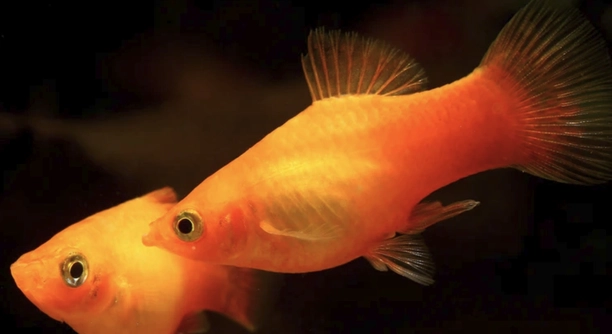
Platies are popular freshwater fish known for their bright colors and peaceful nature. Despite this, they often seem to keep their distance from each other in tanks. This behavior can confuse many fish enthusiasts and raises questions about their social habits.
Platies tend to avoid each other primarily due to territorial instincts and social hierarchy. While generally peaceful, they require personal space to reduce stress and competition for resources such as food and shelter. This avoidance helps maintain balance within their environment.
Understanding why platies behave this way can improve how you care for them. Proper tank setup and social groupings play a key role in promoting their well-being and comfort.
Understanding Platies’ Territorial Behavior
Platies are small fish that naturally establish territories in their environment. Even though they seem peaceful, they need their own space to feel secure. When kept in small tanks or overcrowded conditions, they may become stressed and avoid each other more. Each platy uses visual and chemical cues to mark its area and communicate boundaries to others. This helps reduce direct conflicts and keeps aggression low. Providing hiding spots like plants or decorations allows platies to retreat when needed. It is important to maintain a balanced number of fish in the tank so that each one has enough space. Proper tank size and setup can make a big difference in how comfortable platies feel around each other. Observing their behavior can help identify if they are stressed or if their environment needs improvement to promote harmony.
Their territorial nature is an important factor in their avoidance behavior and tank management.
Adjusting tank conditions and respecting these boundaries encourages platies to coexist peacefully while minimizing stress and territorial disputes.
Social Dynamics and Group Behavior in Platies
Platies often form loose social groups but do not school tightly like some fish species. This means they swim together but still keep individual space. Within these groups, dominance hierarchies naturally develop. Dominant fish may chase or nudge others to assert their place. Subordinate platies avoid confrontation by keeping distance or hiding. This balance keeps aggression from escalating and helps maintain overall peace. In a well-maintained tank, these interactions happen quietly and with little harm. It is best to provide multiple hiding areas and avoid overcrowding to reduce tension. Groups of at least five to six platies allow natural social behavior to take place while preventing excessive dominance struggles. Watching how your platies interact will reveal these subtle social patterns, helping you create a more stable environment where they feel secure and less likely to avoid each other.
Tank Setup and Environmental Factors
Proper tank setup is essential for reducing platies’ avoidance behavior. A spacious tank with plenty of hiding spots helps fish feel secure and lowers stress. Overcrowding often leads to tension, causing platies to keep their distance.
Providing plants, rocks, and decorations creates natural barriers that break sight lines, minimizing conflicts. These elements give platies private areas to retreat when they feel threatened or overwhelmed. Maintaining clean water and stable conditions also plays a vital role. Poor water quality can increase stress, making fish more likely to avoid one another. Regular monitoring of temperature, pH, and cleanliness supports healthy social behavior.
Proper lighting that mimics natural conditions helps keep platies calm and active. A balanced environment encourages more interaction and reduces hiding tendencies. When the tank is thoughtfully arranged, platies can establish territories without constant confrontation, leading to a more peaceful aquarium.
Feeding Habits and Social Interaction
Feeding time influences how platies interact. When food is scarce or unevenly distributed, competition increases, which can cause platies to avoid each other. Offering small amounts of food at multiple spots helps reduce this competition. Consistent feeding schedules create a sense of routine and security.
Platies also use feeding times to socialize but avoid aggressive encounters by quickly retreating if threatened. Observing their feeding behavior can reveal social hierarchies and stress levels. Providing a varied diet with high-quality flakes, pellets, and occasional live foods supports overall health and reduces tension. Feeding in a calm, controlled manner minimizes conflicts and encourages peaceful coexistence during meals.
Stress and Its Impact on Platy Behavior
Stress is a major reason why platies avoid each other. Changes in water quality, sudden movements, or loud noises can increase their anxiety. Stressed platies tend to hide or keep distance to feel safer.
Recognizing signs of stress early helps prevent long-term health problems. Common signs include loss of color, sluggish movement, and refusal to eat. Keeping the environment stable and calm reduces stress and promotes better social interactions among platies.
Gender Differences in Social Behavior
Male and female platies often behave differently around each other. Males tend to be more territorial and show chasing behaviors, especially during breeding. Females usually keep to themselves and avoid unnecessary conflicts.
Understanding these gender differences helps when setting up the tank. Keeping a higher ratio of females to males reduces stress and aggressive behavior. Proper balance supports a calmer and more harmonious aquarium environment.
Lighting and Its Role in Social Interaction
Lighting affects platies’ activity and mood. Too bright or harsh lighting can make them feel exposed and more likely to hide. Soft, natural lighting encourages normal social behavior.
Adjusting the light cycle to mimic natural day and night rhythms helps maintain their comfort. Using plants to filter light creates shaded areas where platies feel secure and less prone to avoidance. Proper lighting is a simple but important way to support peaceful tank dynamics.
FAQ
Why do platies avoid each other in small tanks?
Platies need enough space to establish their territories and avoid stress. In small tanks, space is limited, causing fish to compete for room. This often results in them avoiding each other to reduce conflict. Overcrowding increases aggression and hiding behavior, making them seem more distant.
Can platies live peacefully in community tanks?
Yes, platies generally do well in community tanks with other peaceful species. They prefer calm tankmates and enough space to swim freely. Aggressive or territorial fish should be avoided, as they can stress platies and cause them to hide or avoid interaction.
How many platies should be kept together?
It’s best to keep platies in groups of at least five or six. This allows natural social behavior while reducing aggressive dominance. Maintaining a higher number of females than males helps minimize chasing and stress, promoting a more balanced social dynamic.
Do platies get along better with other fish or their own kind?
Platies are social fish that prefer the company of their own species but can also coexist well with peaceful community fish. They display more natural behavior when kept in groups of their own kind, but adding compatible species can enrich the tank environment without causing problems.
What role does tank size play in platy behavior?
Tank size is crucial for healthy platy interactions. A minimum of 20 gallons is recommended for a small group to provide enough space for swimming and territorial boundaries. Larger tanks allow better distribution of fish, reducing stress and avoidance behaviors.
How can I reduce aggression among platies?
Providing ample hiding spots and decorations helps break line of sight and reduce confrontations. Keeping a proper male-to-female ratio is also important. Feeding small amounts of food in multiple spots prevents competition and lowers aggression during meal times.
Does water quality affect how platies interact?
Poor water quality stresses platies, making them more likely to hide or avoid others. Maintaining stable water parameters, regular cleaning, and monitoring temperature and pH support healthy behavior. Clean water reduces stress and encourages peaceful social interactions.
Are platies more active at certain times of the day?
Platies tend to be more active during daylight hours when lighting mimics natural conditions. Proper light cycles help regulate their behavior. Sudden changes in lighting can cause stress, making them hide or avoid others temporarily.
Can platies form bonds or friendships?
While not forming bonds like mammals, platies do develop social hierarchies and recognize familiar tankmates. They swim together and show less aggression with known individuals. Consistent groups promote stable relationships and reduce avoidance behavior.
What should I do if platies are constantly hiding?
Constant hiding usually signals stress or poor tank conditions. Check water quality, tank size, and decorations. Ensure proper feeding and a balanced social group. Sometimes adjusting lighting or rearranging the tank setup can encourage more visible, peaceful behavior.
Is it normal for platies to chase each other?
Chasing is a natural behavior related to establishing dominance, especially among males. While some chasing is normal, excessive or aggressive chasing signals problems with tank size, social balance, or stress levels. Providing space and hiding places helps reduce this behavior.
Do platies avoid each other during breeding?
During breeding, males may become more aggressive and chase females to mate. Females may avoid males at times to reduce stress. Ensuring enough space and hiding spots helps females escape when needed and lowers tension in the tank.
How important is diet for social behavior?
A balanced diet supports overall health and reduces stress-related avoidance. Feeding high-quality flakes, pellets, and occasional live food keeps platies energetic and less likely to hide. Avoid overfeeding to prevent water quality issues that could increase stress.
Can environmental enrichment reduce avoidance behavior?
Yes, adding plants, caves, and decorations creates a stimulating environment that allows platies to explore and hide when needed. Environmental enrichment reduces boredom and stress, helping fish feel more secure and interact naturally.
What signs show that platies are comfortable with each other?
Comfortable platies swim openly, share space without constant chasing, and feed together calmly. They may rest near one another and display bright colors. Reduced hiding and more active behavior indicate a peaceful social environment.
How long does it take for platies to adjust to new tankmates?
Adjustment times vary but usually take a few days to a couple of weeks. During this time, some avoidance and chasing may occur as fish establish territory and hierarchy. Providing plenty of space and hiding spots helps ease the transition and encourages peaceful coexistence.
Final Thoughts
Platies are beautiful and lively fish that bring color and movement to any freshwater tank. Their tendency to avoid each other can seem puzzling, but it is a natural part of their behavior. Understanding that platies need space, clear boundaries, and a stable environment helps explain why they sometimes keep their distance. Their avoidance is often a way to reduce stress and avoid conflicts, which helps maintain peace in the tank. When you provide the right conditions, platies feel secure and their social interactions become smoother and less tense.
Creating a comfortable habitat for platies involves more than just adding fish to a tank. Proper tank size, enough hiding spots, and a balanced social group are essential to support their natural instincts. Overcrowding or poor water quality can cause stress, making platies more likely to hide or avoid each other. Careful attention to tank setup, feeding routines, and water maintenance reduces stress and encourages healthy behavior. By respecting their need for territory and space, you help platies feel safe and content, which improves their overall well-being.
Patience and observation play important roles in caring for platies. Every fish is different, and their behavior can change depending on their environment. Watching how your platies interact gives clues about their comfort level and whether changes are needed in their tank. Adjusting conditions gradually and keeping the environment stable helps reduce avoidance and promote harmony. With the right care and understanding, platies will thrive and add vibrant life to your aquarium, showing more natural and relaxed social behavior over time.

Hello,
If you enjoy the content that we create, please consider saying a "Thank You!" by leaving a tip.
Every little bit helps us continue crafting quality advice that supports the health, happiness, and well-being of pets around the world, for pets of all shapes, sizes, and species.
We really appreciate the kindness and support that you show us!