
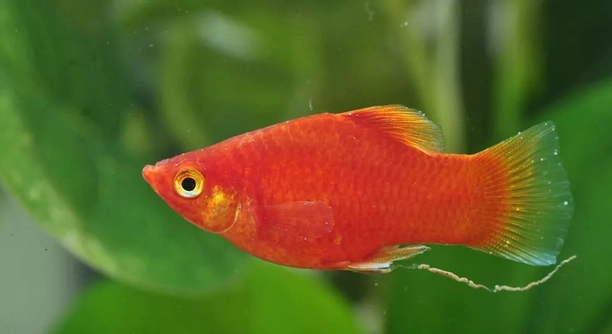
Platies are small, colorful fish often seen swimming together in home aquariums. Their social behavior includes interesting patterns, such as following each other in circles. This movement can be quite fascinating to observe for fish enthusiasts.
Platies follow each other in circles primarily as a form of social interaction and communication. This behavior helps establish hierarchy within the group, reduces stress, and promotes group cohesion, which is essential for their survival in natural and captive environments.
Understanding why platies behave this way helps improve aquarium care and ensures their well-being in captivity. This article explores the reasons behind their circular swimming and what it means for their social dynamics.
Social Behavior of Platies
Platies are naturally social fish that prefer to stay in groups. Following each other in circles is a common way they interact. This circular swimming helps them feel safe and connected with others. It also reduces stress by giving them a sense of security. In the wild, staying close together protects them from predators. In an aquarium, this behavior continues as a natural instinct. Observing their movement shows how they communicate and organize within their group. Each platy has its own role in the social structure, and swimming in circles helps maintain balance. This behavior is a normal part of their daily routine and signals healthy interaction. Providing enough space and hiding spots supports this natural behavior. When platies swim together in circles, it means they are comfortable and well-adjusted to their environment.
Platies follow each other in circles as part of their social structure, improving safety and reducing stress.
Watching these patterns can deepen your understanding of platy behavior and enhance your care for them in the aquarium.
Importance of Group Dynamics
Group dynamics are essential for platies to thrive. These fish use swimming patterns to set social ranks and avoid conflicts. When they swim in circles, they are often reinforcing these social roles. This helps reduce aggression and competition over food or space. A well-structured group means fewer fights and a calmer tank environment. Each fish learns its place, which keeps the group stable. If platies are kept alone or in very small numbers, they may become stressed or show unusual behaviors. Maintaining a proper group size supports their natural habits. It also encourages healthy activity and interaction. Without a social group, platies can become withdrawn or aggressive, which affects their health. Ensuring the right tank setup and companions allows platies to express their natural social behaviors fully. This leads to happier, healthier fish overall.
Why Do Platies Swim in Circles?
Platies swim in circles mainly to communicate and stay connected within their group. This behavior strengthens social bonds and helps keep the group together, especially in confined spaces like aquariums.
Swimming in circles also serves as a way for platies to explore their environment while staying near others. It allows them to keep track of one another and avoid becoming isolated. This movement is not random; it follows a pattern that helps maintain order and reduces stress. When one platy starts circling, others often follow, creating a continuous loop. This shows how their behavior is influenced by the presence of their group.
The circular swimming can also be linked to mating behavior or competition. Sometimes males swim in circles around females to display their strength or attract attention. It may also serve to assert dominance or claim territory within the group. Understanding this helps to better observe and care for platies in your aquarium.
Tank Setup and Its Impact
Tank size and layout directly affect platies’ swimming behavior. Smaller tanks encourage more circular swimming because space is limited and fish stay close together.
A well-decorated tank with plants and hiding spots reduces stress and allows platies to break their circular patterns when needed. If the tank lacks space or enrichment, platies might circle more frequently out of boredom or stress. Proper tank conditions encourage natural behavior and make the fish more comfortable. This includes providing enough room for swimming and areas to rest or hide.
Temperature and water quality also play a role. Stable conditions help platies maintain normal social interactions and reduce erratic swimming. Watching how platies move can give clues about their tank’s environment and overall health.
Signs of Stress in Platies
When platies swim in tight, repetitive circles, it can sometimes indicate stress. Stress may be caused by overcrowding or poor water conditions.
Other signs include hiding more often, loss of appetite, or aggressive behavior. Monitoring these behaviors helps ensure their well-being.
How to Encourage Healthy Swimming
To promote healthy swimming, maintain clean water and a balanced diet. Providing enough space and proper tank mates reduces stress and encourages natural behavior. Regular tank maintenance and observation help keep platies active and comfortable.
Group Size Matters
Platies are social and prefer groups of at least five. Smaller groups may lead to increased stress and unusual swimming patterns. Keeping a proper group size supports their natural social behavior.
Tank Environment Tips
Adding plants and decorations creates hiding spots, which help platies feel secure and reduce stress. A varied environment encourages more natural swimming and reduces repetitive circling.
FAQ
Why do platies follow each other in circles?
Platies follow each other in circles as a way to communicate and maintain social bonds. This behavior helps them stay connected, reduces stress, and establishes social order within the group. Circling also allows them to explore their surroundings safely while staying close to other fish.
Is circular swimming a sign of stress in platies?
Not always. While swimming in circles can be part of normal social behavior, repetitive tight circling or frantic swimming might indicate stress. Stress can result from overcrowding, poor water quality, or lack of hiding places. It’s important to observe other signs like hiding, loss of appetite, or aggression to assess their condition.
How many platies should I keep together?
Platies are social fish and thrive in groups of at least five. Smaller groups may lead to stress or unusual behaviors such as excessive circling or aggression. Keeping an adequate number helps them feel secure and maintain healthy social interactions.
Can the tank size affect platies’ swimming patterns?
Yes, tank size plays a major role. Smaller tanks limit swimming space, often causing platies to swim in tighter circles. Larger tanks provide more room for exploration and reduce the need for constant circling. It’s best to provide at least 20 gallons for a small group of platies.
What tank setup encourages healthy swimming?
A tank with plenty of plants, decorations, and hiding spots encourages natural behaviors and breaks repetitive swimming. Clean water, stable temperature, and good filtration also support healthy activity. Providing a balanced diet helps keep platies energetic and social.
Do males and females swim in circles for different reasons?
Males often swim in circles around females as part of courtship behavior. They may also use circling to assert dominance or claim territory among other males. Females join in the circling mainly for social bonding and safety within the group.
How can I tell if platies are stressed or just socializing?
Social circling tends to be smooth and consistent, with fish appearing relaxed and calm. Stress-related swimming may be frantic, repetitive, or focused in one area. Look for other stress signs like color fading, hiding, or loss of appetite to determine if behavior is healthy or problematic.
What should I do if platies are constantly swimming in circles?
Check the tank size, water quality, and group size first. Improve water parameters by doing regular water changes and maintaining filtration. Ensure there are enough tank mates and provide plants or decorations for hiding. If stress signs continue, consider consulting an aquatic specialist.
Is it normal for platies to swim in circles at night?
Platies usually rest or slow down at night, but some gentle circling is normal as they stay aware of their surroundings. Constant active circling at night may indicate stress or discomfort and should be investigated.
Can circular swimming indicate health problems?
In some cases, yes. Erratic or tight circling could signal infections, parasites, or neurological issues. If unusual swimming is paired with other symptoms like lethargy, loss of appetite, or physical changes, it’s best to seek advice from a vet or fish expert.
Does diet influence swimming behavior in platies?
A balanced diet supports overall health and energy, encouraging natural swimming and social behaviors. Poor nutrition can cause lethargy or unusual behavior, including increased circling out of stress or boredom. Feed a variety of high-quality flakes, pellets, and occasional live or frozen foods.
How important is water quality for platy behavior?
Water quality is crucial. Poor conditions cause stress and behavioral changes like excessive circling, hiding, or aggression. Regular water testing and maintenance ensure a healthy environment, promoting calm and natural swimming patterns.
Can platies swim in circles when establishing territory?
Yes, circling can be a way for platies, especially males, to claim territory or show dominance. This behavior helps reduce physical fights by establishing boundaries visually within the group.
How often should I observe my platies’ behavior?
Daily observation is ideal to catch any changes early. Notice swimming patterns, interaction with other fish, feeding habits, and overall activity. Early detection of unusual behaviors allows for timely adjustments to tank conditions or care.
Are there specific tank mates that affect platy circling behavior?
Tank mates that are aggressive or territorial can increase stress, causing more circling or erratic swimming. Peaceful species that match platies’ temperament encourage calmer social interactions. Research compatibility before introducing new fish to maintain a harmonious tank.
Final Thoughts
Platies are lively and social fish whose behavior often reflects their environment and social structure. Their tendency to swim in circles is a natural part of how they interact with each other. This behavior helps them maintain social bonds and feel secure in their group. Understanding why platies follow each other in circles provides useful insight into their needs and how to care for them properly. It is important to observe their swimming patterns closely because changes can indicate how comfortable or stressed they are in the aquarium.
Creating a suitable environment is key to encouraging healthy behavior in platies. Providing enough space, a good group size, and a well-planted tank helps reduce stress and supports natural movement. Clean water and stable conditions play a significant role in their overall well-being. When platies have the right tank setup and companions, they are more likely to swim calmly and show positive social behaviors. On the other hand, crowded or poorly maintained tanks can cause repetitive circling that signals discomfort or stress.
Watching platies swim in circles can be both fascinating and helpful for anyone who keeps them. By paying attention to their behavior, it is possible to make adjustments that improve their health and happiness. These simple fish rely on their social connections and environment to thrive, and understanding their natural habits makes it easier to meet their needs. With proper care, platies will continue to display their unique swimming patterns as part of a balanced and healthy aquarium community.

Hello,
If you enjoy the content that we create, please consider saying a "Thank You!" by leaving a tip.
Every little bit helps us continue crafting quality advice that supports the health, happiness, and well-being of pets around the world, for pets of all shapes, sizes, and species.
We really appreciate the kindness and support that you show us!