
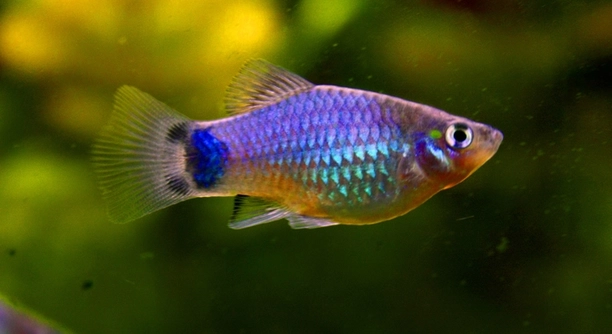
Platies are popular freshwater fish known for their bright colors and peaceful nature. Sometimes, these fish may swim with sudden, jerky movements that can catch an owner’s attention. Understanding why this happens is important for their care.
Jerky swimming in platies is often caused by stress, poor water quality, or underlying health issues such as parasites or infections. These factors disrupt normal behavior and may indicate the need for improved tank conditions or medical treatment.
Knowing the reasons behind these movements helps ensure your platies stay healthy and comfortable in their environment. This article will cover key causes and practical solutions.
Common Causes of Jerky Swimming in Platies
Platies can swim jerkily due to several common issues, mostly related to their environment and health. Poor water quality is often the main factor. High levels of ammonia, nitrites, or nitrates stress fish and affect their movement. Sudden changes in temperature or pH can also cause discomfort, leading to erratic swimming. Another factor is overcrowding in the tank, which can increase stress and reduce oxygen levels. Health problems such as parasites, bacterial infections, or swim bladder disorders may also cause these jerky motions. Parasites irritate the fish and disrupt their normal swimming, while swim bladder issues affect buoyancy. Sometimes, platies may be adjusting after introduction to a new tank, which can cause temporary jerky movements. Monitoring water parameters and observing for signs of illness are important steps in addressing these problems.
Maintaining stable water conditions and a clean environment can reduce jerky swimming and promote healthier behavior in platies.
Stress, infections, and poor water conditions are the most frequent reasons behind sudden, erratic swimming in platies.
How to Improve Your Platies’ Swimming Behavior
Improving tank conditions is the first step to help your platies swim smoothly. Regular water testing ensures that ammonia, nitrites, and nitrates remain at safe levels. Partial water changes help maintain good water quality and reduce toxins. Temperature should be kept steady, ideally between 70°F and 78°F, to avoid stress. Avoid overcrowding by providing adequate space and compatible tank mates. If signs of illness are present, such as white spots, lethargy, or loss of appetite, treatment with appropriate medication may be necessary. Parasite infections often require antiparasitic treatments, while bacterial infections need antibiotics. Feeding a balanced diet supports immune health and reduces stress. Observing your fish daily allows early detection of problems before they worsen. Proper filtration and aeration also improve oxygen levels, helping platies stay calm and swim naturally. Consistent care creates a healthier environment where your fish can thrive without jerky movements.
Identifying Signs of Stress in Platies
Jerky swimming is often a clear sign that platies are stressed. Other indicators include hiding, loss of appetite, and rapid gill movement. Stress can weaken their immune system and increase vulnerability to illness, so early recognition is important for their well-being.
Stress in platies usually results from changes in their environment or poor tank conditions. Water quality fluctuations, overcrowding, or aggressive tank mates can trigger this behavior. Even sudden loud noises or vibrations near the aquarium can disturb them. When stressed, platies might swim frantically or freeze in place. Keeping a calm and stable environment minimizes stress and helps maintain normal swimming patterns. It’s essential to monitor their behavior closely and address any stressors promptly to avoid more serious health issues.
Proper tank setup and routine maintenance are vital for reducing stress. Providing hiding spots and peaceful companions can also help platies feel safe, supporting smoother swimming habits.
Common Diseases Affecting Platies’ Movement
Certain diseases affect how platies swim and cause jerky or erratic movements. Swim bladder disorder, for example, impacts their buoyancy and balance, making it difficult for them to swim normally. Parasites like Ich cause irritation and lead to sudden darting motions.
Bacterial infections can also disrupt normal behavior, often accompanied by visible symptoms such as redness or swelling. Early detection and treatment are critical to prevent these diseases from worsening. Quarantining new fish before introducing them to the main tank reduces the risk of spreading infections. Maintaining good water quality and feeding nutritious food strengthens fish immunity, making them less prone to illness. Regular observation helps catch symptoms early, so treatments can be applied quickly to restore healthy swimming patterns.
Preventing Jerky Swimming in Platies
Consistent tank maintenance is key to preventing jerky swimming. Regular water changes and monitoring water parameters help keep the environment stable and healthy for platies.
Providing a well-balanced diet supports their immune system and reduces the risk of illness. Avoid sudden changes in water conditions to prevent stress-related swimming issues.
The Role of Diet in Platies’ Behavior
A nutritious diet directly impacts platies’ health and swimming patterns. Feeding high-quality flakes or pellets designed for tropical fish ensures they get essential nutrients. Including occasional live or frozen foods, such as brine shrimp or daphnia, can boost their energy and overall vitality. Poor nutrition weakens fish, making them more prone to stress and disease, which often leads to jerky movements. Overfeeding can also cause water quality issues, indirectly affecting behavior. Feeding small amounts two to three times a day helps maintain balance and prevents excess waste buildup. Proper feeding habits contribute significantly to keeping platies active and swimming smoothly.
When to Seek Professional Help
If jerky swimming persists despite good care, consulting a veterinarian specializing in fish is recommended.
FAQ
Why do my platies swim with jerky motions only sometimes?
Jerky swimming that happens occasionally is often linked to temporary stress or changes in the tank. For example, sudden noise, movement near the tank, or brief water parameter shifts can cause short bursts of erratic swimming. Platies may also react this way when startled by other fish or during feeding. If the jerky behavior is brief and they return to normal quickly, it usually isn’t a serious problem. However, if it becomes frequent, further investigation is needed.
Can water temperature cause jerky swimming in platies?
Yes, water temperature plays a crucial role in platies’ comfort and health. Temperatures outside the ideal range of 70°F to 78°F can stress them. Cold water slows their metabolism, causing sluggish or jerky movements. Water that is too warm can reduce oxygen levels, leading to rapid or erratic swimming. Keeping the tank at a stable, proper temperature prevents these issues.
How does poor water quality affect my platies’ swimming?
Poor water quality introduces harmful substances like ammonia, nitrites, and nitrates, which stress fish and damage their organs. This can cause jerky, frantic, or uncoordinated swimming. Cloudy water, algae overgrowth, or foul smells also signal poor conditions. Regular testing and water changes keep toxins low, helping fish swim normally.
Are jerky movements a sign of illness in platies?
Yes, jerky swimming can be a symptom of illness. Parasites such as Ich cause irritation, leading fish to dart around suddenly. Swim bladder disease affects balance and buoyancy, resulting in jerky or uneven swimming. Bacterial infections may cause lethargy or frantic movements. Watching for other signs like spots, discoloration, or abnormal behavior helps identify illness early.
What should I do if my platies have parasites?
If parasites are suspected, isolate affected fish in a quarantine tank to prevent spreading. Use treatments specifically designed for parasites, following package instructions carefully. Maintaining good water quality and reducing stress improve treatment success. It’s important to treat the whole tank if parasites are present since they can infect other fish.
Can tank mates cause jerky swimming in platies?
Aggressive or overly active tank mates may stress platies, causing jerky swimming as they try to escape or avoid conflict. Make sure platies are housed with peaceful fish of similar size. Overcrowding also increases stress and competition, which can disrupt normal swimming patterns.
How often should I clean my platy tank to prevent jerky swimming?
A weekly partial water change of about 20-30% is recommended to keep water fresh and free of toxins. Cleaning filter media as directed and removing uneaten food or debris also helps maintain a healthy environment. Regular maintenance reduces stress and supports smooth swimming.
Can overfeeding cause jerky swimming in platies?
Overfeeding leads to leftover food that decomposes, increasing harmful waste in the tank. Poor water quality from excess waste stresses platies and can result in erratic swimming. Feed small portions that your fish can consume within a few minutes to avoid this problem.
Is jerky swimming more common in young or older platies?
Jerky swimming can occur in both, but younger platies may show it more often due to their developing immune systems and adjusting to new environments. Older fish might experience jerky movements if they develop swim bladder problems or illnesses. Monitoring fish at all ages is important.
How can I make my platies feel safe to reduce jerky swimming?
Providing hiding spots like plants, decorations, or caves gives platies places to retreat when stressed. A calm environment with minimal sudden disturbances also helps. Avoid tapping the glass or loud noises near the tank. These steps create a sense of security that supports natural swimming behavior.
Final Thoughts
Jerky swimming in platies is usually a sign that something in their environment or health needs attention. It is important to regularly check water quality, as poor conditions are a common cause of this behavior. Keeping ammonia, nitrites, and nitrates at safe levels through regular water changes helps fish stay calm and swim smoothly. Stable water temperature and proper tank size also make a big difference. Stress from overcrowding or aggressive tank mates can lead to sudden, erratic swimming. Providing enough space and peaceful companions creates a more comfortable environment for platies.
Health issues like parasites, infections, and swim bladder problems can also cause jerky motions. Watching for other symptoms such as spots, swelling, or loss of appetite helps detect illness early. When signs appear, isolating affected fish and using appropriate treatments is necessary. Feeding a balanced diet supports the immune system, reducing the chance of illness and stress. Consistent care, including monitoring behavior and tank conditions, is key to preventing problems that disrupt normal swimming.
Overall, jerky swimming is a useful warning sign that should not be ignored. Paying close attention to tank maintenance, water parameters, and fish health creates a stable and safe habitat for platies. These steps help ensure your fish remain active, healthy, and comfortable. Understanding the reasons behind their behavior allows you to respond effectively and improve their quality of life. Taking care of platies with patience and observation promotes a peaceful aquarium where they can thrive.

Hello,
If you enjoy the content that we create, please consider saying a "Thank You!" by leaving a tip.
Every little bit helps us continue crafting quality advice that supports the health, happiness, and well-being of pets around the world, for pets of all shapes, sizes, and species.
We really appreciate the kindness and support that you show us!