
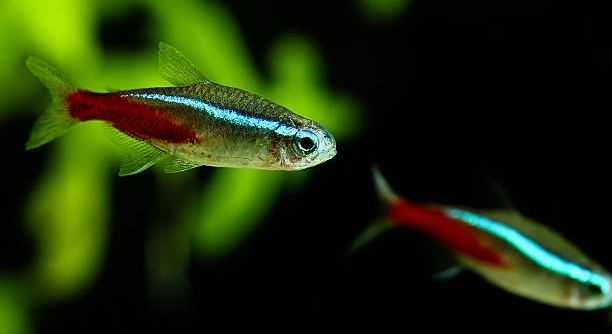
Neon Tetras are a popular fish species that many hobbyists enjoy keeping. However, it can be concerning when they suddenly hide for days without explanation. Understanding their behavior can help ensure your fish stay healthy and happy.
Neon Tetras may hide for several reasons, such as stress, illness, poor water conditions, or environmental changes. Their natural behavior includes seeking shelter, especially when they feel threatened or uncomfortable, so it’s essential to identify the cause.
Understanding the root causes behind your Neon Tetra’s hiding can prevent further stress and improve their living conditions. By recognizing the signs and factors influencing their behavior, you can help them thrive in your aquarium.
Stress from Changes in Environment
Neon Tetras are small, sensitive fish that can easily become stressed by changes in their environment. Even small shifts, such as changes in water temperature, lighting, or tank placement, can cause them to hide for extended periods. Stress can also result from the addition of new fish or tankmates that disrupt their comfort zone. When stressed, these fish naturally seek hiding spots to feel safe. To reduce stress, ensure your tank has stable conditions, and avoid frequent changes. Providing plenty of hiding places, like plants or decorations, can also help them feel secure.
Stress can trigger other health issues in Neon Tetras, so it’s crucial to keep their environment as calm as possible. Stressful conditions might lead to a decrease in appetite or even illness if not addressed promptly. By maintaining consistency, you can help reduce their anxiety and allow them to thrive.
To avoid stressing your Neon Tetras, ensure a peaceful environment with stable water parameters. Avoid sudden temperature fluctuations and give them time to adjust to new changes. Your attention to these factors can improve their overall well-being.
Illness or Injury
Neon Tetras are not immune to illness or injury, which can often cause them to hide for extended periods. Diseases such as ich or fin rot can cause them to retreat to a quiet corner, away from the rest of the tank. Injuries from aggressive tankmates or sharp decorations can also lead to hiding behavior. If a Neon Tetra is sick or hurt, it will typically show other signs, such as unusual swimming patterns or changes in appearance, like pale colors or visible wounds.
When dealing with illness or injury, it’s essential to assess your fish for any abnormal signs. Isolate the affected fish if necessary and ensure the water conditions are ideal for recovery. Some fish may require special treatments or medications, so it’s best to research the specific condition to determine the right course of action.
If you suspect illness or injury, prompt action is crucial to help your fish recover. Pay attention to signs of sickness, and consider quarantine procedures to prevent the spread of disease. Keeping the tank clean and treating sick fish will help reduce the hiding behavior.
Poor Water Quality
Neon Tetras are highly sensitive to water conditions. Poor water quality, such as high levels of ammonia, nitrites, or an improper pH, can lead to stress and hiding behavior. These fish thrive in clean, well-maintained water, so regular water changes are essential. Without proper filtration and water care, they may retreat to avoid the discomfort caused by toxic water.
If the water conditions are not ideal, your Neon Tetras will likely seek shelter as a way to avoid the harmful effects of their environment. This can also weaken their immune systems, making them more prone to illness. It’s important to regularly test the water for harmful chemicals, maintain proper filtration, and ensure the tank’s temperature is consistent.
A water quality check should be part of your routine maintenance. If necessary, adjust the pH or remove any excess waste that could affect the water’s balance. Neon Tetras need stable conditions to thrive, so providing clean water will help keep them healthy and active.
Overcrowding
Overcrowding is another reason Neon Tetras may hide for days. When there are too many fish in the tank, it creates competition for space, food, and oxygen. This leads to stress, and your Neon Tetras may retreat to avoid the hustle and bustle. It’s important to follow recommended stocking levels based on your tank size and fish species.
If you have too many fish in your tank, the lack of space and overcrowding can make your Neon Tetras feel trapped. They may hide to get away from the other fish, or they might be unable to find a quiet, peaceful spot to rest. To avoid overcrowding, research the appropriate number of fish your tank can support and consider upgrading to a larger tank if necessary.
Additionally, overcrowding increases the risk of diseases spreading among the fish. The limited space and resources will only worsen the situation. Giving your fish enough room to swim and explore will prevent them from feeling threatened and reduce hiding behavior.
Unfamiliar Tankmates
Neon Tetras are peaceful fish but can become intimidated by more aggressive or larger tankmates. When new fish are introduced, it can cause anxiety, leading your Neon Tetras to hide. Fish like cichlids or other territorial species may pose a threat to their sense of security.
Introducing new tankmates can disrupt the existing social balance in your aquarium. Neon Tetras may seek shelter to avoid confrontation or stress. It’s best to introduce new fish gradually and monitor interactions closely. Make sure all tankmates are compatible and do not pose a threat to the smaller, more timid Tetras.
Choosing tankmates that share similar temperaments will help ensure a peaceful environment. If you notice signs of aggression, consider removing the aggressive fish or providing additional hiding spots for your Neon Tetras to retreat to.
Natural Behavior
Neon Tetras, like many fish, have natural behaviors that may lead them to hide. They are known to seek shelter when feeling vulnerable or when it’s too bright. If they have a hiding place, they may prefer staying there, especially when they feel uncertain or tired.
Some Neon Tetras simply enjoy solitude and will retreat to their hiding spots without any external stressor. They are naturally nocturnal and may prefer staying hidden during the day. Providing them with plants and structures that mimic their natural habitat will allow them to feel more comfortable and safe.
Lack of Food or Feeding Competition
If Neon Tetras aren’t getting enough food, they may hide due to hunger or stress from competition with other fish. When feeding, they may struggle to get their fair share, leading them to retreat out of frustration or stress.
In a tank with multiple fish species, more dominant fish may get to the food first, leaving the Neon Tetras hungry and stressed. Ensure you are feeding enough for all fish and consider adding feeding stations to avoid overcrowding during mealtime. This can help reduce competition and encourage more natural behavior.
FAQ
Why do Neon Tetras hide for long periods?
Neon Tetras often hide for extended periods as a response to stress, illness, poor water quality, or changes in their environment. Hiding is a natural behavior when they feel unsafe, whether due to aggressive tankmates, a sudden drop in water temperature, or overcrowding. It is also common for them to seek shelter when they are sick or injured. Their small size and timid nature make them more likely to hide than to face threats head-on. Keeping their environment stable, with proper water conditions and compatible tankmates, will reduce this hiding behavior.
How can I tell if my Neon Tetra is stressed?
Stress in Neon Tetras is usually visible through behavioral changes, such as hiding more than usual, erratic swimming, or loss of appetite. You may notice them staying close to the bottom of the tank or swimming in circles, which indicates discomfort. Another sign is their fading color, as stressed Neon Tetras tend to lose their vibrant blue and red hues. Keeping a close eye on your fish and monitoring their environment for any sudden changes is key to spotting stress early.
Can Neon Tetras get along with other fish?
Neon Tetras are peaceful and typically get along well with other small, non-aggressive fish. However, they can become stressed if housed with more aggressive or larger fish. Species like bettas, cichlids, or goldfish may cause stress and force your Neon Tetras to hide. Choosing peaceful community fish that do not compete for space or food is the best approach. Fish like guppies, small rasboras, and other tetras can make great tankmates.
What are the best tank conditions for Neon Tetras?
Neon Tetras thrive in slightly acidic to neutral water, with a temperature range of 70-81°F (21-27°C). It’s essential to maintain stable water parameters, especially ammonia, nitrite, and nitrate levels. Regular water changes and proper filtration are vital for keeping your fish healthy and stress-free. They also appreciate a tank with plenty of plants, hiding spots, and soft, dim lighting to mimic their natural habitat in the wild. The more you can replicate their environment, the more relaxed and active they will be.
Can poor water quality cause Neon Tetras to hide?
Yes, poor water quality is a significant factor in why Neon Tetras might hide. They are highly sensitive to changes in water conditions, and even slight fluctuations in pH, temperature, or toxin levels can stress them out. Ammonia and nitrite spikes, for example, can harm their health and cause them to retreat to a safe spot in the tank. Regular water testing and maintenance are crucial to keeping your Neon Tetras comfortable and healthy. Make sure to test for ammonia, nitrites, and nitrates weekly and perform regular water changes.
Is it normal for Neon Tetras to hide during the day?
Yes, it’s normal for Neon Tetras to hide during the day, especially if they feel insecure or stressed. These fish are naturally more active during twilight or night, as they are dusk-dwelling creatures in the wild. During the day, they may seek shelter in plants or decorations, particularly if there’s too much light or activity in the tank. To make your Neon Tetras feel more at ease, consider adding more plants or hiding spots and dimming the lights.
How do I help my Neon Tetras feel safe in the tank?
To help your Neon Tetras feel safe, ensure they have plenty of hiding spots and stable water conditions. Adding plants, caves, and decorations will provide them with places to retreat when they feel stressed. Avoid sudden changes in water parameters, temperature, or lighting, as these can make them anxious. Maintaining a peaceful community tank with non-aggressive tankmates will also go a long way in helping them feel secure. Regular feeding and attention to their health are important, too, as a well-fed fish is generally a happier fish.
Why is my Neon Tetra staying at the bottom of the tank?
Neon Tetras staying at the bottom of the tank may be a sign of stress, illness, or poor water quality. It can also indicate that they are feeling unwell or unable to swim properly due to an injury or disease. If your fish are consistently at the bottom, you should check water parameters, such as pH and temperature, and monitor for any signs of disease. If necessary, isolate sick fish and treat them in a quarantine tank. Sometimes, Neon Tetras may also stay at the bottom due to exhaustion or hiding from more dominant fish in the tank.
Do Neon Tetras need to be in schools?
Neon Tetras are schooling fish, meaning they thrive best when kept in groups of six or more. When kept alone, they may become stressed or shy, often hiding more often than usual. A school of Neon Tetras provides comfort and reduces anxiety as they feel safer when surrounded by their own kind. Keeping a small group also helps them establish a natural social structure and encourages more active, confident behavior. If you have only one or two, they are likely to be more skittish and may hide for longer periods.
How often should I feed my Neon Tetras?
Neon Tetras should be fed small amounts of food 2-3 times a day. Overfeeding can lead to water pollution and stress, while underfeeding can cause hunger and hiding behavior. It’s important to provide them with a balanced diet that includes high-quality flake food, frozen or live foods like brine shrimp or daphnia. Make sure the food is small enough for them to consume easily. If your Neon Tetras are consistently hiding during feeding time, it may be a sign that they’re not getting enough to eat or are struggling to compete for food.
Final Thoughts
Neon Tetras are delicate, peaceful fish that can sometimes hide for days due to a variety of reasons. Whether it’s stress from environmental changes, poor water quality, illness, or simply feeling insecure, their natural instinct is to seek shelter. It’s important to closely observe their behavior and ensure their environment is as comfortable and stable as possible. Even small changes, like adjusting the tank’s lighting or adding new fish, can disrupt their routine and make them feel threatened. By understanding their needs and taking proactive steps, you can help your Neon Tetras feel safe and healthy.
Proper care and attention to water quality are crucial for Neon Tetras. Keeping the tank clean and maintaining stable water conditions will go a long way in preventing stress. These fish thrive in slightly acidic to neutral water with consistent temperatures, so regular water testing and changes are essential. Overcrowding, poor filtration, and fluctuating parameters can easily lead to anxiety and hiding behavior. Ensure that your Neon Tetras are housed in a peaceful tank with compatible tankmates to avoid unnecessary stress. Providing plenty of hiding spots and plants also helps them feel secure, reducing the chances of prolonged hiding.
If your Neon Tetras are hiding for extended periods, consider checking for any signs of illness or injury, as these can also lead to changes in behavior. If they aren’t eating or showing other signs of distress, it might be time to isolate them and provide treatment. Keep in mind that Neon Tetras are naturally shy, and some hiding behavior is completely normal, especially when they feel unsure of their surroundings. However, it’s always a good idea to investigate the cause of their hiding and address any issues as soon as possible. By paying attention to their environment and health, you can help your Neon Tetras live a long, happy life.

Hello,
If you enjoy the content that we create, please consider saying a "Thank You!" by leaving a tip.
Every little bit helps us continue crafting quality advice that supports the health, happiness, and well-being of pets around the world, for pets of all shapes, sizes, and species.
We really appreciate the kindness and support that you show us!