
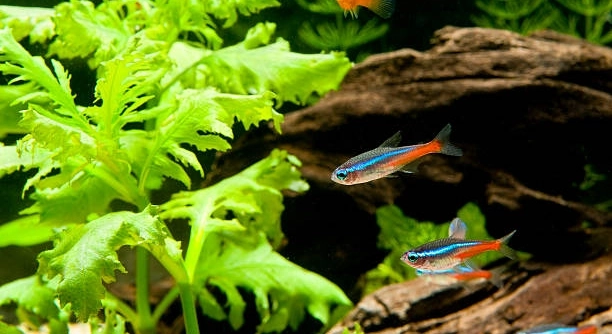
Are your neon tetras suddenly more active when the lights go out, leaving you a bit confused about their nighttime behavior? It can feel odd to see them zooming around instead of resting.
Neon tetras are often more active at night due to natural instincts, changes in lighting, or environmental stressors. Factors such as water conditions, tank mates, or feeding schedules can also contribute to this behavior.
Understanding these reasons can help you create a better nighttime environment and support your fish’s health and comfort in the tank.
Natural Nocturnal Behavior
Neon tetras come from the Amazon, where dense forests block out a lot of sunlight. This means they’re naturally used to dim light and shadowy conditions. In a home aquarium, they may feel more secure and active when the tank lights are turned off. At night, there’s less movement and fewer sudden distractions, which can encourage them to explore more. This kind of behavior is not unusual and doesn’t always signal a problem. Many fish have natural rhythms that don’t exactly line up with our own. As long as they seem healthy and not stressed, nighttime activity can be completely normal.
Sometimes, their evening activity can actually signal they are feeling more comfortable. Fish that dart around in panic during the day may act calmer and more confident at night. It’s a small sign they trust their space more.
If your tetras are eating well, have bright coloring, and move around easily, then their nighttime activity is likely nothing to worry about.
Bright Lighting During the Day
Excessively bright lighting can make neon tetras hide or stay still during the day, only becoming active when lights are dimmed.
In nature, they live under heavy tree cover and are used to shaded, filtered light. When placed under bright or direct lighting in a tank, they may feel exposed and uncomfortable. This can cause them to stay hidden in plants or behind decorations throughout the day. Once the lights go out or dim in the evening, they often feel safer to move around and explore. If this sounds familiar, you might want to check the intensity and duration of your tank lighting. Lowering the brightness or using floating plants to diffuse the light can help your fish feel more at ease. A lighting schedule that mimics a gentle sunrise and sunset, rather than harsh, sudden changes, can also reduce stress and support healthier daily activity patterns for your fish.
Inconsistent Light Schedule
An irregular light schedule can confuse your neon tetras, making them more active at unusual times. Sudden changes in lighting or inconsistent day-night cycles disrupt their natural rhythm and can lead to restlessness at night.
Neon tetras rely on consistency to feel secure in their environment. When tank lights are turned on and off at different times each day, it can throw off their internal clock. This confusion may result in unexpected bursts of energy when it’s supposed to be their resting time. Using a timer to keep their light cycle steady can help create a more predictable routine. Aim for 10 to 12 hours of light daily, followed by a calm, dark period. This not only helps regulate their activity but can also reduce overall stress. A peaceful nighttime setting encourages healthy sleep behavior and supports better long-term health in small community fish like neon tetras.
Making sure your lighting routine stays the same each day is one of the easiest ways to support their natural patterns. If you’re already using a timer but still notice strange activity at night, double-check the timing settings and make sure no extra room lights or screens near the tank are keeping things too bright. Even soft light can interrupt their rest.
Hunger or Late Feeding
Feeding your neon tetras too late in the day may be keeping them more active at night. Fish often become alert and energetic when food is in the water or expected soon.
If neon tetras are used to eating around the same time each day, they start to anticipate it and may stay active until they’re fed. Feeding too close to lights-out can increase movement at night, especially if they haven’t had enough earlier. It’s best to feed them in the morning or early afternoon to allow time for digestion before darkness. Uneaten food at night can also lower water quality, which may cause stress and disrupt sleep. Keep portions small and make sure all food is eaten within a few minutes. If you notice nighttime swimming patterns seem tied to feeding, consider adjusting the time and portion. A consistent feeding routine helps keep their energy balanced and rest patterns more stable.
Stress or Startling Sounds
Loud noises or sudden vibrations near the tank can make neon tetras more alert, even at night. They are sensitive to their environment, and unfamiliar sounds can cause them to swim around quickly or erratically.
Try to keep the tank in a calm space, away from speakers or heavy foot traffic. Even slamming doors or sudden TV sounds might cause nighttime stress reactions.
Poor Water Conditions
Water that is too warm, too cold, or full of ammonia can make your neon tetras feel uncomfortable and restless. Poor water quality affects how fish breathe and behave. If they’re swimming actively at night, it might be a sign they’re trying to find relief. Always monitor temperature, pH, ammonia, nitrite, and nitrate levels regularly. Neon tetras prefer water around 72°F to 78°F, with stable and clean conditions. Partial water changes every week can help prevent buildup of harmful waste. Test the water using a reliable kit and make adjustments slowly. Good water quality helps your tetras stay calm, healthy, and properly rested at night.
Active Tank Mates
If your tank includes more active fish species, neon tetras may mirror their energy or feel disturbed. Even small, fast swimmers can disrupt their natural rhythm. Keep a peaceful community to reduce stress.
Why do neon tetras swim in groups at night?
Neon tetras are schooling fish, which means they naturally swim together in groups for safety and comfort. At night, when they feel more secure without bright tank lights, they may feel free to swim around in their group. This behavior is part of their instinct to stay together for protection from predators. Even in an aquarium, neon tetras will often form tight groups, especially during the darker hours when they feel less exposed. Their swimming patterns at night can seem more active because they are moving as a group, but it’s just their natural behavior to stay together and explore.
Can tank decorations affect my neon tetras’ activity at night?
Yes, decorations can have a big impact. Neon tetras prefer environments with plants, caves, and other hiding spots to help them feel safe. If your tank has enough places for them to hide or rest, they may feel more at ease and reduce their nighttime activity. However, if there are not enough hiding spots, they might swim around more at night, looking for a place to rest. Consider adding plants or small caves to provide more secure spaces for your fish. The more comfortable they feel, the less likely they are to swim aimlessly at night.
Is it normal for neon tetras to be more active after a water change?
Yes, it’s possible for neon tetras to swim more actively after a water change. Fresh water can stimulate them to explore their environment, and the change in water conditions might make them feel more energized. However, this activity should settle down within a few hours. If they remain excessively active, it could be a sign that they’re stressed from the change. Ensure the water temperature and pH levels are stable and match the conditions they’re used to. A water conditioner can also help neutralize harmful chemicals in tap water. Regular water changes are important for their health but should be done gradually to avoid stressing them.
Do neon tetras need a dark period to sleep at night?
Yes, neon tetras need a dark period to rest properly at night. Like many other fish, they rely on a natural cycle of light and darkness to maintain healthy sleep patterns. If the tank is constantly lit, they may feel the need to stay active, even at night. To encourage proper rest, ensure the tank light is turned off during the dark hours. A light cycle that mimics day and night in their natural habitat will help your tetras relax and feel secure, promoting a restful sleep. A consistent cycle of 10 to 12 hours of light during the day and darkness at night works best for them.
What should I do if my neon tetras are still active at night despite a proper light schedule?
If your neon tetras remain active at night despite a consistent light schedule, it’s important to check for other factors that could be causing their behavior. Water temperature, quality, and feeding schedule can all influence their activity. Make sure the water temperature is within the ideal range (72°F to 78°F) and that the water quality is optimal. If the water parameters are off, the tetras may swim around more to try and escape discomfort. Also, check if they are being disturbed by tank mates, as more aggressive or active fish could cause them to swim more at night. Addressing these factors can help calm them down.
Can neon tetras get used to being active at night if it’s a regular pattern?
Neon tetras are naturally inclined to be more active during the night, especially in dim or low-light conditions. If this becomes a regular pattern, it’s likely that they’ve simply adjusted to a schedule that fits their internal rhythm. This doesn’t necessarily indicate a problem, as long as they’re healthy, eating well, and not exhibiting signs of stress. However, if you prefer them to be less active at night, you can try adjusting the environment by dimming the lights, reducing tank disturbances, and creating more shaded areas with plants or decorations. A calm tank environment will help them settle down during the night.
Do neon tetras need companions to stay calm at night?
Neon tetras are schooling fish and feel more comfortable and secure when kept in groups. In fact, they may be more likely to swim at night if they are alone, as they will feel exposed and vulnerable. A group of at least 5 to 6 neon tetras will help them feel more at ease, reducing their need to swim around aimlessly. The presence of tank mates, especially other neon tetras, gives them a sense of security, which is particularly important during the night when they are more sensitive. If your tetras are alone, adding more to the tank can help them feel more secure and reduce nighttime activity.
Can the water’s pH level affect how active neon tetras are at night?
Yes, the pH level of the water can impact the behavior of neon tetras. These fish thrive in slightly acidic to neutral water, with a pH range of 6.0 to 7.0. If the pH level is too high or too low, neon tetras may become stressed, which can lead to restlessness and increased activity, especially at night. A sudden shift in pH can also cause them to behave more erratically as they try to adjust to the new environment. Regularly check the pH and ensure it’s stable within the recommended range. If the water conditions are not ideal, this may be the reason your tetras are swimming around more than usual.
Neon tetras are naturally more active at night, which is typical for this species. In the wild, they live in shaded areas under trees and plants, where they’re more comfortable when it’s darker. This behavior is just part of who they are, and it doesn’t always mean something is wrong with them. If your neon tetras swim around more during the night, they are probably just following their natural instincts to explore and feel secure. It’s important to remember that this is common behavior for neon tetras and doesn’t usually indicate any health issues.
However, it’s essential to ensure that their environment supports their well-being. Factors like water quality, temperature, lighting, and tank mates can all affect how active your fish are at night. If your tetras are behaving more erratically or if their nighttime activity seems excessive, you might want to check the water conditions and make sure the tank lighting is set to a consistent day-night cycle. Regular water changes, a stable temperature, and keeping the tank free of excess food can all help maintain a peaceful, healthy environment for your fish.
Ultimately, understanding the behavior of your neon tetras can help you create a more comfortable home for them. Whether their activity is due to hunger, stress, or simply their natural rhythm, knowing what to look for can prevent unnecessary worry. If everything in the tank is balanced and they’re eating well, their nighttime swimming is likely just a sign that they’re in a safe, familiar environment. With a bit of attention to their needs, you can enjoy watching your neon tetras thrive in their aquatic space.

Hello,
If you enjoy the content that we create, please consider saying a "Thank You!" by leaving a tip.
Every little bit helps us continue crafting quality advice that supports the health, happiness, and well-being of pets around the world, for pets of all shapes, sizes, and species.
We really appreciate the kindness and support that you show us!