
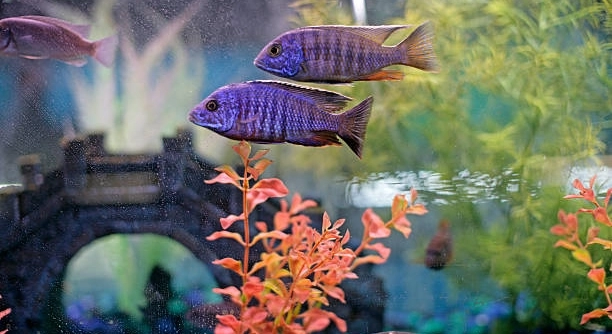
Many fishkeepers enjoy adding new cichlids to their tanks, hoping for peaceful community life. Sometimes, however, the new tank mates seem ignored or avoided by the original inhabitants. This behavior can feel confusing and frustrating.
Cichlids often ignore new tank mates due to territorial instincts, stress from unfamiliar fish, or social hierarchy establishment. These factors cause cautious or defensive behavior as they assess the newcomers before interacting or accepting them.
Learning more about these behaviors can help improve tank harmony and ensure your cichlids thrive together over time. Understanding the reasons behind their reactions makes a big difference.
Why Cichlids Act Distant with New Tank Mates
When new fish enter a cichlid tank, the original fish can feel uneasy. Cichlids are territorial by nature and like to protect their space. Adding new fish means sharing their area, which can cause stress and hesitation. They need time to assess if the newcomers are a threat or just visitors. Sometimes they swim around them without much interest, waiting to understand the new social order. The tank’s size and hiding spots also affect how quickly they accept new fish. If there is little room or no shelter, cichlids may avoid interaction to feel safer. Patience is important because cichlids often adjust once they get used to the newcomers. Watching their behavior closely helps to know when they are ready to mingle and when they need more space.
Introducing fish slowly helps reduce stress and gives cichlids a chance to adapt at their own pace.
Many factors affect how long it takes for cichlids to accept new tank mates. Stress, territory size, and personality all play roles. Cichlids often observe quietly before joining the group. By providing plenty of space and hiding areas, you can ease their transition. Avoid rushing introductions and keep water quality high, as stress can make them more distant. Over time, with calm conditions, most cichlids begin to tolerate or even interact with new fish. Understanding their natural instincts helps in managing expectations and creating a peaceful tank environment.
How to Encourage Cichlids to Accept New Fish
One way to help cichlids accept new tank mates is by rearranging the tank decorations. Changing the layout can break up established territories and reduce aggression.
Rearranging the tank disrupts existing boundaries and lowers territorial defense. This helps the cichlids see the environment as new, making them less likely to react strongly to newcomers. Adding plants, rocks, or caves provides extra hiding spots, giving shy fish places to retreat. Feeding all fish at the same time can reduce competition and make the new arrivals less threatening. Monitoring water conditions also reduces stress, making cichlids more open to socializing. These steps create a balanced setting where everyone can settle in peacefully. It takes time and care, but the effort usually pays off with a happier, calmer tank.
Understanding Territorial Behavior
Cichlids naturally defend their space to feel secure. New tank mates can trigger this instinct, causing the original fish to keep their distance or act aggressively.
Territorial behavior in cichlids helps maintain order within the tank but can be a barrier to accepting new fish. When a new fish enters, the resident cichlids may patrol their territory more actively or display warning signs like flaring fins or chasing. These actions are meant to establish dominance and protect resources like food and shelter. If the tank is small or crowded, these behaviors become stronger, making it harder for newcomers to integrate. Watching these signs can help you understand when cichlids are stressed and when they start to feel comfortable again.
Patience and providing enough space are key to easing territorial tensions. Over time, most cichlids adjust as they learn the new fish are not a threat.
Signs Your Cichlids Are Starting to Accept New Tank Mates
Cichlids begin to accept new tank mates when their aggressive displays lessen and they spend more time near the newcomers without chasing them.
You might notice cichlids swimming calmly around the new fish, sharing hiding spots, or even following them without signs of stress. This change shows that the original fish are recognizing the newcomers as part of their community rather than rivals. Feeding behavior also improves, with less competition and chasing. Some cichlids may start gentle interactions like nipping fins or swimming side by side, which are ways of testing social bonds. These signs mean your tank is moving toward balance, and the fish feel safer sharing their space. Keeping the environment stable and stress-free supports this positive behavior.
Tank Size Matters
A larger tank gives cichlids enough space to establish territories without constant conflict.
Smaller tanks force fish into close quarters, increasing stress and aggression. More room helps new fish blend in smoothly.
Feeding and Social Behavior
Proper feeding routines can reduce tension between cichlids and new tank mates. Consistent feeding times and enough food minimize competition and aggression. When fish aren’t stressed about food, they are more likely to accept others peacefully.
When to Separate Fish
If aggression becomes severe or one fish is injured, separating the fish is necessary to prevent harm.
Water Quality Impact
Poor water conditions increase stress, making cichlids less tolerant of newcomers. Maintaining clean water supports calm and healthy behavior.
Why do my cichlids ignore new tank mates at first?
Cichlids are naturally cautious and territorial. When new fish enter their tank, they may ignore them to observe and understand if these newcomers pose a threat. This cautious behavior helps them protect their space and resources until they feel safe enough to interact.
How long does it usually take for cichlids to accept new fish?
Acceptance times vary, but generally, it can take anywhere from a few days to several weeks. This depends on factors like tank size, species temperament, and how the new fish were introduced. Patience is key, as forcing interactions can cause stress and aggression.
Can I speed up the process of acceptance?
Yes, there are ways to help. Rearranging tank decorations breaks up established territories, reducing aggression. Providing hiding spots gives shy fish safe areas. Feeding all fish at once also helps lower competition. Maintaining good water quality keeps stress levels down.
What signs show that my cichlids are accepting new tank mates?
Look for reduced chasing and fewer aggressive displays. When cichlids swim calmly around the new fish or share spaces without conflict, it means they are starting to accept them. Improved feeding behavior and gentle interactions also signal progress.
Is it normal for some cichlids to never fully accept newcomers?
Yes, some cichlids have stronger territorial instincts or personalities that make acceptance difficult. In those cases, keeping certain fish separated or in larger tanks to reduce conflict might be necessary for their well-being.
How important is tank size in reducing aggression?
Tank size plays a major role. Larger tanks allow fish to establish territories with less overlap and provide space to avoid each other. Small tanks increase stress and conflict, especially when new fish are introduced.
Should I quarantine new fish before adding them to the tank?
Quarantining is a good practice to prevent disease and monitor new fish behavior. It helps keep the main tank healthy and reduces stress for all fish involved.
What should I do if aggression gets out of control?
If fighting causes injuries or constant stress, separate the aggressive fish. Sometimes rearranging the tank or adding barriers helps, but severe aggression requires immediate action to protect all fish.
Can the species of cichlids affect how they treat new tank mates?
Yes, different cichlid species vary in temperament. Some are more aggressive and territorial, while others are peaceful. Knowing your species’ behavior helps set realistic expectations and manage tank introductions better.
How does water quality affect cichlid behavior?
Poor water quality increases stress and makes fish more aggressive or withdrawn. Regular water changes and proper filtration keep fish healthy and calmer, which supports better social behavior and acceptance of new tank mates.
Is it better to add multiple new fish at once or one at a time?
Adding several new fish together can help because cichlids may focus on the newcomers as a group rather than singling out one fish. However, this works best in larger tanks. Adding one fish at a time lets you monitor each introduction more closely.
Can feeding methods impact how cichlids accept new fish?
Yes, feeding all fish simultaneously reduces competition and stress. Using multiple feeding spots and spreading food around prevents dominant fish from chasing others away and encourages peaceful sharing of resources.
Do hiding spots really help with acceptance?
Absolutely. Hiding places let shy or new fish feel secure, reducing stress and allowing them to explore the tank at their own pace. This lowers aggression and helps cichlids accept newcomers more easily.
What if a cichlid is ignored but not aggressive toward new fish?
Ignoring can be a sign of cautious observation or social hierarchy forming. This behavior is normal at first and often improves as fish grow comfortable with each other. Keep monitoring to ensure no signs of hidden stress or injury appear.
How often should I rearrange the tank to help reduce aggression?
Rearranging decorations occasionally, especially when adding new fish, breaks up territories and lessens aggression. However, doing it too often can cause stress, so find a balance that suits your fish’s behavior.
When adding new fish to a cichlid tank, it’s normal for the original cichlids to ignore or keep their distance from the newcomers at first. This behavior is a natural part of their territorial instincts and how they adjust to changes in their environment. Cichlids need time to feel safe and understand the presence of new tank mates. Being patient and observing their behavior closely helps you know when they are starting to accept the new fish. Rushing the process or forcing interactions can cause unnecessary stress and aggression, making it harder for all fish to live peacefully together.
Creating a comfortable and safe environment for your cichlids makes a big difference in how quickly they accept new tank mates. A larger tank with plenty of hiding spots and places to explore reduces tension and allows each fish to establish its own territory without constant conflict. Rearranging decorations during introductions can help break up existing territories, making the tank feel new to the residents. Feeding all fish at the same time and in different areas lowers competition, which helps reduce aggressive behavior. Also, maintaining good water quality is essential because healthy fish are less stressed and more likely to tolerate others in their space.
Understanding your cichlids’ natural behavior and needs is the best way to create a peaceful community tank. Some cichlids are more territorial than others, and it’s important to respect these differences. If certain fish never fully accept newcomers, it might be necessary to keep them separated or provide more space to avoid harm. Taking time to prepare your tank, watch your fish carefully, and make adjustments when needed will lead to better harmony in the long run. With patience and care, most cichlids learn to live together peacefully, making your aquarium a happier place for all its inhabitants.

Hello,
If you enjoy the content that we create, please consider saying a "Thank You!" by leaving a tip.
Every little bit helps us continue crafting quality advice that supports the health, happiness, and well-being of pets around the world, for pets of all shapes, sizes, and species.
We really appreciate the kindness and support that you show us!