
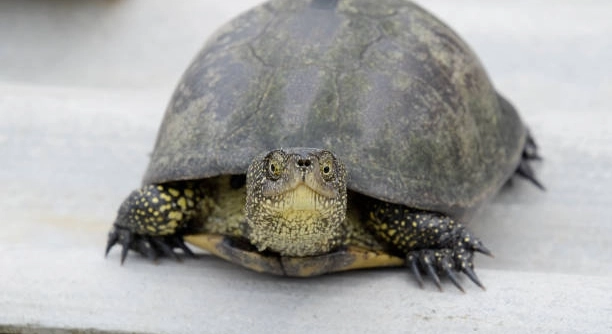
Musk turtles are fascinating creatures, but sometimes they engage in puzzling behaviors like eating their eggs. Understanding why this happens is important for any turtle owner concerned about their pet’s well-being.
Musk turtles may eat their eggs due to various factors such as stress, lack of nutrients, or environmental factors. This behavior can also be linked to instinctive actions or the turtle’s overall health, leading to egg consumption.
With the right knowledge, you can prevent this behavior and ensure your turtles thrive. Keep reading to discover simple steps to protect your turtle’s eggs and enhance its habitat for better health.
Why Do Musk Turtles Eat Their Eggs?
Musk turtles may consume their own eggs for a variety of reasons. One common cause is stress. Turtles are sensitive to changes in their environment, such as temperature shifts, loud noises, or overcrowded spaces. If they feel threatened, they might engage in abnormal behaviors, including eating their eggs. Another reason could be a lack of nutrients in their diet. Musk turtles, like all reptiles, need a balanced diet rich in vitamins and minerals. If they aren’t getting the proper nutrients, they may turn to eggs as a source of nourishment.
Musk turtles might also eat their eggs if they feel their nest isn’t safe. This behavior is instinctual and helps protect the eggs from potential predators. If they sense danger nearby, they may consume the eggs as a way to prevent them from being eaten.
Proper care and a balanced environment can help prevent these behaviors. Ensuring that your turtle has enough space and a healthy diet is key to reducing the likelihood of egg consumption.
Stress and Environmental Factors
Musk turtles are highly sensitive to their environment. Stress can arise from temperature fluctuations, noise, or even unfamiliar surroundings. These factors can lead to unusual behaviors, like eating their eggs.
A stable environment is essential for your turtle’s well-being. Musk turtles thrive in temperatures between 75°F and 85°F. If their habitat is too hot or cold, they may become stressed and act out. Noise pollution, whether from nearby pets or loud sounds, can also cause anxiety. If your turtle feels unsettled, it may exhibit egg-eating behavior as a way to cope.
Additionally, overcrowding can increase stress levels in musk turtles. When turtles are kept in tanks that are too small or with too many other turtles, they may feel threatened. It’s important to give them enough space to move freely, which will help reduce stress and discourage egg consumption.
Nutritional Deficiencies
A poor diet can make musk turtles more prone to eating their eggs. If they aren’t getting enough essential nutrients, they may turn to eggs as a source of food.
Turtles need a varied diet that includes a balance of proteins, vitamins, and minerals. If they lack essential nutrients, they may seek alternative sources, such as their eggs. Musk turtles require calcium for strong bones and shell health. Without it, they may feel compelled to consume eggs for a boost in calcium. Additionally, a lack of other nutrients like vitamin A or protein can trigger this behavior.
It’s important to provide your turtle with high-quality food such as commercial turtle pellets, live insects, and leafy greens. Supplementing their diet with calcium and vitamin D3 can help prevent egg-eating. You can also offer occasional protein sources like worms and small fish to keep their diet balanced and nutritious.
Instinctive Behavior
Musk turtles may eat their eggs due to instinct. In the wild, turtles face many dangers, and consuming eggs can prevent predators from getting to them. This behavior might be hard to avoid, especially if they feel their nest is under threat.
This instinct is particularly strong in female turtles. They may destroy their eggs if they sense danger nearby, thinking it’s safer to consume them than risk having them eaten. In captivity, this behavior can sometimes occur even when there is no actual threat.
Lack of Nesting Sites
If your musk turtle doesn’t have a proper nesting area, it may end up eating its eggs. Turtles need a safe and quiet place to lay their eggs.
If the turtle feels that its nest isn’t secure enough, it may eat the eggs out of frustration. Lack of privacy, proper soil, or a place to bury the eggs can contribute to this issue. Providing a suitable nesting site can help prevent this behavior.
FAQ
Why is my musk turtle eating its eggs?
Musk turtles eat their eggs primarily due to stress, lack of proper nutrition, or environmental factors. Stress can arise from changes in temperature, overcrowded spaces, or loud noises. Nutritional deficiencies, such as insufficient calcium, protein, or vitamins, can also cause egg-eating behavior. Furthermore, instinctive behaviors may drive a female turtle to consume her eggs if she feels the nest is unsafe.
How can I prevent my musk turtle from eating its eggs?
Providing a stable and stress-free environment is the first step in preventing egg consumption. Ensure that the tank’s temperature stays between 75°F and 85°F. Avoid overcrowding, and place your turtle in a calm, quiet area away from loud sounds. Along with a well-maintained habitat, focus on a balanced diet, including proper calcium and vitamin D3 supplements. Create a secure and private nesting area to help your turtle feel safe while laying eggs.
What should I feed my musk turtle to prevent egg eating?
Musk turtles require a varied diet that includes high-quality commercial pellets, leafy greens, and occasional protein sources like worms, fish, or insects. Calcium is especially important for their health, so offer calcium-rich foods like cuttlebone or a calcium supplement. Adding vitamin D3 helps the turtle absorb calcium properly. A balanced, nutritious diet reduces the chances of your turtle resorting to eating its eggs.
How can I create the right nesting environment for my musk turtle?
A proper nesting area should be a quiet, secure space where the turtle can lay eggs without disturbance. Provide soft, moist soil or sand, and make sure there is enough space for your turtle to bury her eggs. You can also add a shallow pool of water for easy access to hydration and temperature control. Privacy is key—if your turtle feels safe in the environment, she is less likely to eat the eggs.
Is egg-eating a common problem with musk turtles?
Egg-eating is not uncommon, especially if the turtle is stressed or has an improper environment. In the wild, turtles may eat their eggs as a way to protect them from predators. In captivity, this behavior may occur due to similar instincts, but it is often linked to factors like nutrition, overcrowding, or a lack of nesting areas.
Should I worry if my turtle eats its eggs?
While it’s normal for turtles to display this behavior occasionally, consistent egg-eating can be a sign of an underlying problem. If it becomes a frequent issue, it’s important to evaluate the turtle’s habitat and diet. Stress, insufficient nutrition, or poor nesting conditions are often the root causes.
How often do musk turtles lay eggs?
Female musk turtles typically lay eggs once or twice a year. The number of eggs laid varies depending on the turtle’s age, size, and overall health. After laying, the female will usually bury the eggs in a secure area. If this nesting process is disrupted, the female may eat the eggs out of instinct.
Can I help my musk turtle care for its eggs?
You can assist your turtle by providing a clean, safe, and well-maintained nesting site. If you notice your turtle has laid eggs, avoid disturbing the nest. If the eggs are left in the tank, it may be best to incubate them in a separate, controlled environment. Keeping the eggs at the right temperature and humidity level will improve the chances of hatching.
Is it safe to breed musk turtles in captivity?
Breeding musk turtles in captivity is possible, but it requires careful planning. You must ensure that the turtles have enough space, proper nesting areas, and a balanced diet. A female must also be healthy enough to carry eggs, which requires a calcium-rich diet. Breeding should only be attempted if you are prepared to handle the responsibilities of caring for hatchlings.
What are the signs that my musk turtle is stressed?
Signs of stress in musk turtles can include excessive hiding, erratic swimming, loss of appetite, or unusual behaviors like egg-eating. If your turtle displays these behaviors, it’s crucial to examine its environment for factors like temperature fluctuations, overcrowding, or too much noise. Reducing these stressors can help calm your turtle.
Final Thoughts
Musk turtles can be wonderful pets, but their behaviors can sometimes be puzzling. When they eat their eggs, it’s often due to stress, nutritional deficiencies, or instinctive behaviors. Understanding the causes behind this issue is essential for addressing the problem and helping your turtle thrive. By providing the right environment, diet, and nesting space, you can reduce the likelihood of your turtle engaging in egg-eating behavior.
A key factor in preventing this behavior is reducing stress. Musk turtles are sensitive creatures, and changes in their environment can affect their well-being. Keeping the water temperature stable, offering enough space in their tank, and ensuring the area is calm and quiet are important steps. Avoid overcrowding, as it can lead to aggression and stress. Taking these simple precautions can make a significant difference in your turtle’s behavior.
Nutritional care is equally important. If your turtle isn’t getting the proper balance of vitamins, calcium, and protein, it might resort to eating its eggs. A well-rounded diet, supplemented with calcium and vitamin D3, will help keep your turtle healthy and reduce the chances of egg-eating. With proper care and a little attention to their needs, your musk turtles can live a happy, stress-free life.

Hello,
If you enjoy the content that we create, please consider saying a "Thank You!" by leaving a tip.
Every little bit helps us continue crafting quality advice that supports the health, happiness, and well-being of pets around the world, for pets of all shapes, sizes, and species.
We really appreciate the kindness and support that you show us!