
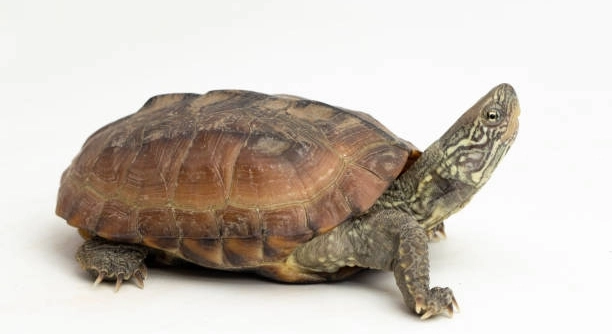
Transitioning a musk turtle from the wild to captivity can be a challenging but rewarding process. It requires careful attention to their needs, environment, and well-being to ensure a smooth adaptation to life in a new setting.
To successfully transition a musk turtle from wild to captivity, it is essential to provide a proper enclosure, a suitable diet, proper lighting, and a stress-free environment. Gradual changes and monitoring of health are also crucial to ensure the turtle adapts well.
Understanding how to manage their diet, habitat, and overall care will help you provide a comfortable and healthy life for your musk turtle in captivity. These steps are key to their transition and long-term well-being.
Step 1: Setting Up the Right Habitat
When transitioning a musk turtle from the wild to captivity, the first and most important step is setting up an appropriate habitat. Wild turtles are used to large, natural environments, so providing enough space in their new enclosure is essential. A spacious tank with both land and water areas is ideal. Make sure the tank is large enough to allow the turtle to swim, climb, and bask comfortably. Water quality is also critical; musk turtles need clean, filtered water to thrive. You should use a water filter to keep the water free from debris and bacteria. Additionally, make sure the tank is deep enough for the turtle to submerge fully. A secure lid is also necessary to prevent the turtle from escaping.
The tank should mimic their natural environment as much as possible, with areas for hiding and basking. Water temperatures should stay between 75 and 80 degrees Fahrenheit, and the basking area should be around 85 degrees. If possible, add some plants or rocks to provide a more natural feel.
Turtles are creatures of habit and require stability to feel safe. If the setup isn’t right, they may struggle to adjust to their new home. The habitat should also be maintained regularly to ensure cleanliness and avoid diseases. This will help your turtle feel more at ease and make the transition smoother.
Step 2: Creating the Right Diet
A balanced diet plays a key role in a successful transition. Musk turtles in the wild often eat a mix of aquatic plants, small fish, and insects. Replicating this diet in captivity is crucial. Include a variety of foods such as commercial turtle pellets, live or frozen fish, and aquatic plants. Offering a mix will provide the turtle with the necessary nutrients and keep them healthy.
It is important to also adjust the feeding schedule to avoid overfeeding. Musk turtles have smaller appetites than they seem, and overfeeding can lead to health problems. Offering food every other day should be sufficient for most turtles.
While feeding, monitor the turtle’s behavior. If it refuses to eat, check water temperature, water quality, and the food you are offering. Changes in appetite can indicate stress, so you want to make sure everything is right for your turtle’s needs.
Step 3: Proper Lighting and UVB Exposure
Providing proper lighting is crucial for your turtle’s health. Musk turtles need both UVA and UVB light to support their immune system and calcium absorption. Without UVB light, your turtle can develop shell problems, metabolic bone disease, or other health issues. Use a UVB bulb specifically designed for reptiles, and make sure it’s positioned close enough to the basking area so the turtle can access it.
Change the bulb every 6 months, as its effectiveness can decrease over time. Make sure to place the light on a timer to simulate day and night cycles. This will help the turtle establish a natural routine, reducing stress. Also, provide a heat lamp for basking, as turtles need warmth to regulate their body temperature.
Make sure the UVB light is not directly over the water, as water can filter out the UV rays, reducing their effectiveness. Position it close to the basking area where the turtle can soak up the rays safely.
Step 4: Gradual Adjustment to Captivity
Moving a musk turtle from the wild to captivity can cause stress, which might lead to refusal to eat or hiding for long periods. A gradual transition can help reduce stress. Start by placing the turtle in its new habitat without forcing it to interact with its surroundings. Let it explore the tank at its own pace. This can take a few days or even weeks, depending on the turtle’s comfort level.
Once the turtle is familiar with the tank, introduce it to the basking and feeding areas. Try to avoid any sudden changes or loud noises that could frighten it. The key here is to be patient and allow the turtle to feel safe and secure in its new home.
Keeping things quiet and stable during the first few weeks will also help the turtle adjust. Too much noise or activity around the tank can cause unnecessary stress. Take your time during this period, as rushing the process could delay the turtle’s adjustment.
Step 5: Monitor Health and Behavior
Once your musk turtle is in its new environment, it’s essential to monitor its health and behavior. Keep an eye on any signs of stress, such as lack of movement, refusal to eat, or abnormal hiding. Any sudden changes in behavior may indicate that something is wrong.
Turtles are good at hiding illness, so paying attention to their daily habits is important. If you notice unusual behavior, check the water quality and temperature. Also, keep an eye on the turtle’s shell for any signs of injury or infection.
Paying attention to these details can help you spot potential health issues early. If you’re unsure about your turtle’s condition, consider taking it to a reptile vet. Regular health checks are an important part of ensuring a smooth transition and long-term well-being.
Step 6: Keep the Environment Stress-Free
The environment should remain as stress-free as possible for the turtle. Avoid placing the tank in high-traffic areas where loud sounds and constant movement could make your turtle feel threatened. Turtles are naturally shy, and sudden noises can increase their stress levels.
Creating a calm environment will help your turtle feel more at ease. If needed, add hiding spots or floating platforms where it can retreat if it feels scared. A peaceful setting is key to helping your turtle adjust to captivity over time.
Step 7: Establish a Routine
Establishing a consistent routine is important for your musk turtle’s mental and physical health. A predictable schedule for feeding, cleaning, and light cycles will help the turtle feel more secure in its new environment. Try to stick to regular times each day for feeding and maintenance tasks.
By establishing a routine, your turtle will come to expect certain events at certain times, reducing stress. It also helps in monitoring its behavior and health more effectively. Keeping everything predictable will allow the turtle to adjust without added uncertainty, aiding in a smoother transition.
FAQ
What size tank does my musk turtle need?
The size of the tank depends on the size of your musk turtle. For a small turtle, a 40-gallon tank should be sufficient. However, as your turtle grows, you will need a larger tank to accommodate it. A general rule is to have 10 gallons of water per inch of turtle. A larger tank will also provide more space for swimming and basking, making the environment feel more natural. Keep in mind that musk turtles need both land and water areas, so make sure the tank setup is well divided for both.
Do musk turtles need a basking spot?
Yes, musk turtles need a basking spot. Basking is important for regulating their body temperature and helps them absorb UVB rays, which are necessary for calcium metabolism. A basking area should be dry and warm, with a heat lamp placed over it. The temperature should be around 85°F. The turtle should be able to climb out of the water and rest comfortably on this spot.
Can musk turtles live together in the same tank?
Musk turtles are generally solitary creatures, and it’s best to keep them in separate tanks. While they might tolerate each other for a while, there is always a risk of territorial behavior, especially if space is limited. If you do choose to house multiple turtles together, make sure the tank is large enough to provide ample space for each turtle to have its own area. Monitor their behavior closely for signs of aggression.
How often should I clean my musk turtle’s tank?
Cleaning frequency depends on the size of the tank and how many turtles you have, but generally, it’s recommended to clean the tank every 1-2 weeks. In addition to regular full cleanings, you should also spot clean daily by removing uneaten food, waste, and debris from the water. A quality water filter can help reduce the buildup of waste and keep the water clean for longer periods, but it’s still important to change the water regularly to maintain optimal water quality.
What kind of food should I feed my musk turtle?
Musk turtles are omnivores, meaning they need a balanced diet of both animal and plant-based foods. A mix of commercial turtle pellets, live or frozen fish, insects, and aquatic plants works well. You can also feed them vegetables like leafy greens. Avoid offering too much protein, as it can cause health issues. It’s important to offer a variety of foods to ensure they get all the necessary nutrients. Keep portions moderate to avoid overfeeding, which can lead to health problems such as obesity.
How do I know if my musk turtle is sick?
Musk turtles can be good at hiding illness, so it’s important to keep an eye on any changes in their behavior. If your turtle is refusing food, acting lethargic, or spending a lot of time submerged without basking, it might indicate a problem. Also, watch for any unusual changes to the shell, such as soft spots or discoloration. If you notice any of these symptoms, it’s best to consult with a reptile vet. Regular check-ups can help catch potential health issues early on.
Can I use tap water in my turtle’s tank?
Tap water can be used in your musk turtle’s tank, but it’s important to treat it first. Most tap water contains chlorine and other chemicals that can harm your turtle. Use a water conditioner specifically made for reptiles to neutralize these chemicals. Alternatively, you can allow the tap water to sit for 24 hours to let the chlorine evaporate before using it in the tank. Always check the water’s temperature and pH level to ensure it is suitable for your turtle.
How do I handle my musk turtle?
Musk turtles are generally shy and do not enjoy being handled frequently. If you do need to handle your turtle, be gentle and avoid grabbing it by the shell. Instead, support it by holding it gently under the body, ensuring you do not squeeze or apply too much pressure. Handling should be kept to a minimum to avoid stressing the turtle. Always wash your hands after handling your turtle to prevent the spread of bacteria.
What temperature should the water be in the tank?
The water temperature should be kept between 75°F and 80°F. If the water is too cold, the turtle may become sluggish and less active. If it’s too warm, it could cause stress and other health problems. Use a submersible heater to maintain a consistent temperature, and check it regularly with a thermometer. Ensure that the basking area is warmer, around 85°F, to allow the turtle to regulate its body temperature effectively.
Do musk turtles need UVB light all the time?
Yes, musk turtles need UVB light to stay healthy, and it should be on for about 10-12 hours a day to mimic a natural day-night cycle. UVB light is important for calcium absorption and preventing metabolic bone disease. Without proper UVB exposure, your turtle may develop soft shell problems and other health issues. Be sure to replace the UVB bulb every 6 months, as its effectiveness will diminish over time.
Final Thoughts
Transitioning a musk turtle from the wild to captivity requires attention to detail and a clear understanding of their needs. Providing the right environment is key to helping your turtle adjust. Setting up a spacious tank with both water and land areas, as well as ensuring proper lighting and water temperature, are essential first steps. By creating a habitat that closely mirrors their natural environment, you can make the transition less stressful for the turtle and promote its long-term health.
A well-balanced diet is also crucial in the process. Wild musk turtles feed on a variety of foods, including plants, insects, and small fish. Replicating this diet in captivity is important for maintaining their health. Offering a range of foods, such as commercial pellets, vegetables, and occasional live or frozen fish, will ensure your turtle gets the necessary nutrients. Regular feeding schedules and monitoring their appetite will also help you spot any potential health issues early on. A consistent routine is key to building comfort and stability for your turtle.
Remember that transitioning a musk turtle takes time, patience, and careful observation. By maintaining a stress-free environment and offering regular care, your turtle will gradually adapt to its new home. Be aware of signs of stress or illness and address any concerns quickly. With the right setup, diet, and attention, your musk turtle can thrive in captivity and live a healthy, comfortable life.

Hello,
If you enjoy the content that we create, please consider saying a "Thank You!" by leaving a tip.
Every little bit helps us continue crafting quality advice that supports the health, happiness, and well-being of pets around the world, for pets of all shapes, sizes, and species.
We really appreciate the kindness and support that you show us!