
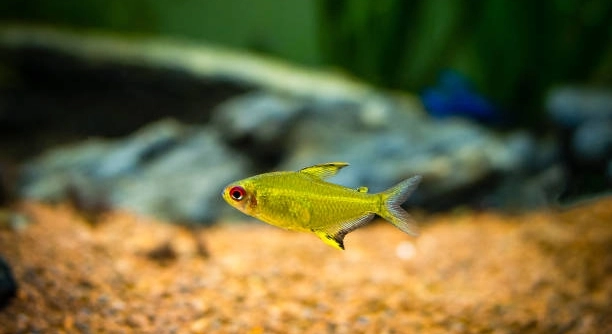
Lemon Tetras are small, colorful fish that bring life to any aquarium. Many fishkeepers enjoy their lively behavior but often find themselves wondering about the best lighting conditions for these delicate creatures.
Lemon Tetras prefer moderate lighting with some shaded areas. Bright, direct light can stress them, while dim or balanced light helps mimic their natural environment, supporting healthy activity, coloration, and overall well-being in a home aquarium.
Providing the right balance of light and shade can enhance your aquarium’s environment and keep your Lemon Tetras thriving naturally.
Understanding Lemon Tetras’ Natural Habitat
Lemon Tetras come from slow-moving rivers and streams in South America. Their natural environment is often shaded by overhanging plants, which provides them with protection from predators and reduces stress. They thrive among submerged roots and leaf litter, which gives them hiding spots and helps them feel secure. Light in their habitat is rarely direct, creating a gentle, diffused glow in the water. Replicating these conditions in an aquarium helps them maintain their bright yellow coloration and active behavior. Providing floating plants or carefully positioned decorations can create shaded areas while still allowing enough light for aquarium plants to grow. Overly bright lighting can cause the fish to hide constantly or appear stressed, while too little light may dull their color and affect their feeding habits. Observing their behavior in different lighting conditions allows aquarists to adjust the environment for optimal health.
Shaded spots with moderate light support both their comfort and natural behavior in captivity.
A balanced aquarium setup with proper lighting and shaded areas creates a healthy, comfortable space. Lemon Tetras will swim more freely, display vibrant colors, and engage in social interactions. Combining plants, roots, and decor enhances the tank’s appearance while maintaining functional hiding places. Regularly monitoring their response to light ensures long-term well-being and reduces signs of stress or illness.
Setting Up Proper Lighting
Use LED or fluorescent lights that allow for adjustable brightness.
Choosing lights that can be dimmed or positioned strategically helps simulate natural conditions. Direct, harsh lighting should be avoided. Floating plants or tall decorations can diffuse light and create comfortable shaded areas for the fish to retreat when needed. Adjusting lighting gradually instead of abrupt changes helps them adapt without stress.
Maintaining a consistent day-night cycle is essential. Lemon Tetras need about 10 to 12 hours of light daily, balanced with periods of shade. Sudden shifts in brightness can cause stress and disrupt feeding patterns. Combining moderate lighting with shaded regions encourages natural swimming and resting behaviors. Using timers ensures regular light cycles without daily manual adjustments. Observing their reactions to different lighting positions helps optimize placement. Including live plants not only diffuses light but also improves water quality and provides additional hiding spots. By carefully selecting light intensity, placement, and duration, aquarists can replicate conditions similar to rivers and streams, allowing Lemon Tetras to flourish while maintaining a vibrant, lively aquarium.
Ideal Tank Decorations
Adding plants and roots creates shaded areas for Lemon Tetras. They feel safer when they can hide, which reduces stress and encourages natural swimming patterns.
Live plants like Java fern, Anubias, and floating species provide cover while softening light. Driftwood or roots mimic their natural habitat and offer resting spots. Arranging decorations with open swimming areas allows them to move freely while still having shaded retreats. Combining taller plants with shorter foreground greenery helps create depth and variety, supporting both fish behavior and tank aesthetics. Observation is key to adjusting placement for maximum comfort.
Decorations also play a role in water quality. Live plants absorb nitrates and help oxygenate the tank, contributing to a healthier environment. Root structures prevent fish from feeling exposed and encourage group swimming. Balancing open spaces with hiding spots keeps them active yet secure. Consistently checking their behavior ensures that the setup meets their needs and supports long-term health.
Monitoring Fish Behavior
Lemon Tetras’ response to lighting and decor indicates their comfort.
Paying attention to swimming patterns and color intensity reveals how well they adapt. Healthy, confident fish explore the tank and interact with each other.
If they constantly hide or lose color, adjustments may be needed. Shaded areas can be increased, light intensity reduced, or decorations rearranged. Feeding behavior is another indicator: active feeding shows comfort, while hesitation can signal stress. Group dynamics also matter; Lemon Tetras are schooling fish and feel secure when kept in proper numbers. By observing daily behavior and making small adjustments, their environment can be optimized for both physical health and natural activity patterns, resulting in a thriving aquarium that closely resembles their native habitat.
Light Duration
Lemon Tetras need a consistent light schedule. About 10 to 12 hours of light daily keeps them active and healthy.
Using a timer helps maintain regular day and night cycles. Sudden changes in lighting can stress the fish and affect their feeding and swimming behavior.
Adjusting Light Intensity
Adjusting light intensity gradually prevents stress. Dimmer light helps them feel secure, while moderate brightness enhances their coloration. Bright, direct light should be avoided, as it may cause hiding and stress. Observing how they respond allows for better placement and intensity control, creating a balanced environment.
Signs of Stress
Faded color, constant hiding, or erratic swimming indicate stress.
Recognizing these signs early allows adjustments to lighting, decoration, or tank conditions to restore comfort and well-being.
FAQ
Do Lemon Tetras need complete darkness at night?
Lemon Tetras benefit from a clear day-night cycle. They do not require complete darkness, but reducing light at night helps them rest and maintain natural rhythms. Using a timer ensures consistency, preventing stress caused by sudden or irregular light changes.
Can they tolerate bright aquarium lights?
Bright, direct lighting can stress Lemon Tetras. They prefer moderate lighting with shaded areas created by plants or decorations. Observing their behavior under different light levels helps determine the right intensity. Fish that constantly hide or lose color may need softer lighting.
What type of plants work best for shading?
Floating plants like duckweed or water lettuce are ideal for creating shade. Taller plants such as Anubias, Java fern, and Amazon sword provide vertical cover, while roots and driftwood offer additional hiding spots. Combining these elements mimics natural habitat conditions.
How many hours of light do they need daily?
Lemon Tetras thrive with 10 to 12 hours of light per day. Consistent timing using a timer ensures regular day-night cycles. Sudden changes or too long exposure can cause stress and affect swimming or feeding behavior.
Is a heavily planted tank necessary?
While not strictly necessary, a heavily planted tank benefits Lemon Tetras. Plants offer shade, hiding spaces, and improved water quality. They help the fish feel secure and encourage natural swimming patterns, while also enhancing tank aesthetics.
What signs indicate stress from light?
Stress signs include faded coloration, excessive hiding, sluggish swimming, and reduced appetite. Monitoring behavior daily allows adjustments to lighting intensity, duration, or decoration placement, ensuring the fish remain comfortable and healthy.
Can LED lights be used safely?
Yes, LED lights are safe and effective for Lemon Tetras. They provide adjustable intensity and simulate natural light conditions. LEDs also produce less heat than traditional bulbs, reducing stress on both fish and plants.
Do floating plants reduce the need for dim lighting?
Floating plants diffuse light naturally, reducing the need for dimming. However, combining moderate lighting with shaded areas ensures a comfortable environment. Observing fish behavior helps determine if additional adjustments are needed.
How often should lighting be adjusted?
Adjust lighting gradually if needed. Sudden changes can shock the fish. Monitor their activity and coloration, and make small adjustments to maintain comfort and natural behavior patterns.
Can decorations alone provide enough shade?
Yes, driftwood, rocks, and roots can create sufficient shaded areas. Combining them with plants improves the environment further, giving Lemon Tetras hiding spots and open swimming space, supporting both security and activity.
Do stress levels affect color intensity?
Stress directly impacts color. Fish under constant bright light or without hiding spaces may show duller yellow tones. Balanced lighting, shaded areas, and proper tank decor help maintain vibrant colors and healthy fish behavior.
Is it important to observe fish daily?
Daily observation is crucial. It helps detect stress, illness, or discomfort early. Watching how Lemon Tetras respond to light, shade, and decorations ensures adjustments can be made to maintain a healthy, thriving aquarium environment.
Can small changes in lighting improve behavior?
Even small adjustments, like repositioning a plant or dimming a light slightly, can reduce stress and improve activity. Lemon Tetras respond well to gradual changes, showing brighter colors and more natural swimming patterns when comfortable.
Are all Lemon Tetras affected by light the same way?
Individual fish may react slightly differently. Some may prefer more shaded areas, while others tolerate moderate brightness. Observing each fish’s behavior helps customize lighting and decor for optimal comfort and health.
Does lighting affect breeding behavior?
Yes, proper lighting and shaded areas encourage natural behavior, including schooling and potential breeding activity. Consistent light cycles, combined with a safe, planted environment, create conditions similar to their natural habitat, supporting reproductive health.
Can too little light harm the fish?
Insufficient light can dull coloration and affect feeding and activity. While Lemon Tetras tolerate moderate dimness, a balance is necessary to support healthy swimming, social interaction, and natural color expression.
Should lights be turned off during feeding?
Turning lights off during feeding is not necessary, but providing moderate lighting helps them see food while still feeling secure. Maintaining a consistent schedule is more important than temporary adjustments during meals.
How do floating plants impact algae growth?
Floating plants shade the tank and reduce direct light, which can help control algae growth. They create a healthier environment by limiting excess light exposure while providing cover and hiding spots for the fish.
What is the best combination of plants and decorations?
A mix of floating plants, taller background plants, roots, and driftwood works best. This creates shaded areas, open swimming space, and visual interest, closely mimicking the natural habitat of Lemon Tetras. Balance is key to supporting their comfort and natural behavior.
How can I tell if the tank lighting is too strong?
Signs include constant hiding, pale coloration, or erratic swimming. Adjusting light intensity gradually and adding shaded areas usually alleviates these issues, ensuring the fish feel secure and active.
Do Lemon Tetras need different lighting in winter?
Lighting duration may be slightly reduced during winter months if natural room light decreases. Maintaining consistent day-night cycles remains important to support health and normal behavior regardless of season.
Can artificial light replace natural sunlight?
Yes, artificial aquarium lighting can fully replace natural sunlight. LEDs or fluorescent lights provide the necessary spectrum and intensity when properly adjusted, ensuring Lemon Tetras thrive without exposure to direct sunlight.
Is it better to use a single light source or multiple?
Multiple light sources allow for more even coverage and the ability to create shaded areas. Combining overhead lights with adjustable lamps or smaller spotlights helps mimic natural conditions and reduce stress.
Does tank size affect light needs?
Larger tanks may require stronger or multiple lights to ensure even illumination. Shading can still be achieved with plants and decorations, helping maintain comfort for Lemon Tetras across the entire aquarium.
How important is light placement?
Placement is critical. Lights should simulate natural angles, avoiding direct overhead exposure. Strategically positioned plants and decorations help diffuse light and create comfortable shaded areas where fish can rest or explore.
Can lighting changes influence schooling behavior?
Yes, stable lighting encourages natural schooling patterns. Sudden or harsh light can scatter groups, causing stress. Maintaining consistent, moderate lighting supports cohesive swimming and social interactions within the school.
Are timers essential for beginners?
Timers simplify consistent lighting schedules. They prevent mistakes with irregular day-night cycles and reduce stress on the fish, ensuring a stable and healthy environment for both fish and plants.
Do stressed fish recover quickly with adjusted lighting?
Most Lemon Tetras recover quickly when lighting is adjusted to moderate levels with shaded areas. Providing time and a stable environment restores color, normal swimming, and feeding behavior effectively.
Can lighting affect plant growth in the tank?
Yes, sufficient light supports healthy plant growth, which in turn provides shade and improves water quality. Balancing light intensity benefits both plants and fish, creating a harmonious, thriving aquarium ecosystem.
How often should I check fish behavior after lighting changes?
Monitor behavior daily for at least a week after changes. Look for normal swimming, feeding, and coloration to ensure the adjustments positively impact comfort and health.
Final Thoughts
Lemon Tetras are small, lively fish that thrive in carefully managed aquarium environments. Lighting plays a significant role in their well-being, influencing their color, behavior, and overall health. Providing a balance of light and shade is essential, as these fish are naturally accustomed to soft, diffused light in their native habitats. Bright, direct lighting can lead to stress, causing them to hide more frequently, swim erratically, or display duller coloration. On the other hand, too little light can affect their activity levels and limit the growth of live plants, which are important for creating a comfortable environment. By understanding their natural preferences, fishkeepers can replicate conditions that promote healthy behavior and vibrant coloration. This includes using moderate light, strategically placing plants and decorations, and ensuring shaded areas for resting. Consistency is also key, as Lemon Tetras respond best to stable conditions rather than sudden changes in lighting.
Setting up an aquarium that mimics natural habitats can improve both the fish’s comfort and the overall appearance of the tank. Live plants, driftwood, and roots provide shelter, reduce stress, and help diffuse light effectively. Floating plants can be particularly useful, creating natural shade while still allowing enough light for other aquarium plants to grow. Open swimming areas are just as important, giving Lemon Tetras space to move freely and exhibit natural schooling behavior. Adjusting light intensity gradually and observing the fish’s response is crucial for finding the right balance. Over time, fishkeepers can learn how their Lemon Tetras react to different setups, making small changes to optimize both comfort and aesthetics. A well-thought-out tank with proper lighting and decorations not only keeps the fish healthy but also enhances the visual appeal of the aquarium, creating a dynamic and natural-looking underwater environment.
Regular observation and care are vital for maintaining a healthy aquarium. Paying attention to swimming patterns, color intensity, and feeding behavior helps identify stress or discomfort early. Adjustments to lighting, decorations, or plant placement can address these issues before they affect health. Using timers for consistent light cycles, providing shaded areas, and maintaining moderate light intensity are simple but effective strategies. By creating an environment that closely resembles their natural habitat, Lemon Tetras can display their full range of behaviors, from active schooling to resting in shaded areas. Long-term commitment to these practices ensures that the fish remain vibrant, healthy, and active, resulting in a thriving aquarium that benefits both the fish and the aquarist.

Hello,
If you enjoy the content that we create, please consider saying a "Thank You!" by leaving a tip.
Every little bit helps us continue crafting quality advice that supports the health, happiness, and well-being of pets around the world, for pets of all shapes, sizes, and species.
We really appreciate the kindness and support that you show us!