
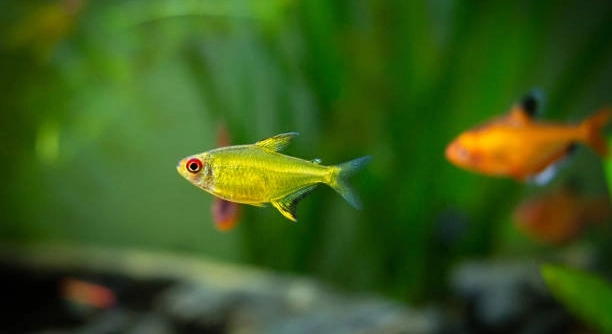
Lemon tetras are small, vibrant fish that brighten any freshwater aquarium. Sometimes, these fish display unusual swimming behaviors, including briefly swimming backward, which can catch the attention of even experienced aquarists observing their daily routines.
Swimming backward in lemon tetras is typically a normal behavior related to exploration, territorial adjustment, or minor stress responses. It can also occur due to sudden changes in water conditions, social interactions, or attempts to navigate confined spaces within the aquarium environment.
Observing this behavior provides insight into their health and social habits, helping you maintain a balanced and comfortable environment for your fish.
Common Reasons Lemon Tetras Swim Backward
Lemon tetras may swim backward for several straightforward reasons. One frequent cause is minor stress in the aquarium. Sudden changes in water temperature or chemistry can make them briefly swim in reverse as they adjust. Another reason is exploration. These fish often investigate corners, plants, or decorations by moving backward to better assess tight spaces. Social dynamics also play a role. Lemon tetras are schooling fish, and swimming backward can signal submission or avoidance when interacting with more dominant tank mates. Sometimes, backward swimming is simply part of their natural behavior. Observing their pattern helps distinguish normal behavior from something that might require attention. Consistent backward swimming accompanied by other signs, like loss of appetite or lethargy, could indicate health concerns. Ensuring water conditions remain stable and the tank provides sufficient space can reduce unnecessary stress. Monitoring their swimming allows you to maintain a healthier, more balanced aquarium environment for all your fish.
This behavior is usually temporary and harmless, reflecting normal fish adjustment.
Watching their occasional backward movement helps you understand social and environmental interactions, improving care strategies for your lemon tetras.
Tips to Reduce Backward Swimming
Adjusting water conditions gradually can prevent unnecessary stress for lemon tetras.
Stable water parameters, appropriate tank size, and hiding spots minimize backward swimming. Ensure water temperature and pH remain consistent, as sudden shifts trigger this behavior. Maintaining a proper school size allows them to establish social order without stress. Decorations should allow free swimming but provide secure areas for exploration. Regular feeding at consistent times reduces anxiety and erratic movements. Avoid overcrowding the tank, which can lead to constant backward swimming or avoidance behavior. Observation is key; noting changes in swimming patterns helps identify environmental issues before they affect health. Proper filtration and aeration contribute to a calm environment, reducing minor stress responses. Each adjustment reinforces natural behavior while promoting a balanced, healthy tank environment for lemon tetras. These small interventions can make a noticeable difference in their comfort, activity, and overall well-being, allowing you to enjoy their vibrant presence without worrying about unusual movements.
Observing Health Indicators
Backward swimming can sometimes indicate minor health issues. Look for other signs such as clamped fins, faded colors, or unusual hiding. Monitoring these indicators helps distinguish normal behavior from potential illness and ensures timely intervention for lemon tetras.
Keeping a close eye on your lemon tetras’ overall activity reveals subtle changes in behavior. When backward swimming appears alongside reduced appetite or lethargy, it may point to stress or early illness. Parasites, bacterial infections, or poor water quality can influence swimming patterns. Regular observation allows you to detect problems early, making adjustments in diet, water parameters, or tank maintenance easier. Tracking their interactions with other fish also highlights social stressors that might trigger backward movements, ensuring you can address environmental or health concerns promptly.
In some cases, backward swimming is harmless and part of normal exploration, but persistent occurrences paired with physical changes warrant attention. Maintaining clean water, appropriate temperature, and stable pH supports overall health. Adequate space and consistent feeding routines reduce stress-induced behaviors. Using a gentle filtration system and providing hiding areas ensures lemon tetras feel secure. Being observant and responsive helps prevent minor issues from escalating into serious problems, keeping your fish active and vibrant.
Environmental Adjustments
Tank layout and décor influence swimming behaviors, including occasional backward movement. Proper placement of plants, rocks, and open spaces encourages normal activity and reduces stress in lemon tetras.
Providing a balanced environment prevents unnecessary backward swimming. Open swimming areas allow free movement, while dense planting offers security. Avoid overcrowding to reduce social tension, as excessive competition triggers erratic movements. Decorations should not block natural swimming paths but provide occasional retreat spaces. Regular water changes maintain clarity and stability, while gentle filtration prevents strong currents that may cause disorientation. Tank temperature and pH must remain consistent, and monitoring these parameters ensures a healthy environment. Lighting should mimic natural cycles, supporting activity patterns without startling the fish.
Adjustments in environment significantly impact lemon tetras’ behavior. Ensuring sufficient space, consistent water quality, and appropriate social dynamics reduces stress and unusual swimming. Strategic placement of hiding spots and open areas allows fish to explore naturally without conflict. Observing their interaction with decorations or other fish highlights areas that need modification. Overcrowding or abrupt changes in tank setup can trigger backward swimming or increased anxiety. Consistent maintenance routines, including water testing, substrate cleaning, and gentle feeding schedules, promote comfort. Environmental enrichment, like safe plants and swim-through areas, encourages natural behaviors while minimizing stress responses. These steps collectively enhance fish well-being and support stable, normal swimming patterns.
Water Quality Considerations
Poor water quality can trigger backward swimming in lemon tetras. High ammonia, nitrite, or nitrate levels stress fish, causing unusual movement. Regular testing and maintenance help prevent this behavior and keep the aquarium environment stable for all tank inhabitants.
Maintaining clean water also reduces the risk of disease. Frequent partial water changes, proper filtration, and avoiding overfeeding are key. Consistent monitoring of temperature and pH ensures the tank remains within safe limits. Lemon tetras respond quickly to stable conditions, and keeping their habitat healthy supports natural swimming patterns.
Diet and Nutrition
A balanced diet contributes to normal behavior. Feeding high-quality flakes, pellets, and occasional live or frozen foods ensures lemon tetras receive essential nutrients, supporting energy levels and reducing stress-related movements like backward swimming.
Social Dynamics
Lemon tetras are schooling fish, and social structure affects their swimming patterns. Overcrowding or dominant individuals can cause subordinates to swim backward temporarily to avoid confrontation, reflecting natural social adjustment within the group.
Tank Size Recommendations
Providing an adequately sized tank minimizes stress and encourages natural swimming. Crowded or small tanks increase backward swimming and reduce overall activity levels, highlighting the importance of space in maintaining healthy behavior.
FAQ
Why does my lemon tetra swim backward occasionally?
Occasional backward swimming is usually normal and linked to exploration, minor stress, or social adjustment. Lemon tetras often inspect tight spaces or avoid more dominant tank mates. If the behavior is brief and not accompanied by signs of illness, it is typically harmless.
Is backward swimming a sign of disease?
Not always. While persistent backward swimming paired with clamped fins, lethargy, or loss of appetite may indicate illness, occasional backward movements alone are rarely a cause for concern. Monitoring water quality and fish interactions helps differentiate normal behavior from potential health issues.
How can I reduce backward swimming in my tank?
Maintaining stable water parameters, appropriate temperature, and clean conditions reduces stress-induced swimming. Providing adequate space, hiding spots, and a balanced school size allows lemon tetras to interact naturally without feeling threatened or cramped. Consistent feeding and gentle filtration also help.
Can water changes affect this behavior?
Yes. Sudden large water changes or shifts in pH, temperature, or hardness can temporarily stress fish, causing backward swimming. Gradual adjustments and small, regular water changes minimize stress, keeping swimming patterns normal and reducing erratic movements in the tank.
Does diet influence swimming behavior?
A nutritious and varied diet supports energy levels and overall health. Poor nutrition or inconsistent feeding can contribute to stress and unusual behavior, including backward swimming. Feeding high-quality flakes, pellets, and occasional live or frozen foods ensures they remain active and balanced.
Do tank mates cause backward swimming?
Yes. Lemon tetras are schooling fish and rely on social hierarchy. Aggressive or dominant fish can prompt submissive individuals to swim backward to avoid conflict. Maintaining a compatible group size and observing interactions helps prevent unnecessary stress behaviors.
How important is tank size for normal swimming?
Very important. Small or overcrowded tanks limit movement, increase stress, and can lead to backward swimming. Providing sufficient space allows natural schooling behavior, reduces conflict, and encourages normal, forward swimming patterns. A minimum of 20 gallons is recommended for a small group.
Are decorations responsible for this behavior?
Sometimes. Tight spaces or poorly arranged décor can trigger backward swimming as fish navigate obstacles. Ensuring decorations provide both open swimming areas and secure hiding spots allows lemon tetras to move naturally without feeling cornered or stressed.
Should I be worried if the backward swimming persists?
Persistent backward swimming should be observed closely. If it occurs alongside other symptoms, such as pale color, abnormal breathing, or loss of appetite, it could indicate stress, illness, or poor water conditions. Immediate water testing, careful observation, and addressing environmental or health issues are necessary.
Can lighting affect lemon tetra behavior?
Yes. Sudden changes in lighting or overly bright lights can startle fish and trigger backward swimming temporarily. Simulating a natural day-night cycle and providing gradual transitions in light intensity helps maintain normal activity and reduces stress responses.
Is this behavior more common in certain times or conditions?
Backward swimming often appears during feeding, when exploring new tank areas, or after minor disturbances in the tank. Stressful events like cleaning, rearranging décor, or adding new fish may temporarily increase backward movements. Consistency in routine and environment minimizes these occurrences.
Do young lemon tetras swim backward more than adults?
Juveniles may explore more actively and occasionally swim backward as they learn the layout of the tank. Adults display this behavior less frequently unless responding to stress, overcrowding, or social hierarchy adjustments within the school.
How can I monitor their behavior effectively?
Observe your fish regularly and note patterns. Brief backward swimming is normal, but tracking frequency, duration, and context helps identify potential stressors or health concerns. Video recording short periods during feeding or playtime can provide useful insights for long-term care.
Can backward swimming affect other fish in the tank?
It rarely causes issues unless it signals stress or illness that spreads. Healthy fish swimming backward as part of exploration or social behavior generally do not disrupt the school. Ensuring overall tank stability supports balanced interactions among all species.
What immediate steps should I take if I notice unusual backward swimming?
Test water parameters, observe all fish for additional symptoms, and ensure the tank environment is stable. Make gradual adjustments in temperature or pH if needed, check for aggression from tank mates, and maintain consistent feeding routines to reduce stress.
Can this behavior indicate aging in lemon tetras?
Occasional backward swimming is not directly linked to aging. Older fish may move slower or explore less, but backward swimming remains primarily connected to stress, environmental factors, or social interactions rather than age-related decline.
Is quarantine necessary for fish showing persistent backward swimming?
If backward swimming is accompanied by illness signs, temporary isolation can prevent potential spread of disease and reduce stress. Quarantine allows closer monitoring, easier treatment, and prevents disruption of the main tank’s social dynamics.
How long does backward swimming typically last?
When related to exploration or minor stress, backward swimming usually lasts a few seconds to minutes and occurs sporadically. Persistent or prolonged backward swimming is unusual and warrants observation for underlying causes.
Can I use supplements to reduce this behavior?
Proper nutrition and water quality are more effective than supplements alone. While vitamin-enriched foods support health, environmental stability, social balance, and stress reduction are key factors in minimizing backward swimming.
Is this behavior seen in other tetra species?
Yes. Many small, active tetras may display similar backward swimming occasionally. It is often a natural response to exploration, territorial interaction, or environmental adjustments rather than species-specific pathology.
What long-term strategies support normal swimming?
Maintaining stable water parameters, appropriate tank size, compatible schooling groups, and a balanced diet consistently reduces stress-related behaviors. Monitoring social interactions, providing open spaces and hiding spots, and following regular maintenance routines ensures lemon tetras remain active, comfortable, and display typical swimming patterns.
How can I differentiate between curiosity and stress?
Curiosity-driven backward swimming is brief and occurs during exploration or interaction with decorations. Stress-related backward swimming is usually repeated, accompanied by hiding, color changes, or lethargy. Observation of context, duration, and additional behavior signs helps distinguish the two effectively.
Do seasonal changes affect backward swimming?
Subtle environmental changes, such as temperature fluctuations from seasonal heating or cooling, can increase stress temporarily, leading to brief backward swimming. Maintaining stable conditions inside the tank regardless of external climate reduces these responses and keeps fish comfortable.
Are there any behavioral cues that precede backward swimming?
Often, fish may pause, dart, or hesitate before swimming backward. These cues indicate caution, social submission, or environmental assessment. Recognizing these behaviors helps predict patterns and assess whether the behavior is normal or stress-related.
How does tank maintenance impact backward swimming?
Regular cleaning, water changes, and careful substrate handling prevent water quality issues that contribute to stress. Avoiding sudden large-scale interventions minimizes the likelihood of backward swimming triggered by environmental disturbances.
Can adding new fish trigger this behavior?
Yes. Introducing new tank mates can temporarily disturb social hierarchy and cause backward swimming. Gradual acclimation, quarantine procedures, and careful observation help minimize stress and allow the group to adjust naturally.
Is this behavior a cause for alarm if occasional?
Occasional backward swimming without other symptoms is normal. It typically reflects curiosity, exploration, or minor adjustments. Only repeated, prolonged behavior paired with physical or environmental stress signs requires action.
How does tank enrichment influence backward swimming?
Providing open swimming areas, safe plants, and decor that allows retreat supports natural behavior. Enrichment reduces stress-related movements, encourages exploration, and minimizes unnecessary backward swimming caused by feeling confined or threatened.
What role does schooling play in this behavior?
Schooling provides safety and reduces stress. If group dynamics are disrupted, weaker fish may swim backward to avoid confrontation. Maintaining a stable and appropriately sized school reduces social stress and encourages forward swimming.
Are there behavioral patterns to watch for alongside backward swimming?
Look for clamped fins, rapid gill movement, hiding, loss of appetite, or color changes. These patterns can indicate stress or illness, signaling that backward swimming may be a symptom rather than normal behavior.
Can temperature fluctuations trigger backward swimming?
Yes. Even small changes in water temperature can stress lemon tetras, prompting brief backward swimming. Consistent heating and monitoring prevent sudden shifts that disturb normal activity.
How can I adjust feeding routines to support normal swimming?
Feed small, frequent meals and maintain consistent timing. Balanced nutrition prevents stress-induced behaviors, supports energy levels, and encourages normal swimming patterns, reducing the frequency of backward movements.
Is observing group behavior more important than individual behavior?
Both are important. Individual observations help identify stress or illness, while group behavior highlights social dynamics that may trigger backward swimming. Paying attention to both ensures a complete understanding of fish well-being.
Do plants reduce stress and backward swimming?
Yes. Live or artificial plants provide hiding spots, encourage exploration, and reduce stress, decreasing the likelihood of unnecessary backward swimming. Proper placement supports natural movement and social interactions.
How often should I monitor swimming patterns?
Daily observation for short periods is ideal. Regular monitoring helps track subtle changes in behavior, ensuring early detection of stress, illness, or environmental issues that may trigger backward swimming.
Can aggressive tank mates be permanently removed to reduce stress?
Yes. Removing or isolating aggressive fish can prevent persistent backward swimming caused by social stress. Ensuring compatible group dynamics supports normal swimming and reduces anxiety among lemon tetras.
Does water flow affect this behavior?
Strong currents or uneven flow can disorient fish, prompting backward swimming. Gentle, uniform water movement allows natural swimming patterns and reduces stress-induced behaviors, especially in smaller, delicate species like lemon tetras.
Can backward swimming indicate breeding behavior?
Not typically. Breeding displays in lemon tetras involve chasing or nudging, not backward swimming. Backward movement is usually linked to exploration, social adjustment, or minor stress rather than reproductive activity.
How do I know when to seek veterinary advice?
Seek professional help if backward swimming is persistent, accompanied by physical symptoms, or linked to water quality issues that do not improve. Early intervention ensures health problems are addressed before they worsen.
Are there preventive measures for long-term stability?
Maintain stable water parameters, balanced diet, adequate space, compatible school sizes, and routine observation. Consistent care and gradual changes prevent stress, promote normal swimming, and keep lemon tetras active and healthy.
Does backward swimming affect feeding behavior?
Brief, occasional backward swimming rarely impacts feeding. Persistent backward swimming with reduced appetite may indicate stress or health issues, requiring adjustments in diet or environment.
Can introducing new decor trigger temporary backward swimming?
Yes. New objects can provoke curiosity or minor stress, causing backward swimming. Gradual introduction and observing fish reactions helps them adjust without prolonged stress or erratic movements.
How do I differentiate between exploration and stress behaviors?
Exploratory backward swimming is brief, context-specific, and paired with normal activity. Stress behaviors are repeated, prolonged, and often accompanied by hiding, color changes, or lethargy. Context and pattern observation help identify the cause accurately.
Are there environmental factors beyond water quality that affect this behavior?
Yes. Tank size, social dynamics, lighting, decorations, and water flow all influence backward swimming. Ensuring consistent conditions across these factors supports normal behavior and reduces stress-induced movements.
Does tank temperature have seasonal considerations?
Yes. Seasonal heating or cooling can cause slight fluctuations in water temperature, leading to temporary backward swimming. Maintaining stable, controlled temperatures prevents unnecessary stress responses.
Can adding more fish reduce backward swimming caused by social tension?
Sometimes. Properly sized schools distribute social interactions more evenly, reducing stress on weaker individuals. Careful planning ensures added fish do not introduce new conflicts or overcrowding, maintaining a balanced environment.
How important is consistent observation for long-term behavior monitoring?
Essential. Tracking swimming patterns, social interactions, and feeding behavior provides early warnings for stress or illness, allowing timely adjustments to ensure lemon tetras remain healthy and active.
Are there behavioral patterns unique to lemon tetras regarding backward swimming?
Their small size, active nature, and schooling behavior make occasional backward swimming more noticeable. While common among other tetras, observing patterns in lemon tetras helps identify normal versus stress-induced movements specific to this species.
Can water additives or conditioners influence this behavior?
Properly used conditioners improve water quality and reduce stress. Misuse or sudden chemical changes can trigger backward swimming, so gradual application and careful dosing are important.
Does tank lighting schedule impact stress-related backward swimming?
Yes. Sudden light changes can startle fish and induce brief backward swimming. A stable day-night cycle minimizes disruption and supports consistent activity and natural behavior patterns.
Can fish acclimation after relocation affect backward swimming?
Yes. Introducing lemon tetras to a new tank may temporarily increase backward swimming as they explore and adjust. Providing stable water parameters and hiding spots helps them settle faster.
Do certain tank decorations cause more stress than others?
Tight or obstructive decorations can create confined spaces, prompting backward swimming. Open areas combined with secure hiding spots allow natural movement and reduce stress-related behavior.
Is backward swimming more common in certain water temperatures?
Extreme or fluctuating temperatures can increase backward swimming due to stress. Maintaining moderate, stable temperatures supports natural swimming patterns and reduces erratic movements.
Does the presence of predators in the tank influence this behavior?
Even small aggressive fish can trigger backward swimming in lemon tetras as a defensive or avoidance behavior. Ensuring compatible species minimizes stress and supports normal swimming patterns.
Are there any training or acclimation techniques to reduce backward swimming?
Gradual introductions to new tankmates, consistent feeding schedules, and familiarization with decorations reduce stress. Over time, this acclimation helps lemon tetras display natural swimming behavior and minimizes unnecessary backward movement.
Does water hardness play a role in backward swimming?
Yes. Sudden shifts in hardness can stress fish, causing brief backward swimming. Maintaining stable parameters within species-appropriate ranges prevents this stress response and supports overall well-being.
Can strong currents or pumps trigger this behavior?
Yes. High flow or turbulence can disorient small fish, prompting backward swimming. Adjusting pump flow and providing calmer swimming zones helps lemon tetras maintain normal movement.
How often should water tests be performed to prevent stress?
Weekly testing of ammonia, nitrite, nitrate, pH, and temperature is recommended. Consistent monitoring prevents conditions that trigger backward swimming and ensures a healthy, stable environment for lemon tetras.
Are there other subtle stress indicators to watch for?
Yes. Hiding more than usual, changes in coloration, erratic swimming, or reduced feeding may accompany backward swimming, signaling minor stress or environmental issues requiring attention.
Can backward swimming affect overall activity levels?
Occasional backward swimming is normal and does not impact activity. Persistent behavior due to stress or illness may reduce energy, exploration, and feeding, signaling the need for environmental or health interventions.
Do fish prefer specific areas of the tank when swimming backward?
They often swim backward near tank corners, dense plants, or obstacles. Observing preferred areas helps identify environmental stress points or locations that encourage natural exploration.
Can tank vibrations or external disturbances trigger this behavior?
Yes. Frequent tapping, loud noises, or external vibrations can startle fish, leading to brief backward swimming. Minimizing disturbances ensures more consistent, natural swimming patterns.
Does tank water age influence backward swimming?
Accumulated waste or old water increases stress, sometimes triggering backward swimming. Regular partial water changes maintain water quality and reduce this behavior.
Are there behavioral differences between individual lemon tetras regarding backward swimming?
Yes. Some fish are naturally more cautious or submissive, displaying backward swimming more often than bolder tank mates. Observing individuals helps identify personality differences versus environmental stress.
Can adjusting tank companions reduce backward swimming?
Yes. Ensuring compatible, non-aggressive tank mates and proper school size decreases social stress. This encourages normal forward swimming and reduces avoidance behaviors like backward movement.
How long should I observe before deciding action is needed?
Monitor for several days to a week. Occasional backward swimming is normal, but persistence, pattern changes, or additional stress signs indicate the need for environmental or health adjustments.
Is backward swimming seasonal or random?
It is usually context-dependent rather than seasonal. Feeding times, tank disturbances, or minor stressors trigger brief episodes, while consistent tank conditions minimize occurrence.
Do adult lemon tetras exhibit this behavior differently than juveniles?
Adults may show less frequent backward swimming unless responding to social stress or environmental changes. Juveniles often explore more actively, resulting in occasional backward swimming during navigation or investigation.
Can water aeration impact backward swimming?
Excessive bubbles or strong aeration currents can disorient small fish. Gentle, consistent aeration supports natural swimming without causing stress-induced backward movement.
Does the number of fish in a school affect this behavior?
Yes. Properly sized schools distribute social interactions evenly. Too few or too many fish can create social stress, prompting backward swimming or other avoidance behaviors.
Can tank temperature swings during the day trigger this behavior?
Yes. Rapid changes in daytime temperatures may stress fish, resulting in temporary backward swimming. Maintaining a stable temperature prevents erratic movements and supports comfort.
Are there visual cues in the tank that encourage backward swimming?
Obstructions, tight spaces, or unfamiliar decorations can prompt backward swimming. Observing how fish interact with these areas helps identify and reduce environmental stressors.
Can persistent backward swimming lead to injury?
Occasionally, fish may bump into objects while swimming backward, but injuries are rare if the tank is spacious and decorations are safely arranged. Monitoring movement patterns helps prevent collisions and stress.
Does filtration type matter for reducing this behavior?
Yes. Strong, uneven currents from certain filters may trigger backward swimming. Gentle, consistent filtration supports natural movement and reduces stress-related responses.
Can changing tank water too quickly increase backward swimming?
Yes. Rapid changes in water chemistry or temperature can stress fish. Gradual adjustments maintain stability and reduce backward swimming triggered by sudden environmental shifts.
Are there subtle cues to anticipate backward swimming episodes?
Pausing, hesitation, or darting before backward swimming often signals caution, social adjustment, or environmental assessment. Recognizing these cues helps anticipate and understand behavior patterns.
Do lemon tetras recover quickly from stress-induced backward swimming?
Generally, yes. Once water quality, social structure, or environmental conditions stabilize, backward swimming returns to occasional, brief occurrences. Consistent care supports recovery and normal behavior.
Can tank noise or vibrations exacerbate this behavior?
Frequent external disturbances may increase stress, causing repeated backward swimming. Minimizing tank vibrations and noise reduces unnecessary stress responses.
Are there signs that backward swimming is due to curiosity rather than stress?
Curiosity-driven backward swimming is short, occurs during exploration, and is not accompanied by hiding, color change, or lethargy. Context and observation help differentiate normal exploration from stress-induced behavior.
Do fish acclimated to a tank show less backward swimming over time?
Yes. Fish familiar with their environment are more confident and less likely to swim
Final Thoughts
Lemon tetras are small, lively fish that often show fascinating behaviors, including the occasional backward swim. This behavior, while unusual to notice, is generally a normal part of their activity and interaction within the tank. It can be linked to exploration, minor stress, or social adjustments among their school. Observing them closely allows you to distinguish between harmless curiosity and signs of potential health or environmental issues. Understanding their behavior provides insight into their comfort and overall well-being, helping maintain a balanced aquarium environment. It is important to recognize that occasional backward swimming is not inherently harmful and often reflects the natural instincts of these active, social fish.
Maintaining stable water conditions is one of the most effective ways to prevent stress-induced backward swimming. Lemon tetras thrive in clean, properly filtered water with consistent temperature and pH levels. Regular water testing, partial water changes, and gentle filtration all contribute to a calm environment that supports natural swimming patterns. Additionally, providing sufficient space, a proper school size, and appropriate decorations ensures the fish feel secure and able to interact freely. Observing their interactions with other fish and their surroundings can reveal subtle changes in behavior. Adjustments to the tank layout, environmental parameters, or social structure can reduce stress and promote normal, forward swimming while allowing the fish to explore safely.
Diet and nutrition also play a significant role in supporting healthy behavior. Feeding a balanced mix of high-quality flakes, pellets, and occasional live or frozen foods ensures lemon tetras receive the necessary nutrients for energy and growth. A consistent feeding schedule helps reduce stress and erratic movement while reinforcing normal activity levels. Beyond diet, attention to social dynamics, tank enrichment, and lighting cycles all contribute to a stable, supportive environment. Monitoring for persistent backward swimming, especially when paired with other signs like lethargy or color change, is important to identify potential health concerns early. By combining careful observation with proper care, you can create an aquarium that allows lemon tetras to display their natural behaviors safely, remain active, and enjoy a comfortable, healthy habitat for the long term.

Hello,
If you enjoy the content that we create, please consider saying a "Thank You!" by leaving a tip.
Every little bit helps us continue crafting quality advice that supports the health, happiness, and well-being of pets around the world, for pets of all shapes, sizes, and species.
We really appreciate the kindness and support that you show us!