
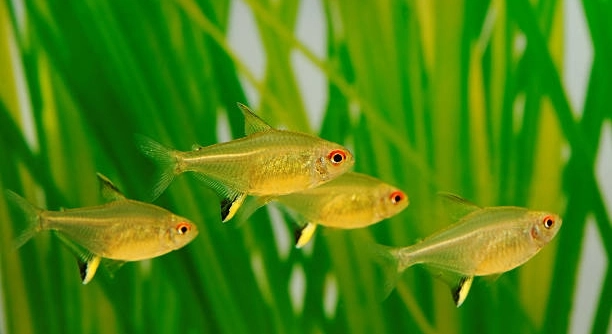
Lemon tetras are small, bright fish that bring a lively touch to any aquarium. Many fishkeepers enjoy their vibrant colors and peaceful nature, making them a popular choice for home tanks with plants and decorations.
Lemon tetras can adapt well to a planted tank when the environment mimics their natural habitat. Providing gentle water flow, consistent temperature, and plenty of hiding spaces among live plants encourages healthy behavior and reduces stress.
Maintaining the right balance of plants, light, and water conditions is key to ensuring these tetras thrive in your aquarium. Observing their interactions will help you keep a harmonious and vibrant community.
Ideal Tank Setup for Lemon Tetras
Lemon tetras thrive in tanks that closely resemble their natural habitat. A tank between 15 to 20 gallons is suitable for a small school, while 30 gallons or more works better for larger groups. Plants should be abundant, offering hiding spots and resting areas. Floating plants can help diffuse light, creating a gentle environment that reduces stress. Substrate can be dark-colored to enhance the fish’s vibrant yellow coloration. Maintaining stable water parameters is crucial: temperature should be between 72°F and 78°F, pH around 6.5 to 7.5, and soft to moderately hard water. Decorations like driftwood and smooth rocks provide extra shelter and encourage natural behavior. Gentle filtration is preferred to avoid strong currents, as lemon tetras are small and prefer calm waters. Light should be moderate to support plant growth without startling the fish. Regular water changes help maintain cleanliness and stability, which is essential for their long-term health.
Proper lighting and substrate selection significantly impact their comfort and coloration, making plant choices even more important.
Providing a mix of tall, bushy plants and low-growing species creates a layered environment. This setup mimics river edges and shallow streams, offering cover from light and open spaces for swimming. Fish feel safer when they have visual barriers and places to explore, which reduces aggression and stress. Maintaining consistent temperature and pH supports their immune system and coloration. Driftwood can slightly acidify water, matching their natural habitat. Regular pruning keeps plants healthy and prevents overcrowding. Floating plants like frogbit or Amazon frogbit shade the tank and soften light, which helps timid tetras feel secure. Pairing them with peaceful community fish ensures harmony. Observing their behavior in this environment allows for adjustments in plant density or decor placement. Over time, they adapt to the planted environment, showing active schooling, bright colors, and natural interactions. Proper tank maintenance and plant care combine to create a thriving ecosystem for lemon tetras.
Feeding Lemon Tetras in a Planted Tank
Lemon tetras need a balanced diet to stay healthy, including flakes, micro-pellets, and occasional live or frozen foods like brine shrimp or daphnia.
Feeding small amounts two to three times daily prevents leftover food from polluting the water.
A planted tank offers natural hiding spots, which helps slow feeders access food without competition. Live plants can also trap tiny food particles, providing additional grazing opportunities. It is important to rotate foods to ensure they get varied nutrients, supporting bright coloration and strong immune systems. Observing feeding behavior helps identify any fish struggling to eat, allowing quick intervention. Avoid overfeeding, as excess food can decay and impact water quality, stressing both plants and fish. Supplemental vegetables like blanched spinach or zucchini are safe in small amounts and encourage natural foraging behavior. Over time, these feeding practices maintain a healthy balance, keeping both fish and plants thriving, and ensuring a stable, low-maintenance planted tank environment.
Water Quality and Maintenance
Maintaining stable water quality is essential for lemon tetras. Regular testing for pH, ammonia, nitrite, and nitrate helps prevent health issues. Partial water changes every week keep the environment clean and reduce stress.
Water changes should be about 20-25 percent weekly to maintain stability. Sudden shifts in temperature or pH can shock lemon tetras and cause illness. Using a dechlorinator ensures tap water is safe, while gentle filtration prevents debris buildup without creating strong currents. Observing water parameters allows adjustments before problems arise. Consistent care maintains both plant health and fish well-being.
Cleaning the substrate with a siphon during water changes prevents waste accumulation. Filters should be rinsed in tank water rather than tap water to preserve beneficial bacteria. Monitoring water clarity and plant growth ensures a balanced ecosystem. Adding live plants naturally absorbs nitrates, further supporting water quality. Keeping consistent routines avoids fluctuations that stress lemon tetras and plants alike, allowing them to thrive and display vibrant coloration.
Social Behavior and Tank Companions
Lemon tetras are schooling fish that feel safer in groups of six or more. Small groups may become stressed or shy.
Choosing peaceful tankmates like small rasboras or corydoras prevents aggression. Avoid larger, aggressive fish that may bully or eat tetras. Observing interactions is crucial when introducing new species. Providing enough swimming space and hiding spots reduces competition and stress. Schooling behavior encourages natural movement, making the tank more lively and visually appealing.
A planted tank enhances social comfort by offering areas to retreat and hide, which reduces conflicts. Lemon tetras communicate subtly through swimming patterns and color flashes; noticing these cues helps maintain a harmonious community. Even with calm companions, overcrowding can cause stress, so monitoring population density is important. Live plants, driftwood, and rocks break sightlines, giving timid fish security while encouraging exploration. Proper social arrangements improve overall health, coloration, and natural behaviors, allowing a peaceful, vibrant aquarium environment.
Breeding Lemon Tetras
Breeding lemon tetras requires stable water conditions and plenty of plants. A separate breeding tank helps protect eggs from adult fish.
Using fine-leaved plants or spawning mops gives eggs places to attach. Water should be slightly softer and slightly acidic to encourage spawning.
Common Health Issues
Lemon tetras are prone to stress-related illnesses if water quality fluctuates. Signs include faded colors, lethargy, or clamped fins. Maintaining clean water, balanced diet, and stable temperature reduces disease risk. Observing fish daily helps catch early symptoms and prevent outbreaks before they become serious.
Plant Selection Tips
Choosing hardy plants like Java fern, Anubias, and Cryptocoryne works well with lemon tetras. These plants tolerate varying light and water conditions while providing hiding spots.
FAQ
How many lemon tetras should be kept together?
Lemon tetras are schooling fish and feel safest in groups. Keeping at least six together is ideal, as smaller groups can become shy or stressed. A larger school of eight to twelve ensures natural schooling behavior, which reduces stress and encourages vibrant colors.
Can lemon tetras live with other fish?
Yes, lemon tetras do well with peaceful community fish. Small rasboras, corydoras, and certain tetras make good companions. Avoid larger or aggressive fish that may nip fins or outcompete them for food. Observing interactions is important to maintain harmony in the tank.
What water conditions do lemon tetras prefer?
They thrive in slightly acidic to neutral pH, around 6.5 to 7.5, and soft to moderately hard water. Temperature should be kept stable between 72°F and 78°F. Gentle filtration and regular water changes help maintain clean water and prevent stress.
How often should I feed lemon tetras?
Feeding small amounts two to three times a day is sufficient. Overfeeding can pollute the tank and stress both fish and plants. A balanced diet includes high-quality flakes, micro-pellets, and occasional live or frozen foods such as brine shrimp or daphnia.
Do lemon tetras need a planted tank?
While they can survive in minimal decoration, a planted tank offers hiding spots and reduces stress. Live plants also help improve water quality by absorbing nitrates. Tall, bushy plants combined with low-growing species create a natural environment where lemon tetras feel safe and comfortable.
Can lemon tetras breed in a community tank?
They can, but eggs are often eaten by other fish. A separate breeding tank with fine-leaved plants or spawning mops is recommended. Soft, slightly acidic water encourages spawning, and removing adults after eggs are laid improves survival rates.
Why are my lemon tetras hiding?
Hiding is usually a sign of stress or discomfort. Causes include sudden changes in water parameters, strong currents, overcrowding, or aggressive tankmates. Increasing plant cover and ensuring stable water conditions can help them feel secure.
How can I keep lemon tetras healthy?
Regular water changes, a balanced diet, stable temperature, and peaceful companions are key. Observing their behavior daily allows early detection of illness. Maintaining clean water and providing a planted environment supports both physical and mental well-being.
Do lemon tetras need special lighting?
Moderate lighting is sufficient. Too bright light can stress them, while too little may hinder plant growth. Floating plants can diffuse harsh light, making the environment more comfortable for timid fish. Balanced lighting supports both fish health and plant vitality.
What are common signs of illness?
Faded colors, clamped fins, lethargy, loss of appetite, or erratic swimming indicate stress or disease. Promptly checking water quality and adjusting care routines can prevent minor issues from becoming serious health problems.
Can lemon tetras live long in a planted tank?
Yes, when conditions are stable and food is balanced, lemon tetras can live up to five years. A planted tank offers natural hiding spots and reduces stress, supporting their overall longevity and bright coloration.
Is it necessary to quarantine new fish?
Quarantining new fish for two to three weeks prevents introducing diseases to an established tank. This precaution protects lemon tetras and other tankmates, ensuring a stable and healthy environment.
Can lemon tetras tolerate fluctuations in water temperature?
They prefer stable temperatures. Sudden changes can stress them and increase susceptibility to disease. Using a reliable heater and monitoring the tank regularly ensures consistent warmth suitable for both fish and plants.
Do lemon tetras interact with each other?
Yes, they communicate through schooling behavior, subtle color flashes, and synchronized swimming. This interaction strengthens social bonds and provides a sense of security. Observing these behaviors helps gauge overall tank health and comfort.
What types of plants are best for lemon tetras?
Hardy species like Java fern, Anubias, Cryptocoryne, and floating plants are ideal. They tolerate a range of conditions and provide cover for fish to hide, rest, and feel safe. Layered planting encourages exploration and natural behavior.
How do I prevent aggression in a planted tank?
Providing adequate space, hiding spots, and peaceful tankmates reduces competition. Overcrowding can lead to stress and minor aggression. Observing fish behavior and adjusting stocking levels ensures a harmonious environment for lemon tetras.
Can lemon tetras change color due to stress?
Yes, dull or faded colors often indicate stress from poor water quality, illness, or aggression. Maintaining stable conditions, a healthy diet, and a planted environment helps them display bright, natural coloration consistently.
Is it okay to mix lemon tetras with other tetras?
Most peaceful tetras like ember tetras or neon tetras are compatible. Avoid larger, aggressive species. Maintaining similar water requirements and providing enough space allows mixed schools to thrive together without conflict.
Do lemon tetras require special care during winter?
Indoor tanks usually maintain stable temperatures year-round. If the room temperature drops, a reliable heater is necessary to prevent stress. Consistent feeding and monitoring water parameters ensure they stay healthy even in colder months.
How quickly do lemon tetras adapt to a new tank?
With proper acclimation and a planted, calm environment, they adjust within a few days. Gradual introduction and monitoring water conditions reduce stress and support smooth adaptation to their new surroundings.
Can I keep lemon tetras in a nano tank?
Nano tanks can house lemon tetras, but they must be at least 10-15 gallons with stable water parameters. Overcrowding or insufficient plants increases stress, so careful planning and regular maintenance are essential for small setups.
Do lemon tetras need live or frozen food?
While high-quality flakes or micro-pellets provide adequate nutrition, occasional live or frozen foods like brine shrimp enhance color, stimulate natural hunting behavior, and provide variety in their diet. Balance is key for health and longevity.
How do I tell if my planted tank is right for lemon tetras?
Healthy, active swimming, vibrant coloration, and schooling behavior indicate a suitable environment. Plants should thrive, water should remain clear, and fish should show minimal signs of stress. Adjustments in decor or water parameters may be needed if problems appear.
Can lemon tetras survive in low-tech planted tanks?
Yes, they adapt well to low-tech setups with moderate lighting and low-maintenance plants. Stable water parameters, gentle filtration, and proper feeding ensure a thriving environment without high-tech equipment.
What is the lifespan of lemon tetras in planted tanks?
With proper care, lemon tetras live around four to five years. Stable water, balanced nutrition, and a safe, planted environment extend their longevity and maintain natural behaviors.
Are lemon tetras sensitive to water changes?
They tolerate gradual changes but can become stressed if large volumes are replaced suddenly. Performing partial, weekly water changes maintains stability, supports plant health, and keeps fish comfortable.
Do lemon tetras need supplemental CO2 in planted tanks?
Supplemental CO2 is not required for lemon tetras but may benefit fast-growing plants. Low-tech tanks can thrive without CO2 as long as lighting and nutrients are sufficient to sustain plant growth.
Can lemon tetras live in tanks with strong water currents?
Strong currents can stress lemon tetras since they prefer calm waters. Using a gentle filter or adjusting flow with deflectors allows them to swim comfortably and exhibit natural behaviors.
What is the best way to introduce lemon tetras to a new tank?
Float the sealed bag in the tank to equalize temperature, then gradually mix small amounts of tank water over 20-30 minutes. This reduces shock from differences in temperature, pH, or hardness and eases acclimation.
Are there signs of happiness in lemon tetras?
Bright coloration, active schooling, and exploratory swimming indicate well-being. They interact socially and dart among plants with confidence. A thriving planted tank supports these behaviors and reflects a healthy, stress-free environment.
Can lemon tetras live in brackish water?
No, they are strictly freshwater fish. Even small amounts of salt can harm their health. Keeping them in clean, stable freshwater with gentle flow ensures optimal growth and longevity.
How do I prevent fin nipping among tankmates?
Avoid aggressive or larger fish and maintain enough space and plants. Hiding spots and proper stocking levels reduce competition and minimize stress-related fin nipping. Observing behavior allows early intervention if conflicts arise.
Do lemon tetras need water conditioners?
Yes, using a dechlorinator for tap water is essential to remove chlorine and chloramines. Additional conditioners may help detoxify metals and support overall water stability for fish and plants.
Can lemon tetras live in cold water?
They prefer temperatures above 72°F. Cold water slows metabolism, weakens immunity, and increases susceptibility to disease. A heater maintains consistent warmth and protects overall health.
How do I clean a planted tank without stressing lemon tetras?
Perform partial water changes, rinse filters in tank water, and trim plants carefully. Avoid sudden, drastic cleaning or strong water currents that may shock the fish. Gentle, consistent maintenance ensures both plant and fish health.
Do lemon tetras sleep?
Yes, they rest at night, often near plants or in shaded areas. They remain alert but reduce activity. Providing dim lighting or floating plants gives them a sense of security during rest periods.
Can lemon tetras tolerate tap water?
Tap water is safe if treated with a dechlorinator and monitored for pH, hardness, and temperature. Regular testing ensures water remains suitable and stress-free for lemon tetras.
Are lemon tetras good for beginners?
Yes, they are hardy, peaceful, and easy to care for when provided with stable water, a planted tank, and a balanced diet. Their active schooling behavior makes them enjoyable for novice fishkeepers.
What should I do if a lemon tetra shows signs of illness?
Check water parameters, isolate the affected fish if needed, and provide a balanced diet. Early intervention with appropriate treatment or quarantine prevents the spread of disease and protects tankmates.
Can lemon tetras live without plants?
They can survive in bare tanks but may be stressed. Plants provide hiding spots, shade, and a sense of security, which supports natural behavior, reduces stress, and enhances their overall health.
How do I prevent algae in a planted tank?
Maintain proper lighting, avoid overfeeding, and balance nutrients. Introducing algae-eating species like small snails or shrimp can help. Regular pruning and cleaning prevent excessive algae buildup, protecting both plants and fish.
Do lemon tetras need substrate?
Substrate is not mandatory but enhances plant growth and provides a natural environment. Dark substrate also highlights their yellow coloration, making the tank visually appealing while supporting plant health.
Can lemon tetras tolerate fluctuations in pH?
Small fluctuations are manageable, but large or sudden changes stress fish and can lead to illness. Keeping water parameters stable is crucial for their well-being.
Lemon tetras are small, peaceful fish that can adapt well to planted tanks when their environment meets their basic needs. They thrive in stable water conditions, with a temperature between 72°F and 78°F, slightly acidic to neutral pH, and soft to moderately hard water. Live plants provide important hiding spots, shade, and resting areas that reduce stress and make them feel secure. Floating plants or tall, bushy plants help diffuse light and create a calm environment, which is especially important because lemon tetras are small and can be easily startled by strong currents or bright lighting. A planted tank also supports water quality by absorbing excess nutrients, helping to prevent the buildup of harmful substances like nitrates.
Schooling behavior is a natural and important part of lemon tetra life. Keeping them in groups of six or more allows them to swim confidently and display their bright yellow coloration. Smaller groups can become shy or stressed, which may affect their overall health and activity level. They do well with other peaceful fish, but aggressive or larger species should be avoided to prevent bullying or fin nipping. A planted tank enhances social interactions by offering areas for retreat and exploration, allowing fish to move freely while maintaining safety. Observing how they interact with tankmates can help determine if the stocking levels are appropriate or if adjustments are needed. A harmonious community, combined with adequate space and proper tank maintenance, keeps lemon tetras active, healthy, and visually striking.
Feeding and maintenance play a key role in ensuring lemon tetras thrive. A balanced diet that includes high-quality flakes, micro-pellets, and occasional live or frozen foods helps support coloration and overall health. Feeding small amounts two to three times per day prevents leftover food from polluting the water, which can cause stress for both fish and plants. Regular water testing, partial water changes, and gentle filtration help maintain a stable and clean environment. Pruning plants and monitoring growth ensures they do not become overcrowded, allowing fish to move freely and safely. By combining stable water conditions, thoughtful tank design, proper feeding, and attentive care, lemon tetras can live a long, healthy life while displaying their natural behaviors and vibrant colors in a planted aquarium.

Hello,
If you enjoy the content that we create, please consider saying a "Thank You!" by leaving a tip.
Every little bit helps us continue crafting quality advice that supports the health, happiness, and well-being of pets around the world, for pets of all shapes, sizes, and species.
We really appreciate the kindness and support that you show us!