
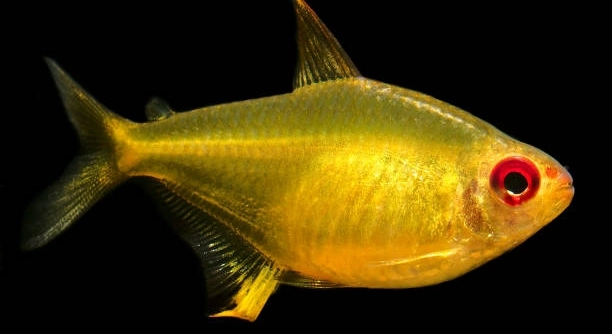
Lemon tetras are small, lively fish that brighten up any aquarium with their yellow hues. Observing them during the day shows their active nature, but nighttime behavior is often less visible and not widely discussed.
At night, lemon tetras generally rest near the bottom or in sheltered areas of the tank. They reduce activity, hover quietly, and remain alert to surroundings, maintaining a calm state while conserving energy until morning.
Understanding their nightly habits can help ensure their tank environment is safe and comfortable for proper rest and overall well-being.
Lemon Tetra Sleeping Spots
At night, lemon tetras seek out quiet areas in the tank where they feel safe. I often notice them hovering near plants, rocks, or corners with less light. They stay close to each other, forming small groups for added security. Unlike some fish that scatter when lights go off, lemon tetras prefer stability. The dim environment helps them remain calm, reducing stress and conserving energy. Watching them adjust to nightfall has taught me how sensitive they are to changes in lighting and tank layout. Proper decorations and plants give them spots to retreat, mimicking their natural habitat. Even subtle water currents can affect where they rest, as they tend to avoid strong flows. Keeping these areas clean and safe ensures they can sleep without disturbance. Over time, you notice patterns in their behavior that make it easier to maintain a peaceful tank for them. Their nighttime activity is minimal but important for their health.
Their preferred resting areas often include dense plants or shaded corners, giving them a secure place to pause.
Observing these habits helps me plan feeding schedules and lighting patterns better. I can arrange plants strategically to create natural hiding spots. By noticing which areas they choose, I ensure water movement is gentle and decorations do not stress them. It also influences where I place lights for daytime activity. Nighttime rest affects growth, color vibrancy, and energy levels. Lemon tetras that feel safe are more active during the day, showing brighter yellow hues and smoother schooling patterns. It is subtle, but a calm tank at night translates to lively behavior in the morning. Small adjustments, like adding floating plants or soft substrate, can make a big difference in their comfort. Even removing sharp ornaments that might injure them during rest is important. Their sleeping behavior is an indicator of overall health, so observing these patterns closely can prevent stress-related illnesses.
Nighttime Feeding and Observation
Feeding lemon tetras at night is not necessary and can disrupt their rest.
Most lemon tetras finish their daily meals during daylight hours, leaving nighttime for rest. Offering food after lights go off can create uneaten waste that reduces water quality. I’ve found that keeping a consistent day-night schedule helps maintain a natural rhythm, reducing stress and preventing erratic behavior. Observing them at night without feeding allows me to see how they interact with their environment and each other quietly.
Limiting disturbances during nighttime ensures they maintain proper rest cycles. Their activity slows down, and they often cluster in preferred spots, reflecting natural behavior. Some may float near the surface briefly, but generally, movement is minimal. Providing dim lighting or a moonlight feature helps maintain visibility without interrupting rest. This allows a careful balance between observing and maintaining tranquility. Over time, you can see how their daytime schooling and energy levels improve when nighttime rest is undisturbed. Monitoring water parameters closely at night ensures a safe environment, since any sudden changes can startle them. Adjustments to tank decor and plants may be necessary if tetras show signs of discomfort or restlessness. Consistency in environment and feeding creates a healthier, more predictable routine that benefits both the fish and the tank ecosystem. Proper nighttime care is as important as daytime observation, influencing behavior, growth, and overall well-being.
Nighttime Lighting
Dim lighting at night helps lemon tetras feel secure. Too much light can stress them, causing restless behavior or hiding.
I’ve noticed that adding a soft, low-intensity light mimics natural moonlight, letting me watch their movements without disturbing rest. They tend to gather near plants or decorations, staying calm and conserving energy. Bright tank lights at night can confuse them, sometimes making them dart quickly or cling to corners. Keeping a predictable light schedule reinforces their natural rhythm, which improves daytime activity and color vibrancy. I place lights on timers to ensure consistency, helping them rest properly while keeping the tank safe and observable. Gentle light exposure also prevents sudden shocks when the tank is illuminated for cleaning or maintenance.
Nighttime lighting affects not only their rest but their health. Fish deprived of dark periods may develop stress-related behaviors and weakened immune systems. I keep the tank lights on a timer, ensuring at least 10–12 hours of darkness. Floating plants or tall decorations help diffuse light, creating shaded areas where they can pause. Observation of these calm periods informs how I adjust tank setup or lighting intensity. A controlled nighttime environment ensures the fish remain energetic and bright during the day, demonstrating that small details in lighting have a big impact on their overall well-being and schooling behavior.
Nocturnal Activity Patterns
Lemon tetras reduce activity at night, staying near the tank bottom or among plants to conserve energy.
I often notice subtle movements like fin adjustments or slight hovering, but overall, their activity is minimal. These fish do not feed at night, focusing instead on resting and staying alert. Their clustering behavior provides a sense of security, which I find fascinating. Occasionally, a fish may swim briefly near the surface or explore shaded areas, but this is limited. Observing these patterns has helped me arrange decorations and plants so that rest areas are safe, easily accessible, and undisturbed. Nighttime calmness directly influences how lively and interactive they are during the day, making tank management more predictable.
Understanding their nocturnal behavior helps maintain a healthier tank. Fish that rest properly show stronger immune responses, brighter colors, and better schooling patterns during daylight hours. I adjust water flow to gentle currents at night and avoid tapping the glass, ensuring minimal stress. Dense plants, rocks, and shaded corners provide natural retreats that mimic conditions in their natural habitat. Keeping track of individual and group behavior lets me spot any irregular activity early, indicating potential health or environmental issues. Nighttime observations also guide feeding schedules and lighting adjustments. Consistency and careful monitoring create a calm, stable environment that supports both physical health and natural behaviors.
Common Nighttime Behaviors
Lemon tetras often hover quietly in shaded areas at night. They may tuck themselves among plants or decorations, conserving energy while remaining alert to movements around them.
Some tetras form small clusters, staying close for safety. Movement is minimal, and they rarely swim far from their chosen resting spots.
Sleeping Positions
I’ve observed that lemon tetras mostly rest near the bottom or mid-level areas of the tank. They angle their bodies slightly, fins relaxed, often near plant stems or rocks for security. Proper sleeping positions reduce stress and promote overall health, helping them remain active and vibrant during daytime hours.
Adjusting Tank Environment
Small changes in tank arrangement can improve nighttime comfort. Adding more plants, hiding spots, or gentle water flow ensures lemon tetras feel secure, minimizing stress while supporting their natural resting behaviors.
FAQ
Why do lemon tetras hide at night?
Lemon tetras naturally seek safe, sheltered areas during nighttime. I often see them retreating among plants or behind decorations. Hiding reduces stress and conserves energy. This behavior is instinctive, mimicking their natural environment where staying out of sight protects them from predators. Proper tank decor ensures they have multiple secure spots.
Do lemon tetras sleep like humans?
Not exactly. Lemon tetras enter a restful state rather than true sleep. Their movements slow, and they remain mostly still while staying alert. I’ve noticed subtle fin adjustments or hovering in place, showing they are conserving energy. Darker areas of the tank encourage this rest without disturbing them.
Can lemon tetras sleep in open water?
Yes, but they prefer shaded areas. Open water is less secure, and they may hover cautiously. I sometimes notice a few tetras floating mid-tank, but they rarely rest there for long. Providing plants or decorations allows them to choose safer, more comfortable positions.
How long do lemon tetras rest at night?
Most rest periods last the full night cycle, roughly 10–12 hours depending on lighting schedules. I use timers to maintain consistent day and night periods. Proper rest affects their energy levels, coloration, and schooling behavior during the day. Interrupting this cycle can cause stress or erratic behavior.
Do lemon tetras get startled easily at night?
Yes, sudden movements or bright lights can startle them. I avoid tapping the glass or turning on lights abruptly. Gentle handling and a stable nighttime environment keep them calm. Even small changes in water flow can influence how they respond, so I monitor currents carefully.
Is it normal for lemon tetras to cluster while resting?
Absolutely. Clustering provides a sense of security. I often see small groups huddling near plants or in corners. This behavior mimics schooling instincts and helps reduce stress, ensuring they feel safe even during periods of low activity.
Can lemon tetras sleep while swimming?
Partially. They may hover slowly in place, appearing to swim, but their activity is minimal. I notice small fin movements to maintain balance, especially in areas with mild currents. This allows them to rest while staying aware of surroundings.
Do all lemon tetras follow the same nighttime pattern?
Patterns vary slightly among individuals. Some prefer dense plant areas, while others rest near mid-level rocks or shaded corners. I adjust tank layout to accommodate these preferences, ensuring each fish has a comfortable spot without overcrowding. Observing these differences helps maintain overall tank harmony.
Does nighttime temperature affect lemon tetra behavior?
Yes, cooler or fluctuating temperatures can reduce activity and increase hiding. I monitor water temperature closely, keeping it stable around 75–78°F. Consistent conditions help maintain their regular nighttime resting habits and overall health.
How can I tell if my lemon tetras are stressed at night?
Signs include frantic darting, hiding excessively, or clinging to tank surfaces. I check water quality, lighting, and decorations when this occurs. Ensuring calm water flow, proper hiding spots, and minimal disturbances helps them feel secure, reducing stress and improving daytime behavior.
Should I feed lemon tetras at night?
No, feeding at night is unnecessary. I feed during the day, allowing fish to rest fully at night. Uneaten food at night can affect water quality and disturb resting fish. Maintaining a consistent feeding schedule supports proper rest and healthy energy levels.
Do lemon tetras dream?
There’s no evidence fish dream like humans. Their resting periods involve minimal movement and reduced responsiveness, but this state allows energy conservation and recovery. Observing subtle fin adjustments or hovering shows they are resting effectively without true sleep cycles or dreaming.
Can lemon tetras rest together with other species?
Yes, they can coexist with peaceful tank mates that do not disturb resting spots. I arrange the tank so all species have space to retreat. Aggressive or highly active species at night may disrupt their rest, so careful selection is important.
How do I improve nighttime rest for lemon tetras?
Adding plants, decorations, and shaded areas creates secure spaces. I also maintain gentle water flow and a consistent light schedule. Avoiding sudden disturbances, monitoring temperature, and feeding only during the day further supports proper rest and reduces nighttime stress.
Are moonlights helpful for observing lemon tetras at night?
Yes, low-intensity moonlights allow observation without disturbing rest. I use dim, soft lighting to watch their movements while maintaining a calm environment. Bright or direct lights can cause stress, so gentle illumination is ideal for nighttime monitoring.
Do lemon tetras change positions during the night?
Sometimes. I notice occasional shifts to more comfortable or safer spots. These movements are slow and deliberate, often responding to slight changes in water flow or light. Providing multiple secure areas allows them to adjust without feeling threatened.
Can nighttime activity predict health issues?
Yes. Restless swimming, erratic hiding, or unusual clustering can indicate stress, illness, or water quality problems. I track patterns to catch early signs of trouble. Healthy tetras show calm, consistent nighttime behavior, hovering or clustering without sudden movements or signs of distress.
How does tank decoration impact nighttime behavior?
Decorations and plants create safe zones. I carefully place them to provide shaded retreats while maintaining swimming space. Poorly arranged decorations can reduce hiding spots or increase stress. Observing how tetras use these areas informs adjustments for optimal comfort and health.
Is it normal for some lemon tetras to be more active at night?
Occasionally, one or two may move more than others, exploring or adjusting positions. I watch to ensure this doesn’t indicate stress or water issues. Slight differences in activity are normal, but consistent high activity could signal a problem needing attention.
Does water quality affect nighttime rest?
Yes, poor water quality can disturb rest. I check ammonia, nitrite, nitrate levels, and maintain proper filtration. Stable, clean water allows tetras to rest undisturbed, conserving energy for daytime activity and maintaining bright coloration. Proper maintenance directly supports healthy nighttime behavior.
Can lemon tetras sleep in groups of different sizes?
Yes, group size influences behavior. I’ve observed larger groups cluster loosely, while smaller groups stick closer. Both configurations allow security and energy conservation. Observing interactions helps me optimize tank layout and adjust plant or decoration placement for comfort.
Are lemon tetras more active just before sunrise?
Often, yes. I notice subtle movements and repositioning as light gradually increases. This behavior prepares them for daytime activity. Consistent light schedules help them anticipate day cycles, promoting regular energy patterns and predictable schooling during daylight hours.
What role does stress play in nighttime behavior?
Stress can increase hiding, erratic swimming, or excessive clustering. I minimize sudden disturbances, maintain stable temperatures, and ensure hiding spots. Calm, predictable environments help tetras rest properly and reduce the likelihood of stress-related health issues.
How can I monitor nighttime behavior effectively?
Low-intensity lighting or brief observation windows work best. I watch without tapping the glass or disturbing water. Recording patterns over several nights helps identify unusual behavior or potential health concerns, allowing proactive adjustments for a healthier tank environment.
Do lemon tetras interact at night?
Yes, subtly. They often hover near each other, occasionally nudging or adjusting positions. Interaction is minimal compared to daytime schooling, focusing on security and comfort. Observing these small interactions helps me understand group dynamics and resting preferences.
Can nighttime feeding routines improve behavior?
Feeding should remain during the day. Nighttime feeding disrupts rest, reduces energy conservation, and can affect water quality. I stick to consistent daytime feeding, which supports proper rest and ensures tetras remain alert and vibrant during active hours.
How much does tank size influence nighttime behavior?
Tank size affects space and hiding options. In smaller tanks, tetras may cluster more tightly. Larger tanks allow spread-out resting spots, reducing stress. I balance tank size with decorations and plants to optimize nighttime comfort and maintain natural resting behavior.
Are nighttime behaviors different in new vs. established tanks?
Yes, new tanks may cause tetras to hide more or move cautiously. I gradually adjust lighting and introduce plants to help them feel secure. Established tanks allow predictable resting patterns and calmer nighttime behavior, reflecting increased confidence and comfort.
Does schooling continue at night?
Schooling reduces significantly. I notice loose clusters or paired resting near plants. They rarely form tight schools until daytime. Providing safe, shaded areas ensures tetras remain together without forcing tight formations, supporting natural rest cycles.
Can nighttime behavior indicate compatibility with other fish?
Yes, observing interactions at night shows which species coexist peacefully. Aggressive or overly active tank mates can disturb tetras. I monitor behavior closely, ensuring rest is uninterrupted and stress is minimized. Proper tank planning supports harmony for all species.
Is it normal for lemon tetras to hover near the surface at night?
Occasionally, some tetras hover near the surface briefly, usually in calmer areas with low light. I watch these movements, but most return to shaded mid or bottom-level spots. Providing options at all levels supports comfort and natural behavior.
Do lemon tetras require special nighttime care?
Not beyond standard maintenance. I focus on stable lighting, clean water, gentle currents, and safe hiding spots. Observing behavior helps identify potential issues. Consistency in care ensures proper rest, reduces stress, and promotes vibrant, healthy fish.
How often should I check on nighttime behavior?
Occasional observation is sufficient. I prefer brief, consistent checks to avoid disturbances. Over time, tracking patterns helps me maintain a calm, predictable environment and ensures that fish are resting properly without interference.
Can sudden noises affect lemon tetra rest?
Yes, loud noises or vibrations can startle them. I minimize disturbances near the tank at night. Tetras are sensitive to vibrations, and repeated disruptions can increase stress and affect daytime activity and coloration.
Are there seasonal changes in nighttime behavior?
Minor changes may occur if temperature or daylight varies. I maintain stable tank conditions to minimize seasonal effects. Tetras may adjust slightly to light schedules, but consistent care ensures resting patterns remain reliable and predictable.
Do lemon tetras need different nighttime conditions than other tropical fish?
Their requirements are similar to other peaceful tropical fish. Gentle water flow, shaded areas, and stable temperatures are key. I prioritize secure hiding spots and consistent lighting schedules to match their natural rhythms and reduce nighttime stress.
How does diet affect nighttime behavior?
Proper daytime feeding ensures energy conservation at night. Overfeeding or irregular schedules can cause restless movements or increased activity after lights go off. I maintain a balanced diet and consistent feeding schedule to support healthy resting patterns.
Can lemon tetras sleep with lights on?
Partial dim lighting is fine, but bright lights disrupt rest. I use timers or soft moonlights to allow observation without disturbing sleep. Consistent darkness during night hours promotes proper energy restoration and reduces stress.
Do lemon tetras ever change resting spots permanently?
Yes, they may adjust based on plant growth, water flow, or comfort. I watch patterns and rearrange decorations as needed. Providing multiple secure options ensures flexibility without causing stress or disrupting their rest cycle.
How does water movement influence nighttime behavior?
Strong currents can force fish to swim continuously, reducing rest. Gentle flow allows hovering and energy conservation. I adjust pumps and filters to maintain calm areas, ensuring natural resting positions and safe clustering at night.
Can nighttime observation reveal illness?
Yes, unusual hiding, erratic swimming, or lethargy may indicate health issues. I track patterns over time, checking water parameters, diet, and tank conditions. Early detection through observation allows timely intervention and supports long-term health.
Do lemon tetras respond to vibrations at night?
Yes, they can startle easily from vibrations, especially near the tank. I keep the surrounding area calm and avoid tapping glass or sudden movements to maintain a peaceful environment. Minimizing disturbances helps them rest effectively.
Is nighttime schooling beneficial?
Minimal movement and loose clustering reduce energy expenditure while maintaining safety. I notice that reduced schooling at night helps conserve energy and prepares them for daytime activity, supporting overall health and well-being.
Are there signs of aging visible in nighttime behavior?
Older tetras may move more slowly or prefer denser hiding spots. I observe differences in energy levels and positioning. Providing easy access to calm areas supports comfort for aging fish and ensures proper rest.
Do lemon tetras prefer specific tank levels at night?
Most hover near mid-level or bottom areas, though some explore the surface briefly. I place plants and decorations across levels to accommodate preferences, allowing each fish to choose a safe, comfortable resting spot.
How does tank size influence clustering?
Larger tanks allow more dispersed resting spots, while smaller tanks encourage tighter clusters. I balance plant and decoration placement with tank size to ensure comfort and reduce stress during nighttime rest.
Can nighttime patterns predict daytime activity?
Yes, fish that rest properly are more active, colorful, and interactive during the day. I track resting behavior to optimize feeding, lighting, and tank layout for healthy daily routines.
Are sudden temperature drops harmful at night?
Yes, rapid drops can startle fish or reduce energy conservation. I monitor heaters and thermostats to maintain stable nighttime temperatures, ensuring safe and calm resting conditions.
Do lemon tetras interact with tank mates at night?
Interactions are subtle, mostly for positioning or comfort. I ensure peaceful species share the tank to prevent stress. Calm, minimal contact supports proper rest and reduces nighttime disturbances.
Is it normal for some fish to move more than others?
Occasional movement is normal. Some tetras adjust positions or explore briefly. I observe for signs of stress or health issues, but minor activity differences are typical.
Do plants affect nighttime safety?
Yes, dense plants provide security. I arrange them strategically, offering shaded areas for resting and hiding. Proper plant placement supports comfort, energy conservation, and stress reduction at night.
Can nighttime behavior indicate water quality issues?
Yes, restless swimming, excessive hiding, or erratic clustering can signal poor water conditions. I check ammonia, nitrite, nitrate, and pH levels to maintain a safe and healthy environment.
How long should a new tank stabilize before observing normal nighttime patterns?
Generally, 2–3 weeks. I watch gradual adjustments as tetras explore and settle. Providing hiding spots, stable conditions, and gentle lighting helps establish predictable resting behavior.
Do lemon tetras need companionship at night?
Yes, clustering with other tetras provides security. I maintain groups of at least six to encourage natural behaviors, ensuring calm and stable nighttime activity.
Can lighting cycles affect breeding behavior?
Consistent light-dark cycles support regular activity, which indirectly influences readiness to breed. I maintain predictable lighting schedules to encourage healthy behavior and natural routines.
Are nighttime observations necessary for tank health?
They are helpful but not essential. I find observing patterns useful to detect stress, illness, or environmental issues. Minimal disturbance ensures accurate understanding of natural behavior.
Does stress at night affect lifespan?
Chronic stress can impact health and longevity. I focus on stable water conditions, gentle lighting, and secure hiding areas to support proper rest and reduce long-term stress.
Do lemon tetras prefer still or flowing water at night?
Gentle flow is preferred. Strong currents can disrupt hovering and energy conservation. I adjust pumps and filters for calm zones to support restful behavior.
How do I identify unusual nighttime movements?
Rapid darting, constant swimming, or unusual clustering may indicate stress or illness. I monitor patterns over time and check water quality, tank setup, and fish health to address issues.
Is it normal for lemon tetras to change positions frequently at night?
Occasional shifts occur as they seek comfort or safer spots. I provide multiple hiding areas to allow natural adjustments without causing stress or disruption.
Can nighttime behavior indicate compatibility with other species?
Yes. Peaceful coexistence allows proper rest. Aggressive or active species may disturb tetras, so I carefully select tank mates to maintain calm nighttime environments.
Do lemon tetras need nighttime filtration adjustments?
Filters should maintain gentle water flow. Strong currents can disrupt resting. I adjust flow to balance oxygenation with calm conditions, supporting natural hovering and energy conservation.
How does diet influence nighttime rest?
A balanced daytime diet ensures energy conservation at night. Irregular or excessive feeding may lead to restlessness or poor water quality. I maintain consistent, appropriate feeding schedules.
Are there signs of illness visible only at night?
Yes, unusual clustering, erratic hovering, or constant hiding may indicate health problems. I track these behaviors to catch early signs and ensure proper intervention.
Can nighttime disturbances cause long-term stress?
Repeated disturbances, loud noises, or bright lights can create chronic stress. I minimize interruptions and maintain a calm, predictable environment to support health and proper rest.
Do lemon tetras adjust to new nighttime environments quickly?
They adapt gradually. I provide hiding spots and stable conditions to encourage normal resting behavior. Frequent observation helps track progress and ensure comfort.
Is it normal for some fish to remain active until lights go off?
Yes, some may linger or reposition before resting. I observe these minor differences while ensuring overall calm and proper energy conservation for the group.
Do lemon tetras prefer dark corners or shaded mid-level areas?
Both. I provide plants, rocks, and decorations across levels, allowing choice. This flexibility supports comfort, security, and natural resting positions.
How does overcrowding affect nighttime behavior?
Overcrowding increases stress, reduces hiding options, and can cause erratic movement. I maintain appropriate tank sizes and group numbers to ensure calm, restful nighttime behavior.
Are nighttime movements influenced by tank noise?
Yes, vibrations or sounds can startle fish. I minimize disturbances to maintain calm and support proper energy conservation.
Do lemon tetras ever become inactive at night?
Yes, they hover almost motionless in safe areas. This inactivity is normal and indicates proper rest. I monitor to ensure it isn’t due to stress or water issues.
Can resting positions indicate preference for certain plants or decor?
Absolutely. I watch which areas they choose consistently and adjust plant placement to enhance comfort and security, ensuring multiple safe options throughout the tank.
Do temperature fluctuations affect night clustering?
Yes, even small changes can cause tighter clustering or increased hiding. I maintain stable water conditions to support calm, predictable resting behavior.
Can nighttime activity signal reproductive readiness?
Indirectly. Proper rest supports overall health and energy levels, which influences reproductive behavior. I ensure calm nights to maintain vitality.
Are nighttime observations useful for long-term tank planning?
Yes, patterns inform decoration placement, lighting schedules, and water flow adjustments. Observing behavior helps create a comfortable environment and anticipate future needs.
Do lemon tetras ever feed at night?
No, they conserve energy instead. Feeding at night can cause water issues and disrupt rest. I stick to daytime feeding schedules.
Does moonlight exposure affect behavior?
Soft moonlight allows observation without stress. I avoid bright illumination, which can startle or disturb resting fish. Gentle
Lemon tetras are small, delicate fish that thrive in calm and consistent environments. Observing their nighttime behavior reveals just how much they rely on safe spaces and predictable routines. They are naturally inclined to seek shelter among plants, rocks, or decorations where they feel secure. This instinctive behavior reduces stress and helps them conserve energy for the day ahead. Over time, I have noticed that providing multiple resting spots ensures that every fish has a comfortable place to retreat. Dense plants, shaded corners, and gentle water currents all contribute to creating a peaceful environment. When these elements are in place, lemon tetras appear calm, their movements slow, and their interactions minimal, reflecting a state of rest that is both necessary and natural. Their coloration and overall health improve when they are allowed to rest properly, demonstrating the importance of attention to nighttime care.
Lighting plays a crucial role in maintaining a stable nighttime environment. Lemon tetras are sensitive to sudden changes in brightness, which can startle them or interfere with their rest. I use soft, dim lighting or moonlights when it is necessary to observe their nighttime behavior, allowing visibility without causing stress. Bright lights can make them dart or hide excessively, which can affect both their sleep and energy levels. Consistent day-night cycles, ideally controlled with timers, support their natural rhythms and reinforce predictable patterns. This consistency helps them prepare for active periods during the day, ensuring they maintain proper schooling behavior and vibrant coloration. Even small adjustments, such as moving decorations or adding floating plants, can create more secure spaces and improve their overall comfort. Observing how lemon tetras respond to these changes allows careful fine-tuning of their environment for optimal well-being.
Water quality, tank arrangement, and feeding schedules all influence nighttime behavior. I have found that maintaining stable water parameters and gentle currents encourages calm and secure resting habits. Overfeeding or irregular feeding patterns can disrupt their rest, while providing a balanced diet during the day ensures they have enough energy for daily activity. Over time, monitoring their nightly behavior helps identify potential health issues or stressors, allowing early intervention. Clustering patterns, resting positions, and subtle movements provide insight into their comfort and security. Establishing a tank environment that supports natural nighttime habits promotes healthier, more vibrant fish. By focusing on proper care, gentle observation, and consistent routines, lemon tetras can thrive, showing their best behavior and coloration both day and night, while remaining active and alert during periods of activity.

Hello,
If you enjoy the content that we create, please consider saying a "Thank You!" by leaving a tip.
Every little bit helps us continue crafting quality advice that supports the health, happiness, and well-being of pets around the world, for pets of all shapes, sizes, and species.
We really appreciate the kindness and support that you show us!