
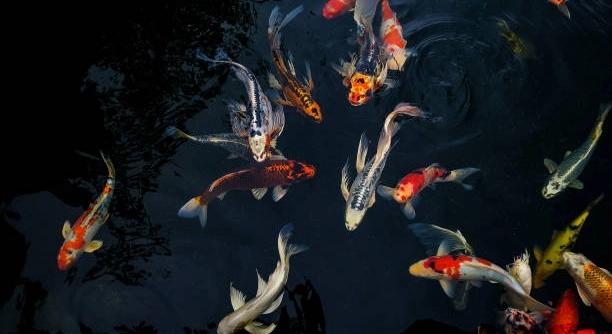
Koi fish often display interesting behaviors that catch the attention of pond owners. One common sight is them gathering in corners of their pond. This behavior can be both puzzling and intriguing for those who care for these colorful fish.
Koi fish gather in corners primarily due to environmental factors such as water flow, temperature, oxygen levels, or social interactions. Corners may provide shelter, reduced current, or more oxygen, making these spots more comfortable and safer for the fish.
Understanding why koi prefer corners can help improve their living conditions and overall health. This article explains the key reasons behind this behavior and how to manage it effectively.
Environmental Factors Affecting Koi Behavior
Water flow is a major influence on koi fish gathering in corners. These areas often have slower currents, allowing koi to conserve energy. Strong currents elsewhere can tire them, so they naturally seek calmer spots. Temperature differences also play a role. Corners may warm up faster in sunlight or remain cooler in shade, depending on the pond’s design. Koi are sensitive to temperature and often move to where conditions suit them best. Oxygen levels can vary throughout the pond, especially if plants or aerators are unevenly placed. Corners sometimes have higher oxygen concentration, making these areas preferable for koi. Social behavior matters as well; koi often swim in groups for safety and comfort. Corners can offer a sense of enclosure that koi find reassuring.
Pond design can unintentionally create areas that attract koi. Understanding this helps in planning better environments.
Properly managing these factors will improve koi health and comfort in their pond habitat.
Water Quality and Its Impact on Koi Gathering
Poor water quality causes koi to gather in specific areas. When oxygen levels drop due to high waste or algae, koi move to corners with better oxygen circulation. Uneven filtration can create zones of varying water cleanliness, encouraging koi to avoid dirty spots. Corners with better water circulation or closer to aeration devices become gathering points. High ammonia or nitrate levels stress koi, prompting them to seek refuge in areas with fresher water. Maintaining consistent water quality throughout the pond prevents koi from crowding in limited spaces. Regular water testing and proper filtration reduce these issues. Clean water supports koi health and reduces unusual clustering behavior.
Keeping water quality stable creates a healthier, more balanced environment for koi, reducing stress and improving their natural behaviors.
Seasonal Changes and Koi Behavior
Seasonal temperature shifts affect koi activity. During cooler months, koi slow down and gather in warmer corners of the pond. These spots often receive more sunlight or have less water movement, helping koi maintain their body heat. This behavior helps them conserve energy in colder conditions.
In spring and fall, koi begin to move more as temperatures stabilize. They may still prefer corners that provide shelter from wind or rapid temperature changes. This tendency is natural and reflects their need to find stable environments during transitional periods. Seasonal changes influence not only where koi gather but also how active they become throughout the day.
During summer, koi often seek cooler corners or shaded areas. This helps them avoid overheating and maintain comfort. Understanding these patterns helps in creating a balanced pond environment year-round.
Feeding Habits and Grouping Patterns
Koi tend to gather in corners when feeding is concentrated there. If food is consistently thrown into one area, koi quickly learn to associate that spot with meals. This creates a habit of waiting in corners, sometimes leading to crowding. Varying feeding locations encourages koi to spread out more evenly across the pond, reducing stress and territorial behavior.
Feeding times influence koi movement and social interaction. When food is scarce or feeding irregular, koi may cluster tightly in corners as they compete. Proper feeding schedules and balanced diets keep koi calmer and healthier. Observing their behavior during feeding can reveal much about their well-being.
Koi also gather in groups for safety, especially during feeding. This behavior is natural and helps them feel secure. Providing multiple feeding spots and maintaining good pond conditions support healthier social habits and reduce overcrowding in corners.
Shelter and Protection
Koi often gather in corners that offer shelter from predators or harsh weather. Corners with plants, rocks, or pond structures provide hiding spots that make koi feel safer. This protective behavior is instinctive and important for their well-being.
These sheltered areas also reduce stress by limiting exposure to strong sunlight or wind. Koi naturally seek environments that help them feel secure and comfortable within their pond.
Social Hierarchy Influence
Koi establish social hierarchies that affect where they gather. Dominant fish often claim prime spots in the pond, such as sheltered corners. Subordinate koi may avoid these areas or stay close to avoid conflict. This behavior shapes their grouping patterns and movement throughout the pond.
Social dynamics play a key role in koi distribution, influencing how and where they spend time. Understanding these interactions can help in managing koi populations and pond layouts.
Pond Design Considerations
The shape and features of a pond influence koi movement. Sharp corners, narrow areas, or uneven depths encourage koi to cluster in certain spots. Designing ponds with gentle curves and varied spaces promotes even distribution and healthier fish behavior.
FAQ
Why do koi fish always gather in one corner?
Koi tend to gather in one corner because that spot often offers favorable conditions like slower water flow, better oxygen levels, or shelter. Corners can feel safer to koi, reducing stress from currents or predators. If the pond has uneven water quality or temperature, koi naturally seek the most comfortable areas, which are often corners.
Is it normal for koi to cluster tightly?
Yes, koi clustering is normal behavior. They are social fish that often swim in groups for safety and companionship. Tight clustering can also result from feeding habits, where koi gather where food is placed regularly. However, excessive clustering might indicate stress from poor water quality or lack of space.
Can water quality cause koi to gather in corners?
Poor water quality can lead koi to concentrate in areas with better oxygen and cleaner water. If filtration or aeration is uneven, some pond corners may have higher oxygen levels, attracting koi. Regular testing and maintaining even water circulation can help prevent this issue and promote balanced fish movement.
How does pond design influence koi gathering spots?
The shape and layout of a pond affect koi behavior. Sharp corners, narrow spaces, or deep areas may encourage koi to gather in specific spots for shelter or comfort. Designing ponds with smooth curves and multiple hiding places helps distribute koi more evenly and reduces overcrowding.
Do koi gather in corners during certain seasons?
Seasonal changes impact koi activity and location. In colder months, koi seek warmer corners with less current to conserve energy. In summer, they prefer cooler, shaded areas, which often include certain pond corners. These seasonal preferences help koi regulate body temperature and stay comfortable year-round.
Can feeding routines cause koi to gather in one place?
Feeding habits strongly influence koi gathering. If food is consistently offered in the same spot, koi will learn to gather there. This creates a habit of clustering in corners where feeding occurs. Changing feeding locations and times encourages koi to move around more, reducing crowding and competition.
What role does social hierarchy play in koi gathering?
Koi establish social rankings that affect their behavior. Dominant fish often claim the best spots, such as sheltered corners, forcing less dominant koi to stay nearby but out of direct competition. This hierarchy influences how koi group and move, shaping their overall pond distribution.
How can I reduce koi clustering in corners?
Improving water circulation, maintaining even temperature, and providing multiple feeding spots can reduce clustering. Adding plants or structures evenly throughout the pond encourages koi to spread out. Regular water quality checks and avoiding overcrowding also help create a healthier environment where koi move freely.
Is koi clustering a sign of illness or stress?
Clustering alone isn’t always a sign of illness but can indicate stress if combined with other symptoms like lethargy or poor appetite. Poor water quality, overcrowding, or parasites may cause koi to seek refuge in corners. Monitoring water parameters and koi behavior closely ensures early detection of health issues.
Can lighting affect koi behavior in the pond?
Lighting influences koi movement and comfort. Bright, direct sunlight may drive koi to shaded corners for relief, while dimmer lighting might encourage more even distribution. Adjusting pond lighting or adding shade elements can help balance koi activity and reduce overcrowding in specific areas.
Final Thoughts
Koi fish gathering in corners is a natural behavior influenced by several factors. Water flow, temperature, and oxygen levels vary throughout the pond, making some areas more comfortable than others. Corners often provide calmer water and better shelter, which koi prefer for conserving energy and feeling safe. Understanding these environmental conditions can help pond owners create more balanced habitats where koi can thrive. Attention to water quality and circulation is important to prevent koi from crowding in limited areas.
Social behavior and feeding routines also impact why koi gather in specific spots. Koi are social creatures that often swim in groups for security. Feeding habits shape their movement patterns, especially when food is regularly placed in the same area. Providing multiple feeding locations and monitoring social interactions can reduce overcrowding and stress. Additionally, seasonal changes affect koi activity and preferred areas in the pond. Warmer corners attract koi in cooler months, while shaded areas become important during hot weather. Taking these seasonal behaviors into account helps maintain koi comfort year-round.
Pond design plays a key role in koi distribution as well. Sharp corners, narrow spaces, and uneven depths encourage koi to gather in certain spots. Designing ponds with gentle curves and a variety of hiding places promotes even movement and reduces clustering. Regular maintenance of water quality, balanced feeding, and thoughtful pond layout support koi health and natural behavior. Being aware of these factors allows pond owners to address koi clustering in corners effectively, creating a healthier and more comfortable environment for their fish.

Hello,
If you enjoy the content that we create, please consider saying a "Thank You!" by leaving a tip.
Every little bit helps us continue crafting quality advice that supports the health, happiness, and well-being of pets around the world, for pets of all shapes, sizes, and species.
We really appreciate the kindness and support that you show us!