
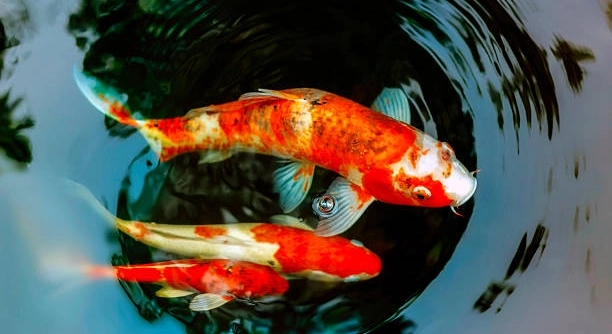
Have you ever spent time near a koi pond and started to wonder if the fish you’re watching make any noise at all?
Koi fish are not noisy animals. They do not produce sounds in the way mammals or some other fish might. Instead, they are generally silent, with only the movement of water around them creating gentle ambient noise.
Understanding what to expect from koi fish behavior can help you create a peaceful environment and care for them more confidently.
What Sounds Do Koi Fish Actually Make?
Koi fish do not vocalize or make intentional sounds. They communicate mostly through body language and subtle movements in the water. Any noise you may hear around a koi pond typically comes from external sources like splashing water, feeding, or filtration systems. When koi swim quickly or surface to eat, you might notice splashes or light water disturbance, but these aren’t sounds the fish are making on purpose. Unlike some aquatic animals, koi don’t use sound to warn others, attract mates, or defend their space. Their quiet nature is part of what makes them ideal for peaceful garden ponds. It’s common for owners to associate movement or bubbles with sound, but in reality, koi themselves remain silent. This silence is completely normal and doesn’t mean anything is wrong with them. It’s just how they are.
The sound you hear near koi is usually from water movement or feeding, not the fish themselves.
Since koi are not noisy, they make a great choice for calm environments. Whether in a backyard pond or a larger setup, their quiet presence supports a soothing atmosphere. If you hear anything unusual, like splashing or gurgling, it’s likely from your pond’s filter, pump, or surrounding water features.
Can Koi Fish Hear or Respond to Sound?
Koi fish can hear sounds through vibrations in the water. They don’t have ears like humans, but they use internal structures to sense movement and sound waves.
Koi fish are surprisingly aware of their surroundings. They pick up low-frequency sounds and respond well to consistent cues. For example, many koi become conditioned to recognize feeding time by sound. Some koi even swim toward voices or footsteps if they associate those sounds with food. This shows that while koi may not make noise themselves, they are still aware of it. Sudden loud noises, like banging or shouting, may startle them, causing stress or erratic swimming. Keeping their environment quiet and calm supports their health and comfort. If you want your koi to respond to you, try repeating soft sounds during feeding. With time, they may begin to associate your presence and voice with something positive. Just remember, their sense of sound is limited to vibrations through water, not detailed hearing.
Do Koi Fish Make Noise When They Eat?
When koi eat, they might cause small splashes or light suction sounds at the surface. These sounds come from the water, not the fish themselves. The noise is minor and usually blends with other pond sounds.
Koi often come to the surface to eat pellets or treats, and in doing so, their mouths break the water’s surface, creating slight bubbling or sucking sounds. These aren’t vocalizations but just the result of how they feed. If you’re nearby, it might sound louder than it really is, especially if the pond is otherwise quiet. The sound is more noticeable in groups when several koi feed at once, moving water and bumping into each other gently. Overall, these eating sounds are soft and shouldn’t be a cause for concern. It’s just normal behavior that happens around feeding time.
Feeding time can also be a great way to observe your koi’s health. Healthy koi will come to the surface quickly and feed with energy. The soft splashing and movement you hear can help signal normal activity. If the pond is silent and no koi respond to feeding, it might mean something is wrong. Watch for changes in behavior rather than sounds. Koi that stop eating or become sluggish might be stressed or unwell.
Should You Be Concerned About Noise Around Your Koi?
Sudden or loud noise near your pond can stress koi fish. They may react by hiding, swimming quickly, or avoiding the surface. It’s best to keep their area calm and steady.
Koi are sensitive to their surroundings, especially through vibrations in the water. While soft music or nearby talking may not bother them, loud construction noise, banging, or yelling can lead to stress. Stress affects their immune system, making them more vulnerable to illness. If koi are frequently startled, they may start avoiding feeding areas or interacting less. A peaceful setting with minimal disturbance supports healthier fish. Placing your pond away from heavy traffic, using soft landscaping, and minimizing sudden movements nearby can help. If koi are kept indoors, be mindful of speakers or loud televisions near their tank. Keeping things quiet and steady helps them feel safe, relaxed, and more willing to interact during feeding or daily care.
How Pond Design Affects Sound
The shape and setup of your pond can influence how sound travels and feels. Features like waterfalls or fountains will naturally create more background noise, while still ponds with gentle flow tend to be much quieter overall.
Adding rocks, plants, or ledges can help soften sound. These features break up vibrations and reduce echo. A pond surrounded by natural elements usually feels calmer and helps koi stay relaxed.
Do Koi Fish Need a Quiet Environment?
Koi fish don’t need complete silence, but they do best in calm surroundings. Constant loud sounds or sudden noises can cause stress and lead to health issues over time. Their hearing picks up on underwater vibrations, so it’s important to reduce disturbances like pounding, shouting, or rough handling near the pond. Gentle, predictable sounds—like water trickling—are perfectly fine and even comforting. When setting up a koi pond, consider how much noise is common in the area. Choose a spot that’s peaceful and not too close to busy roads or high-traffic zones. A quiet environment helps koi stay active, healthy, and more social during feeding.
Do Koi Fish Communicate with Each Other?
Koi fish do not use sound to communicate. Instead, they rely on body language, movement, and positioning in the water to interact with each other.
FAQ
Can koi fish hear human voices?
Koi fish cannot hear voices in the same way humans do, but they can sense vibrations made by sound. When you speak near the pond, koi may pick up the low-frequency vibrations through the water. Over time, they may start to associate your voice with feeding or care. Some koi even swim toward regular sounds like footsteps or voices if they link them with something positive, like treats. So, while they aren’t understanding words or tone, they can become responsive to familiar patterns and noises.
Do koi fish ever make loud sounds?
Koi fish themselves do not make loud sounds. Any noise you hear is usually the result of water movement or feeding activity. Even during active moments—like jumping or fast swimming—the sounds are light and brief. Koi do not have vocal cords or any sound-producing organs. If you hear loud noises near your pond, it’s likely coming from the filtration system, water features, or surrounding environment—not from the fish.
Why do my koi splash a lot?
Koi may splash for a few reasons, and it’s usually nothing serious. They often splash when feeding, playing, or mating. During warmer months, males may chase females and cause sudden splashing during spawning. Splashing can also happen when they are startled or excited. If the splashing is constant and unusual for your pond, check for things that might be disturbing them, such as predators, poor water quality, or sudden changes in weather. As long as your koi are eating well and behaving normally otherwise, some splashing is perfectly fine.
Do koi fish prefer quiet or noisy environments?
Koi prefer quieter environments with soft, steady background noise. Loud or sudden sounds can make them feel unsafe and cause stress. Over time, chronic stress may lead to health problems. Soft water features like a gentle waterfall or bubbling fountain can create a peaceful setting and are not harmful. Koi can adapt to regular, low-level noise but should be protected from ongoing disturbances like loud music, construction, or sudden vibrations.
Can koi become scared by noise?
Yes, koi can be startled by noise. They react quickly to sharp or unfamiliar sounds, often by swimming away or diving to the bottom of the pond. They may hide or stay still for a long time afterward. If this happens often, it can lead to long-term stress, which affects their behavior and immune system. To avoid this, try to limit sudden, loud noises near the pond, especially during feeding or cleaning times.
Is it okay to play music near koi ponds?
Soft, calm music played at a low volume is generally fine. Koi can get used to consistent sounds that aren’t too intense. However, speakers placed directly on or near the pond can create strong vibrations that travel through the water, which might be uncomfortable or stressful for koi. If you want to play music near your pond, keep it at a moderate distance and avoid anything with strong bass or sudden volume changes.
What should I do if my koi seem stressed by noise?
If your koi are hiding more, not eating, or swimming erratically after a loud noise, it’s a sign they may be stressed. Give them some quiet time and reduce any ongoing disturbances near the pond. Check for other stress factors too, like poor water conditions or temperature shifts. Once the area is calm again, koi usually return to normal. Try to identify the sound that caused the stress and see if it can be avoided or reduced in the future.
Do koi fish sleep, and is silence needed for that?
Koi fish do rest, usually at night or when the pond is quiet. They hover in place, slow their movement, and stay near the bottom. They don’t have eyelids, so it may not look like sleep, but it is a form of rest. They don’t need total silence, but a calm and steady environment helps them rest better. Too much light, noise, or activity can disrupt this quiet period and affect their energy levels.
How do koi recognize their owner if not by sound?
Koi recognize their owners through routine, sight, and vibration patterns in the water. They learn to associate certain movements, times of day, or even shadows with feeding. While sound plays a role, especially vibration-based cues, it’s more about consistency. If you feed them regularly and approach the pond the same way, they’ll likely swim up to you. This isn’t affection in a human sense, but it does show that koi can learn and respond to your presence over time.
Final Thoughts
Koi fish are peaceful animals that bring calm and beauty to any pond. One of their most appreciated traits is their quiet nature. Unlike some pets or even other fish, koi do not make noise on their own. The soft sounds you may hear near them come from the water moving, filters running, or light splashing when they eat. This silence is normal and not a sign of anything wrong. It’s simply how koi are. Their lack of sound makes them a great choice for people who want a quiet and relaxing outdoor space.
Even though koi don’t make sounds, they can still react to noises around them. Their bodies are built to sense vibration through the water. This means they can feel when something loud happens nearby, like a person walking, a sudden clap, or music playing close to the pond. Too much noise can stress them, so it’s helpful to keep their space calm. While they can adjust to regular, soft sounds, sudden or repeated loud noises should be avoided. A steady, quiet environment helps them stay healthy and behave more normally, especially during feeding and resting times.
Understanding what to expect from koi and the sounds around them helps you take better care of them. You don’t need to worry about them being noisy, and if you do hear splashing or bubbling, it’s likely just feeding or movement through the water. Paying attention to their behavior is more useful than focusing on sound. If they seem active, come up during feeding, and swim without trouble, they’re likely doing fine. With proper care and a quiet space, koi can live long, healthy lives while bringing a calm feeling to your pond. Keeping things simple, quiet, and steady will always be a good choice for your koi.

Hello,
If you enjoy the content that we create, please consider saying a "Thank You!" by leaving a tip.
Every little bit helps us continue crafting quality advice that supports the health, happiness, and well-being of pets around the world, for pets of all shapes, sizes, and species.
We really appreciate the kindness and support that you show us!