
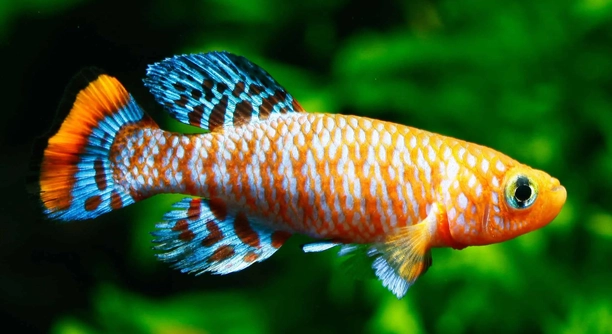
Do you ever find yourself watching your killifish swim past their food without taking a bite, leaving you slightly concerned?
Killifish may ignore food due to stress, poor water quality, illness, or changes in their environment. These factors can affect their appetite and behavior, leading to temporary fasting or disinterest in feeding.
Understanding what’s affecting your killifish can help you make small adjustments that encourage healthy feeding and reduce stress in their tank.
Common Reasons Your Killifish Might Ignore Food
Stress is one of the most common causes of appetite loss in killifish. These fish are sensitive to sudden changes in their environment, such as new tankmates, shifting water conditions, or even loud noises nearby. When stressed, their focus turns from eating to survival. Poor water quality is another key reason. Ammonia spikes, incorrect pH, or temperature swings can make killifish feel unwell. Illness can also reduce their appetite—internal parasites or bacterial infections are often to blame. Sometimes, the food itself is unfamiliar or unappealing. If they’re used to live food, they may refuse pellets or flakes. Another reason is overfeeding. If they’ve had enough recently, they may not show interest again so soon. Lastly, breeding behavior may distract them, especially during spawning periods when their energy is focused elsewhere.
Try observing their behavior over a few days to spot any patterns. Consistent changes often reveal what might be wrong.
If your killifish is acting normal but still refuses food, it may simply be adjusting to something new. Patience is key, but you can also make small changes. Try offering different foods or feeding during a quieter time. Make sure the water parameters are within the ideal range for the specific species. A simple test kit can help you track things like ammonia and pH levels. Also, avoid tapping the tank or making sudden movements while feeding. If none of these steps help, consider a health check for signs of illness. Look at their color, swimming style, and body shape. A swollen belly or clamped fins can be signs that something more serious is going on. Taking action early often leads to a better outcome for your fish and helps them return to normal feeding behavior.
What You Can Do Right Away
Start by checking the water conditions. Even small shifts in temperature or pH can affect their appetite.
If the water quality looks fine, try offering small amounts of live or frozen food to spark their interest. Bloodworms or brine shrimp can be more appealing than dried flakes or pellets. Feed less than usual so uneaten food doesn’t rot and affect the water. Monitor your killifish closely while doing this. Are they active? Do they look alert? If not, there might be an underlying issue. Remove any leftover food after ten minutes. Give them some quiet time before and after feeding. This helps them feel more secure. Reduce any loud sounds or sudden lighting changes near the tank. Sometimes, feeding early in the morning or later in the evening works better. If things don’t improve after a few days, consider isolating the fish for a closer look. Making small, steady adjustments often leads to better feeding behavior over time.
Feeding Tips That Can Help
Try using a feeding schedule. Giving food at the same time each day creates a routine, which can make your killifish feel more secure and ready to eat.
Start with small portions and observe how your fish responds. If they seem interested but hesitant, try gently wiggling live or frozen food with a pipette or feeding stick. This movement often mimics prey and can spark their hunting instinct. Avoid overfeeding—uneaten food quickly ruins water quality. Offer food in a quiet space, with tank lights turned on for a short while before feeding so your fish is fully alert. If they’re new to your tank, give them a few days to adjust before expecting a healthy appetite. A calm environment and patience often lead to better eating habits. Stick to two short feeding sessions per day when possible.
Make sure the food you offer is appropriate for your killifish species. Some prefer floating food, while others naturally feed near the bottom. Check the size of the food particles too—pieces that are too large can be hard for them to manage. Try rotating food types, mixing flakes with live or frozen options to prevent boredom. If your killifish ignores a certain brand or type, it’s okay to switch. Just make changes slowly so their digestive system can adapt. A variety of high-quality foods ensures they get the nutrients they need. Pay attention to their energy levels, coloration, and behavior over time. Healthy fish usually show interest in food once the right balance is found.
When It’s Time to Be Concerned
If your killifish hasn’t eaten for more than three days and shows signs like clamped fins or lethargy, it could be more than stress.
Check their appearance closely. Sunken bellies, pale color, or unusual swimming patterns may point to internal issues. Some illnesses are not visible right away, so try to rule out environmental causes first. Quarantining the fish in a separate tank can help if you suspect parasites or infection. Use aquarium salt carefully if needed and consider treatments made specifically for common killifish diseases. Don’t try multiple medications at once—this can be more harmful than helpful. A single, targeted approach works best. Look for signs of improvement each day. If your fish becomes more active or starts pecking at food again, that’s a good sign. Regular water changes and steady tank conditions play a big role in helping them recover.
How Environment Affects Feeding
A tank that’s too bright or has strong currents can make feeding uncomfortable. Killifish prefer calm, stable environments where they feel safe. Adding plants or hiding spots can make them more willing to come out and eat.
Sudden temperature drops or loud vibrations near the tank can also disrupt feeding behavior. Even small changes might affect their routine.
Food Preferences and Feeding Style
Different killifish species have different feeding habits. Some naturally hunt live prey and may not respond to dry food right away. Offering small live foods like daphnia or mosquito larvae can help spark interest. If your killifish are wild-caught, they may take longer to adjust to prepared foods. It’s best to introduce these slowly, mixing small amounts with live or frozen options they already accept. Feeding at the surface versus mid-water also matters, so match food type to how your fish likes to eat. Keep feedings brief and quiet to avoid stress during meals.
Small Adjustments Can Make a Difference
Minor changes in lighting, food type, or timing often help bring back normal feeding habits. Observation and patience go a long way.
FAQ
Why did my killifish stop eating suddenly?
Sudden appetite loss in killifish is often linked to stress, poor water conditions, or changes in their surroundings. A recent move, new tankmates, or loud noises can make them anxious. Check temperature, ammonia, pH, and nitrite levels right away. These fish are sensitive to small changes. Even overfeeding can cause them to stop eating temporarily. It’s also possible they’re adjusting to a new food type or schedule. Give them time to settle and offer something familiar, like live or frozen food. If they don’t eat after three days, consider checking for illness.
How long can a killifish go without food?
A healthy adult killifish can usually go without food for about 3 to 5 days. Some may last longer, especially if they’re not very active or if the water temperature is on the cooler side. However, going too long without food can lead to weakened immune systems and more health problems. If your fish isn’t eating after several days, it’s important to check for possible causes, such as stress, illness, or poor water quality. Juvenile killifish should not be left without food for more than a day or two, as they need regular feeding to grow properly.
Is it normal for killifish to skip meals after being introduced to a new tank?
Yes, it’s very common. Killifish often need a few days to adjust when they’re moved into a new tank. During this time, they may hide more and ignore food altogether. The stress of relocation, new water chemistry, and unfamiliar surroundings can easily impact their appetite. Try to keep the environment calm and consistent. Avoid turning on bright lights suddenly or tapping on the tank. Give them time to explore and settle in. Offering live food can help, as the movement can catch their attention. Once they feel secure, their eating habits usually return to normal.
What are signs that my killifish might be sick?
Some early signs include loss of appetite, clamped fins, rapid breathing, fading color, or unusual swimming patterns. You might also notice bloating, scratching against tank surfaces, or visible white spots on their body or fins. Lethargy or staying near the surface or bottom for long periods can also be a warning sign. If your fish refuses food for several days and shows any of these symptoms, consider moving them to a quarantine tank. Use a water testing kit to make sure conditions are stable, and look into fish-safe treatments specific to the symptoms you’re seeing.
Can water changes help get my killifish to eat again?
Yes, small water changes can often improve feeding behavior. Clean water boosts overall health and reduces stress. Make sure the replacement water is close in temperature and has been treated to remove chlorine or other harmful chemicals. A 20% water change every week can help maintain stable conditions. If you suspect poor water quality is affecting your killifish, doing a few small water changes over several days can help. Don’t change too much at once, though—this can create more stress. Consistency and slow adjustments are usually more effective for encouraging your fish to eat again.
Are some killifish just picky eaters?
Yes, especially wild-caught varieties or those not used to processed foods. Some killifish strongly prefer live prey and may ignore flakes or pellets altogether. You can try soaking dry food in tank water or garlic juice to make it more appealing. Mixing in small portions of live or frozen food can also help transition them to a more varied diet. Once they start recognizing something as food, they may become less picky. Still, it’s best to stick with foods that match their natural feeding habits whenever possible. Patience is key, and variety helps avoid long-term feeding issues.
Should I worry if only one killifish isn’t eating?
Not right away. If the rest of the tank seems active and healthy, one fish might just be adjusting or feeling stressed. Watch for other signs like fading color, unusual swimming, or isolation from the group. If everything else looks fine, give it a day or two. Sometimes a fish just needs more time. If there’s no improvement or new symptoms appear, separate the fish and monitor it more closely. This makes it easier to control feeding, check for illness, and prevent anything from spreading if it turns out to be health-related.
Final Thoughts
Killifish are interesting and colorful fish, but they can sometimes be sensitive when it comes to eating. If your killifish ignores food, it doesn’t always mean something is seriously wrong. Many times, the issue is temporary and can be fixed with small changes. Things like water quality, lighting, tank setup, and food type can all play a part. Watching your fish closely and making note of any changes in behavior can help you figure out what’s going on. Staying calm and patient often leads to better results than trying too many things at once.
Feeding habits can shift due to stress, environment, or changes in the tank. A killifish that is new to your setup may need a few days to feel safe enough to eat. In some cases, they are just picky about food. Trying live or frozen food instead of dry flakes or pellets might help. Feeding at the same time each day also helps create a routine, which can reduce stress. If your fish goes without food for more than three days and also shows signs of illness, it’s a good idea to look closer. A separate tank can help with monitoring and recovery if needed.
The most important thing is to create a stable, quiet, and clean environment for your killifish. Once they feel secure, their natural behavior, including feeding, usually returns. Keep up with water tests, avoid overfeeding, and stick to a regular tank maintenance schedule. Don’t be afraid to adjust food types until you find what works best. Each killifish is a little different, and their needs can vary by species. By staying observant and keeping conditions steady, you’ll give your fish the best chance to thrive and enjoy healthy feeding habits again.

Hello,
If you enjoy the content that we create, please consider saying a "Thank You!" by leaving a tip.
Every little bit helps us continue crafting quality advice that supports the health, happiness, and well-being of pets around the world, for pets of all shapes, sizes, and species.
We really appreciate the kindness and support that you show us!