
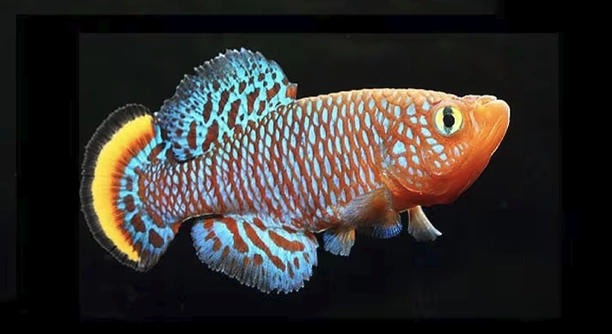
Killi breeders need a well-balanced diet to stay healthy and produce strong offspring. Feeding them the right foods helps maintain their vibrant colors and supports their reproductive health. Good nutrition is key to successful breeding.
The best foods to condition killi breeders include live and frozen options such as bloodworms, brine shrimp, daphnia, and mosquito larvae. These foods provide essential proteins and nutrients that improve fish vitality and breeding success.
Choosing the right diet ensures your killis remain energetic and ready for breeding, making a noticeable difference in their overall health and appearance.
Bloodworms: A Classic Choice for Conditioning
Bloodworms are a popular choice for conditioning killi breeders because they offer high protein content essential for growth and reproduction. These larvae are rich in nutrients that boost fish energy and coloration, making them ideal for breeding pairs. Many killifish respond well to bloodworms, showing improved activity and spawning behavior after a few feedings. Offering bloodworms in moderation helps maintain water quality, as overfeeding can lead to pollution. Frozen bloodworms are convenient and reduce the risk of introducing parasites, but live bloodworms often stimulate more natural hunting instincts and encourage active feeding. Incorporating bloodworms into the diet supports overall fish health while preparing them for breeding. Regular feeding with bloodworms should be balanced with other food types to ensure a varied and complete diet for your killifish.
Bloodworms provide essential protein and nutrients that directly enhance breeding success and fish vitality.
Providing bloodworms regularly can significantly improve your killifish’s condition and encourage spawning, making them a valuable part of a conditioning diet.
Brine Shrimp: Nutritious and Versatile
Brine shrimp are a versatile food option widely used for conditioning killifish. They are easy to culture and provide excellent nutrition with a good balance of protein and fatty acids. Brine shrimp help improve fish stamina and reproductive readiness. Offering live brine shrimp encourages natural feeding behavior and stimulates appetite. Frozen brine shrimp are also a convenient alternative that still retains nutritional value. Including brine shrimp in your killi’s diet can enhance coloration and overall health. Due to their size, brine shrimp are suitable for both adult breeders and juvenile killifish, making them an adaptable food source for various life stages.
Incorporating brine shrimp ensures your killifish receive essential nutrients necessary for conditioning.
Regular feeding with brine shrimp supports consistent energy levels and promotes strong, healthy offspring during breeding periods.
Daphnia: Small but Mighty
Daphnia are tiny freshwater crustaceans packed with nutrients that boost killifish health. Their small size makes them easy for young and adult killi to eat, supporting steady growth and conditioning. Including daphnia adds variety to the diet, preventing nutritional gaps.
Feeding daphnia regularly improves digestion and helps clear the fish’s gut, reducing waste buildup. Their natural movement encourages killifish to stay active and alert. These qualities make daphnia excellent for preparing breeders, as well-nourished fish are more likely to spawn successfully. Culturing daphnia at home is simple and provides a fresh, live food source that supports fish vitality and coloration.
Daphnia’s rich nutrient profile and live presentation promote breeding readiness. They complement other foods by offering hydration and fiber, which aids overall digestive health. This makes daphnia a smart addition to a conditioning diet.
Mosquito Larvae: Natural Protein Boost
Mosquito larvae are a natural, protein-rich food that killifish readily accept. They help increase energy levels and improve reproductive performance, making them a powerful conditioning food. Live mosquito larvae simulate the fish’s natural prey, encouraging feeding.
When feeding mosquito larvae, it’s important to source them carefully to avoid contamination or chemicals. These larvae contain essential fatty acids and proteins that enhance coloration and spawning drive. Their lively movement attracts killifish and stimulates natural hunting behavior, which is beneficial during conditioning. Using mosquito larvae alongside other foods ensures a balanced diet with varied nutrients, supporting healthy fish development and breeding success. Their ease of digestion also helps keep fish gut health in good condition, reducing stress during breeding periods.
Artemia Nauplii: A Rich Nutrient Source
Artemia nauplii are newly hatched brine shrimp that provide high levels of protein and essential fatty acids. They are small and easy to digest, making them perfect for conditioning killifish of all sizes.
These live foods encourage active feeding and stimulate natural hunting instincts. Regular feeding improves fish vitality and prepares breeders for successful spawning.
Tubifex Worms: High Protein Treat
Tubifex worms offer a dense protein source that helps build muscle and boost energy in killifish. Their soft texture is easy to digest, supporting overall health during conditioning.
Using tubifex worms sparingly ensures balanced nutrition and prevents water quality issues. They are best combined with other live or frozen foods for a complete diet.
Freeze-Dried Foods: Convenient Supplement
Freeze-dried foods provide a practical way to supplement live diets. They retain much of their nutritional value and can be stored easily.
Adding freeze-dried options helps maintain variety in the diet, which is essential for conditioning killifish and supporting breeding success.
FAQ
What is the best food to start conditioning killifish breeders?
Starting with high-protein live foods like bloodworms or brine shrimp is often the most effective way to condition killifish. These foods provide essential nutrients that quickly boost energy and improve coloration. Live foods also encourage natural feeding behavior, helping breeders prepare for spawning.
Can I feed only frozen foods to condition killifish?
Frozen foods such as bloodworms and brine shrimp can be used to condition killifish, but relying solely on frozen options might limit some nutritional benefits. Live foods stimulate natural hunting instincts and offer fresher nutrients, so combining frozen and live foods is ideal for balanced conditioning.
How often should I feed conditioning foods to my killifish?
Feeding conditioning foods 2 to 3 times daily in small amounts is recommended. Overfeeding can lead to poor water quality and stress. Small, frequent meals ensure the fish digest properly and absorb the nutrients needed for breeding.
Are freeze-dried foods a good substitute for live food?
Freeze-dried foods are a convenient supplement but should not replace live or frozen foods entirely. They provide useful nutrients and add variety, but live foods offer more stimulation and fresher nutrition, which are important for conditioning breeders.
Can juvenile killifish eat the same conditioning foods as adults?
Juvenile killifish can eat many of the same foods but in smaller, manageable sizes. Artemia nauplii and daphnia are particularly good for young fish due to their small size and easy digestibility. Proper feeding supports growth and prepares juveniles for healthy adulthood.
Is it safe to culture live foods at home?
Culturing live foods like brine shrimp and daphnia at home is safe when done properly. Using clean water and avoiding contamination helps prevent introducing diseases to your fish. Home-cultured foods are fresh and economical, making them excellent for conditioning.
How do I prevent water quality issues when feeding live foods?
Feed small amounts and remove uneaten food promptly. Live and frozen foods can decompose and pollute the tank if overfed. Regular water changes and good filtration also help maintain water quality during conditioning periods.
Can conditioning foods improve killifish coloration?
Yes, many conditioning foods, especially those rich in protein and fatty acids like bloodworms and brine shrimp, enhance killifish coloration. Healthy, well-nourished fish display more vibrant colors, which often indicate good overall health and breeding readiness.
What are signs that killifish are well-conditioned?
Well-conditioned killifish are active, show bright colors, and display natural breeding behaviors such as pairing or nest building. They tend to eat eagerly and maintain good body condition without signs of stress or illness.
Are there any foods to avoid when conditioning killifish?
Avoid processed or low-quality flake foods during conditioning, as they lack the nutrients required for breeding. Also, avoid feeding wild-caught insects or larvae unless you are sure they are free from pesticides and contaminants. Stick to trusted live, frozen, or freeze-dried options.
How long does conditioning take before breeding begins?
Conditioning usually takes 2 to 4 weeks depending on the killifish species and individual health. During this time, consistent feeding with nutritious foods helps prepare the fish for spawning and increases the chances of successful breeding.
Can I use only one type of live food for conditioning?
Using only one live food type is possible but not ideal. A varied diet ensures balanced nutrition, prevents deficiencies, and keeps killifish interested in feeding. Mixing bloodworms, brine shrimp, daphnia, and other live foods offers a well-rounded approach.
Does temperature affect feeding and conditioning?
Yes, water temperature influences killifish metabolism and appetite. Warmer temperatures generally increase feeding activity and digestion, which helps condition the fish faster. However, avoid extreme temperatures that cause stress or health problems.
What is the role of fatty acids in conditioning foods?
Fatty acids provide energy and support reproductive health. Foods like brine shrimp and mosquito larvae contain important fatty acids that improve egg quality and sperm vitality, making them essential components of a conditioning diet.
How important is water quality during conditioning?
Maintaining excellent water quality is critical. Conditioning foods can increase waste production, so frequent water changes and good filtration prevent harmful buildup. Healthy water supports immune function and breeding success.
Can conditioning foods help sick or stressed killifish?
Conditioning foods are primarily for healthy fish preparing to breed. Sick or stressed fish may need specialized care and treatment first. Once recovered, these nutrient-rich foods can aid in regaining strength and improving condition for breeding.
Final Thoughts
Conditioning killifish breeders with the right foods plays a major role in their overall health and breeding success. Providing a varied diet that includes live, frozen, and freeze-dried options ensures the fish get the nutrients they need. Foods like bloodworms, brine shrimp, and daphnia are excellent choices because they are rich in protein and fatty acids, which support energy, coloration, and reproductive health. Feeding these regularly helps prepare killifish for spawning by boosting their strength and vitality. It is important to avoid overfeeding and maintain good water quality, as poor conditions can stress the fish and reduce breeding success.
Using a combination of live and frozen foods allows you to balance convenience with nutritional benefits. Live foods stimulate natural feeding instincts, which can make the fish more active and eager to eat. Frozen foods, while not as lively, still provide valuable nutrients and are easy to store and handle. Freeze-dried foods can be a helpful supplement to add variety and fill gaps in nutrition. Keeping the diet diverse also helps prevent the fish from becoming picky or losing interest in their food. It’s best to adjust the feeding routine based on the fish’s behavior and condition, ensuring they are eating well without excess waste.
Overall, successful conditioning requires attention to diet, feeding schedule, and tank maintenance. Feeding small amounts multiple times a day helps ensure proper digestion and reduces water pollution. Regular water changes and good filtration keep the environment healthy, which is just as important as nutrition. Watching the fish for signs of good health—such as bright colors, active swimming, and spawning behavior—can guide your feeding choices. By focusing on these key factors, you can support your killifish breeders to thrive and reproduce, leading to rewarding and healthy fishkeeping.

Hello,
If you enjoy the content that we create, please consider saying a "Thank You!" by leaving a tip.
Every little bit helps us continue crafting quality advice that supports the health, happiness, and well-being of pets around the world, for pets of all shapes, sizes, and species.
We really appreciate the kindness and support that you show us!