
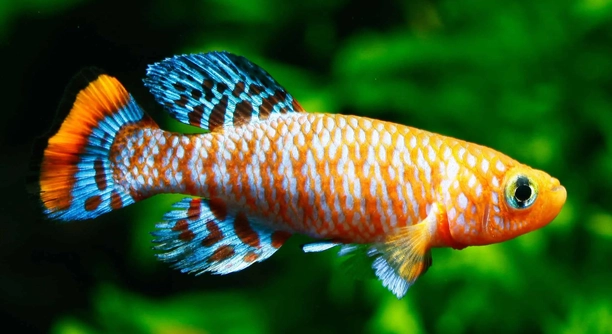
Killis are small, colorful fish that many people enjoy keeping in home aquariums. They are known for their shy behavior and their tendency to stay close to plants. Observing killis can be peaceful, but it often feels like they are hiding away from view.
Killis consistently hide under plants as a natural survival strategy. Plants provide them with shelter from predators and reduce stress by offering a secure environment. This behavior reflects their instinct to seek safety and maintain comfort in their habitat.
Understanding why killis prefer to stay hidden can improve how you care for them and create a healthier tank environment. Their shy nature has important effects on their behavior and well-being.
Why Killis Prefer Plants for Hiding
Killis naturally seek places where they feel safe. In the wild, dense plants offer them shelter from predators and strong currents. In an aquarium, plants provide similar protection, helping killis feel less exposed and vulnerable. This is why they often stay close to or under plants. These areas also offer ideal spots for resting and breeding. Plants create a calm environment by breaking up the line of sight, which reduces stress for the fish. When killis feel threatened, they instinctively retreat to these sheltered areas. Besides protection, the plants also offer small spaces that fit their size perfectly. This encourages them to explore and move gently around their habitat. Providing plenty of plants in your tank can help killis behave naturally and improve their health. This simple addition makes a big difference in how comfortable they feel.
Plants play an important role in helping killis stay calm and secure in their environment.
By understanding their need for cover, you can design a tank that meets their instincts and supports their well-being. With the right plants, killis will be less stressed, more active, and even more colorful. Creating a safe space encourages natural behaviors, like exploring and breeding. The plants also improve water quality by absorbing nutrients and providing oxygen, which benefits all tank inhabitants. Keeping killis with ample plant cover means watching them thrive in a setting close to their natural habitat. It’s a small change that leads to a happier, healthier aquarium.
How to Choose the Best Plants for Killis
Not all plants work equally well for killis. Choose plants with dense leaves and roots that offer hiding spots but don’t overcrowd the tank. Live plants like Java fern, Anubias, and hornwort are great options because they create natural cover without requiring too much care. Artificial plants can also work if they have thick foliage, but live plants help keep the water balanced and fresh. Be sure to space plants so killis can swim freely and have room to explore.
Plants with broad leaves and sturdy stems provide the best shelter for killis.
Selecting the right plants helps killis feel safe and reduces their stress levels. Avoid plants that grow too tall or sharp, as these can make the tank feel cramped or unsafe. Balance open swimming areas with dense patches of plants. This gives killis choices in how much they want to hide or show themselves. Good plant care is important too—healthy plants grow better and provide more effective shelter. Regular pruning and cleaning keep the tank inviting for killis. Overall, proper plant selection creates a better home for killis and makes observing their unique behavior more enjoyable.
Creating a Safe Environment for Killis
Killis feel safest when their tank mimics their natural habitat. This includes soft lighting, plenty of hiding spots, and gentle water flow. Bright lights or strong currents can stress them out and cause hiding behavior to increase.
A soft, natural setup helps killis feel comfortable and lowers their stress levels. Using floating plants or dimmable lights can create shaded areas, which killis appreciate. Also, keep the water temperature stable and within their preferred range to avoid discomfort. Providing caves, driftwood, or moss beds adds more places for killis to hide if they want. When they feel secure, killis display brighter colors and more natural activity. Their shy nature doesn’t mean they want to be hidden all the time—it’s about having a safe option nearby. A peaceful environment encourages them to explore and interact more often.
Keeping a tank calm and secure is essential for killis’ well-being. When their environment is stable and comforting, they show less fear and more natural behavior.
Signs Killis Are Stressed or Uncomfortable
Stress in killis often shows through constant hiding or dull colors. If they stay hidden for long periods or seem lethargic, the tank conditions may need adjusting. Poor water quality, improper temperature, or too much noise can all contribute to stress.
When killis feel unsafe, their immune system weakens, making them prone to illness. Overcrowding or aggressive tank mates also increase stress and hiding. It’s important to regularly test water parameters and maintain cleanliness. Watch for changes in behavior or appetite, which can signal discomfort. Removing stressors and improving tank conditions usually helps killis feel more secure and active again. Observing their habits closely gives clues on how to improve their environment and care routine. With the right adjustments, killis will spend more time swimming openly rather than hiding away.
Feeding Killis Near Plants
Killis often feed near plants because these areas feel safer. Plants provide cover, allowing killis to eat without feeling exposed to predators or threats. This natural behavior helps reduce their stress while feeding.
Feeding near plants also mimics their wild environment, where food is often found among vegetation. Offering food close to plants encourages killis to come out more often and stay comfortable.
How Lighting Affects Killis’ Hiding Behavior
Lighting plays a big role in killis’ comfort levels. Bright or harsh lights can make them feel vulnerable, pushing them to hide more often. Using dim or filtered lighting helps create a calm atmosphere, encouraging killis to explore.
Adjusting light intensity to simulate natural conditions supports their natural rhythms. Soft lighting mimics early morning or late afternoon, times when killis are usually more active and visible. It also helps plants grow better, creating more hiding spots and improving the tank environment overall.
Choosing Tank Mates for Killis
Select peaceful, non-aggressive fish to keep killis stress-free. Aggressive tank mates cause killis to hide constantly, affecting their health and happiness.
FAQ
Why do killis always hide under plants?
Killis hide under plants mainly for safety. Plants offer a natural shelter where they feel protected from threats. This behavior comes from their instinct to avoid predators. Being under plants reduces stress and makes killis feel secure, which is why they often stay close to or beneath foliage.
Can killis live without plants in the tank?
Killis can survive without plants, but it’s not ideal. Without plants, they lack natural hiding spots and may feel stressed or exposed. This can lead to shy or unhealthy behavior. Providing plants helps mimic their natural environment, improving their comfort and overall well-being.
How often should I feed killis?
Feeding killis once or twice a day is usually enough. Small amounts of food prevent waste buildup and maintain water quality. Overfeeding can cause water issues and stress the fish. Make sure to offer a balanced diet of high-quality flakes, pellets, or live foods like brine shrimp.
What kind of plants are best for killis?
Plants with dense leaves, like Java fern, Anubias, and hornwort, work best for killis. These plants create safe hiding places and break up open areas in the tank. Floating plants also provide shade, which killis enjoy. Avoid sharp or fast-growing plants that can overcrowd the tank.
How do I know if my killis are stressed?
Signs of stress include hiding all the time, dull colors, loss of appetite, and sluggish movement. If killis stay hidden for long periods or act lethargic, check water quality, temperature, and tank mates. Stress often comes from poor tank conditions or aggressive fish nearby.
Can killis live with other fish?
Killis do well with peaceful, non-aggressive tank mates. Avoid fast or aggressive species that might chase or bully killis. Good companions include small tetras, rasboras, and peaceful bottom dwellers. Always monitor interactions to make sure killis aren’t stressed.
Why do killis prefer dim lighting?
Killis feel safer with soft, dim lighting because it mimics natural conditions in their habitat. Bright lights can make them feel exposed and push them to hide more. Using adjustable or floating plants to diffuse light helps killis feel comfortable and encourages them to swim freely.
How can I encourage my killis to come out of hiding?
Create a calm environment with plenty of plants and soft lighting. Avoid sudden movements or loud noises near the tank. Feeding killis near their hiding spots also helps build trust. Over time, they will feel secure enough to explore more openly.
Do killis need a special water temperature?
Killis prefer temperatures between 72°F and 78°F (22°C–26°C). Keeping water stable within this range reduces stress and encourages natural behavior. Sudden temperature changes or extremes can cause killis to hide more and weaken their health.
Is it okay to use artificial plants for killis?
Artificial plants can provide hiding spots if they have thick, soft leaves. However, live plants are better because they improve water quality and oxygen levels. If using artificial plants, choose ones without sharp edges to avoid injuring the fish. Regular cleaning is important to prevent algae buildup.
How large should my killis tank be?
A tank of at least 10 gallons is recommended for killis. This size allows space for plants and swimming areas without overcrowding. A well-planted tank provides plenty of hiding spots, which helps reduce stress and encourages healthy behavior.
Why do killis sometimes jump out of the tank?
Killis are known to jump, especially when stressed or startled. A secure lid is important to prevent escapes. Jumping often happens if the water quality is poor or if tank mates are aggressive. Keeping the tank stable and calm reduces this behavior.
Can killis breed in a planted tank?
Yes, planted tanks are ideal for breeding killis. Plants offer safe spots for eggs and fry to hide. Java moss and fine-leaf plants work well for this purpose. Maintaining good water quality and a stress-free environment supports successful breeding.
How do I maintain water quality for killis?
Regular water changes, good filtration, and avoiding overfeeding keep water clean. Test water parameters often for ammonia, nitrites, and nitrates. Healthy plants also help absorb excess nutrients. Clean the tank and remove debris to prevent harmful buildup.
What should I do if my killis seem sick?
If killis show signs of illness, isolate them in a separate tank if possible. Test water conditions and improve cleanliness. Consult a fish health guide or expert for proper treatment. Early action helps prevent disease spread and supports recovery.
Killis are naturally shy fish that rely on plants to feel safe and secure. Their habit of hiding under plants is a normal behavior that helps protect them from stress and danger. Providing plenty of plants in their tank allows killis to express this natural behavior without feeling threatened. It also helps create a calm and healthy environment where they can thrive. When killis have access to good cover, they show better colors, are more active, and generally live healthier lives. Understanding this simple fact can make a big difference for anyone keeping killis as pets.
Having the right setup in a killis tank means more than just adding plants. It includes using soft lighting, stable water temperature, and peaceful tank mates. Each of these factors helps reduce stress and encourages killis to explore rather than stay hidden all the time. Plants play a key role by offering shelter and breaking up open spaces in the tank. This setup mimics the killis’ natural habitat, making them feel comfortable and safe. When killis feel secure, they behave more naturally, which is rewarding to watch. Taking time to care for their environment properly will lead to a more vibrant and lively aquarium.
In the end, patience and observation are important when caring for killis. They may take time to come out of hiding as they adjust to their surroundings. Watching how they interact with plants and their tank mates gives clues on how to improve their care. Making small changes like adding more plants or adjusting lighting can help them feel safer and more confident. The effort to create a supportive environment for killis is worthwhile because it leads to happier fish and a more enjoyable aquarium experience. Respecting their shy nature is key to helping killis live their best life in a home tank.

Hello,
If you enjoy the content that we create, please consider saying a "Thank You!" by leaving a tip.
Every little bit helps us continue crafting quality advice that supports the health, happiness, and well-being of pets around the world, for pets of all shapes, sizes, and species.
We really appreciate the kindness and support that you show us!