
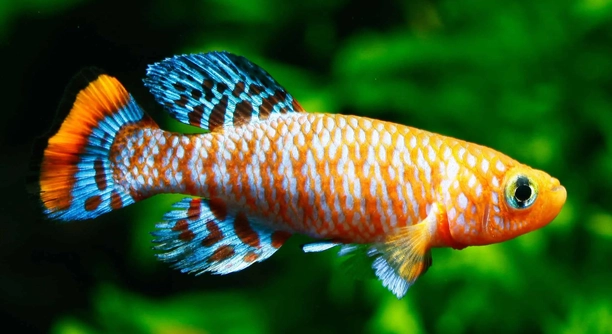
Have you ever heard of parasites in fish and wondered if something as unexpected as a plant could be the cause?
Killifish cannot catch parasites directly from plants, but they can become infected if the plants are contaminated. This usually happens when wild plants or poorly cleaned aquatic vegetation introduce parasite eggs or larvae into the tank environment.
Learning how parasites spread and what precautions to take will help you keep your killis safe and healthy in a planted aquarium.
How Parasites End Up on Aquarium Plants
Parasites often find their way into aquariums through contaminated plants, especially those taken from outdoor ponds or wild environments. These plants can carry parasite eggs, larvae, or even microscopic organisms hidden within their leaves or roots. If not cleaned properly, they become a pathway for these parasites to reach your fish. Even store-bought plants may come from tanks that previously housed infected fish. This means parasite transmission doesn’t come from the plant itself but from what might be attached to or hiding inside it. Snail eggs, detritus, and other organic matter can also serve as carriers. Once introduced, parasites settle in the tank and begin affecting the fish, including killifish, which are particularly sensitive. Careful inspection and quarantine of all new plants are essential to reducing the risk of infection. It’s an easy step that makes a big difference in preventing unwanted health issues.
Dirty or wild plants can carry parasites into your tank. Rinse and quarantine all new plants before placing them in your aquarium.
Contamination usually comes from infested water or contact with infected animals. Outdoor ponds have a higher chance of carrying parasites due to their exposure to birds, amphibians, and fluctuating temperatures. These conditions create an ideal environment for parasites to thrive and attach to nearby plants. When you transfer plants from these environments to a home aquarium, the microscopic organisms often come with them. Even if you can’t see anything unusual, parasite eggs or cysts can be present. Killifish are delicate and easily affected by sudden changes or hidden health threats. That’s why proper plant disinfection is so important. A light bleach dip or extended freshwater rinse can help remove potential dangers. It’s not just about keeping your plants clean—it’s about keeping your fish safe. Always treat new additions to your tank with caution and care to maintain a balanced and parasite-free environment.
Why Killis Are Vulnerable
Killifish are highly sensitive to water changes and stress, making them more likely to suffer when parasites are introduced.
These fish have thin skin, soft fins, and unique biological traits that make them prone to stress and illness when their environment changes. If a parasite enters the tank—even in small numbers—killis can quickly show symptoms. Their natural habitats often have clean, temporary water sources that lack long-term parasite populations. So, when kept in stable aquariums, they need similar conditions. Once infected, they may show signs like flashing, clamped fins, or refusal to eat. Because they are short-lived fish, any illness has a greater impact on their health and lifespan. That’s why it’s important to maintain a clean tank, quarantine new items, and act fast at the first signs of distress. Even a small amount of contamination from a plant can lead to a noticeable decline in their condition. With careful planning and observation, you can protect them and reduce the risk of serious problems.
How to Safely Add Plants to a Killifish Tank
Always quarantine new plants for at least a week in a separate container. This step helps remove parasites, pests, and leftover chemicals that could affect your killis once introduced into their main tank.
Before quarantine, rinse plants thoroughly under running water to remove dirt and visible debris. Then, give them a bleach dip—use one part bleach to nineteen parts water, and soak the plants for two minutes. Rinse them very well in dechlorinated water afterward. During quarantine, check daily for snails or unusual signs like mold, fuzz, or cloudiness in the water. Keep the container warm and well-lit to simulate tank conditions. This helps encourage any hidden organisms to show up. After the quarantine period, inspect the plants again before placing them in the killifish tank. These simple precautions can help prevent future stress, illness, or parasite outbreaks in your aquarium.
Avoid rushing the process, even with store-bought plants. While commercial sources are generally safer than wild ones, they can still carry pests or hidden issues. Parasites can survive on organic waste, inside plant folds, or in root structures. It’s also important to avoid transferring any tank water from the store or other tanks into your own. Always plant with clean tools and avoid cross-contamination by disinfecting anything that touched untreated plants. If you’re unsure about a plant’s safety, it’s better to keep it out than risk your killifish’s health. Observing patience and caution will give your fish a healthier, longer life in a more stable environment. Treat each new plant as a potential risk, and prepare it carefully.
Common Signs of Parasite Exposure
Look for signs like flashing, rubbing against objects, or rapid gill movement. These behaviors often suggest irritation caused by parasites, especially when they appear suddenly after adding new plants to the tank.
Clamped fins, lack of appetite, and unusual hiding are also warning signs. If multiple symptoms appear at once, act quickly to prevent the issue from getting worse.
What to Do If You Suspect Parasites
Remove the fish showing symptoms and place it in a quarantine tank immediately. Begin treatment using an anti-parasitic medication suited for external parasites. Follow the product instructions carefully and complete the full course. At the same time, clean the main tank by performing a partial water change, vacuuming the substrate, and removing any uneaten food or debris. Check the plants and remove any that appear unhealthy or discolored. It’s also a good idea to temporarily stop feeding live food, as it can sometimes carry parasites. Maintain stable water parameters and observe the rest of your killifish daily.
Prevention Tips
Always quarantine plants and avoid using untreated wild plants. Keep your tools clean and avoid cross-contamination between tanks to protect your fish from avoidable health problems.
FAQ
Can killifish get parasites directly from plants?
Killifish do not get parasites directly from the plants themselves. Parasites are usually introduced when plants carry parasite eggs, larvae, or other organisms from outside sources. These hitchhikers attach to the plant’s leaves or roots and then enter the tank’s water. Once in the water, the parasites can infect the fish. Proper cleaning and quarantining of plants reduce this risk significantly. So, while plants are not the direct source, they can act as a vehicle for parasites if not prepared correctly.
How can I tell if my plants are carrying parasites?
It’s often difficult to see parasites on plants with the naked eye. However, signs like slimy coatings, unusual discoloration, or small moving spots may indicate contamination. Sometimes snails or other pests hitch a ride on the plants and can carry parasites with them. Quarantine tanks can help reveal these issues, as parasites or pests often become visible when kept in a small, controlled environment. Regular inspection during quarantine is key.
What are the most common parasites that affect killifish?
Killifish are vulnerable to several types of parasites, including Ichthyophthirius (Ich), flukes, and various external protozoans. Ich causes white spots on the fish and makes them itchy, while flukes can irritate the skin and gills. External protozoans often cause flashing and rubbing behaviors. These parasites typically enter the tank through contaminated water, plants, or live food sources. Identifying and treating these parasites quickly is crucial because killifish are sensitive and don’t handle infections well.
Are store-bought plants safe for killifish tanks?
Store-bought plants are usually safer than wild plants because they are grown in controlled conditions. However, they are not always free of risks. Sometimes they carry snails or algae that may harbor parasites. It’s still important to rinse and quarantine these plants before adding them to your killifish tank. A simple bleach dip or freshwater soak can help reduce risks. Treating store-bought plants with care ensures the health of your fish.
How long should I quarantine plants before adding them to the main tank?
Quarantine should last at least seven days. This time allows parasites or pests to become visible or die off before the plants are introduced to your killifish tank. During quarantine, observe the plants carefully, change the water regularly, and maintain good conditions to encourage parasite detection. Shortening quarantine increases the risk of parasite transfer and can lead to infections in your fish.
What steps should I take if my killifish get parasites?
Isolate infected fish immediately to prevent spread. Use the correct anti-parasitic treatment based on the type of parasite. Clean the main tank by removing waste and doing partial water changes. Remove and disinfect any suspicious plants or decorations. Monitor water parameters closely to reduce fish stress. Avoid feeding live food temporarily, as it may carry parasites. Treating early and maintaining cleanliness is essential for recovery.
Can plants be treated to remove parasites without harming them?
Yes, plants can be treated carefully using a mild bleach dip or a potassium permanganate soak. Bleach solutions should be very diluted, usually one part bleach to nineteen parts water, and soaking should not exceed two minutes. Always rinse thoroughly in dechlorinated water afterward. Potassium permanganate can also help but requires caution and precise dosing. These treatments reduce parasites and pests without damaging the plants if done properly.
Does adding new plants require changing the tank water?
It’s a good idea to do a partial water change when adding new plants to reduce the risk of introducing parasites or contaminants. Changing about 20-30% of the water removes potential parasites, eggs, or harmful bacteria. It also helps keep water parameters stable, which is important for killifish health. Regular maintenance along with water changes reduces overall tank stress and makes it easier to catch problems early.
Can parasites live on dead or decaying plant matter?
Yes, parasites and bacteria often thrive on dead or decaying organic matter, including plant debris. This can increase the risk of infection in your tank. Removing dead leaves and cleaning the substrate regularly reduces parasite breeding grounds. Keeping the tank clean and free of excess organic waste is one of the best defenses against parasites in killifish tanks.
Is it safe to use live plants in a killifish aquarium?
Live plants can be very beneficial to killifish tanks, providing hiding spots and improving water quality. However, they do carry some risk of introducing parasites if not handled carefully. Following proper quarantine and cleaning procedures minimizes this risk. The benefits of live plants often outweigh the risks when managed correctly, making them a good addition to most killifish tanks.
When it comes to keeping killifish healthy, understanding the risks that plants can bring into the aquarium is important. While plants themselves do not directly infect killifish with parasites, they can carry parasite eggs or larvae if not properly cleaned and quarantined. This means that introducing new plants without caution can create problems for your fish. Taking the time to rinse, disinfect, and quarantine plants before placing them in the tank reduces the chances of parasites making their way in. These steps are simple but effective ways to protect your killifish from unnecessary stress and health issues.
Killifish are sensitive creatures that require stable, clean environments. Parasites can cause them to become stressed or sick quickly, so prevention is better than treatment. Keeping a close eye on fish behavior and tank conditions helps catch problems early. If signs of parasites appear, acting fast to isolate affected fish and treat the tank is critical. Using safe treatments and maintaining water quality supports recovery. Equally important is keeping the tank free from decaying organic matter, which can encourage parasite growth. Regular cleaning and maintenance combined with cautious plant management make a big difference in ensuring your killifish thrive.
Overall, the key to a healthy killifish tank is careful preparation and attention. Adding plants brings many benefits but also some risks if not handled properly. By following quarantine procedures, monitoring fish closely, and maintaining good tank hygiene, you create a safe environment for your killifish to live happily. Taking these simple precautions helps avoid parasite infections and keeps your fish healthy in the long run. With patience and care, your killifish can enjoy a beautiful planted home without unnecessary health concerns.

Hello,
If you enjoy the content that we create, please consider saying a "Thank You!" by leaving a tip.
Every little bit helps us continue crafting quality advice that supports the health, happiness, and well-being of pets around the world, for pets of all shapes, sizes, and species.
We really appreciate the kindness and support that you show us!