
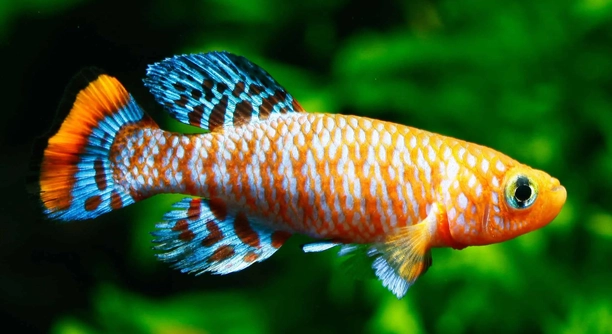
Have you ever watched a group of killi fry clustering near the water’s surface and wondered what makes them stay there so often?
The primary reason killi fry huddle at the surface is due to their need for higher oxygen levels. Surface water holds more dissolved oxygen, which is essential for their growth and survival, especially in low-oxygen environments.
From water quality to natural instincts, several small yet important factors shape this behavior in young killifish and help them thrive in their habitat.
Why Oxygen Matters More Than You Think
In the early stages of life, killi fry rely heavily on oxygen-rich areas to survive and grow properly. Their gills are still developing, making them more sensitive to any drop in oxygen levels. Staying near the surface helps them access the highest concentration of oxygen available in the tank or pond. This behavior is especially common in warmer water, where oxygen tends to deplete faster. Unlike adult fish that can move around to find better spots, fry have limited mobility and fewer ways to cope with stress. Keeping them at the surface is their natural way of managing this challenge. You might also notice they group together—this clustering can create a sense of safety and reduce individual stress. Watching them hover close to the top might seem odd at first, but it’s a smart survival strategy shaped by their needs and instincts from the very beginning.
This surface-hugging behavior can be more pronounced in tanks with poor aeration or overcrowding.
As their bodies develop and their gills strengthen, killi fry will gradually start exploring other parts of the tank. Their dependency on surface-level oxygen begins to drop once their respiratory systems are better equipped. At this point, they become more confident swimmers and start to act more like adult killifish.
Other Reasons Fry Stay Near the Surface
Sometimes, fry may gather at the surface because of food placement or lighting conditions.
Many people feed their killi fry powdered food or infusoria that floats on the surface. Since this is where the food consistently appears, the fry learn to stay there. They associate the surface with feeding time, which makes them cluster in anticipation. Another factor is lighting. Bright overhead lights can make the lower areas feel less safe. Fry tend to avoid dim spots that seem risky and instead stay near well-lit, familiar zones. Additionally, still or slow-moving water keeps surface tension high, allowing tiny food particles to stay longer at the top. This encourages fry to remain in that area for longer periods. While oxygen is the main reason for this behavior, these small day-to-day details also shape how fry behave. Adjusting your tank’s setup slightly—like improving circulation or feeding in different zones—can help you guide fry toward a more balanced swimming pattern as they grow.
Understanding Stress and Safety in Fry
Fry feel safer near the surface, especially when there’s little plant cover or hiding spots below. This space gives them a better view of what’s around, helping them stay alert in unfamiliar or changing environments.
In a bare or lightly decorated tank, the surface can act like a safety zone. Without enough plants or shelter in lower areas, fry often avoid venturing down. They also sense movement from above, which alerts them early if something seems off. Sudden shadows or loud sounds can startle them into tighter surface groups. This behavior isn’t just about comfort—it’s their way of staying aware and guarded. Even changes in water quality or lighting can trigger a sense of caution. Keeping their space predictable and stable helps reduce stress and encourages more balanced swimming patterns over time. A calm environment goes a long way for their overall health and development.
The behavior also connects to how vulnerable fry are in their early stages. Unlike adult fish, they can’t easily escape danger or adapt quickly to stress. When they huddle at the surface, it often means something is making them uneasy. This could be a noisy room, a sudden water change, or even too much activity near the tank. Observing their response closely can tell you a lot about what they’re experiencing. Adding floating plants or soft lights can help them feel more secure. Once they feel safe, they usually start to explore more freely and spread out within their space. Understanding this behavior helps create a better setup for their growth.
How Water Flow Impacts Their Behavior
Gentle water flow can help fry move around more easily without getting exhausted or pushed around. Strong currents can tire them quickly, causing them to rest at the surface where movement feels calmer.
In tanks with high water flow, fry often struggle to swim steadily. This can force them to seek calmer areas, like corners or the surface. When the flow is too strong, it becomes harder for them to eat or rest properly. A filter that’s too powerful or placed poorly can disrupt their comfort. By adjusting the filter output or using a sponge filter, you can reduce turbulence. Fry thrive in peaceful settings where they can navigate without effort. Floating plants or sponge baffles help calm the surface while keeping oxygen levels stable. Watching how your fry respond to flow helps you fine-tune the setup. When movement feels natural and easy, fry become more active and evenly spread across the tank.
Feeding Habits That Shape Their Position
When food is always sprinkled on the surface, fry learn to expect meals there. It becomes their go-to spot, especially if they’re fed at the same time each day.
Surface-feeding routines train fry to stay near the top. Even when they’re not hungry, they wait there just in case.
Temperature and Its Subtle Effects
Warm water holds less oxygen, which makes fry head toward the surface more often. In warmer tanks, this behavior can increase, especially if the water is still. Cooler water retains more oxygen, allowing fry to swim throughout the tank more comfortably. Checking temperature regularly helps maintain balance. Keeping it between 72–78°F works well for most killifish species. Aeration or light water movement can also ease the effects of heat. A small fan above the tank or floating ice packs in extreme conditions can help, too. When the temperature is stable, fry show more relaxed and spread-out behavior across their space.
Light Position Can Influence Fry
Overhead lighting encourages fry to stay near the top, where they feel safer and can see their surroundings better. Dim or shadowy lower areas often go unused.
FAQ
Why do killi fry gather in groups near the surface?
Killi fry group at the surface because it helps them feel safe and gives them better access to oxygen. In their early stages, they have weaker gills and limited swimming ability. By clustering near the top, they can breathe easier and stay alert. Grouping also reduces stress because they’re social by nature and feel more secure when close together. If they’re scattered or hiding alone, it may signal that something’s wrong in the tank, like water quality issues or aggressive tank mates.
Should I be worried if they never leave the surface?
If fry stay at the surface all the time and seem sluggish, it might be a sign of low oxygen or poor water conditions. While surface-hugging is normal, it shouldn’t be constant. It’s good to check for things like ammonia spikes, high temperatures, or strong filters that make it hard for them to swim. If the water checks out fine and they’re active and feeding well, then staying near the surface could just be part of their normal routine.
Can poor lighting cause fry to stay at the top?
Yes, lighting affects how comfortable fry feel in different parts of the tank. If the bottom looks too dark or shadowy, fry may avoid it. Bright overhead light can make the surface more inviting and easier to see food or threats. On the other hand, if the light is too harsh, fry might avoid the very top and stick to a mid-level zone. Soft lighting or using floating plants to diffuse the brightness can help them explore more freely.
Do fry stay at the surface because that’s where they were born?
Not exactly. While fry may start near the surface after hatching, they don’t stay there out of habit. They stay there because it meets their needs—mainly oxygen and safety. If conditions in the lower areas improve, such as adding plants or reducing current, they’ll naturally start exploring. The surface just happens to offer the most suitable conditions early on. As they grow, they become more confident and shift their behavior.
How can I encourage fry to explore the whole tank?
You can gently guide fry to swim lower by improving their comfort in other parts of the tank. Add soft plants, reduce harsh lighting, and keep the flow calm. Make sure oxygen levels are stable throughout the water column. Try feeding them sinking foods once they’re strong enough to chase it. Over time, they’ll learn to associate other zones with food and safety, and this helps break the surface-hugging habit.
Is it okay to use a sponge filter for fry?
Yes, sponge filters are ideal for fry tanks. They offer gentle filtration, don’t create strong currents, and provide a surface for beneficial bacteria to grow. Plus, fry sometimes pick at the sponge for micro-foods. It’s a good way to maintain water quality without disturbing their space.
Can feeding routines influence how long fry stay at the surface?
Absolutely. If you always feed at the surface, fry will naturally spend more time there. Once they link that area with food, they tend to hover near the top, waiting. To change this, offer small sinking foods when they’re ready. This helps them start exploring lower zones while still eating well.
Will fry stop huddling at the surface once they’re older?
Most do. As their gills develop and they grow stronger, fry usually become more active and move around the tank. Huddling behavior fades once they feel confident and don’t need constant surface access for oxygen. Some fry may continue clustering when resting or during feeding, but you’ll see more variety in their movement as they mature.
Is it normal for only some of the fry to stay at the top?
Yes, fry don’t all behave the same. Some may stay near the top while others start exploring earlier. It often depends on their development, confidence, and tank layout. As long as they’re healthy, active, and feeding, a mix of behaviors is perfectly fine. Uniform behavior is not always expected, especially in mixed-age groups.
Does surface movement affect fry behavior?
Yes, strong ripples or splashing at the surface can make fry nervous. If they feel tossed around, they’ll avoid that area. Try to keep surface movement gentle by adjusting your filter or adding barriers like floating plants. A calm surface keeps fry relaxed and helps them stay active and visible.
Final Thoughts
Watching killi fry huddle near the surface can seem unusual at first, but it’s often a normal part of their development. This behavior is mostly tied to their need for oxygen and a sense of safety. Their gills are still growing, so they naturally choose the surface, where oxygen is easier to access. It’s also the spot where they are usually fed, which trains them to stay close by. Overhead lighting, calm water, and warm temperatures can all play a part in keeping them near the top. These small factors add up and shape how they move and rest during their earliest days.
As fry grow stronger, they begin to explore other parts of the tank. You might notice them swimming a bit lower or spreading out more. This is a good sign that they’re developing well and adapting to their space. Simple changes like adding plants, softening the lights, or adjusting the filter can help them feel safe in every part of the tank. There’s no need to rush or force the process. Just paying attention to how they behave each day can tell you a lot about what they need. Healthy fry are usually active, curious, and quick to eat, even if they still gather near the top from time to time.
Understanding this surface-hugging behavior is helpful not only for keeping fry healthy but also for creating a better tank environment overall. When you know what the fry are reacting to, you can adjust things in small ways that make a big difference. Whether it’s improving oxygen, lowering the temperature slightly, or changing how you feed them, these efforts support their early growth. Killi fry may be tiny, but their behavior gives clues about what’s working and what needs to change. The more you learn from them, the easier it becomes to care for future batches. With patience and a few thoughtful adjustments, they’ll grow into strong, confident fish that no longer need to stay near the surface.

Hello,
If you enjoy the content that we create, please consider saying a "Thank You!" by leaving a tip.
Every little bit helps us continue crafting quality advice that supports the health, happiness, and well-being of pets around the world, for pets of all shapes, sizes, and species.
We really appreciate the kindness and support that you show us!