
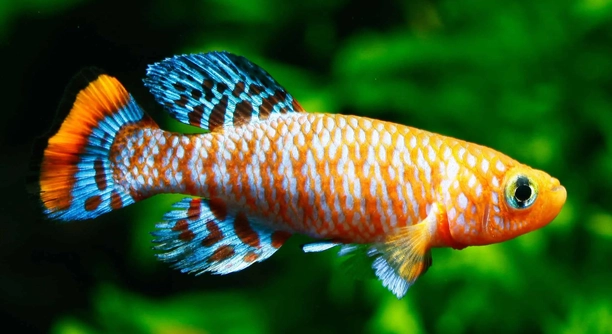
Are your killi fry spending most of their time at the bottom of the tank instead of swimming around? This behavior can be concerning for many fish keepers trying to ensure the health of their young fish. Understanding why this happens is important for their care.
Killi fry often stay at the bottom due to stress, poor water quality, or lack of appropriate food. These conditions can make them feel unsafe or weak, causing them to conserve energy by staying low. Proper tank maintenance and feeding are essential to prevent this behavior.
Learning about these factors will help you create a better environment for your fry to thrive and develop healthy swimming habits over time.
Reasons Killi Fry Stay at the Bottom
Killi fry staying at the bottom often signals some common issues. Stress is a primary reason, often caused by sudden changes in water temperature or poor water quality. If the tank water is not clean or has high ammonia or nitrite levels, fry will avoid swimming freely. Another factor is inadequate food. Young fry need tiny, nutritious meals several times a day to build strength. Without enough food or the right type of food, they may lack the energy to swim actively. Overcrowding can also lead to competition and stress, causing fry to hide or stay low. Ensuring the tank has plenty of hiding spots can reduce anxiety and encourage movement. Proper tank maintenance and feeding routines can improve their behavior and overall health, making the fry more active and comfortable in their environment.
Proper water conditions and gentle handling reduce stress for killi fry, promoting better activity levels and growth.
Maintaining stable water temperature between 74-78°F and using a gentle filter keeps the environment comfortable. Feeding should include finely crushed flakes or live food like infusoria, which provides essential nutrients. Removing uneaten food helps prevent water contamination. A well-planted tank with small hiding places helps fry feel secure and reduces stress. Observing the fry regularly helps catch any health issues early. Changes should be gradual to avoid shock. Patience is key, as fry often need time to adjust and grow stronger. When these conditions are met, fry begin to swim more actively and explore their surroundings, showing signs of healthy development. This care routine is essential to raise strong killi fry that will thrive in their aquatic home.
Improving Fry Activity and Health
Encouraging killi fry to swim away from the bottom requires attention to diet, environment, and water quality.
Providing frequent, small meals with nutrient-rich foods is essential. Live food supports growth better than flakes alone. Consistent water testing and changes prevent toxins. A planted tank with gentle flow mimics their natural habitat, easing stress. Gradual changes and observation help promote healthy, active fry.
Water Quality and Its Impact
Poor water quality quickly affects killi fry health and behavior. Ammonia and nitrite spikes cause stress, making fry stay at the bottom. Regular water testing is necessary to keep these levels safe.
Keeping ammonia and nitrite levels at zero is critical for fry survival. Frequent partial water changes help maintain a clean environment. Using a reliable test kit allows monitoring key parameters. Avoid overfeeding to reduce waste buildup. Proper filtration supports water clarity but should have a gentle flow to prevent fry from being swept away. Maintaining stable pH levels around 6.5 to 7.5 also promotes comfort. Clean, well-oxygenated water reduces stress and encourages activity in fry, helping them develop normally.
Temperature fluctuations can worsen water quality effects. Keeping the tank within a steady range around 75°F avoids additional stress. Aeration helps maintain oxygen levels, which is vital for fry metabolism and swimming activity. Careful observation and maintenance are essential to prevent health problems caused by poor water conditions.
Feeding Strategies for Killi Fry
Feeding killi fry the right foods encourages growth and activity. Small, frequent meals provide consistent nutrition without polluting the tank. Live or freshly prepared foods are best.
Live foods such as infusoria, micro worms, and newly hatched brine shrimp provide essential proteins and fats. These foods stimulate natural hunting behavior, improving fry strength and movement. If live foods are unavailable, finely crushed flakes or powdered fry food can be used as supplements. Avoid large or hard foods that fry cannot digest. Feeding multiple times a day ensures fry get enough energy to swim and grow. Removing uneaten food prevents water contamination, which could stress fry. Maintaining a balanced feeding schedule supports healthy development and reduces bottom-dwelling behavior.
Patience and consistency in feeding help fry adjust to their environment. As they grow, gradually increasing food size and variety prepares them for adult diets. A careful feeding routine combined with proper tank conditions creates the best chance for thriving killi fry.
Tank Setup and Environment
A calm environment helps killi fry feel safe and encourages movement. Avoid strong currents that can tire them out quickly.
Plants and hiding spots are essential. They provide shelter and reduce stress, making fry more active when they feel secure.
Lighting Conditions
Moderate lighting mimics natural conditions and helps regulate fry activity. Too bright lights may cause stress, while too dim lights can reduce visibility for feeding.
Using a timer to maintain consistent day-night cycles supports healthy behavior and growth. Proper lighting also benefits plants, creating a balanced tank ecosystem.
Signs of Illness in Fry
Lethargy, loss of appetite, or unusual swimming patterns often indicate illness in killi fry. Early detection is key to treatment and recovery.
Why are my killi fry staying at the bottom of the tank?
Killi fry often stay at the bottom due to stress from poor water conditions, lack of food, or an unsafe environment. They may feel weak or threatened and conserve energy by staying low. Ensuring clean water, proper feeding, and hiding spots encourages them to swim more actively.
How can I improve the water quality for my killi fry?
Regular testing of ammonia, nitrite, and nitrate levels is essential. Perform frequent partial water changes to keep toxins low. Use a gentle filter and avoid overfeeding to reduce waste buildup. Maintaining a stable pH and temperature also helps create a healthy environment for the fry.
What type of food is best for killi fry?
Live foods like infusoria, micro worms, and baby brine shrimp are ideal because they provide necessary nutrients and encourage natural hunting behavior. If live food is not available, finely crushed flakes or powdered fry food can be used. Feed small amounts multiple times a day.
How often should I feed killi fry?
Feeding small portions three to four times daily is recommended. Fry have tiny stomachs and need frequent nourishment to grow strong. Avoid overfeeding as leftover food can pollute the water and stress the fry.
Can tank setup affect fry behavior?
Yes. A tank with gentle water flow, plenty of plants, and hiding places reduces stress and encourages fry to explore. Strong currents can tire them and cause them to stay at the bottom. A well-planted tank simulates their natural habitat, making them feel safer.
Is lighting important for killi fry?
Moderate lighting is best. Bright light can stress fry, while very dim lighting makes feeding difficult. Using a timer to maintain consistent light and dark cycles supports natural behaviors and helps plants thrive.
What temperature is ideal for killi fry?
Keep the tank temperature steady between 74°F and 78°F. Sudden temperature changes can cause stress and weaken the fry. A stable temperature supports healthy metabolism and active swimming.
How do I know if my fry are sick?
Signs of illness include lethargy, loss of appetite, clamped fins, or erratic swimming. Early treatment is important to prevent deaths. Regular observation helps catch problems before they worsen.
Should I separate fry from adult fish?
Yes, adult fish may eat fry or outcompete them for food. Keeping fry in a separate breeding tank or using a breeder box ensures their safety and improves survival rates.
What causes fry to be weak or inactive?
Weakness can result from poor nutrition, low oxygen, bad water quality, or disease. Correcting these factors by improving diet, aeration, and water conditions helps fry regain strength.
Can overcrowding affect fry behavior?
Overcrowding causes stress, competition for food, and poor water quality. Providing enough space and keeping the fry population manageable promotes healthy growth and activity.
How long do killi fry stay small and bottom-dwelling?
Fry usually start swimming more actively after a few weeks as they grow stronger. Proper care speeds this process. Patience is necessary because development varies depending on conditions.
What is the best way to acclimate new fry to a tank?
Introduce fry slowly to avoid shock. Gradually match water temperature and chemistry before release. Use gentle water flow and plenty of hiding spots to help fry settle comfortably.
Can water changes cause fry to hide or stay low?
Sudden water changes or using untreated tap water can stress fry, causing them to stay at the bottom. Always use conditioned water and make changes gradually to avoid shocking them.
Are there signs fry are ready to eat adult food?
When fry are about one inch long and actively swimming, you can begin to introduce finely crushed adult fish flakes. Continue offering live or specialized fry foods until they fully adapt.
What should I do if fry continue to stay at the bottom despite care?
Review all tank parameters carefully: water quality, feeding routine, temperature, and tank setup. Sometimes hidden illness or poor conditions cause persistent bottom-dwelling. Consulting an experienced aquarist or vet may help identify less obvious issues.
The behavior of killi fry staying at the bottom of the tank can be a sign of several underlying issues. It often points to stress, poor water quality, or improper feeding. Understanding these factors helps in providing better care for the fry. Addressing water conditions, feeding routines, and tank setup are key steps to encourage healthier and more active fry. Proper attention to these areas can improve their overall well-being and growth.
Water quality is one of the most important factors in keeping killi fry healthy. Ammonia and nitrite levels should always be kept low through regular water testing and changes. A gentle filtration system and stable temperature also support a safe environment. Overfeeding and uneaten food can quickly pollute the water, causing stress and illness. Therefore, feeding small amounts more often is recommended. Plants and hiding spots reduce stress and provide security, which helps fry feel comfortable and more willing to swim.
Patience is important when caring for killi fry. These tiny fish need time to adjust to their surroundings and grow stronger. Following a consistent routine of feeding, tank maintenance, and gentle handling creates the best chance for success. Observing the fry regularly helps catch early signs of problems and allows quick action. With proper care and attention, killi fry will become more active and develop into healthy adult fish. This steady progress shows that good husbandry makes a difference in their life.

Hello,
If you enjoy the content that we create, please consider saying a "Thank You!" by leaving a tip.
Every little bit helps us continue crafting quality advice that supports the health, happiness, and well-being of pets around the world, for pets of all shapes, sizes, and species.
We really appreciate the kindness and support that you show us!