
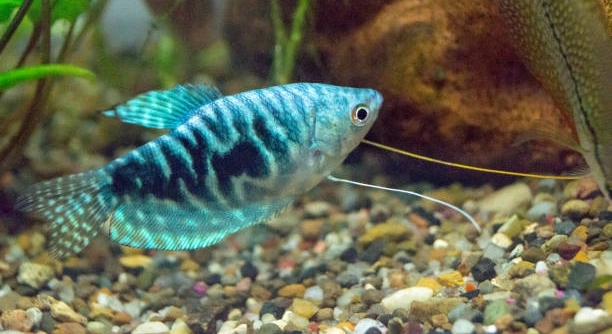
Have you ever gently run your finger along the glass of your fish tank, only to notice your gourami suddenly stop following it?
Gourami often stop following fingers due to stress, boredom, or changes in their environment. Factors like water quality, tank mates, or even lighting can affect their behavior, causing them to lose interest in following movement.
These changes in behavior might seem small, but they can tell you a lot about what your gourami is experiencing in its tank.
Common Reasons Your Gourami Stops Following Fingers
Gourami are known for their curious and social nature, often reacting to movement outside the tank. When they suddenly stop following your finger, it’s usually a sign that something has changed. Stress from loud noises, tank rearrangement, or new fish can cause them to withdraw. Water quality plays a big role too—high ammonia or nitrate levels can affect their mood and activity. Sometimes, they’re simply overstimulated or bored, especially if finger-following becomes routine. Lighting changes or even reflections on the glass might distract or confuse them. It’s also worth checking if they’re feeling unwell, as sickness can lead to reduced interest in interaction. Gourami are sensitive fish, and even subtle shifts in their environment can make a big difference in how they behave. Observing them closely and making small adjustments can often help bring back their usual playfulness and curiosity.
A calm and consistent environment encourages natural behavior. Sudden changes can lead to more withdrawn or inactive responses.
Some gourami become used to seeing fingers and lose interest over time. Introducing new objects or patterns can help re-engage them and provide mental stimulation. Small changes like rearranging decorations or varying feeding spots can make a difference.
How to Encourage More Interaction
Creating a safe, stimulating tank setup helps gourami feel more comfortable interacting with you. Keep the tank away from loud areas and avoid frequent changes in their surroundings.
If you want your gourami to follow your finger again, start by checking water conditions. Use a reliable test kit to monitor pH, ammonia, nitrate, and nitrite levels. Keeping the water clean and stable supports their health and mood. Add gentle tank decorations like live plants or floating cover to help them feel secure. Try slowly moving your finger in new directions, and keep sessions short to avoid stress. Feeding them near the spot where your finger moves may help create positive associations. If you’ve recently changed the lighting or added a new tank mate, give them a few days to adjust. Each gourami is a little different, so it helps to stay patient and observant. Sometimes, they just need time to get comfortable again before showing interest in your movements.
Signs Your Gourami Might Be Stressed
Stress can show up in different ways. If your gourami hides more, refuses food, or swims erratically, these could be signs something’s wrong. Watch for fading colors or sudden changes in behavior, as these usually mean they aren’t feeling secure in their environment.
Gourami often show stress by avoiding areas they usually enjoy. If they stop swimming near the front of the tank or seem afraid of movement outside the glass, this could mean they’re overwhelmed. They might also hover near the bottom or stay in one spot for long periods. Other signs include flaring gills, twitching fins, or sudden darting. These changes don’t always mean something serious, but they shouldn’t be ignored either. Stress can come from noise, temperature shifts, or even poor tank lighting. Identifying these stressors early can help prevent health issues and restore your fish’s normal, curious behavior.
Overcrowding can also lead to stress. If your gourami is in a tank with too many fish or aggressive tank mates, it may stop reacting to outside movement and stay hidden. They like having space and quiet spots to retreat to. Rearranging the tank to include more plants or hiding areas can help them feel safer. Also, make sure tank mates are compatible in both size and temperament. Even peaceful fish can cause stress if they swim too fast or occupy the same zones. Feeding time is another moment to watch—if your gourami seems nervous or hesitant while eating, that may be a sign of ongoing tension. Addressing these issues makes it easier for your fish to feel secure enough to interact again.
Environmental Factors That Influence Behavior
Gourami respond strongly to changes in water quality, temperature, and light. Even small shifts can affect how active or social they are. Stable conditions, gentle lighting, and proper tank setup help keep their behavior more consistent and natural.
Water quality plays one of the biggest roles in their daily activity. Ammonia or nitrite spikes can quickly impact health and mood. Frequent testing and weekly water changes help prevent that. Temperature swings are another issue. Gourami prefer stable warmth—between 76°F and 80°F. Sudden drops or overheating can cause sluggishness or hiding. Lights that are too bright or harsh may also make them feel exposed, especially if the tank lacks shaded areas. Try adding floating plants or dimming the lights during quiet hours. Noise around the tank, like loud music or frequent tapping, can also startle them and reduce their willingness to interact. Keeping a peaceful environment supports a relaxed, interactive fish.
Habituation and Boredom
Gourami can lose interest in repeated movements. If you move your finger along the glass the same way every day, they may simply stop paying attention. Like many animals, they can get used to routines and stop reacting to them over time.
Introducing new interactions can help. Try switching up the movement pattern, timing, or even using small objects outside the tank. Variety stimulates their natural curiosity and helps prevent boredom. A mix of calm moments and short interactive sessions keeps their behavior more lively and responsive.
When to Be Concerned About Health
If your gourami stops responding to movement and also shows physical changes like clamped fins, swollen belly, or cloudy eyes, health could be the issue. Loss of appetite or labored breathing are also signs to watch. These symptoms may point to infections, parasites, or internal problems. It’s best to isolate the fish if you see anything unusual and consult a vet or knowledgeable aquarium store. Keeping your tank clean, avoiding overfeeding, and quarantining new fish are good ways to reduce risk. Staying alert to these changes helps catch health problems before they get worse or spread to other fish.
Small Changes Can Help
Even simple steps like adjusting lighting, rearranging tank plants, or reducing outside noise can encourage more activity. These little changes can refresh their space and improve your gourami’s mood and interaction.
FAQ
Why did my gourami suddenly stop following my finger after doing it for weeks?
This usually means something in their environment changed. It could be the water quality, temperature, or lighting. Sometimes, it’s just boredom from doing the same thing too often. If your fish seems healthy otherwise, try switching things up—change the way you move your finger or add a few new tank decorations. This can help re-engage their attention and bring back that curious behavior.
Is it normal for gourami to lose interest in outside movement?
Yes, it’s pretty common. Gourami are smart and observant, but they can get used to patterns. If they see the same hand movement every day, they may just stop caring. This doesn’t always mean something is wrong—it might just mean they need some variety in their day. Offering small changes to their routine often brings their interest back.
Can water quality really change how my gourami reacts?
Absolutely. Poor water quality can cause stress, discomfort, or even illness, which directly affects behavior. High ammonia, nitrites, or low oxygen levels can make them less active and less responsive. Regular water testing and maintenance are important. Even small improvements in tank conditions can lead to noticeable changes in how your fish behaves.
How do I know if my gourami is sick or just bored?
Look at the full picture. If your gourami still eats well, swims normally, and shows no visible signs of illness (like spots, swelling, or gasping), they’re likely just bored or overstimulated. But if you see clamped fins, unusual swimming, or physical symptoms, it’s time to take a closer look and possibly isolate the fish for treatment or observation.
Do tank mates affect gourami behavior?
Yes, they do. Aggressive or fast-moving tank mates can intimidate gourami and make them more cautious. Even if the other fish aren’t attacking, they might compete for space or food, which leads to stress. Gourami prefer peaceful companions that don’t chase or crowd them. If your gourami is hiding a lot or staying still, check who they’re sharing the tank with.
Can loud noises make gourami act differently?
They can. Gourami are sensitive to vibrations and sound. If the tank is near a TV, speaker, or high-traffic area, it might cause stress. This can lead to hiding, skittish swimming, or ignoring interaction altogether. Placing the tank in a quieter spot often helps reduce these issues and encourages more normal behavior.
How long does it take for a gourami to go back to normal behavior?
That depends on the cause. If it’s just boredom or a minor change, you might see improvement in a day or two. If it’s stress from water quality or tank mates, it could take longer—sometimes several days or even a couple of weeks. Consistency in care and a calm environment are key to helping them feel safe again.
What are some enrichment ideas for gourami?
Try rearranging decorations, adding floating plants, or placing a mirror outside the tank for a short time. You can also change feeding spots or introduce toys like ping pong balls that float. Just be sure everything is fish-safe and doesn’t cause added stress. Little changes like these can make their space more engaging.
Can lighting affect how my gourami reacts to my finger?
Yes, lighting makes a big difference. Bright lights can make them feel exposed, especially if there aren’t enough hiding spots. If you’ve changed your tank light recently or moved the tank, this might explain why your gourami seems less interactive. Soft lighting with plants or decor to block glare works best.
Why does my gourami only follow my finger sometimes?
Gourami have moods just like any pet. Some days they’re more curious, other days they want to stay still. They might be full, resting, or adjusting to something in the tank. Occasional disinterest is normal. If they seem healthy and active otherwise, it’s usually nothing to worry about.
Final Thoughts
Gourami are sensitive fish that react to many changes in their surroundings. If they stop following your finger, it doesn’t always mean something is seriously wrong. Most of the time, it’s caused by simple things like boredom, stress, or small shifts in their environment. These changes can include new lighting, tank rearrangements, or noisy areas near the tank. Sometimes, it’s just that the same movement over and over no longer catches their attention. Just like people, gourami have habits, preferences, and moods. Paying attention to those patterns can help you understand what might be causing the behavior shift.
It’s helpful to look at other signs to figure out what’s really going on. If your gourami is eating, swimming well, and looks healthy, then boredom or overstimulation is likely the reason. In that case, adding new decorations, changing your hand movement, or adjusting tank lighting may help bring their interest back. If you notice more serious changes—like gasping, clamped fins, or hiding all day—then stress or sickness could be the cause. Keeping a close eye on water quality and tank mates is important. Regular checks and gentle adjustments to their environment can make a big difference in how they respond and behave.
Being consistent with care is one of the best things you can do. Clean water, good food, and a calm tank space give your gourami what they need to stay healthy and happy. When they feel secure, they’re more likely to show their curious and playful side again. Every gourami is a little different, so what works for one may not work for another right away. Don’t be discouraged if the behavior doesn’t change overnight. Patience and small efforts often lead to positive results over time. Watching how your gourami reacts to changes can help you better support them and build a stronger bond.

Hello,
If you enjoy the content that we create, please consider saying a "Thank You!" by leaving a tip.
Every little bit helps us continue crafting quality advice that supports the health, happiness, and well-being of pets around the world, for pets of all shapes, sizes, and species.
We really appreciate the kindness and support that you show us!