
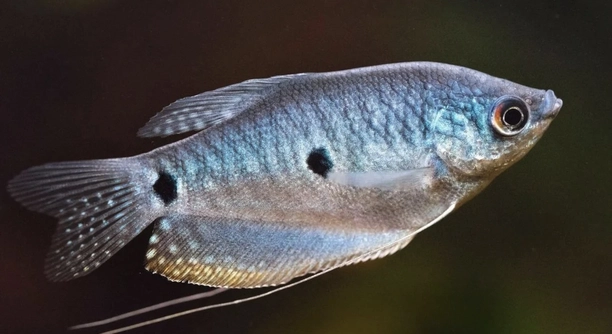
Do you ever find yourself confused by sudden changes in your gourami’s behavior, especially when they start acting more aggressive than usual?
Unexpected gourami aggression is often triggered by environmental stress, territorial disputes, overcrowding, poor water conditions, hormonal changes, incompatible tank mates, or a lack of hiding spaces. Recognizing these triggers is key to managing their behavior.
Even small changes in their surroundings can lead to tension. Knowing the common causes can help you create a peaceful and balanced aquarium environment.
Overcrowding Can Create Tension
When gouramis are kept in a tank with too many fish, they may feel threatened or stressed. They need space to swim freely and establish their own territory. Overcrowding leads to constant competition for food, space, and hiding spots. This constant pressure can cause them to become more aggressive. Even peaceful gouramis can lash out if they feel overwhelmed or trapped. A crowded tank also makes it harder for them to escape from dominant or aggressive fish, which can increase the chances of fighting. Keeping too many fish in a small space can also affect the quality of the water, which adds another layer of stress. If the tank feels too busy, even the most easygoing fish may start to act differently. A spacious tank helps lower stress and supports healthy behavior.
A good rule is to give each gourami enough room and provide hiding places to reduce confrontation.
Try keeping only a few fish in a well-planted tank with plenty of open swimming areas. This helps reduce tension between them and gives each one the space they need. A larger tank not only eases aggression but also improves the overall health of your fish. Make sure the tank setup supports calm behavior and avoids unnecessary stress.
Poor Water Quality Causes Stress
Gouramis react strongly to changes in water conditions, especially when levels become unsafe or inconsistent.
Water quality plays a big role in how your gourami behaves. If the tank is not properly maintained, toxins like ammonia or nitrite can build up. These chemicals irritate their gills and skin, making the fish uncomfortable and more prone to aggression. Sudden changes in temperature or pH can also lead to stress, which may cause them to lash out. Dirty water can reduce oxygen levels, forcing fish to compete harder to breathe. It’s also harder for them to rest or feel secure in these conditions. Regular water changes, proper filtration, and consistent testing are essential for keeping things stable. Use a test kit to check for harmful substances. Don’t wait until the fish start acting out—good water care helps prevent problems before they begin. Keeping your gouramis in a clean, well-balanced tank makes them feel safe and less defensive.
Hormonal Changes Can Influence Behavior
Hormonal shifts, especially during mating periods, can lead to sudden aggression. Male gouramis often become territorial and defensive as they try to attract a mate or guard nesting areas.
During breeding times, male gouramis experience changes that make them more protective and short-tempered. They may chase away other tank mates or guard certain areas of the tank. This behavior is usually temporary but can be intense. You might also see them flaring their fins or picking fights with other males. If there isn’t enough space or hiding spots, tensions can rise quickly. Breeding season can turn a calm tank into a chaotic one if you’re not prepared. Watching for early signs and adjusting the tank setup can help reduce the stress for all fish involved.
Adding extra plants or decorations can create boundaries that help reduce conflict. Separating aggressive males or providing more space may ease tension. Avoid placing too many males together during this period. Providing a calm, stable environment helps reduce the need for dominance displays. Balanced lighting and steady temperatures can also help limit hormonal surges. If needed, move the aggressive fish to a breeding or isolation tank until the behavior levels out. Keeping the tank calm helps everyone feel safer.
Incompatible Tank Mates Increase Aggression
Some fish just don’t get along with gouramis. Fin nippers or highly active species can make gouramis nervous and defensive, especially in smaller tanks.
Gouramis usually prefer calm tank mates. Fast-moving or aggressive fish, like tiger barbs or certain cichlids, can stress them out. When surrounded by incompatible species, gouramis may lash out to defend their space. This constant pressure can lead to persistent aggression. It’s best to match gouramis with slow, peaceful fish that won’t invade their space. Tank mates that pick at their long fins can also trigger defensive responses. Gouramis don’t like being chased or crowded, especially in smaller tanks with limited swimming areas. By choosing tank mates wisely, you reduce the chances of conflict. Avoid adding fish that are known to be dominant or nippy. Always observe new fish introductions closely and be ready to separate them if issues start. Careful planning makes for a more peaceful aquarium.
Lack of Hiding Spaces Adds Pressure
When gouramis don’t have enough hiding spots, they can feel exposed and stressed. This makes them more likely to act out aggressively toward other fish in the tank, especially if they feel cornered or threatened.
Simple additions like plants, rocks, or decorations can help reduce that stress. These give each fish its own space to retreat when feeling overwhelmed. This small change can make a big difference in how your gouramis behave day to day.
Changes in Tank Layout Can Upset Balance
Sudden changes in the tank’s layout can confuse gouramis and make them more aggressive. Moving decorations, plants, or hiding spots disrupts established territories and causes fish to reestablish their dominance. This often leads to short-term fights or displays of aggression as they adjust. If changes are needed, try doing them slowly and in stages. This helps the gouramis adapt without feeling too overwhelmed. Avoid moving everything at once. Keep favorite hiding places intact when possible. Even small layout shifts can feel like a major change in their environment. Stability and consistency help keep their behavior calm and predictable.
Feeding Time Can Trigger Aggression
Gouramis can become pushy or aggressive during feeding time, especially if food is limited or scattered unevenly. Spacing out food and feeding in multiple spots helps prevent this behavior.
FAQ
Why is my peaceful gourami suddenly chasing other fish?
A gourami that was once calm may begin chasing others due to stress, territory changes, or hormonal shifts. This behavior often appears after a new fish is added, the tank layout is changed, or water conditions become unstable. Chasing can be a way to defend territory or establish dominance. Even a previously quiet fish can show this side if it feels cornered or if breeding season is near. Watching for changes in behavior early helps you fix things before they become a problem. Make sure the tank is calm, clean, and not overcrowded.
Can two male gouramis live in the same tank?
Two male gouramis can live together, but only under certain conditions. The tank needs to be large enough with plenty of hiding spots and clear territories. If space is limited, they are more likely to fight. Some types, like dwarf gouramis, may tolerate each other more than others, but it still depends on the individual fish. Aggression often increases during breeding periods or if one male feels dominant. If you try keeping two males, monitor them closely at first. Be ready to separate them if aggression doesn’t ease with time or if one starts hiding constantly.
Do female gouramis also show aggression?
Yes, female gouramis can show aggression too, but usually less often than males. Their behavior may change if they feel stressed, overcrowded, or harassed by other fish. During breeding time, some females may defend space or lash out briefly. However, they are typically more relaxed in peaceful tank environments. Pairing a single female with multiple males can increase stress, so balance the number of males and females carefully. Give females plenty of hiding places to retreat if they feel threatened. This helps keep things calm and prevents unnecessary conflict in the tank.
Is aggression always a bad sign?
Not always. A little aggression is normal, especially when fish are sorting out their roles or establishing space. It becomes a concern when it turns into repeated chasing, biting, or fin damage. Some short-term aggression happens during feeding or after rearranging the tank. If it continues for more than a few days or causes injury, you’ll want to take action. Watching how often the aggressive behavior occurs and who it’s directed toward helps you decide if it’s serious. A stable, calm tank usually prevents ongoing problems.
How do I calm an aggressive gourami?
Start by checking tank size, water quality, and hiding spaces. Make sure the gourami has enough room and isn’t being crowded by other fish. If there’s a recent change in the tank, try reversing it or giving the fish time to adjust. Add more plants, caves, or decorations to reduce visibility and allow fish to spread out. Feed in different spots to avoid competition. If aggression continues, try separating the aggressive gourami for a few days in a different tank. This break can lower stress and reset behavior when it’s added back in.
Should I remove an aggressive gourami from the tank?
Only remove the gourami if nothing else works. Sometimes aggression is temporary and caused by small, fixable issues. Try adjusting tank conditions, adding hiding spots, or improving water quality first. If the fish continues to attack others and causes injury, removal might be the safest option. You can try putting the gourami in a separate tank or rehoming it. Keep in mind that removing a fish can also change the group dynamic, so monitor the rest of the tank afterward. Always try small changes before taking the fish out completely.
Can feeding behavior affect how aggressive my gourami becomes?
Yes, it can. When food is limited or only placed in one area, fish may compete more aggressively. Gouramis can become pushy if they feel like they won’t get enough to eat. Try feeding in different parts of the tank at once or spreading food more evenly. Offering a variety of foods in small amounts throughout the day may also help. Avoid overfeeding, but make sure everyone has access to food. Feeding strategies can make a big difference in tank harmony, especially if you have multiple semi-aggressive fish.
Are certain gourami types more aggressive than others?
Yes, some types are naturally more assertive. For example, three-spot (or blue) gouramis and gold gouramis are often more territorial than dwarf gouramis or pearl gouramis. However, even peaceful species can act out in the wrong conditions. It’s more about the environment, tank mates, and tank size than the species alone. Still, knowing the temperament of the type you have helps you plan better. Always research before mixing different species. It’s easier to manage aggression when you understand what to expect from each kind.
Final Thoughts
Gourami aggression can feel frustrating, especially when it seems to come out of nowhere. But in most cases, there’s a clear reason behind the change in behavior. Factors like overcrowding, poor water quality, or the wrong tank mates can stress your gourami and lead to aggression. Even something as small as moving a decoration or changing how food is given can cause them to act differently. Understanding their behavior helps you respond calmly and make the right changes to improve their environment.
Every gourami is different. Some may stay peaceful most of the time, while others might become territorial during certain periods. Paying attention to how your gourami acts and reacts over time can give you clues about what they need. It’s helpful to make changes slowly, whether it’s adjusting the tank layout or trying new tank mates. Keeping the water clean, providing hiding spaces, and avoiding sudden changes can make a big difference in how your gouramis behave.
Taking the time to create a peaceful tank will help your gouramis stay healthy and calm. When fish feel safe, they act more relaxed and show their natural colors and behavior. Aggression doesn’t always mean something is wrong, but it should never be ignored. Regular checks, gentle handling of tank changes, and keeping things balanced will go a long way in preventing stress-related behavior. With a little effort, you can give your gouramis a better home and enjoy watching them thrive.

Hello,
If you enjoy the content that we create, please consider saying a "Thank You!" by leaving a tip.
Every little bit helps us continue crafting quality advice that supports the health, happiness, and well-being of pets around the world, for pets of all shapes, sizes, and species.
We really appreciate the kindness and support that you show us!