
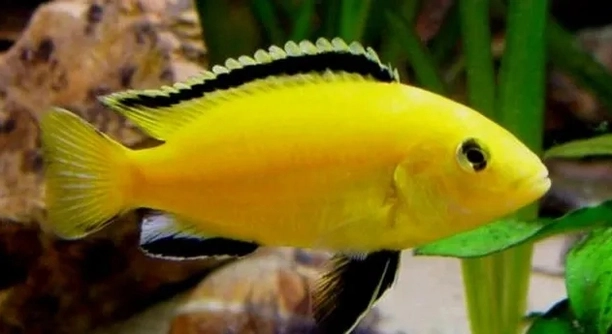
Have you ever watched your cichlids fanning gravel with their fins during quiet moments in the tank, creating small shifting mounds that seem both purposeful and soothing to observe in your aquarium at any time.
Cichlids fan gravel with their fins to prepare nesting areas, improve water movement, and protect eggs. This behavior reflects reproductive instincts, territorial structure, and substrate management, ensuring conditions that support successful breeding, environmental balance, and overall stability in their habitat.
Understanding why cichlids fan gravel guides better care and supports a calmer tank environment that keeps your fish thriving daily.
Understanding Natural Instincts
Many cichlid behaviors come from instincts that help them manage their surroundings, and gravel fanning is one of the clearest examples of this natural pattern. When they move small stones with steady fin motions, they create a space that feels safe and controlled, giving them a sense of stability in the tank. This action also helps them shape the substrate in ways that support their breeding needs and social structure. I often find that watching this process highlights how much these fish rely on simple routines that support their comfort. By understanding this, it becomes easier to keep their habitat balanced and predictable, which is something cichlids appreciate. Their movements may look basic at first, but every shift of gravel serves a purpose tied to their instincts. Keeping this behavior in mind allows you to support their needs in a calm and steady way that encourages healthier tank conditions overall.
Gravel fanning also improves water flow around important areas in the tank, keeping debris from settling where it can cause stress. This simple action supports cleaner conditions naturally and helps maintain a space that feels stable. It is a small behavior that brings steady benefits to your cichlids each day.
Creating a well arranged substrate helps cichlids follow their natural roles in the tank, especially when breeding activity begins. By shaping small pits and openings, they set clear boundaries that reduce tension between fish. I like how this behavior makes the tank feel organized without much work from you. It reflects how strongly they depend on simple patterns that give them comfort. Supporting this behavior means keeping the substrate clean and easy to move. When the gravel is manageable, cichlids respond with calm routines that keep the tank atmosphere steady and predictable, which is something many aquarists appreciate at home.
How This Behavior Supports Breeding
Gravel fanning plays a direct role in preparing safe nesting sites that suit the needs of breeding cichlids. Their movements create a clean base where eggs can rest securely. This keeps the area free of loose debris and helps protect developing eggs while encouraging calmer interactions between paired fish today.
Breeding behavior in cichlids depends heavily on preparation, and gravel fanning is one of the first signs that a pair is forming a stable nesting area. When they move gravel with steady motions, they clear away particles that might interfere with egg placement. This creates a smooth surface that supports the eggs and keeps them visible and easy for the parents to guard. I have always found that this action shows how dedicated cichlids are to creating safe conditions for their young. By maintaining a clean and open space, they reduce risks that come from trapped debris, small pests, or unstable substrate. The process also allows them to strengthen their bond as they work together on the same area. When the environment supports this behavior, breeding becomes calmer and more predictable, which leads to better outcomes for both adults and fry. Ensuring the substrate is easy to move, evenly spread, and free from sharp pieces helps this natural action run smoothly. When the fish can shape their space without difficulty, they display more stable patterns that make the tank feel peaceful. This simple behavior highlights their ability to adapt their surroundings in ways that protect their future young and growth.
Maintaining Territory and Structure
Cichlids use gravel fanning to reinforce their boundaries, keeping other fish at a comfortable distance. This steady movement helps them shape areas they consider their own, reducing stress in the tank. I find that this behavior keeps interactions calmer and prevents unnecessary tension among active fish.
Gravel fanning also helps maintain a clear layout within the tank, giving each fish a sense of order. When cichlids shape small pits or adjust the substrate, they create familiar spaces that help them feel secure. This predictable structure reduces stress and keeps them comfortable. I have noticed that when these spaces remain stable, aggressive behavior decreases. It also makes tank maintenance easier because the fish move debris away from their selected spots. Supporting this involves keeping the substrate easy to shift and free from heavy buildup. When the gravel stays clean, cichlids respond with calmer movements that keep their territories neatly arranged.
This behavior also supports the hierarchy within the tank, giving dominant fish a way to maintain their position without constant conflict. By shaping the substrate, they express control in a subtle way that other fish respect. I appreciate how this reduces chasing and nipping, making the tank feel steadier. It prevents unnecessary competition and keeps the environment peaceful. When the substrate is evenly spread and comfortable to adjust, these patterns become more consistent. This leads to clearer boundaries that offer predictability for all fish. Maintaining a balanced layout encourages smoother interactions and lowers the chance of stress based problems in the group.
Keeping the Tank Environment Stable
Gravel fanning helps cichlids manage small waste particles that settle on the bottom, keeping important areas cleaner. This gentle movement lifts debris into the water so the filter can remove it more easily. It supports a cleaner environment and reduces stress that comes from buildup in the substrate.
This behavior also improves oxygen flow around the lower parts of the tank, especially near nesting sites and resting areas. When cichlids move gravel, they allow fresh water to circulate through small gaps, preventing stale pockets from forming. I find this supports healthier conditions and keeps your tank more stable. Better circulation encourages beneficial bacteria to work effectively, helping the tank stay balanced. Supporting this involves keeping the gravel at a manageable depth. When it is too deep, water flow becomes restricted. A moderate layer allows cichlids to shift the substrate comfortably, promoting cleaner conditions naturally. This simple action plays a meaningful role in overall tank health and long term stability.
Supporting Social Behavior
Gravel fanning helps cichlids communicate without direct conflict, giving them a calmer way to show intention. This small action signals boundaries or interest in certain areas. I notice that when this behavior is consistent, the tank atmosphere stays more predictable and steady for everyone.
It also helps create clear spaces that reduce misunderstandings among tank mates. When cichlids shape the substrate, other fish quickly recognize the signals. This lowers tension and keeps interactions smooth. I appreciate how such a simple action can guide the social balance in a busy aquarium.
Encouraging Healthy Activity
Gravel fanning keeps cichlids physically active in a gentle and steady way, supporting their natural routines. This movement helps them stay engaged with their surroundings and prevents boredom. I find this leads to calmer behavior and healthier patterns throughout the day, especially in tanks with active species.
Reducing Stress Responses
This behavior provides a soothing routine that helps cichlids feel grounded. By shaping their immediate space, they regain a sense of control. I have seen this reduce tension in tanks, especially during breeding periods or when new fish are introduced.
FAQ
Why do cichlids fan gravel constantly?
Cichlids fan gravel as part of their natural behavior to manage territory, prepare nesting areas, and maintain a stable environment. I’ve noticed that constant fanning isn’t a sign of stress but a routine that helps them feel secure. It also prevents debris from settling, keeping the tank cleaner naturally.
Is gravel fanning harmful to my tank setup?
Not at all. Gravel fanning is generally harmless when the substrate is safe and free of sharp edges. I make sure the gravel is smooth and appropriately sized, so fish can shift it without injuring themselves. This behavior actually helps keep the tank more organized over time.
Do cichlids fan gravel only when breeding?
No, they fan gravel at other times too. While breeding increases the intensity, I’ve observed cichlids fanning gravel when organizing their space or signaling territory. It’s part of their routine, helping them stay comfortable and engaged even outside of breeding periods.
Can gravel fanning stress other fish?
It can, in some crowded tanks, if the movement disturbs timid species. I usually provide enough space and hiding spots, which allows cichlids to maintain their routine without creating tension among tank mates. Proper tank layout minimizes any potential stress.
Should I interfere with gravel fanning?
It’s best to let them do it naturally. I occasionally adjust the gravel for maintenance, but constant interference can disrupt their sense of territory. Observing their patterns helps me understand their preferences, which is more effective than trying to stop the behavior.
Does gravel fanning affect water quality?
Yes, indirectly. By moving the gravel, cichlids help lift debris into the water column, which the filter can then remove. I’ve seen tanks with active fanners stay cleaner longer because the substrate doesn’t trap leftover food or waste as much.
Is this behavior common in all cichlid species?
Most species exhibit it to some degree, though patterns and intensity vary. I’ve kept both African and South American cichlids, and while the frequency differs, gravel fanning is a common trait that reflects their instinctive need to manage their environment.
How can I make gravel fanning safer?
Choose smooth, rounded gravel and avoid sharp or oversized pieces. I also keep the layer moderate in depth, so fish can shift it easily without struggling. Providing flat stones or gentle slopes gives them options and reduces the chance of accidents while fanning.
Does gravel fanning indicate a healthy fish?
Yes. Regular fanning usually shows that cichlids are active, engaged, and following natural behaviors. I notice that fish that fan gravel consistently are often in good health and show fewer signs of stress, especially compared with those in poorly arranged or overcrowded tanks.
Can I use this behavior to rearrange the tank naturally?
Absolutely. I’ve used gravel fanning to observe preferred layouts and natural pits. Watching where fish repeatedly fan helps me arrange decorations and plants in a way that supports their comfort while keeping the tank organized with minimal interference.
Will gravel fanning stop if I introduce new fish?
It might pause temporarily. I’ve seen cichlids reduce fanning when a new fish enters the tank, as they adjust to new social dynamics. Once they feel secure again, they return to their routine, and maintaining clear territories helps speed this process.
Does tank size affect gravel fanning?
Yes. Larger tanks give cichlids more space to express natural behavior without disturbing others. I prefer tanks where each fish can maintain its area, as crowded conditions often reduce fanning or cause aggressive interactions, which can be stressful for everyone.
Can decorations impact gravel fanning?
They can. Rocks, caves, and plants influence where and how they fan gravel. I’ve noticed fish often fan around flat areas or open spaces, while dense decorations may limit movement. Arranging decorations to leave open substrate areas encourages natural fanning while still providing hiding spots.
Is gravel fanning linked to feeding habits?
Indirectly. Fanning can move uneaten food and reveal small particles. I sometimes see my cichlids inspecting stirred areas for leftover flakes or pellets. This behavior also keeps substrate areas clean and prevents food buildup, which benefits both water quality and the fish’s routine.
How do I know if gravel fanning is excessive?
If the fish appear restless or aggressive, it might indicate overcrowding or stress. I monitor their movements carefully and make small adjustments to tank layout, substrate, or population density. Usually, consistent but calm fanning is normal and healthy.
Can fanning be trained or guided?
Not exactly. It’s instinctive, but providing safe substrate and open spaces encourages natural patterns. I’ve noticed that when tanks are set up thoughtfully, cichlids fan gravel in ways that align with their instincts and tank maintenance needs without any interference.
What role does fanning play in egg protection?
Fanning keeps eggs clean and aerated by moving small particles and circulating water around them. I’ve observed parents fanning carefully over their nests, which ensures better survival rates and demonstrates how this simple action directly supports reproduction.
Does gravel type change fanning behavior?
Yes. Softer, smaller, and smooth gravel makes fanning easier. I avoid rough or heavy substrate because it can hinder movement or damage fins. Choosing the right type encourages natural behavior and keeps the fish active and stress-free.
Can gravel fanning be a sign of aggression?
It can be territorial, but usually it’s subtle and not harmful. I’ve found that dominant fish use fanning to establish space without direct attacks. Observing patterns helps me distinguish between normal fanning and aggressive behavior that may need intervention.
How often should I observe this behavior?
Regular observation helps me understand routines and identify stress or illness. I check daily for patterns in fanning, especially during feeding and breeding periods, to ensure the tank remains balanced and that each fish is active and healthy.
Does lighting affect gravel fanning?
Indirectly. Fish are more active under stable lighting that mimics natural day-night cycles. I keep consistent light periods, which helps fanning remain regular and predictable, supporting natural routines without over-stimulating the tank.
What adjustments help shy fish fanning less?
Providing hiding spots and gentle water flow encourages timid fish to fan gravel safely. I make sure open areas exist near shelters so they can maintain routines without feeling exposed, which balances activity and reduces stress across the tank.
Is gravel fanning more common in single-species tanks?
Yes, there is often less disruption. I’ve observed that single-species setups allow cichlids to express fanning more freely, while mixed tanks may require extra space to reduce conflicts. Space and substrate arrangement make a significant difference in natural expression of this behavior.
Can gravel fanning affect plant placement?
Yes. Active fanning can disturb roots and shift substrate around plants. I plant in heavier substrate or use root-safe arrangements, so my cichlids can fan without uprooting greenery. This supports both natural behavior and plant stability in the tank.
Does fanning increase during water changes?
Sometimes. I notice temporary spikes as fish adjust and explore the freshly moved substrate. It’s normal, and they usually return to their usual pattern once the environment stabilizes. Observing these responses helps me understand how changes impact their routines.
How does fanning influence overall tank maintenance?
It naturally redistributes debris and keeps substrate cleaner, reducing the frequency of deep cleaning. I’ve found that tanks with active fanning often require less frequent vacuuming, as the fish help maintain substrate balance while performing instinctive behavior.
Can I predict breeding success from fanning behavior?
Frequent and focused fanning often indicates readiness for spawning. I watch carefully for consistent patterns in prepared areas, as it usually signals active nest preparation and higher chances of successful breeding. Supporting these patterns improves outcomes naturally without intervention.
Does age affect gravel fanning?
Younger cichlids may fan less vigorously, while adults show more structured behavior. I’ve noticed that older fish tend to maintain territories and nesting areas with more precise gravel movement, reflecting experience and established social roles in the tank.
What other behaviors accompany gravel fanning?
Fanning often pairs with digging pits, arranging rocks, and defending spaces. I notice it occurs alongside other subtle signs, like tail flicks or gentle nudges, which indicate both social positioning and instinctive care of the environment.
How do I know if fanning is normal or stress-related?
Calm, steady fanning is normal. Rapid, frantic, or repeated movements paired with hiding or aggression may indicate stress. I assess water quality, population, and tank layout to ensure that the behavior reflects comfort rather than environmental pressure.
Does fanning impact filter performance?
It can slightly increase debris in the water column, which helps the filter trap particles efficiently. I’ve found that moderate fanning supports cleaner water without overloading filtration, as long as the filter is sized appropriately for tank volume.
Can fanning help prevent algae buildup?
Indirectly. By moving substrate and stirring water, fanning reduces areas where organic matter accumulates, which can limit nutrient hotspots that algae use. I’ve noticed that tanks with active fanning often have fewer concentrated algae patches compared with stagnant substrates.
Does tank decoration height matter for fanning?
Yes. Lower or flat open areas encourage more frequent fanning, while tall, dense decorations can restrict movement. I place ornaments strategically to provide both open substrate and visual interest, supporting natural patterns without obstructing activity.
What signs indicate a fish is not fanning enough?
Reduced movement, inactivity, or ignoring substrate may suggest stress, illness, or overcrowding. I monitor these patterns and adjust conditions, such as providing space, shelter, or substrate that allows natural behavior to resume.
Can multiple fish fan the same area?
Yes, but usually with gentle coordination. I observe that dominant fish guide territory use, while others respect boundaries. This balance maintains calm interactions and prevents conflicts, showing how social structure influences this instinctive behavior.
Does feeding schedule affect fanning?
Indirectly. Regular feeding maintains predictable routines, so fish are active and motivated to manage substrate naturally. I notice that irregular feeding can reduce activity, while consistent schedules keep fanning steady and reliable.
Are there tools to help manage fanning behavior?
Providing substrate that is safe and movable is enough. I also use flat stones or gentle slopes to guide natural movement without forcing patterns. The goal is to support instinctive behavior, not control it.
Does gravel size influence how they fan?
Yes. Smaller, smooth gravel encourages easier fanning, while large or sharp stones can hinder movement. I select substrate that is easy to shift and safe for fins, which promotes natural activity without injury.
Is fanning louder in shallow gravel?
Sometimes. Less substrate means movement transfers more energy to the tank, creating small noises. I’ve found this normal and not harmful, and it usually decreases as fish settle into patterns and substrate compacts naturally.
Can fanning damage decorations?
It can shift lightweight ornaments or plants. I anchor heavier pieces and provide stable arrangements, so fish can fan without disturbing important structures, which supports both natural behavior and tank aesthetics.
Does water temperature affect fanning?
Yes. Warmer, stable temperatures encourage active fanning, while cooler or fluctuating conditions may reduce movement. I keep temperature consistent, which maintains both comfort and routine behavior in the tank.
How long does a fanning session usually last?
It varies. Short bursts of a few minutes are common, while nesting preparation may involve longer, repeated activity. I monitor patterns over days to understand routines and support healthy, natural cycles for each fish.
Does fanning differ between males and females?
Yes. Males often fan more intensely for territory or nest preparation, while females may focus on specific areas around eggs. I’ve observed that both sexes contribute to substrate management, but the intensity and purpose often reflect their role in breeding.
Can fanning predict aggression?
It can indicate territorial claims but usually is a subtle signal. I watch for signs of chasing or fin-nipping to distinguish normal fanning from aggressive behavior, allowing interventions if needed.
Do fish stop fanning at night?
Mostly, yes. Fanning slows when lights are off, as fish rest. I notice brief movements may occur, but overall activity decreases, supporting natural day-night cycles that maintain predictable patterns.
Is fanning more active with plants in the tank?
Yes. Plants provide boundaries and focal points for substrate management. I place them strategically to encourage natural fanning without restricting movement, supporting both activity and environmental enrichment.
Can stress or illness reduce fanning?
Yes. Fish that are unwell or stressed may fan less. I monitor water quality, population density, and health to ensure normal behavior resumes, using fanning as an indicator of comfort and stability.
How do I prevent gravel fanning from uprooting plants?
I use heavier substrate or protective planting techniques. I’ve found that cichlids respect solidly anchored areas, allowing them to fan around without disturbing roots, which balances natural behavior and plant stability.
Does tank lighting influence nesting-related fanning?
Consistent lighting encourages regular routines, including nest preparation. I maintain predictable cycles, which help cichlids perform natural fanning without disruptions, supporting both breeding and daily environmental management.
Are younger fish less likely to fan?
Yes. Juveniles often explore less and focus on growth rather than substrate management. I provide soft, shallow gravel for them to practice fanning safely as they mature, gradually adopting adult routines.
Can fanning help detect water quality issues?
Indirectly. A sudden change in behavior, like reduced fanning, may signal poor water conditions. I check parameters whenever I notice changes, as healthy fish maintain regular fanning routines under stable conditions.
Does fanning impact oxygen levels?
Yes, slightly. Movement improves water circulation near the substrate, helping oxygen reach lower areas. I’ve seen this support eggs, plants, and beneficial bacteria, contributing to a healthier tank environment.
Do older tanks see less fanning?
Sometimes. Established tanks with compacted substrate may reduce the effort needed for movement. I maintain substrate carefully, allowing fish to continue fanning naturally without unnecessary barriers.
Can gravel fanning improve tank cleanliness?
Yes. I notice that fanning redistributes debris, lifts particles into the water column, and reduces stagnant buildup. This helps the filter work efficiently and maintains a cleaner tank with less intervention.
Does fanning help with social hierarchy?
Absolutely. It signals territory, status, and readiness for breeding. I observe that dominant fish use fanning to assert control subtly, while subordinate fish respect boundaries, creating a balanced and calmer tank environment.
How often should I check fanning behavior?
Daily observation is ideal. I watch patterns during feeding, resting, and breeding periods to understand routines, detect issues early, and support both health and social balance in the tank.
Can gravel fanning damage fins?
Not if the substrate is smooth and safe. I avoid sharp edges or oversized gravel, ensuring fish can move it comfortably. Healthy fanning strengthens fins without causing injury.
Does tank depth affect fanning frequency?
Yes. Deeper gravel layers may discourage frequent fanning, while moderate depth allows consistent activity. I maintain manageable depth to promote natural patterns and prevent strain.
Is fanning louder in certain tank sizes?
Slightly. Small tanks transmit substrate noise more noticeably. I consider this normal, and it doesn’t indicate harm or stress when fish are otherwise active and healthy.
Can fanning disturb filtration?
Usually not. It may move particles toward the filter, which is beneficial. I ensure the filter can handle the occasional increase in suspended debris without issues.
Does fanning indicate happiness or comfort?
Yes. Consistent, calm fanning shows the fish are comfortable, engaged, and following natural routines. I use it as a guide to monitor tank health and social balance effectively.
How do I encourage fanning in new tanks?
Provide smooth, moderate gravel and open spaces. I also maintain stable conditions and sufficient hiding spots, which allows cichlids to establish territories and express natural behavior without stress.
Can gravel fanning harm eggs?
Not when performed carefully. Parents fan gently around the nest, keeping eggs aerated and free from debris. I ensure substrate is safe and manageable to support this instinct naturally.
Is fanning more common in certain water parameters?
Moderate, stable conditions encourage consistent behavior. I’ve observed that extreme pH or temperature fluctuations reduce activity, including gravel fanning, making stable parameters essential for normal routines.
Does diet influence fanning activity?
Indirectly. Well-fed, healthy fish are more likely to engage in normal behaviors, including fanning. I provide a balanced diet to maintain energy levels and support instinctive activity throughout the day.
Can fanning affect small tank decorations?
Yes, light or loose decorations may shift. I anchor items and provide stable arrangements to allow fanning without disrupting the tank, keeping both fish and decorations safe.
Does fanning have seasonal patterns?
Somewhat. In nature, seasonal breeding affects intensity, but in a controlled tank, stable conditions usually maintain steady behavior. I’ve seen small variations, but routines are generally consistent year-round.
How long does it take for fish to start fanning in a new tank?
It varies. Some begin immediately, while others wait days to explore and settle. I monitor progress and ensure substrate and space are adequate to encourage natural expression without forcing it.
Can fanning reduce aggression during feeding?
Indirectly. Structured territories reduce conflict, even when food is introduced. I’ve noticed calmer feeding sessions when gravel fanning patterns and territories are respected by all fish.
Does fanning differ in planted versus bare tanks?
Yes. Plants provide boundaries and influence where fanning occurs. I place decorations to allow open substrate areas, supporting natural behavior while providing enrichment and hiding spots.
Is fanning louder when substrate is coarse?
Yes. Coarser gravel produces more noise, but I ensure it’s smooth enough to prevent fin damage. The sound itself is harmless and part of natural interaction with the environment.
Does water flow affect fanning behavior?
Yes. Gentle currents allow safe fanning, while strong flow may reduce activity. I balance filtration and water movement to support natural routines without adding stress.
Can multiple generations of cichlids fan together?
Yes. Adults and juveniles may share areas, often respecting boundaries. I observe coordinated patterns, which help maintain social structure and reduce conflicts in multi-age tanks.
Does fanning indicate readiness to spawn?
Yes. Focused fanning in nesting areas often signals breeding readiness. I watch these behaviors to anticipate nest preparation and support natural reproduction without interference.
Can I tell dominance from fanning patterns?
Often. Dominant fish fan more aggressively or claim central areas, while subordinate fish avoid disrupting them. I use this as a visual cue to understand social hierarchy and tank
Gravel fanning is one of the most common and natural behaviors exhibited by cichlids in home aquariums. It is a simple action that reflects their instincts, allowing them to interact with their environment in ways that feel safe and purposeful. I have observed that this behavior is consistent across many cichlid species, though the intensity and style can vary depending on the fish’s age, sex, and individual personality. For many fish, moving gravel is not just about creating a visually appealing tank; it is an essential part of managing their territory, preparing nests, and keeping their surroundings comfortable. When you understand this behavior, it becomes easier to support the fish in ways that feel natural to them. It also helps prevent unnecessary stress or interference that could disrupt their routines. Observing these small, repetitive motions over time provides insight into the daily habits and priorities of your cichlids, showing how much they rely on instinctive patterns to maintain a stable environment.
This behavior also highlights the importance of proper tank setup and maintenance. I have found that providing smooth, moderate gravel, open areas, and gentle slopes encourages natural fanning without causing injury or frustration. Dense decorations, overly large gravel, or compacted substrate can limit their ability to move material comfortably, which may interfere with their instinctive routines. Maintaining clear spaces for fanning supports territorial behavior and reduces conflicts among tank mates. In addition, gravel fanning has practical benefits for the tank’s ecosystem. By stirring the substrate, cichlids help move debris into the water column, allowing the filter to remove particles more efficiently. It also improves water circulation near the bottom, which supports oxygen distribution and promotes healthier conditions for eggs, plants, and beneficial bacteria. These effects show that gravel fanning is not just a behavioral quirk; it is a useful component of tank management that helps maintain a cleaner and more balanced environment for everyone.
Finally, understanding gravel fanning improves the overall care and observation of cichlids. Paying attention to when, how, and where they fan gravel provides clues about their health, stress levels, and readiness for breeding. I have noticed that consistent, calm fanning generally indicates healthy, comfortable fish, while erratic or absent movements can signal stress, overcrowding, or environmental issues. Encouraging this behavior requires little more than providing a suitable substrate and a stable environment, but it offers significant insights into the fish’s daily life. Supporting natural routines like gravel fanning also helps cichlids maintain social hierarchies without unnecessary conflict, creating a calmer and more predictable tank atmosphere. Overall, paying attention to this instinctive behavior allows aquarists to foster a healthier, more comfortable, and more harmonious environment, while deepening the connection to the subtle but meaningful patterns of their fish. Gravel fanning may seem simple, but it is a central aspect of cichlid life that deserves both observation and thoughtful support.

Hello,
If you enjoy the content that we create, please consider saying a "Thank You!" by leaving a tip.
Every little bit helps us continue crafting quality advice that supports the health, happiness, and well-being of pets around the world, for pets of all shapes, sizes, and species.
We really appreciate the kindness and support that you show us!