
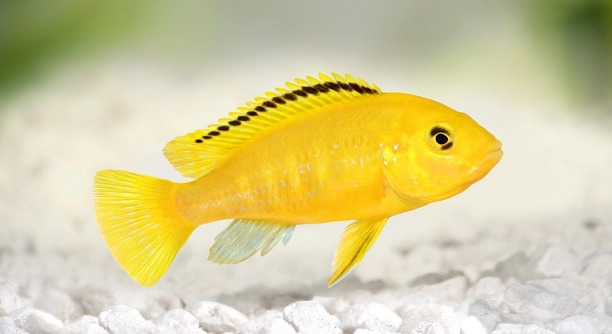
Mixing different cichlid species in one aquarium can seem exciting for many fish enthusiasts. However, managing their behavior, size differences, and territorial needs requires careful attention. Mistakes in pairing can lead to stress or serious injuries among fish.
Common mistakes when mixing cichlid species include ignoring aggression levels, failing to consider tank size, mismatching water requirements, and underestimating territorial behavior. Proper planning and understanding species-specific needs are essential to maintain a healthy and balanced aquarium environment.
Learning how to avoid these mistakes will help keep your cichlids safe and create a more harmonious tank environment for all species involved.
Ignoring Aggression Levels
Many aquarists make the mistake of mixing cichlids without considering how aggressive certain species can be. Some cichlids are highly territorial and will chase, nip, or injure other fish in the tank. Aggression often escalates during breeding, making peaceful coexistence difficult. Even species that seem calm may act unpredictably when stressed. Watching how cichlids behave in smaller groups or observing adult fish in a controlled environment can provide valuable insight into potential conflicts. It is also important to know the natural habitat of each species, as this can indicate whether they are likely to tolerate tank mates. Overcrowding amplifies aggression, so proper tank size and structure are critical. Adding hiding spaces and visual barriers helps reduce conflict, but it will not completely remove aggressive tendencies. Choosing species with similar temperaments is the simplest way to minimize stress and injury.
Recognizing aggression levels is crucial when planning a mixed-species cichlid tank. Awareness prevents injuries and promotes long-term tank stability and fish health.
Setting up a tank with aggression in mind ensures fish are safer and reduces stress, making it easier to maintain a balanced aquatic environment.
Overlooking Tank Size Requirements
Too small a tank is a common problem when combining cichlid species. Crowding increases stress, aggression, and disease risks.
Proper tank size is essential to give each species space to establish territories. Overlooking this can cause continuous fights and damage. Choosing a tank with adequate length and depth for each species reduces conflicts. Incorporating multiple levels, rocks, and caves provides refuge areas for shy or smaller fish. Large, active cichlids need more swimming space to stay healthy. Water volume affects water quality, which can deteriorate quickly in overcrowded tanks. Planning the tank layout before adding multiple species prevents costly mistakes. It also allows fish to display natural behaviors. Compatibility goes beyond aggression; species that grow large quickly require more room than smaller, slow-growing fish. Investing in a spacious, well-structured tank promotes harmony and reduces maintenance problems. A thoughtfully sized tank ensures each cichlid thrives, improving their coloration, growth, and overall well-being while minimizing conflicts.
Mismatching Water Requirements
Different cichlid species thrive in specific water conditions. Mixing species with varying pH or hardness needs can lead to stress, illness, and reduced lifespan.
Maintaining stable water parameters is essential when housing multiple species. Some cichlids prefer soft, acidic water, while others need harder, alkaline water. Combining incompatible species can make it difficult to balance temperature, pH, and mineral content. Frequent water testing and adjustments are necessary, but extreme differences are hard to manage in a single tank. Choosing species with similar water preferences reduces stress and keeps fish healthy.
Using a water conditioner alone does not solve these problems. Regular monitoring, gradual adjustments, and careful species selection are the best strategies. Ensuring proper filtration, frequent partial water changes, and consistent temperature control further supports cichlid health and minimizes risks associated with mismatched conditions.
Underestimating Territorial Behavior
Cichlids are naturally territorial and need defined spaces. Ignoring this can cause ongoing fights and injuries.
Territorial disputes often appear around breeding sites or hiding areas. Even non-aggressive species will defend a chosen rock, cave, or plant. Providing enough space and structures allows fish to claim territories without constant confrontation. Observing fish interactions helps identify aggressive patterns before serious harm occurs. Dividing the tank into visual zones can reduce direct competition and stress among fish.
Territorial behavior affects feeding, growth, and overall tank harmony. Fish that cannot establish a secure area may become stressed, hide excessively, or fail to eat properly. Careful planning of rock formations, plants, and other structures ensures multiple species can coexist more peacefully. Even with adequate space, monitoring aggression and separating overly dominant individuals is sometimes necessary. Regular observation allows quick intervention, maintaining both fish health and a stable environment.
Overcrowding the Tank
Too many cichlids in one tank increases stress and aggression. Crowded conditions limit swimming space and worsen water quality.
Overcrowding can make it difficult for fish to establish territories. Limited space leads to frequent chases, injuries, and competition for food. Proper stocking levels are essential for a healthy, balanced aquarium.
Ignoring Diet Differences
Cichlids have varied dietary needs. Feeding the wrong type of food can lead to malnutrition, slow growth, and health issues. Choosing foods that meet each species’ nutritional requirements is critical to ensure proper development and maintain vibrant colors.
Poor Hiding Spaces
Lack of hiding spots increases stress and aggression. Fish need secure areas to retreat and feel safe, especially smaller or timid cichlids.
FAQ
What is the best way to reduce aggression in a mixed cichlid tank?
Adding plenty of rocks, caves, and plants helps create visual barriers and territories. Aggressive fish can retreat, and smaller or timid species have safe spaces. Choosing species with similar temperaments also reduces conflicts. Observing behavior regularly allows intervention before fights escalate. Overcrowding should be avoided to give each fish enough room.
How do I know which species can coexist?
Research each species’ natural habitat, aggression level, size, and water requirements. Avoid pairing very aggressive fish with peaceful ones. Species from similar regions with comparable environmental needs are usually safer to mix. Asking for guidance at reputable aquarium stores or consulting species-specific care guides is also helpful.
Can different cichlid sizes live together?
Large and small cichlids may coexist if there is enough space and hiding areas. However, size differences can create problems with feeding and dominance. Small fish may be harassed or eaten, and large fish may become territorial. Careful monitoring and tank adjustments are essential.
How important is water quality for multiple species?
Water quality is critical. Different species often have slightly different pH or hardness preferences. Maintaining stable temperature, pH, and cleanliness reduces stress and disease. Regular water testing, partial water changes, and proper filtration are necessary to support multiple species in a shared tank.
What should I feed a mixed cichlid tank?
Provide a varied diet that meets the needs of all species. Some cichlids are herbivores, while others need protein-rich food. Offering a mix of flakes, pellets, and occasional live or frozen food helps ensure proper nutrition. Feeding small amounts multiple times a day can reduce aggression at feeding time.
How can I manage breeding behavior?
Breeding increases territorial aggression. Separate breeding pairs if possible, or provide extra hiding spaces. Watch for over-protection of fry, which can stress other fish. Some species require specific substrates or conditions for spawning, so research is important before attempting to breed.
Is tank size really that important?
Tank size directly affects aggression, stress, and growth. Larger tanks give fish room to establish territories and avoid constant confrontation. A cramped tank increases disease risk and reduces fish health. Proper dimensions and layout tailored to species needs help maintain a peaceful environment.
How do I prevent disease in a mixed-species tank?
Healthy water, balanced diet, and quarantine for new fish are key. Introducing sick or stressed fish can spread illness quickly. Regular monitoring, prompt treatment, and maintaining optimal water conditions reduce the chance of outbreaks. Avoid overcrowding, as it increases disease transmission.
Can cichlids adapt if water parameters differ slightly?
Some species tolerate minor fluctuations, but large differences in pH, hardness, or temperature create stress. Stress weakens the immune system, making fish more prone to illness. Choosing species with similar water needs is safer than trying to adjust conditions drastically.
What should I do if aggression becomes severe?
Separate aggressive individuals immediately to prevent injury or death. Rearranging the tank layout, adding hiding spots, or increasing space can reduce tension. Regular observation and intervention are essential to maintain harmony. Sometimes, permanently housing incompatible species separately is the best solution.
How often should I monitor the tank?
Daily observation is ideal to notice early signs of aggression, illness, or stress. Water testing should be done weekly, or more frequently if issues arise. Regular checks help catch problems early and keep multiple species healthy in the same environment.
Are there species that should never be mixed?
Highly aggressive cichlids should not share a tank with small, peaceful species. Large predatory types can injure or eat smaller fish. Also, species with very different water requirements or diets may not thrive together. Careful planning and research prevent these conflicts.
Can decorations really reduce fights?
Yes, decorations create territories and hiding spots, reducing visual contact and stress. Rocks, caves, plants, and driftwood allow fish to claim areas and retreat when threatened. A well-structured tank can significantly reduce aggressive encounters in a mixed-species setup.
How do I introduce new cichlids safely?
Quarantine new fish for two to four weeks to ensure they are healthy. Introduce them gradually, and rearrange decorations beforehand to reset territories. Monitor closely for signs of aggression and be ready to separate individuals if necessary. Proper introduction prevents injuries and stress.
What are the signs of stress in cichlids?
Signs include hiding constantly, loss of appetite, faded colors, rapid breathing, or excessive aggression. Stress can result from overcrowding, poor water quality, aggression, or incompatible tank mates. Identifying stress early allows interventions to protect fish health and maintain a stable tank environment.
How long does it take for a mixed tank to stabilize?
It can take several weeks for fish to establish territories and adjust to each other. Initial aggression is normal, but persistent fighting may indicate incompatibility. Regular observation, proper tank layout, and adequate space help the tank stabilize over time. Patience is key for long-term harmony.
Can I change the tank setup if problems arise?
Yes, adjusting rocks, caves, plants, or tank size can reduce aggression. Rearranging territories confuses dominant fish temporarily and gives others space. Monitoring fish reactions after changes is important to ensure the adjustments improve harmony rather than increase stress.
What role does temperature play in cichlid behavior?
Temperature affects metabolism, activity, and aggression. Too high or low can stress fish and trigger unexpected aggression. Maintaining the species’ preferred temperature range supports health, reduces stress, and helps keep a peaceful mixed-species environment.
How can I tell if two species are compatible long-term?
Observe interactions over time. Compatible species swim peacefully, share space, and have minimal chasing or nipping. Conflicts during feeding or breeding may indicate problems. Research, careful observation, and proper tank design help predict long-term compatibility.
Is it necessary to separate fry from adults?
Yes, adult cichlids may eat fry or overly protect them, causing stress to both parents and other tank inhabitants. Providing a separate breeding tank or fry net ensures safety and allows fry to grow without interference.
How do I manage feeding in a community tank?
Feed small amounts multiple times a day to reduce competition. Distribute food in different areas to ensure all fish get nutrition. Observe feeding behavior to prevent dominant species from monopolizing food and causing malnutrition in smaller or shy fish.
Can tank lighting affect cichlid behavior?
Lighting influences activity levels and aggression. Bright lights can stress timid fish, while dim areas provide hiding spaces. Balanced lighting mimics natural conditions and helps maintain normal behavior patterns, reducing stress and conflicts.
What are the most common mistakes new cichlid keepers make?
Ignoring aggression, overcrowding, mismatched water parameters, and insufficient hiding spots are frequent errors. Feeding mistakes and poor observation also lead to stress and disease. Planning, research, and monitoring are essential to avoid these problems and maintain a healthy mixed-species tank.
How important is research before adding new species?
Extremely important. Understanding aggression, size, diet, and water requirements prevents conflicts and promotes healthy fish. Planning ensures a balanced, harmonious tank and reduces the risk of stress, injury, or death. Research saves time, money, and frustration in the long term.
How can I prevent territorial fights during breeding?
Provide extra caves or separate breeding areas. Monitor pairs and consider moving aggressive breeders to a dedicated tank. Reducing visual contact between competing pairs minimizes fights. Careful management ensures successful breeding without endangering other tank inhabitants.
What should I do if two species are incompatible?
Separate them into different tanks or provide physical barriers. Rearranging territories may help temporarily, but long-term coexistence may not be possible. Ensuring compatible species share a tank is essential for fish health and peace.
Can plants help in a mixed cichlid tank?
Yes, plants offer hiding spots and visual barriers. They also help reduce stress, improve water quality, and create natural territories. Hardy species that tolerate digging are best for cichlid tanks. Plants reduce aggression and support a balanced ecosystem.
How often should I clean a mixed-species tank?
Weekly partial water changes, gravel vacuuming, and filter maintenance are essential. Cleaning prevents waste buildup, reduces stress, and supports healthy water parameters. Proper maintenance is crucial for multiple species to coexist safely.
Are there cichlids that are easier to mix than others?
Yes, some dwarf cichlids or species with moderate aggression levels tolerate tank mates better. Choosing fish with similar size, temperament, and water needs simplifies mixed-species management. Observing behavior before introducing new species helps ensure compatibility.
How do I handle aggression during feeding?
Distribute food widely and feed small amounts often. Monitor dominant fish to prevent bullying. Use feeding rings or target feeding for shy species. Maintaining calm feeding routines reduces stress and supports proper nutrition for all tank inhabitants.
Can rearranging decorations reduce established aggression?
Yes, rearranging rocks, caves, and plants breaks up established territories, confusing dominant fish temporarily. This gives others a chance to claim spaces and reduces conflict. Observation after changes ensures aggression decreases rather than worsens.
What is the role of observation in a mixed cichlid tank?
Daily observation helps catch stress, aggression, or illness early. Watching interactions and behavior patterns informs adjustments to layout, diet, or tank management. Regular monitoring ensures a safe, harmonious environment for all species.
How do I handle new arrivals in a stable tank?
Quarantine first, then introduce gradually. Rearrange decor to reset territories. Monitor closely for signs of aggression and separate individuals if needed. Careful introduction prevents stress and maintains stability in an established tank.
Are some cichlid species naturally solitary?
Yes, some species prefer minimal social interaction and may be stressed by tank mates. Research species behavior and provide ample space, hiding spots, or consider keeping them alone to ensure health and reduce conflicts.
Can water chemistry changes cause fights?
Sudden changes in pH, hardness, or temperature stress fish and trigger aggression. Stable water parameters are critical to prevent unnecessary conflicts. Gradual adjustments are safer when modifying tank conditions.
How do I maintain harmony with multiple dominant species?
Provide a large tank, plenty of hiding spots, and visual barriers. Monitor closely and be ready to separate individuals if conflicts escalate. Balancing dominant personalities requires careful planning and observation.
What are warning signs that a species pair will not coexist?
Constant chasing, injuries, hiding, refusal to eat, and faded coloration indicate incompatibility. Persistent aggression despite proper space, hiding spots, and care usually means the species cannot live together safely.
How do I choose decorations to reduce aggression?
Use rocks, caves, and plants to break up sightlines and create territories. Avoid open, featureless tanks. Provide multiple hiding spots for shy species and visual barriers to separate dominant individuals. Proper decoration placement promotes a peaceful environment.
How long should new fish be observed after introduction?
Observe closely for at least two weeks. Watch for aggression, stress, or illness. Early intervention is key to preventing injuries and maintaining tank stability. Some fish may need longer to adjust fully.
Can different activity levels affect tank harmony?
Yes, highly active fish may chase or stress slower-moving species. Matching activity levels or providing ample space helps reduce conflicts and ensures all fish can behave naturally.
What role does feeding frequency play in aggression?
Feeding small amounts several times a day reduces competition and dominance disputes. Uneven feeding schedules can increase stress and fighting, especially in mixed-species tanks. Consistent routines support harmony.
Is it okay to mix territorial males with non-territorial species?
Caution is required. Territorial males may harass non-territorial fish, causing stress or injury. Providing ample hiding spots, visual barriers, and space may reduce conflict, but careful observation is necessary to prevent harm.
How do I manage aggression in small tanks?
Small tanks increase stress and fighting. Avoid overcrowding, use plenty of hiding spots, and monitor closely. Some species may simply be incompatible in limited space, requiring separation or a larger tank.
Can tank mates influence breeding behavior?
Yes, presence of other fish can trigger territoriality and affect spawning success. Some species require isolation or carefully chosen tank mates to breed without excessive aggression or stress.
What are the signs of dominance hierarchy issues?
Frequent chasing, nipped fins, hiding fish, and refusal to eat indicate dominance problems. Monitoring and adjusting tank layout or separating dominant individuals can restore balance.
Can stress from aggressive neighbors cause disease?
Yes, stress lowers immunity, making fish more prone to infections. Reducing aggression through space, hiding spots, and compatible species selection helps maintain health.
Is it better to keep all males or mix genders?
Mixing genders often increases aggression during breeding. All-male tanks reduce breeding disputes but may increase territorial fights. Consider species behavior when deciding tank composition.
Can temporary separation help aggressive individuals?
Yes, isolating aggressive fish allows others to recover and reduces injuries. Reintroduce carefully with adjusted territories to maintain peace.
How often should tank decor be rearranged?
Rearranging can help reduce aggression if dominance becomes problematic. However, frequent changes may stress fish. Minor adjustments every few months or as needed are sufficient.
Do cichlids recognize each other’s territories?
Yes, they remember boundaries and defend them. Rearranging decorations can temporarily reset territories, helping reduce aggression and give all fish space to settle.
How can I make feeding fair for all species?
Feed small amounts in multiple locations. Observe shy fish and use target feeding if necessary. Prevent dominant fish from monopolizing food to ensure all species receive proper nutrition.
What’s the biggest factor in maintaining a peaceful mixed cichlid tank?
Careful species selection, proper tank size, water stability, adequate hiding spots, and daily observation are key. Planning and monitoring reduce aggression and promote long-term harmony.
How important is patience in managing cichlids?
Extremely important. Fish need time to adjust, establish territories, and settle. Immediate intervention is sometimes necessary, but patience allows natural behavior to balance over weeks.
What should I do if a fight breaks out?
Separate the individuals immediately. Assess tank layout, hiding spots, and stocking levels. Adjust conditions to prevent recurrence and monitor closely for injuries or stress.
Can environmental enrichment reduce aggression?
Yes, adding rocks, plants, and caves encourages natural behavior and reduces boredom. Enrichment creates territories and hiding spots, helping maintain peace among cichlids.
How do I know when a tank is stable?
Minimal chasing, normal feeding behavior, and relaxed swimming patterns indicate stability. Fish have established territories and interact without constant stress. Observation confirms long-term harmony.
Can adding more species ever help reduce aggression?
Sometimes, a well-planned addition of compatible species can diffuse aggression by spreading dominance. However, overcrowding or incompatible choices can worsen conflicts. Careful consideration is essential.
Is it necessary to track fish growth in a mixed tank?
Yes, size differences affect aggression and feeding. Monitoring growth ensures smaller fish are not bullied or outcompeted. Adjusting tank composition may be required to maintain balance.
How do I handle aggressive breeding pairs?
Provide a separate breeding tank or divide existing space with barriers. Extra hiding spots for other fish reduce stress. Careful management prevents injuries and supports successful reproduction.
Can I use dividers in a single tank?
Yes, tank dividers create physical separation without separate aquariums. They allow species to coexist while reducing aggression, especially during breeding or territorial disputes.
How important is regular observation during breeding?
Daily checks are essential. Breeding increases aggression and territoriality. Monitoring ensures other fish are safe and allows timely intervention if conflicts arise.
What’s the best way to introduce tank changes gradually?
Make small, incremental adjustments to water, decor, or stocking. Sudden changes stress fish and may trigger aggression. Gradual modifications help fish adapt safely.
Can stress from incompatible tank mates affect reproduction?
Yes, stress reduces breeding success. Timid or harassed fish may not spawn, while dominant fish may become overly aggressive. Separating incompatible species improves reproductive outcomes.
How do I maintain harmony long-term?
Plan species carefully, maintain water quality, provide hiding spots, observe behavior daily, and adjust tank layout as needed. Consistency and patience are key to keeping a peaceful mixed-species cichlid tank.
How do I know if hiding spots are sufficient?
If fish hide when stressed but also swim freely at other times, hiding spots are adequate. Too few hiding areas lead to constant stress and aggression.
Can aggressive fish learn to coexist?
Some fish adjust over time if territory and space are sufficient. Others remain aggressive regardless of setup. Observation and intervention determine whether coexistence is feasible.
Is it better to plan the tank layout before or after adding fish?
Before. Pre-planning ensures adequate territories, hiding spots, and swimming space. Adding fish without preparation often leads to conflicts and stress.
How do I balance dominant and shy species?
Provide extra hiding spots, distribute food carefully, and monitor interactions. Adjust territories and separate overly aggressive individuals if necessary. Balanced layout helps shy species thrive alongside dominant ones.
How often should I reassess species compatibility?
Regularly, especially after growth, breeding, or behavior changes. Fish needs may shift over time, requiring adjustments to maintain harmony.
Can changing water temperature temporarily reduce aggression?
Minor adjustments may slow activity, but drastic changes stress fish. Stable temperatures aligned with species’ preferences are safer for reducing aggression.
What is the single most important factor for a successful mixed cichlid tank?
Careful species selection, combined with proper tank size, layout, water stability, and observation. Planning and monitoring outweigh any quick fixes for long-term success.
How can I prevent bullying in a community tank?
Provide hiding spots, adequate space, and multiple feeding areas. Monitor dominant fish and separate if needed. Balanced environment reduces bullying and supports peaceful coexistence.
How long should I wait before introducing new species after a fight?
Allow time for the tank to stabilize, usually a few weeks. Monitor interactions and ensure aggression has decreased before adding new fish to prevent further conflicts.
What signs indicate the tank setup needs changing?
Frequent injuries, hiding, refusal to eat, and constant chasing suggest the current setup is insufficient. Rearranging decor, adding hiding spots, or reducing stocking levels can restore balance.
Can observation alone prevent major conflicts?
Observation is critical but must be combined with proper planning, tank setup, and care. Early detection allows timely interventions to prevent serious injuries or stress.
How do I adjust feeding to prevent aggression?
Feed small amounts in multiple locations and monitor fish during feeding. Ensure timid species have access. Adjust frequency and quantity to reduce competition and conflicts.
Are there natural signs that a species is too aggressive to mix?
Persistent chasing, repeated attacks, or refusal to share territory are strong indicators
Final Thoughts
Mixing cichlid species can be rewarding, but it requires careful planning and ongoing attention. Every species has unique needs, from aggression levels and territorial behavior to water parameters and dietary requirements. Overlooking these factors can lead to stress, illness, or injuries, which affects the overall health of the aquarium. Paying attention to each species’ characteristics and behaviors is essential to create a balanced environment. Observing how fish interact daily helps identify potential issues before they become serious. Even minor adjustments, such as adding rocks, caves, or plants, can reduce aggression and provide secure spaces for all fish. A well-thought-out tank setup supports natural behavior, reduces stress, and improves the well-being of each cichlid in the community.
Tank size is another critical factor that should never be underestimated. Overcrowding increases aggression and competition for resources, making it difficult for fish to establish territories. Larger tanks allow each species to claim space without constant conflict. Providing multiple levels, hiding spots, and visual barriers gives timid or smaller fish a chance to retreat when needed. These measures are not just decorative—they directly influence the safety and comfort of the aquarium inhabitants. Additionally, matching species with similar water requirements reduces stress and supports overall health. Stable water parameters, proper filtration, and regular maintenance are all necessary to sustain a thriving mixed-species tank. Attention to these details helps prevent common problems and ensures that your cichlids can coexist peacefully.
Finally, patience and observation are key to long-term success. Fish need time to settle into their environment, establish territories, and adjust to tank mates. Introducing new fish gradually and monitoring their behavior reduces the risk of conflicts. Feeding carefully and ensuring all species receive proper nutrition supports growth and reduces competition. It is also important to intervene when necessary, whether by rearranging the tank, adding hiding spots, or separating overly aggressive individuals. By taking the time to understand your cichlids’ needs and adjusting the environment accordingly, you can maintain a healthy, harmonious tank. A well-managed mixed-species cichlid aquarium is not only visually engaging but also provides a stable and comfortable habitat for all the fish, making the effort of careful planning and ongoing care worthwhile.

Hello,
If you enjoy the content that we create, please consider saying a "Thank You!" by leaving a tip.
Every little bit helps us continue crafting quality advice that supports the health, happiness, and well-being of pets around the world, for pets of all shapes, sizes, and species.
We really appreciate the kindness and support that you show us!