
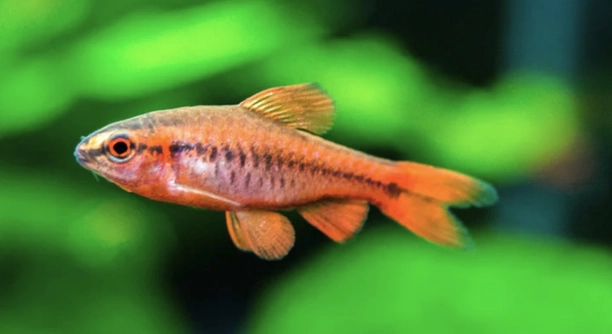
Cherry barbs are a popular freshwater fish, often admired for their peaceful nature and vibrant colors. When it comes to breeding, understanding their behavior can help ensure a successful spawning experience. Knowing the signs of readiness is key.
Cherry barbs exhibit specific behaviors when breeding. Males chase females and display their vibrant colors to attract them. They may also perform a courtship dance, where the male swims rapidly in front of the female to encourage spawning.
By understanding their courtship and spawning habits, you can help create the right environment for breeding.
Understanding Cherry Barb Mating Rituals
When cherry barbs are ready to breed, they engage in several distinct mating behaviors. The male typically becomes more colorful, displaying his bright red hues to attract females. This is when he begins to chase the females around the tank. His energetic movements help signal his interest in mating. During this time, males will often swim in front of the females, displaying rapid movements, hoping to provoke a response. This courtship display helps the male establish dominance, allowing him to earn the female’s attention.
The female cherry barb, once ready, will start following the male. At times, she will move toward the vegetation, where the actual spawning occurs. The male will swim behind her, encouraging her to release eggs. The fertilization process happens shortly after.
Mating rituals can vary slightly based on tank conditions, so ensuring a healthy environment with adequate hiding spots for the eggs can improve breeding success.
The Importance of Tank Conditions
Cherry barbs are sensitive to water quality, which can significantly impact their breeding behavior. Proper tank conditions are essential for successful mating. Water temperature should be between 75°F and 80°F, and the water should be soft with a slightly acidic to neutral pH.
Creating an environment that mimics their natural habitat encourages breeding. Adding dense plants, like Java moss, provides a secure place for eggs to be laid. Proper filtration is also important, as the water should be clean but not too strong to disturb the fish.
Breeding success can be increased by providing a low-stress environment. Keeping your cherry barbs in a peaceful community tank without aggressive fish can help them focus on reproduction.
How to Identify Spawning Behavior
When cherry barbs are ready to spawn, the males become more active. They chase females around the tank, showing off their bright red colors. The male’s courtship is marked by quick, erratic movements to grab the female’s attention. This behavior usually intensifies when the female is close to releasing eggs.
The male’s persistence is vital for getting the female to release her eggs. He may circle around her, displaying his colors to maintain her interest. When the female begins to show signs of egg release, the male will try to position himself behind her. The two fish will swim close together, and fertilization occurs as the female lays her eggs on vegetation or the substrate.
To encourage breeding, make sure there are plenty of plants for the female to lay her eggs. These hiding places provide safety and a natural environment for successful spawning.
Preparing the Tank for Breeding
A breeding tank should be separate from the main aquarium to avoid aggression. It should include live plants for the female to release her eggs on. The water should be warm, around 75-80°F, to simulate the conditions of their natural habitat. Soft, slightly acidic to neutral water also promotes breeding.
Before introducing the fish, ensure that the tank has no other species that could disrupt the breeding process. Male cherry barbs tend to become more territorial when they’re in breeding mode. A separate breeding setup reduces stress and improves the chances of successful mating.
After setting up the breeding tank, you can introduce one male and one or two females. Keep the water clean, and make sure the filter isn’t too strong. Cherry barbs prefer calm water during spawning.
Post-Spawning Care
After spawning, it’s important to remove the adult fish to prevent them from eating the eggs. The eggs will hatch in about 24 to 36 hours, depending on the water temperature. During this time, it’s crucial to maintain clean water and provide a quiet environment.
Once the eggs hatch, the fry will be very small and unable to swim immediately. They will stay attached to the surface for a few days, absorbing their yolk sac. After a few days, the fry will begin swimming freely. It’s essential to provide a steady supply of infusoria or liquid fry food at this stage.
Ensure the water temperature remains consistent. You can increase the temperature slightly to speed up the fry’s growth, but avoid any drastic changes. Clean water helps reduce the risk of disease and ensures healthy development.
Fry Growth and Development
As the fry grow, they will gradually begin to show their distinctive coloration. During the first few weeks, they’ll feed on tiny live foods like infusoria, which helps them grow faster. After about 2 weeks, you can begin offering them newly hatched brine shrimp or fine powdered fish food.
Monitor their progress, ensuring they have enough food and space to develop. Overcrowding can cause stress and stunted growth. Also, be mindful of water quality as the fry produce waste more quickly than adults. Regular water changes are essential to maintain a clean and healthy environment for the fry.
Once the fry reach a size where they can eat small pellets, you can begin transitioning them to adult food.
Dealing with Aggression
Male cherry barbs can become more territorial and aggressive during breeding. If there’s more than one male in the tank, you may notice them chasing each other or the females. This aggression is usually a sign of competition for breeding rights.
To avoid stress, keep only one male with multiple females. This will reduce fighting and help maintain a peaceful environment. If aggression becomes too intense, separating the males temporarily can help calm things down.
FAQ
What is the best tank size for breeding cherry barbs?
A 10-gallon tank is the minimum size recommended for breeding cherry barbs. This size gives them enough space to move around without feeling stressed. However, a larger tank can provide better water quality and more space for the fish to spawn. You should include plants, hiding spots, and clean water for the best results.
Can I breed cherry barbs in a community tank?
Breeding cherry barbs in a community tank is possible, but it can be challenging. Other fish might disturb the spawning process, and adult cherry barbs may eat the eggs or fry. It’s better to move the breeding pair to a separate tank to increase the chances of successful breeding.
How do I know when my cherry barbs are ready to breed?
The males will show off their bright red colors and chase the females around the tank when they are ready to breed. The female will become rounder as she develops eggs. These signs indicate that the fish are ready for spawning. Keep an eye on their behavior and condition to ensure they’re in optimal health.
Do cherry barbs breed year-round?
Yes, cherry barbs can breed year-round, but the best time for breeding is during the warmer months, when the water temperature is higher. They are more likely to breed in stable conditions where the water is clean, soft, and slightly acidic to neutral.
What should I feed cherry barbs before breeding?
Before breeding, feed cherry barbs a high-quality diet of live or frozen foods such as brine shrimp, daphnia, and bloodworms. This diet helps condition the fish and ensures they have enough energy to breed. Supplementing with plant-based foods like algae wafers is also beneficial for overall health.
How can I encourage cherry barbs to breed?
To encourage breeding, replicate their natural environment. Set the water temperature between 75-80°F and ensure the water is soft with a slightly acidic to neutral pH. Provide plenty of live plants, like Java moss, for the female to lay eggs. A separate breeding tank with minimal light will reduce stress and help them focus on reproduction.
How do I care for cherry barb eggs?
Once the eggs are laid, carefully remove the adult fish to prevent them from eating the eggs. Keep the water clean and at the right temperature. The eggs will hatch in about 24-36 hours, and the fry will need to stay in the tank for several days until they start swimming freely.
What do cherry barb fry eat?
Cherry barb fry need small foods like infusoria, which are tiny organisms found in the water. After a few days, you can start feeding them newly hatched brine shrimp or fine powdered fish food. As they grow, they can begin to eat small pellets, transitioning them to adult food.
How long does it take for cherry barbs to breed successfully?
The entire breeding process, from courtship to hatching, can take about 2-3 days. Once the eggs are laid, they typically hatch within 24-36 hours, depending on water conditions. The fry will begin to swim around after a few days and start feeding on their own.
Do I need to remove all the adult fish after spawning?
Yes, removing the adult fish is crucial because they may eat the eggs or fry. After spawning, the adults should be placed in a separate tank to allow the eggs and fry to develop without interference. If left with the fry, the adults will likely consume them.
How do I prevent cherry barbs from eating their eggs?
To prevent cherry barbs from eating their eggs, use a breeding trap or breeding net. These devices allow the eggs to be safely separated from the adults. Alternatively, removing the adults immediately after spawning and placing them in a different tank will help protect the eggs.
Can cherry barbs breed with other types of barbs?
Cherry barbs should not be bred with other types of barbs. Crossbreeding can lead to infertile eggs or weak offspring. It’s best to keep them with their own kind for successful breeding. If you’re looking to breed, focus on a single species to avoid any complications.
What are the signs of unhealthy breeding behavior in cherry barbs?
Unhealthy breeding behavior can include aggression, stress, or a lack of interest in spawning. If the male is overly aggressive or the female seems lethargic, it may indicate poor health or unsuitable tank conditions. Check the water parameters and ensure the fish are well-fed and not overcrowded.
Can cherry barbs breed in hard water?
While cherry barbs can tolerate hard water, they breed best in soft, slightly acidic water. Hard water can cause stress, making breeding less likely. To improve conditions, consider using water softeners or regularly testing the water’s hardness to ensure it’s ideal for spawning.
How often do cherry barbs breed?
Cherry barbs can breed every 2-4 weeks if the conditions are right. However, it’s essential to give them time to recover between breeding attempts. Overbreeding can cause stress and health issues, so allow them time to rest and regain strength after each spawn.
Do I need to provide special lighting for breeding?
Special lighting isn’t necessary for breeding cherry barbs. In fact, too much light can cause stress. A low-light environment mimicking their natural habitat is ideal. Keep the lighting consistent, with around 10-12 hours of light per day, to promote healthy breeding.
How do I care for cherry barb fry after hatching?
After hatching, the fry will need infusoria or liquid fry food until they are big enough to eat newly hatched brine shrimp. Keep the water clean, and avoid overcrowding. You can slowly introduce powdered fish food as the fry grow and develop. Regular water changes are essential to maintain a healthy environment for them.
Final Thoughts
Breeding cherry barbs can be a rewarding experience for aquarium enthusiasts, as it’s a straightforward process when the right conditions are met. These small, colorful fish are relatively easy to breed, making them ideal for hobbyists who are just getting started with fish breeding. As long as you pay attention to the water quality, temperature, and provide a suitable environment, cherry barbs are likely to reproduce successfully. The key is to maintain a balance of conditions that support both the adults and the fry through the entire process.
One of the most important things to remember is to be patient. The process from spawning to the development of the fry may take a few days, and it requires careful monitoring of the water conditions. Removing the adults after spawning, ensuring the water temperature stays steady, and providing proper food for the fry are all essential steps to ensure their survival and growth. As the fry begin to develop and grow, you’ll notice how quickly they adapt to their environment and start to show their natural colors. These little fish grow quickly, and before you know it, your tank will be full of healthy, vibrant cherry barbs.
Overall, breeding cherry barbs offers a satisfying way to expand your aquarium. With proper care, you can successfully raise a new generation of these beautiful fish. By creating the right environment, understanding their needs, and addressing any issues along the way, you’ll be able to enjoy the full cycle of cherry barb breeding. Whether you’re looking to increase your stock or simply enjoy the beauty of these fish, the experience can be a fulfilling part of your aquarium hobby.

Hello,
If you enjoy the content that we create, please consider saying a "Thank You!" by leaving a tip.
Every little bit helps us continue crafting quality advice that supports the health, happiness, and well-being of pets around the world, for pets of all shapes, sizes, and species.
We really appreciate the kindness and support that you show us!