
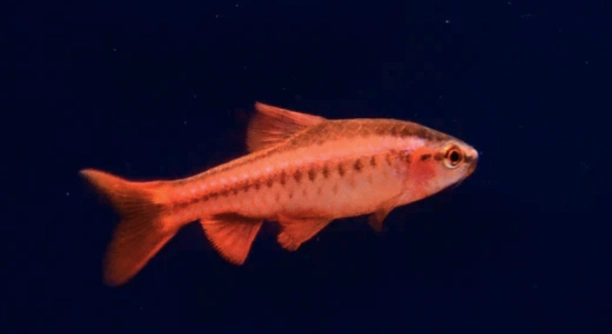
Cherry barbs are popular fish, but they can be susceptible to various diseases. Ich is one of the most common health issues that can affect these small, colorful fish. Early detection is key to treatment.
Ich, also known as “white spot disease,” is caused by a parasite. The earliest signs include abnormal behavior, like scratching against objects, and visible white cysts on the skin or fins. Prompt attention is necessary to prevent further spread.
Recognizing these symptoms early on can help prevent more severe outbreaks in your tank.
Signs of Ich in Cherry Barbs
Ich affects cherry barbs by causing visible white cysts on their bodies. These white spots typically appear on the fins, gills, and around the mouth, which are often the first signs of infection. Infected fish may begin to display unusual behaviors, such as rubbing against rocks or substrate, attempting to relieve the irritation caused by the parasite. This behavior can be observed when the fish appear stressed or restless. If you notice any of these symptoms, it is important to take action immediately to limit the spread of the parasite.
Identifying ich early in cherry barbs is crucial for treatment. The infection can spread quickly if left unchecked, making it harder to treat and putting your other fish at risk.
In addition to the visible white spots, cherry barbs with ich may begin to swim erratically. They may exhibit increased respiration as they struggle to breathe properly. These symptoms indicate the parasite is interfering with their gills, limiting their ability to absorb oxygen. This is a clear sign that the infection is worsening and requires urgent care.
How Ich Spreads
Ich spreads through direct contact between infected fish or by the introduction of contaminated water. If your cherry barbs share a tank with other fish, the parasite can quickly spread to them if no action is taken. This makes it important to quarantine any new fish before introducing them to your main tank.
The parasite that causes ich thrives in environments where the water temperature is too warm or fluctuating. It can also spread through objects such as decorations, plants, or even nets used to handle fish. If your tank is overcrowded, the stress may make it easier for ich to spread. Keeping your tank clean, ensuring good water circulation, and monitoring the water temperature regularly can help prevent outbreaks. Healthy, stress-free fish are less likely to become infected.
Treatment Options for Ich
The most common way to treat ich in cherry barbs is by raising the water temperature. This speeds up the life cycle of the parasite, allowing the medication to work more effectively. However, be careful not to raise the temperature too quickly, as this can stress your fish.
Medications specifically designed to treat ich are widely available. These treatments work by targeting the parasite and killing it. Copper-based treatments and formalin are often used, but it’s important to follow the instructions carefully. Adding aquarium salt can also help by reducing the osmotic stress on the fish. Regular water changes will ensure that the tank environment remains optimal during treatment.
In severe cases, you may need to move the infected fish to a quarantine tank. This ensures the disease does not spread to the rest of the fish population. It also gives you the chance to closely monitor their condition and provide more focused treatment. Make sure the quarantine tank has clean water and minimal stress factors to aid recovery.
Prevention Measures
Preventing ich in cherry barbs requires careful attention to water quality. Maintain stable water parameters, especially temperature and pH, to avoid stressing the fish. It’s essential to regularly test the water to ensure that it remains within safe ranges. A well-maintained tank reduces the chances of disease outbreaks.
Another prevention measure is quarantine. Before adding any new fish to your tank, keep them in a separate quarantine tank for at least two weeks. This allows you to monitor their health and ensures you’re not introducing parasites into your main tank. It’s also a good idea to disinfect any equipment before transferring it between tanks to prevent cross-contamination. Always observe your fish closely for any signs of illness to catch potential outbreaks early.
Monitoring Recovery
Once treatment begins, closely monitor the affected cherry barbs for any signs of improvement or worsening. Check for the gradual disappearance of white spots and improved swimming behavior. If there is no progress after a few days, consider adjusting your treatment approach or seeking advice from a veterinarian.
The recovery process can take anywhere from a few days to a couple of weeks, depending on the severity of the infection and the overall health of the fish. Keep the tank environment stable during this period. Avoid any unnecessary stressors, as cherry barbs are sensitive to changes in water conditions.
The Importance of Quarantine Tanks
A quarantine tank is essential when dealing with ich outbreaks. It allows for the separation of infected fish from the rest of the tank, preventing the spread of the parasite. It also enables more controlled treatment, making recovery faster and more effective.
Using a quarantine tank should be standard practice when introducing new fish. This helps prevent potential infections that may not show symptoms immediately. By quarantining, you can avoid surprises and ensure your main tank stays healthy.
Water Quality During Treatment
Maintaining optimal water quality during treatment is crucial for the recovery of your cherry barbs. Regularly test the water parameters, especially ammonia, nitrite, and nitrate levels. Ensure that the water temperature is stable and consistent, avoiding any sudden changes that could stress the fish.
Water changes are important during treatment to remove toxins and excess medication. However, avoid large water changes, as this can stress the fish further. Perform smaller, more frequent changes to keep the water clean while maintaining stable conditions.
FAQ
What are the early signs of ich in cherry barbs?
Early signs of ich in cherry barbs include white cysts or spots appearing on their skin, fins, and gills. These spots are often the first noticeable symptom. Infected fish may also exhibit unusual behavior, such as rubbing against objects in the tank. You may also observe rapid gill movement or abnormal swimming patterns as they become stressed from the infection.
How does ich spread in the tank?
Ich spreads through direct contact between infected fish and by contaminated water or equipment. It can also be transferred via nets or other tools that come into contact with infected water. Ensuring the quarantine of new fish before adding them to your tank can help prevent the spread of the parasite.
How do I treat ich in cherry barbs?
Raising the water temperature gradually can help speed up the life cycle of the ich parasite, allowing medications to work more effectively. Adding salt and using medications designed for ich treatment, such as copper-based or formalin treatments, can also help eliminate the parasite. Keep the water clean by performing regular water changes to support the healing process.
Can ich be treated without medication?
While medications are the most effective way to treat ich, you can try raising the temperature of the water to accelerate the parasite’s life cycle. However, this method is slower and may not be as effective for severe outbreaks. It’s still a good idea to use salt to help reduce stress on your fish during recovery.
How long does it take for cherry barbs to recover from ich?
Recovery time varies depending on the severity of the infection and how quickly you begin treatment. Most fish will start to show improvement within 3-5 days if treated promptly. Full recovery can take up to two weeks, depending on the environment and the effectiveness of the treatment.
Can ich affect other fish in the tank?
Yes, ich is highly contagious and can spread to any other fish in the tank. If you notice symptoms in one fish, it is likely that others may become infected. Moving infected fish to a separate quarantine tank is recommended to prevent the parasite from spreading further.
Should I feed my cherry barbs during an ich outbreak?
Yes, you should continue feeding your cherry barbs during an ich outbreak, but be mindful not to overfeed. Overfeeding can pollute the water and worsen the infection. Offer small amounts of food that the fish can eat within a few minutes to prevent excess waste in the tank.
Can I use salt to treat ich?
Yes, aquarium salt can help reduce stress and improve the osmotic balance in your cherry barbs during an ich outbreak. However, be sure to follow the proper dosage instructions, as too much salt can harm the fish. It’s best to use salt in combination with other treatments to enhance recovery.
Is it necessary to quarantine new fish?
Yes, quarantining new fish is one of the best ways to prevent introducing ich and other diseases into your tank. Keep new fish in a separate quarantine tank for at least two weeks before introducing them to your main tank. This gives you time to observe them for any signs of illness.
Can ich come back after treatment?
Ich can return if the parasite is not completely eradicated or if new infected fish are introduced to the tank. To reduce the risk of recurrence, ensure proper treatment, maintain a clean tank environment, and monitor the health of your fish regularly. It’s also important to quarantine new arrivals and maintain stable water conditions.
How do I know if the ich is completely gone?
You can tell that ich is completely gone when all white spots have disappeared from your cherry barbs’ bodies and fins. Additionally, your fish should show normal behavior, such as swimming actively and feeding regularly. Regular monitoring will help ensure the parasite is no longer present in the tank.
Can I use heat treatment alone to treat ich?
Heat treatment alone can speed up the life cycle of the parasite, but it is often more effective when combined with medications. Higher temperatures allow the parasite to mature and drop off the fish faster, but medication helps ensure it is completely eradicated. Be cautious when adjusting the temperature to avoid stressing your fish.
Should I perform water changes during ich treatment?
Yes, water changes are important during ich treatment to remove toxins and excess medication from the tank. However, avoid large water changes, as these can stress your fish. Instead, perform smaller, frequent water changes to maintain clean water without disrupting the treatment process.
Can ich be prevented in the future?
Ich can be prevented by maintaining stable water conditions, avoiding overcrowding, and quarantining new fish before introducing them to your tank. Regular monitoring and maintaining good water quality can also help reduce stress on your fish, making them less susceptible to infections like ich.
Is there a difference between treating ich in freshwater and saltwater fish?
Yes, the treatment approach can vary between freshwater and saltwater fish. Freshwater fish like cherry barbs are often treated with medications, salt, and heat. Saltwater fish require more specialized treatments, often with copper-based medications or formalin, depending on the specific species and the severity of the outbreak.
Final Thoughts
Ich can be a challenging issue to deal with in your aquarium, especially with sensitive species like cherry barbs. The good news is that with early detection, proper treatment, and a few preventive measures, most fish can recover fully. It’s crucial to stay vigilant, monitor the water conditions regularly, and observe your fish for any early signs of the parasite. The sooner you spot ich, the easier it is to treat and prevent it from spreading to other fish in the tank.
Maintaining a clean, stable environment is key to preventing ich outbreaks. Regular water changes, testing the water for proper parameters, and ensuring that your tank isn’t overcrowded are all important steps to reduce stress on your fish. Stress is a major contributor to making fish more susceptible to diseases, so keeping their environment as stable and comfortable as possible will keep them healthy and less prone to infections like ich. Additionally, quarantining new fish before introducing them into your main tank can help prevent the spread of the parasite.
If you do experience an ich outbreak, remember that recovery takes time. Treat the infected fish promptly, but be patient and consistent with your care. Ich treatment typically involves raising the water temperature, using medications, and adding aquarium salt to reduce stress on the fish. Throughout this process, keep the water conditions stable, avoid stressing the fish further, and ensure they receive proper nutrition. With the right steps, most cherry barbs can recover from ich and continue to thrive in your tank.

Hello,
If you enjoy the content that we create, please consider saying a "Thank You!" by leaving a tip.
Every little bit helps us continue crafting quality advice that supports the health, happiness, and well-being of pets around the world, for pets of all shapes, sizes, and species.
We really appreciate the kindness and support that you show us!