
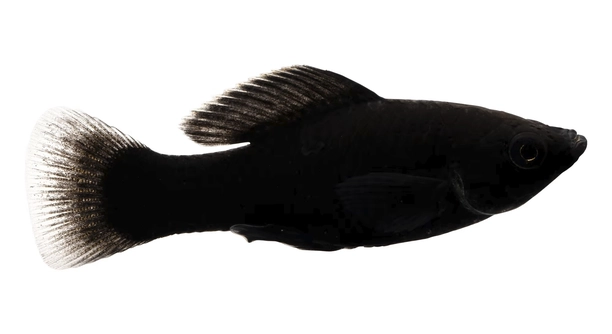
Black Molly fry are small, active fish that often swim together in groups. Observing their movements in aquariums can be both relaxing and entertaining, as these tiny fry display social behaviors early in life.
The size of a Black Molly fry group is primarily determined by factors such as available space, water quality, and food supply. Fry naturally form larger groups when conditions are safe and resources are abundant, ensuring higher survival rates and growth.
Monitoring these conditions can help maintain balanced group sizes and support healthier, more active fry in your aquarium.
Factors Influencing Black Molly Fry Group Size
Black Molly fry group size is shaped by a few key factors. Space is important; crowded tanks can lead to smaller, scattered groups as fry compete for room. Water quality also plays a major role. Clean, well-filtered water encourages fry to gather and swim actively together. Temperature affects their activity level too. Fry are more likely to form tight groups in stable, slightly warmer water, while sudden drops or fluctuations can scatter them. Food availability matters as well. Regular feeding of tiny, nutritious portions ensures that all fry are healthy and willing to swim near each other rather than fighting for scraps. Light and tank setup contribute as well. Plants, hiding spots, and gentle currents provide comfort and security, encouraging fry to stick together. Observing how these factors interact can help maintain a healthy, visually appealing group of Black Molly fry in your aquarium.
Temperature and water stability directly affect fry group cohesion, often more than tank size or food alone.
A combination of consistent care and environmental control makes the largest, healthiest groups possible. By ensuring proper tank maintenance, regular feeding schedules, and stable water parameters, fry develop faster and swim confidently in groups. Plants and decorations provide shelter, preventing stress and aggression among fry. When fry feel safe and well-fed, they naturally form tight, cohesive groups, which also makes it easier to observe their playful behavior. Monitoring growth and removing sick or weak fry early helps maintain balance. Even small adjustments, like adding more hiding spots or slightly adjusting water flow, can improve how fry interact. Regular observation allows you to notice patterns in swimming, feeding, and grouping, which can inform future care decisions. In short, controlling space, water, temperature, food, and shelter leads to more harmonious and predictable fry groups.
Food and Feeding Patterns
Fry gather more closely when food is abundant and easily accessible.
Feeding Black Molly fry several small portions throughout the day ensures all fry grow at a similar pace. Overfeeding can pollute water, while underfeeding leads to scattered groups as fry compete aggressively. Providing finely crushed flakes or specialized fry food encourages healthier group formation and balanced growth, keeping the tank calm and fry active.
Tank Size and Environment
Smaller tanks limit fry movement, causing tighter but sometimes stressed groups. Larger tanks allow fry to spread naturally, forming comfortable subgroups without overcrowding. Decorations and plants create hiding spots that reduce stress and encourage group cohesion.
Tank environment directly affects behavior and social structure. Fry in well-decorated tanks with plants and gentle water flow tend to form stable groups. Open spaces encourage swimming, while secure areas give them rest and protection. Fry respond to current strength, lighting, and water clarity, all influencing how they cluster. Regular maintenance, cleaning, and monitoring ensure the environment remains supportive for healthy fry development.
Group size is also affected by tank layout. Long, open tanks allow more movement, preventing aggressive encounters. Plants and small caves give fry escape routes and safe resting places. Even minor changes in tank decorations can alter swimming patterns, creating temporary subgroups. Fry use visual cues and water flow to coordinate movements, which affects overall group cohesion. By adjusting environment thoughtfully, you can support more natural, balanced social behavior and minimize stress-related dispersal in Black Molly fry.
Age and Growth Stage
Younger fry often stay in denser groups for protection, while older fry explore more and spread out.
As Black Molly fry grow, social dynamics shift. Very young fry cluster tightly near the surface or among plants to avoid predators and conserve energy. Mid-stage fry begin exploring open water, forming smaller subgroups. Older fry establish territories, sometimes causing scattered patterns. Nutrition and health also influence movement; well-fed fry maintain tighter cohesion, while weaker individuals may lag behind. Understanding these growth-related changes helps in predicting group size, adjusting feeding schedules, and providing an appropriate environment to maintain harmony in the tank.
Water Quality
Poor water quality causes stress, leading fry to scatter or hide. Regular water changes and testing maintain stable conditions, supporting healthier, more cohesive groups.
Ammonia, nitrite, and nitrate levels directly affect fry activity. Clean water encourages natural swimming patterns and group formation, while fluctuations create erratic behavior and smaller clusters.
Social Behavior
Fry naturally form groups for safety and interaction. They mimic movements, stay close to peers, and respond to visual cues from each other, creating cohesive groups in calm environments.
Breeding Density
High breeding density can result in smaller, stressed groups. Overcrowding increases competition for food and shelter, causing fry to split into multiple subgroups, sometimes reducing overall survival.
Predation Pressure
Fry group tightly when predators or adult fish are present. Safety in numbers is a key survival instinct, and clusters become more compact to reduce individual risk in the tank.
FAQ
How many fry can a Black Molly produce at once?
Black Mollies can produce anywhere from 20 to 80 fry per birthing event, depending on the age, size, and health of the female. Younger females tend to produce fewer fry, while mature adults in optimal conditions may reach the higher end. Fry survival depends on water quality, hiding spaces, and food availability.
How often do Black Mollies give birth?
Females can give birth approximately every 4 to 6 weeks. The frequency depends on factors like nutrition, tank conditions, and overall health. Ensuring proper diet and stable water conditions helps maintain regular reproductive cycles and healthier fry populations.
Do fry need special food?
Yes, fry require very small, nutritious food. Crushed flake food, finely powdered fry food, or infusoria are ideal. Feeding small portions multiple times a day ensures even growth and reduces competition among fry, supporting healthy group development.
Can adult Mollies harm the fry?
Adult Mollies may eat fry if no hiding spaces are provided. Dense plants, small caves, and breeding nets help protect fry. Separating fry from adults until they grow larger can reduce mortality and maintain group size.
How long do fry stay in groups?
Fry naturally form tight groups during the first few weeks for safety. As they grow, groups may split into smaller subgroups or individuals, especially when they start exploring territory. Group cohesion is influenced by tank size, food distribution, and environmental complexity.
Does tank size affect fry growth?
Yes, larger tanks allow fry to swim freely and reduce stress, which encourages healthier growth and larger groups. Overcrowded tanks increase competition, reduce oxygen levels, and can stunt growth. Proper tank setup with hiding spots and open areas supports both group size and individual development.
What water conditions are best for fry?
Stable, clean water with temperatures around 24–28°C (75–82°F) is ideal. pH should be slightly alkaline, around 7–8. Regular water changes, gentle filtration, and monitoring ammonia, nitrite, and nitrate levels help fry thrive and form cohesive groups.
Can fry survive in community tanks?
Fry can survive in community tanks if there are sufficient hiding places and adult fish are not overly aggressive. Dense plants, breeding boxes, or floating decorations give fry protection. Without safe zones, predation risk increases and group cohesion is disrupted.
How fast do fry grow?
Growth depends on food, water quality, and temperature. Under optimal conditions, fry grow noticeably within 4–6 weeks, gradually spreading out from tight groups as they gain size and confidence. Maintaining proper nutrition and environment supports even, steady growth.
What are signs of stress in fry?
Scattered swimming, hiding constantly, or slow growth are signs of stress. Stress can result from poor water quality, overcrowding, sudden temperature changes, or aggressive tank mates. Addressing these factors quickly helps maintain healthy, cohesive fry groups.
How can I encourage fry to stay in groups?
Provide a stable environment with plenty of hiding spots and consistent feeding. Minimize sudden changes in water conditions and temperature. Fry naturally stay together when they feel safe, well-fed, and free from threats.
Do all fry survive to adulthood?
Not all fry survive, even under optimal conditions. Mortality is common in early stages due to stress, competition, or weak health. Providing proper care, hiding places, and adequate food increases survival rates and encourages stronger group cohesion.
Is it necessary to separate fry by size?
Separating fry by size can reduce competition and cannibalism, especially if some grow faster. Uneven growth can lead to smaller fry being outcompeted for food. Grouping similarly sized fry supports healthier interactions and more uniform growth patterns.
How do I monitor group health?
Observe swimming patterns, feeding behavior, and growth regularly. Healthy fry move actively in groups, eat well, and show steady growth. Any unusual scattering, lethargy, or rapid loss in numbers may indicate water issues, illness, or stress.
Can environmental enrichment affect group size?
Yes, plants, rocks, and gentle currents encourage natural behavior and group formation. Fry feel safer and more confident when the tank provides visual barriers and resting spots, leading to larger, more cohesive groups.
What is the optimal feeding schedule?
Feeding 3–5 small portions daily keeps fry nourished without fouling water. Frequent, controlled feeding encourages even growth and reduces aggressive competition, helping maintain stable group sizes and healthy social interactions.
Does lighting affect fry behavior?
Moderate, consistent lighting helps fry establish regular swimming and feeding routines. Sudden changes or overly bright light may stress fry, causing them to scatter and reduce group cohesion. Mimicking a natural day-night cycle is beneficial for development.
Can fry adapt to new tanks?
Yes, but gradual acclimation is essential. Sudden changes in water parameters, temperature, or tank setup can stress fry and break groups apart. Slowly adjusting water chemistry and introducing familiar hiding spots helps maintain social structure.
Are there signs of overcrowding?
Crowding is visible when fry constantly compete for space or food. Stress, erratic swimming, and frequent hiding indicate the tank may be too small. Increasing tank size or reducing fry density helps restore balanced group formation.
Do fry communicate with each other?
Fry use visual cues and body movement to coordinate swimming and feeding. Group cohesion relies on these subtle interactions, and any disruption in environment or health can reduce the effectiveness of these signals, leading to smaller or scattered groups.
Can seasonal changes affect fry behavior?
Temperature fluctuations or changes in lighting during seasonal shifts may influence activity and group size. Maintaining stable conditions year-round ensures consistent swimming patterns, feeding behavior, and cohesive social structure among Black Molly fry.
Black Molly fry are fascinating to watch, especially when they form tight, active groups in a well-maintained aquarium. Their grouping behavior is influenced by a variety of factors, including tank size, water quality, food availability, temperature, and the presence of plants or hiding spots. Observing these small fish provides insight into their natural instincts, like staying close together for safety, mimicking each other’s movements, and seeking shelter when threatened. Paying attention to how fry interact can help you make small adjustments to the tank environment, which in turn supports healthier growth and stronger social behavior. Even subtle changes, like rearranging plants or adding gentle water flow, can have noticeable effects on how the fry swim and gather in groups. Over time, watching these changes become part of caring for them, and it becomes easier to predict how fry will behave under different conditions.
Maintaining proper care for Black Molly fry requires consistent attention to their environment. Clean, stable water is essential, as even minor fluctuations in ammonia, nitrite, or nitrate levels can stress fry and reduce group cohesion. Regular water changes, appropriate filtration, and careful monitoring of temperature and pH contribute to an environment where fry can thrive. Feeding is equally important; small, frequent meals of finely crushed flakes or specialized fry food ensure that every fry receives enough nutrition without overcrowding or competition. Overfeeding can lead to poor water quality, while underfeeding causes uneven growth and weaker fry that may struggle to keep up with the group. Providing sufficient hiding spots with plants, rocks, or small caves helps reduce stress and allows fry to feel secure, which encourages them to swim together rather than scatter. A well-structured tank promotes natural social behavior, supports healthy growth, and increases survival rates for young fish.
Understanding the factors that influence Black Molly fry group size can make caring for them more predictable and rewarding. Observing their behavior closely provides valuable information about their needs and overall health. By focusing on consistent water quality, balanced feeding, proper tank size, and environmental enrichment, you can encourage larger, more stable fry groups. This attention to detail not only benefits the fry but also makes the aquarium more visually appealing, as active, cohesive groups create a dynamic and lively display. Over time, maintaining a stable and supportive environment allows fry to develop naturally into healthy adults, capable of thriving in their social groups. Paying attention to these details ensures that your Black Molly fry grow safely, remain active, and display the social behavior that makes them enjoyable to care for and observe.

Hello,
If you enjoy the content that we create, please consider saying a "Thank You!" by leaving a tip.
Every little bit helps us continue crafting quality advice that supports the health, happiness, and well-being of pets around the world, for pets of all shapes, sizes, and species.
We really appreciate the kindness and support that you show us!