
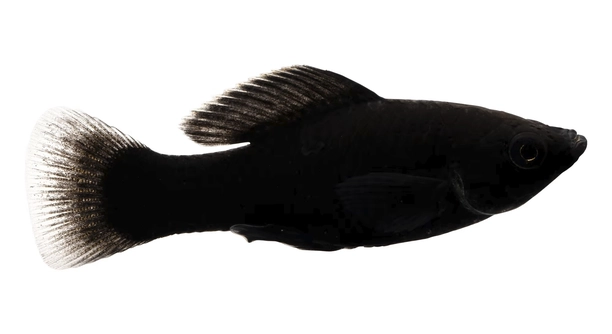
Are your Black Molly fish swimming quietly in the tank, seemingly alone while others dart around? Many aquarists notice this behavior and wonder why their fish appear isolated or less active than usual in their environment.
Black Mollies often exhibit signs of loneliness due to insufficient social interaction, improper tank conditions, or stress factors. Ensuring they have compatible tank mates, adequate space, and a balanced environment can significantly improve their overall well-being and activity levels.
Understanding the reasons behind a lonely Black Molly can help you create a healthier, more engaging tank environment for your fish to thrive.
Tank Size and Space
Black Mollies require enough space to swim freely. A small or overcrowded tank can lead to stress, inactivity, and loneliness. Ideally, a tank should be at least 20 gallons for a small group, with additional space for each extra fish. Overcrowding can increase aggression and reduce water quality, causing discomfort and isolation. Providing open swimming areas along with hiding spots helps them feel secure. Plants, rocks, and decorations create natural boundaries, allowing fish to explore and retreat when needed. Regular monitoring of water parameters like pH, temperature, and ammonia levels is essential. Poor water quality affects mood and health, increasing the likelihood of isolation. Even with compatible tank mates, limited space can prevent social interaction. Maintaining a spacious, clean, and structured environment encourages natural behavior, swimming patterns, and social engagement among Black Mollies, reducing signs of loneliness and improving overall vitality.
Providing enough room ensures your Mollies can interact naturally, reducing stress and isolation in their tank environment.
Black Mollies thrive in a well-maintained tank where swimming freely is possible. Observing their behavior will help you identify if the environment meets their needs. Decorations and plants enhance exploration and give hiding places, while proper water conditions support their health. Regular cleaning, monitoring water chemistry, and ensuring sufficient space allow Mollies to remain active and social, reducing loneliness. A spacious environment encourages interaction and natural swimming patterns.
Tank Mates and Social Interaction
Black Mollies are social fish and benefit from compatible companions.
Choosing suitable tank mates is crucial to prevent aggression, stress, and loneliness. Mollies do best with other peaceful fish of similar size. Avoid aggressive or overly dominant species that may intimidate them. Small schooling fish like guppies, platies, or tetras can provide the social interaction they need. Introducing tank mates gradually helps reduce territorial disputes. Observing behavior after adding new fish ensures compatibility. Social interaction promotes activity, natural behavior, and overall well-being. Black Mollies without companions may become isolated, show decreased movement, or hide frequently. Ensuring multiple compatible fish in the tank allows Mollies to swim, explore, and engage naturally. Proper pairing creates a balanced and harmonious tank, improving the quality of life for all fish present. Regularly monitoring interactions prevents bullying or exclusion, maintaining a supportive and active environment for your Black Mollies.
Water Quality and Temperature
Maintaining stable water conditions is essential. Sudden changes in temperature or poor water quality can stress Black Mollies, making them less social and more withdrawn. Regular testing and water changes help keep them active and engaged.
Black Mollies are sensitive to ammonia, nitrite, and nitrate levels. Keeping the pH between 7.5 and 8.5 and temperature around 75–82°F supports their natural behavior. Dirty or unstable water can make them sluggish and increase isolation. Using a reliable filter, performing partial water changes weekly, and monitoring water chemistry ensures a healthy, stress-free environment. Even minor fluctuations can affect their mood and activity, leading to apparent loneliness. A stable tank allows them to swim confidently, explore their surroundings, and interact with other fish without fear or discomfort.
Proper water quality reduces stress and supports social behavior. Regular monitoring, cleaning, and maintaining stable conditions help Mollies feel secure, active, and less withdrawn in their environment.
Diet and Nutrition
Black Mollies require a balanced diet to remain healthy and social. Poor nutrition can reduce activity and engagement.
Providing a mix of high-quality flake food, frozen or live brine shrimp, and vegetables like spinach or zucchini ensures essential nutrients. Feeding small portions multiple times a day prevents overfeeding and keeps water clean. Inadequate diet can weaken immunity, reduce energy, and increase signs of loneliness. Mollies also benefit from occasional protein-rich treats for growth and vitality. Observing eating habits helps identify health issues early. A proper diet supports bright coloration, active swimming, and natural social behaviors, encouraging interaction with tank mates and reducing isolation. Consistency and variety in feeding routines are key to maintaining healthy, happy Black Mollies.
Hiding Spots and Decorations
Black Mollies need areas to hide. Lack of hiding spots can make them stressed and withdrawn. Adding plants, rocks, or decorations gives them a sense of security and encourages natural behavior.
Providing multiple hiding spaces allows Black Mollies to explore safely. Dense plants, caves, and ornaments reduce stress and prevent aggression from tank mates, helping them feel more comfortable and less isolated.
Lighting Conditions
Proper lighting affects activity and mood. Too bright or inconsistent lighting can cause stress, making Black Mollies hide or become lethargic. A balanced light cycle supports normal swimming and social behavior.
Stress and Aggression
Stress from other fish or sudden changes can lead to isolation. Overly aggressive tank mates may intimidate Black Mollies, causing them to hide or swim alone. Reducing stress helps maintain natural activity levels.
Breeding Behavior
Black Mollies may appear lonely during breeding periods. Males can chase females frequently, leading some fish to hide or avoid interaction temporarily. Understanding these patterns helps in managing tank dynamics and reducing stress.
Why does my Black Molly hide all the time?
Black Mollies often hide when they feel stressed, threatened, or uncomfortable. Poor water quality, sudden temperature changes, or aggressive tank mates can make them retreat. Adding plants, decorations, and hiding spots gives them a safe place to relax. Observing their behavior helps determine if hiding is temporary or a sign of ongoing stress.
How many Black Mollies should I keep together?
Black Mollies are social fish that thrive in small groups. Keeping at least three to five together encourages natural swimming patterns and social interaction. Too few can make them lonely, while too many can lead to overcrowding and competition. Balancing tank population with space is essential for their well-being.
Can a Black Molly be happy alone?
Black Mollies are naturally social and prefer companions. A single fish may become less active, withdrawn, or show signs of loneliness. Providing compatible tank mates or creating an engaging environment with hiding spots and stimulation helps reduce isolation and keeps them active.
Why is my Black Molly chasing other fish?
Chasing is often related to dominance or breeding behavior. Males may pursue females constantly, especially in smaller tanks. Observing the interactions helps ensure chasing does not become harmful. Adding hiding spots, increasing tank size, or balancing male-to-female ratios can reduce stress and aggression.
How do I know if my Black Molly is stressed?
Signs of stress include hiding, reduced swimming, loss of appetite, faded colors, and rapid gill movement. Stress can result from poor water quality, inappropriate tank mates, or sudden environmental changes. Addressing the root cause and maintaining stable conditions encourages healthier, more active behavior.
What should I feed my Black Molly to keep it active?
A balanced diet is crucial for health and social behavior. Feed high-quality flake food, supplemented with live or frozen foods like brine shrimp, daphnia, or bloodworms. Vegetables such as zucchini or spinach add essential nutrients. Small, frequent feedings help prevent overfeeding and maintain water quality.
Can changing tank decorations reduce loneliness?
Yes. Rearranging or adding plants, rocks, and hiding spots can stimulate exploration and reduce stress. Black Mollies may feel more secure and engage with their environment. Providing vertical and horizontal structures encourages natural swimming patterns and social interaction.
How often should I check water quality?
Regular testing is vital. Weekly checks of ammonia, nitrites, nitrates, pH, and temperature help prevent stress and illness. Partial water changes keep conditions stable. A clean, stable tank encourages activity, reduces isolation, and promotes social behaviors among Black Mollies.
Is it normal for Black Mollies to swim alone sometimes?
Yes. Even social fish occasionally enjoy solitary swimming. Short periods alone are normal, but extended withdrawal may indicate stress, illness, or loneliness. Observing patterns and checking tank conditions can help determine whether intervention is necessary.
Can lighting affect my Black Molly’s behavior?
Lighting has a direct impact on activity and stress. Bright or inconsistent lighting may make Black Mollies hide or become lethargic. Maintaining a balanced light cycle supports normal behavior, encourages social interaction, and keeps their energy levels consistent.
How do I reduce aggression in a community tank?
Ensure enough space, hiding spots, and compatible tank mates. Overcrowding and dominance disputes increase stress and isolation. Adjusting male-to-female ratios and providing multiple territories helps maintain harmony. Regular observation allows for early intervention before aggression impacts behavior or health.
What is the best temperature for a Black Molly tank?
Black Mollies thrive between 75–82°F. Temperatures outside this range can lead to stress, decreased activity, and isolation. Using a reliable heater and monitoring daily ensures stability, supporting healthy social interactions and overall vitality.
How can I tell if my Black Molly is lonely?
Lonely Black Mollies may hide, swim slowly, lose interest in food, or avoid other fish. A lack of movement or engagement often indicates isolation. Providing companions, hiding spots, and proper environmental conditions can restore natural social behavior and reduce signs of loneliness.
Can adding more fish help a lonely Black Molly?
Yes, introducing compatible, peaceful fish of similar size encourages social interaction. Gradual introductions and observing behavior prevents aggression. Adding companions in a well-structured, spacious tank allows Black Mollies to swim, explore, and engage naturally, reducing loneliness and improving overall health.
How important are plants in a Black Molly tank?
Plants provide hiding spots, reduce stress, and create natural boundaries. Dense foliage allows Black Mollies to feel secure, explore safely, and reduce signs of isolation. Live plants also improve water quality and encourage natural swimming patterns. Choosing a variety of plants enhances both the tank environment and fish behavior.
Can poor nutrition cause loneliness in Black Mollies?
Yes. Insufficient or unbalanced diets reduce energy and activity, making fish less social. Providing high-quality food with protein, vegetables, and occasional live or frozen treats supports vitality, encourages interaction, and prevents lethargy associated with isolation.
How do I encourage a shy Black Molly to interact?
Adding hiding spots, stable water conditions, and compatible tank mates helps build confidence. Observing and maintaining a stress-free environment allows shy fish to explore, swim, and engage naturally. Gradual adjustments, rather than sudden changes, reduce anxiety and promote social behavior.
Is tank size really that important for Black Mollies?
Yes. A spacious tank reduces stress, prevents territorial disputes, and allows swimming freedom. Overcrowding can cause aggression, hiding, and apparent loneliness. Ensuring sufficient space for exploration and social interaction is crucial for healthy, active, and engaged Black Mollies.
How often should I feed my Black Mollies?
Small, frequent feedings, two to three times daily, prevent overfeeding and maintain water quality. Proper nutrition supports activity, social behavior, and overall health, reducing signs of withdrawal or isolation in the tank.
Can water changes improve a lonely Black Molly’s behavior?
Regular partial water changes remove toxins, maintain stable conditions, and reduce stress. Clean water encourages swimming, exploration, and interaction, preventing isolation and promoting natural social behavior. Observing activity levels after changes helps confirm the tank environment supports healthy behavior.
Are male and female Black Mollies compatible in the same tank?
Yes, but ratios matter. One male with multiple females reduces constant chasing and stress. Balanced male-to-female ratios create a more harmonious environment, encouraging social interaction and minimizing isolation or hiding behavior.
Caring for Black Mollies requires attention to both their environment and social needs. These fish are naturally social and thrive in conditions that support interaction and exploration. Ensuring the tank is large enough, maintaining clean water, and monitoring temperature are basic but essential steps. A tank that is too small or poorly maintained can make even the healthiest Black Mollies stressed, withdrawn, and seemingly lonely. By providing stable water conditions, appropriate lighting, and sufficient space for swimming, you create an environment where Black Mollies feel secure and confident, encouraging natural behaviors and activity.
Social interaction is another key factor in preventing loneliness. Black Mollies do best when kept in small groups or with compatible species of similar size and temperament. A single fish may appear isolated or less active, which can sometimes be mistaken for illness. Observing their behavior and introducing tank mates gradually ensures that new additions do not create aggression or stress. Decorations, plants, and hiding spots also contribute to their well-being by offering areas to retreat when they feel threatened or need a break from constant social interaction. Even minor adjustments to tank layout or population can improve engagement and reduce signs of loneliness.
Diet and stimulation play an equally important role in maintaining healthy and happy Black Mollies. A balanced diet that includes flake food, live or frozen treats, and occasional vegetables ensures they have the energy to swim and interact. Monitoring their feeding habits helps detect potential health issues early and keeps the fish active. Beyond food, environmental enrichment such as plants, caves, and gentle water currents encourages exploration and natural behavior. Combining proper nutrition with a clean, spacious tank and suitable companions creates a stable, stress-free environment. This approach not only addresses apparent loneliness but also supports long-term health, activity, and social well-being for Black Mollies, allowing them to thrive in a home aquarium.

Hello,
If you enjoy the content that we create, please consider saying a "Thank You!" by leaving a tip.
Every little bit helps us continue crafting quality advice that supports the health, happiness, and well-being of pets around the world, for pets of all shapes, sizes, and species.
We really appreciate the kindness and support that you show us!